
































































Running a small business is both exciting and challenging. Entrepreneurs across the UK and Ireland work tirelessly to grow their enterprises, often investing their life savings, time, and passion into the venture. However, despite the best planning, unforeseen events can occur—anything from an accident at work to property damage, theft, or even legal claims from third parties. For this reason, business insurance plays a vital role in safeguarding small businesses.
In both the UK and Ireland, insurance is not just an optional safety net but, in many cases, a legal requirement. Understanding its importance, as well as the types of coverage available, can make the difference between a company surviving a crisis or closing its doors permanently.
Why Insurance Matters for Small Businesses


For small businesses, resources are often limited. Unlike large corporations, they may not have significant financial reserves to fall back on when unexpected costs arise. Insurance provides peace of mind by ensuring that if something goes wrong, the business does not have to absorb the full financial impact.
Insurance protects against risks such as:
-Property damage from fire, flooding, or vandalism.
-Liability claims, for example if a customer is injured on the premises.
-Employee-related issues, including workplace injuries.

-Professional mistakes, such as errors in advice or services provided.
By covering these potential losses, insurance allows business owners to focus on growth and operations without constant fear of disaster.
Legal Requirements for Business Insurance
In the UK and Ireland, certain types of insurance are mandatory. Failure to comply can result in hefty fines or even prosecution.
Employers’ Liability Insurance
If a business employs staff, it is legally required to have employers’ liability insurance. This covers compensation costs if employees are injured or become ill as a result of their work. In the UK, the minimum level of cover is £5 million, though most policies offer £10 million as standard. According to pembrokeinsurances.ie, Ireland enforces similar rules to ensure employees are protected.
Motor Insurance
Any business using vehicles must hold motor insurance. Whether it’s a delivery van, company car, or fleet of vehicles, having the appropriate level of cover is a legal necessity.
Industry-Specific Requirements
Some sectors, particularly those involving financial services, healthcare, or legal advice, are subject to additional insurance requirements. For instance, professional indemnity insurance is compulsory for solicitors and financial advisers.
Financial Protection in Times of Crisis
Unexpected events can devastate a small business. Consider, for example, a café that experiences a kitchen fire. Without insurance, the owners would have to pay for repairs, replacement equipment, and lost stock out of pocket—all while losing income during closure. With insurance, however, these expenses are covered, enabling the business to recover more quickly.
Insurance can also protect against theft, cyber-attacks, or natural disasters, all of which have become more pressing concerns in recent years. Given that many small businesses operate on narrow margins, the absence of cover could mean financial ruin after just one major incident.
Building Trust with Clients and Customers
Having insurance is not only about protection—it is also about reputation. Clients, partners, and customers are more likely to trust businesses that can demonstrate they are insured. For example, many organisations will only work with contractors who hold public liability insurance. Similarly, customers often feel reassured knowing that a business is covered in case of mistakes or accidents.
In competitive markets like the UK and Ireland, demonstrating reliability and professionalism through proper insurance can give small businesses a distinct advantage.
Types of Insurance Small Businesses Should Consider
While some policies are legally required, others are highly recommended depending on the nature of the business.
Public Liability Insurance
This covers claims from third parties who are injured or whose property is damaged as a result of your business activities. For instance, if a customer slips in your shop, this policy would cover legal costs and compensation.
Professional Indemnity Insurance
Essential for service-based businesses, this policy covers claims of negligence, mistakes, or bad advice. Accountants, consultants, and designers are examples of professionals who benefit greatly from this type of insurance.
Business Interruption Insurance
If an event such as a fire or flood forces a business to temporarily close, this insurance helps cover lost income and ongoing expenses, ensuring the company can survive until it reopens.
Product Liability Insurance
Manufacturers, retailers, and distributors should consider this type of insurance, which covers injury or damage caused by products they sell.
Cyber Insurance
As businesses increasingly rely on digital systems, cybercrime has become a growing threat. Cyber insurance covers costs associated with data breaches, hacking, and system failures.
Insurance as a Tool for Growth
Rather than viewing insurance purely as an expense, small businesses should see it as an investment in growth and stability. By reducing risk, insurance allows entrepreneurs to take bold steps with greater confidence. For instance, expanding into new markets, taking on larger contracts, or hiring additional staff becomes less daunting when appropriate cover is in place.
Moreover, many banks and investors view insurance as a sign of responsible management. A well-insured business may have an easier time securing loans or attracting outside investment, further supporting growth.
Common Misconceptions About Business Insurance
Despite its importance, many small business owners remain underinsured due to misconceptions.
“My business is too small to need insurance.”
Even sole traders face risks. A single claim could cost thousands of pounds or euros.
“Insurance is too expensive.”
In reality, the cost of premiums is often far less than the financial blow of an uninsured loss. Policies can also be tailored to suit different budgets.
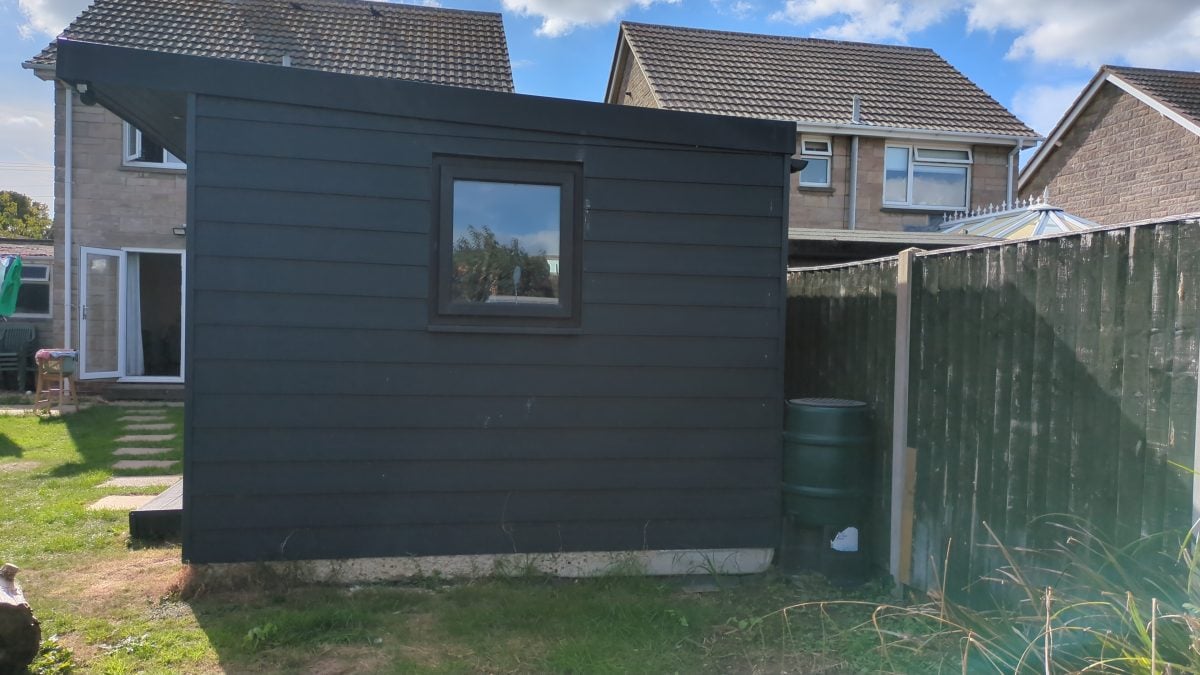
“I don’t need cover because I work from home.”
Home-based businesses still face risks, and household insurance often does not cover business-related activities.
By addressing these misunderstandings, business owners can make better-informed decisions about their coverage needs.
The Takeaway
Small businesses are the backbone of the UK and Irish economies, driving innovation, creating jobs, and supporting communities. Yet, their success and survival often hinge on how well they prepare for the unexpected. Insurance provides the safety net needed to protect against financial shocks, legal claims, and operational setbacks.
By investing in the right coverage, small business owners not only comply with legal requirements but also build resilience, earn trust, and create a foundation for long-term growth. In an unpredictable world, insurance is not just important; it is essential for safeguarding the future of small businesses.