

































Viewers watching the funeral of His Royal Highness The Duke of Edinburgh would be forgiven for missing it – but within the ceremony nestled a key link to the Isle of Wight.
An Island author has recalled his visit to a memorial which forms part of the subtle link in his new book: Isle and Empires, Romanov Russia, Britain and the Isle of Wight.
The moving final hymn chosen by Prince Philip for his funeral left a lasting impression on an estimated 2.5 billion viewers around the world. The Russian Kontakion of the Departed is an ancient Kiev chant and has its roots in the Russian Orthodox Church.


The links between Philip, Russia, and the Island are small, to begin with – Philip’s paternal grandmother, Olga Konstantinova Romanov, was the daughter of Grand Duke Konstantin Nicolaevich, the brother of Tsar Alexander II. It was Philip’s paternal great-grandfather, Konstantin, who in 1847 visited the Isle of Wight and was elected a member of the Royal Yacht Squadron.
Prince Philip was the Admiral of this prestigious club, regularly visiting in the summer months for Cowes Week and yachting races. On the side of his mother, Princess Alice, Prince Philip’s grandmother was Princess Victoria Mountbatten, the Marchioness of Milford Haven
Princess Victoria was the sister of Imperial Russia’s Tsarina, Alexandra. Another sister was Grand Duchess Elizabeth Romanov. Whilst living on the Isle of Wight between 1914 and 1921 with her husband, Prince Louis Mountbatten, the Marchioness made efforts that could have changed the course of world history.
Princess Victoria would make a last desperate attempt to rescue her nieces, the three youngest Romanov Grand Duchesses; Tatiana, Maria and Anastasia, from the Bolshevik revolution in Russia. Her hope was to bring them to live with her on the Isle of Wight. Tragically her efforts proved futile.
In 1967, when asked if he wanted to visit the Soviet Union, Philip responded:

“I would like to go to Russia very much – although the b******s murdered half my family.”
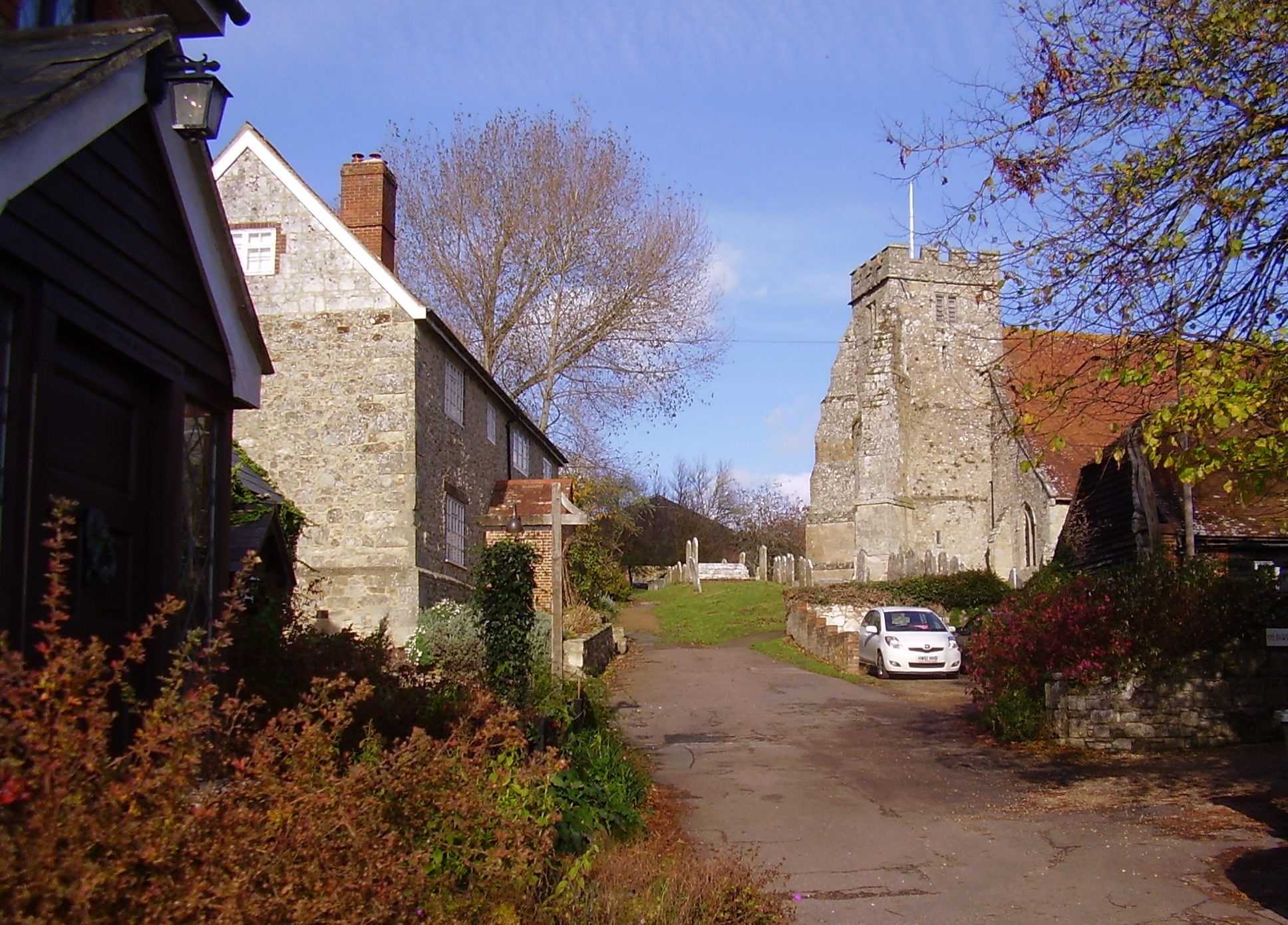
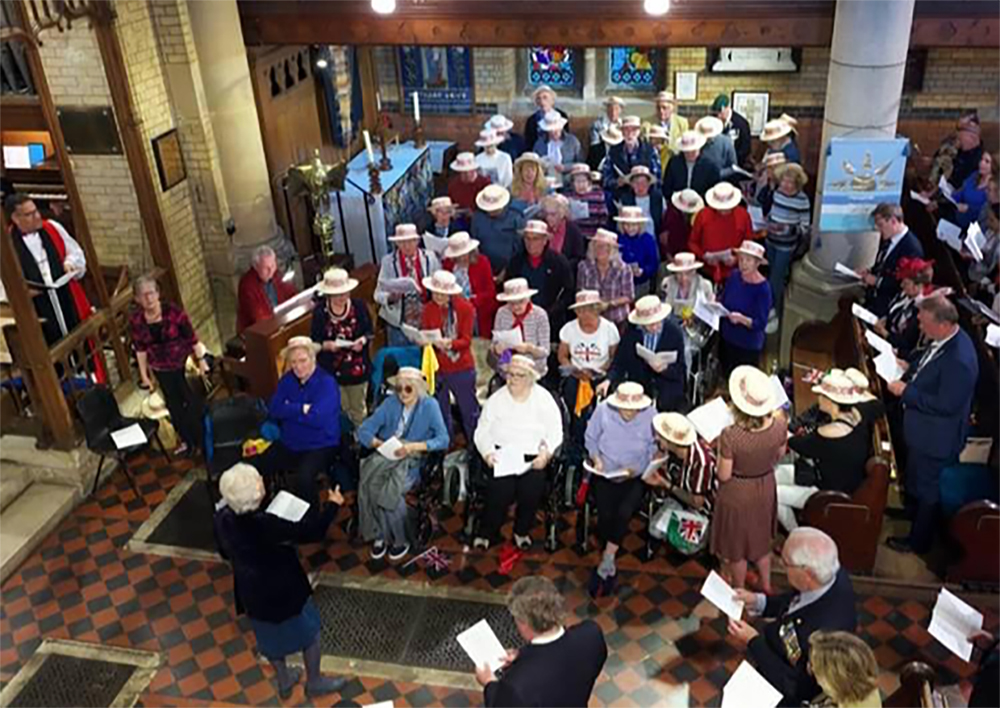
Today, a memorial erected by Philip’s grandmother to the murdered Romanovs remains, obscurely tucked away, in the Mountbatten Chapel in Whippingham Church near Cowes and overlooking the River Medina. Close by is her grave, symbolic of her wish to be close to her murdered sister and family. Until 2018, this memorial was the only one of its kind in the UK.
Stephan Roman, the author of the forthcoming book Isle and Empires, Romanov Russia, Britain and the Isle of Wight, said:
“Commemorating the Romanovs in the UK has been an awkward, guilt-ridden experience for members of the British Royal family.”
Roman describes his own visit to Whippingham and recalls how it inspired him to research and write the book, which will be published in July.
‘I have had a strong personal interest in Anglo-Russian history as my grandparents fled Russia during the Revolution. Whilst at St. Mildred’s Church in Whippingham, I found the small, almost forgotten, memorial to the last Russian Imperial family, tucked into a side wall of the Battenberg Chapel.
‘It was a melancholic and modest tribute to a dynasty which had once ruled the largest land Empire in the world. War and revolution had destroyed the Romanov dynasty, and their British royal cousins stood accused of having denied them safety and sanctuary in Britain.’
Prince Philip’s choice of the Russian Kontakion, then, may well have been longing for what could have been. It stands as a lasting and solemn comment on the discomfort of Imperial Russian descendants in the UK, and a tribute to his grandmother, buried on the Island today, whose actions remain concealed in the undergrowth.