

































































 Scottish and Southern Electricity Networks (SSEN) Distribution is to undertake £41 million of strategic investment in its electricity networks to support a green economic recovery and accelerate key low-carbon projects across the north of Scotland and central southern England – including in Hampshire.
The scheme, which will unlock over 122MW of additional capacity, is a result of close collaboration with Ofgem and other electricity network operators to explore how early investment in the distribution network could drive green economic growth, create skilled jobs, and support the deployment of low-carbon projects.
Following analysis of network investment plans and future scenarios for growth of electrified transport and heat, SSEN launched an extensive public call for evidence in March. Over 150 submissions were received from local authorities, developers and community groups stating the case as to why extra network capacity in their locality should be targeted for priority investment over the next two years.


SSEN assessed this evidence against key criteria, including deliverability in the two-year time frame, to further inform the network investments that would deliver the most value for customers. As a result, 12 programmes of network investment were proposed and have today received approval from Ofgem.
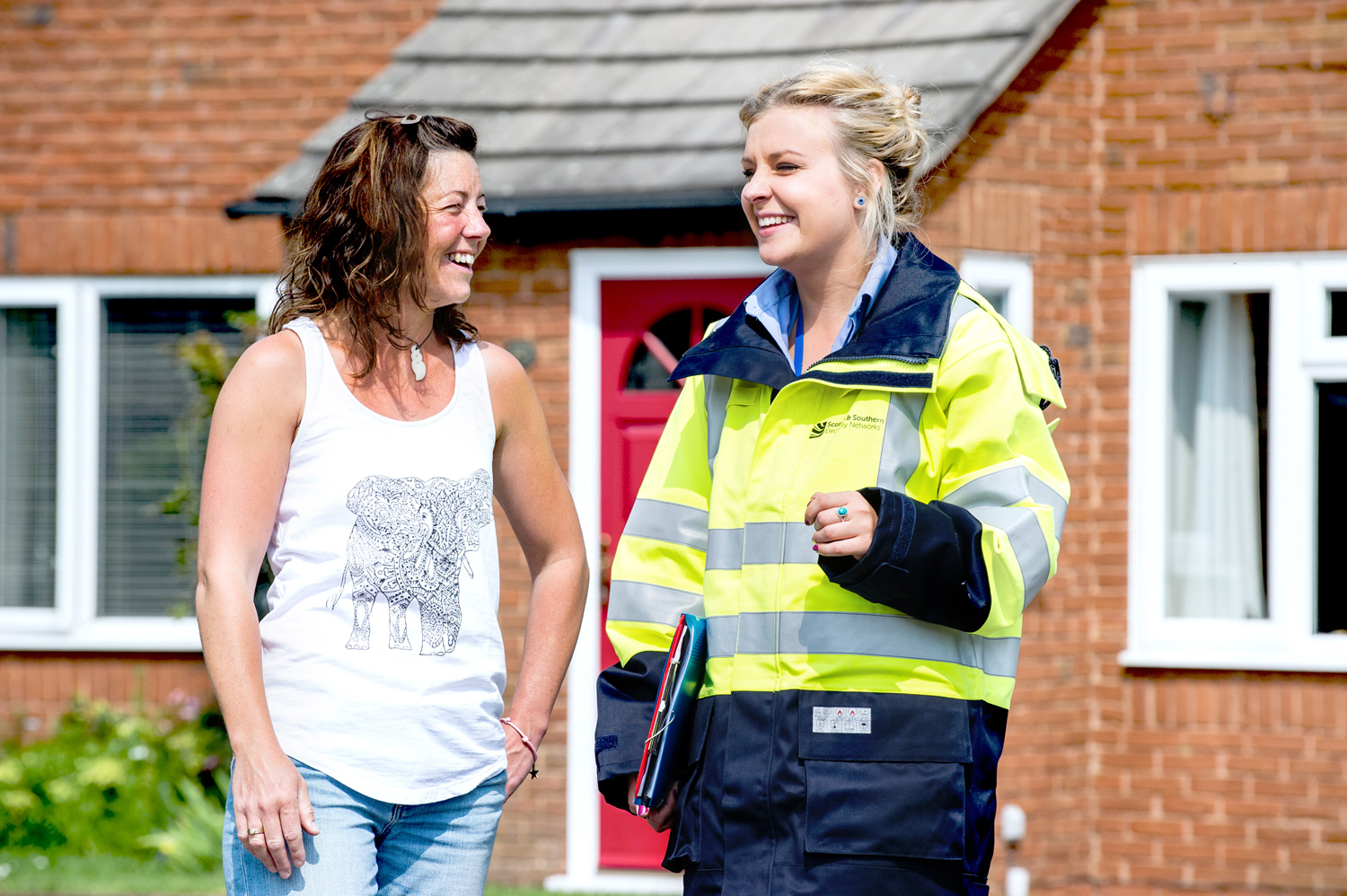
The £41m investment will deliver an increase in network capacity of over 122MW during the next two years, upgrading the network to accommodate increased demand for electric vehicle charging and electrification of heat and enabling the following key projects to progress:
In Hampshire, 3 key sites will receive a combined £16m of investment to accelerate a green economic recovery.
£9m will be invested in preparing the infrastructure in Rownhams for EVs and low-carbon technologies. This will create 30MW of additional capacity, enabling delivery of EV charge hubs at critical points for the UK’s transport infrastructure.

Over £3.6m will be invested in North Baddesley to reinforce over 4.8km of overhead line and 100m of underground cable. This will create 12.8MW of extra capacity enabling local residents to switch to low carbon technologies.
SSEN will invest £2.9m in Bishops Waltham, creating over 5.5MW of capacity by reinforcing critical network infrastructure. This will support a rapid uptake in low-carbon technologies and accelerating a green economic recovery in the Hampshire town.
As part of the scheme, SSEN will also install approximately 1,000 low voltage monitors at key points across SSEN’s distribution network areas, providing near real-time visibility in areas where high levels of electricity demand from increased uptake of electric vehicles and electric heating is predicted. This will enable the network operator to better manage local infrastructure, identifying how best to optimise capacity.
SSEN’s plans are part of a £300m programme of investment announced today by the energy regulator Ofgem.
Chris Burchell, Managing Director, SSEN Distribution, said:
“We are determined to play our full part in addressing the twin challenges of the economic and social recovery from coronavirus and the impending climate emergency, where local electricity networks will play a vital role. With COP26 on the horizon, today’s investment demonstrates how collaborative action and regulatory flexibility can help us achieve this aim and power change for our customers and society.
“The green recovery scheme provides a blueprint for future agile investment in our networks in the coming years, where rapid progress will be required to keep pace with net zero. By undertaking £40 million in strategic network investment now, we are helping unlock innovative low-carbon projects at the right time, boosting local economies and supporting communities to achieve their net zero ambitions.”
Jonathan Brearley, chief executive of Ofgem said:
“This £300 million down payment is just the start of building back a greener energy network which will see well over £40 billion of investment in Britain’s energy networks in the next seven years.
“The payment will support the rapid take up of electric vehicles which will be vital if Britain is to hit its climate change targets. Drivers need to be confident that they can charge their car quickly when they need to. We’re paving the way for the installation of 1,800 ultra-rapid charge points, tripling the number of these public charge points. Drivers will have more charging options for longer journeys.
“In the year that Glasgow hosts the COP26 climate summit, the energy networks are rising to the challenge and working with us and partners to accelerate projects that can start now, benefiting consumers, boosting the economy and creating jobs.”













And why do we need to know that as where not in hampshire
Thought this was the island echo
not the “Hampshire echo”???