









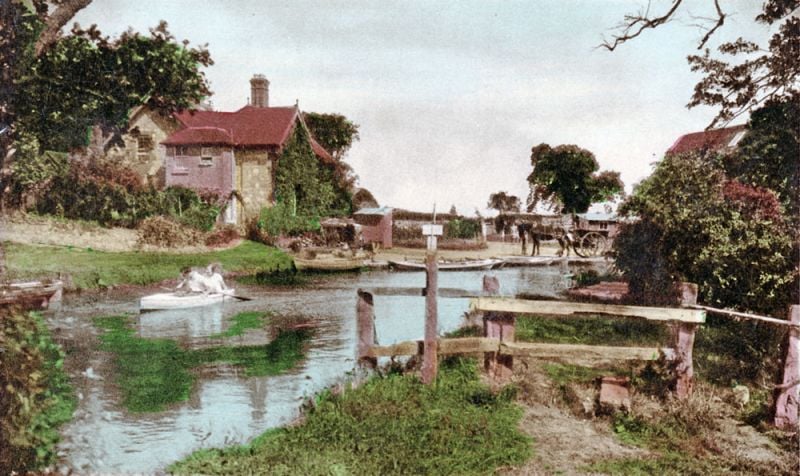

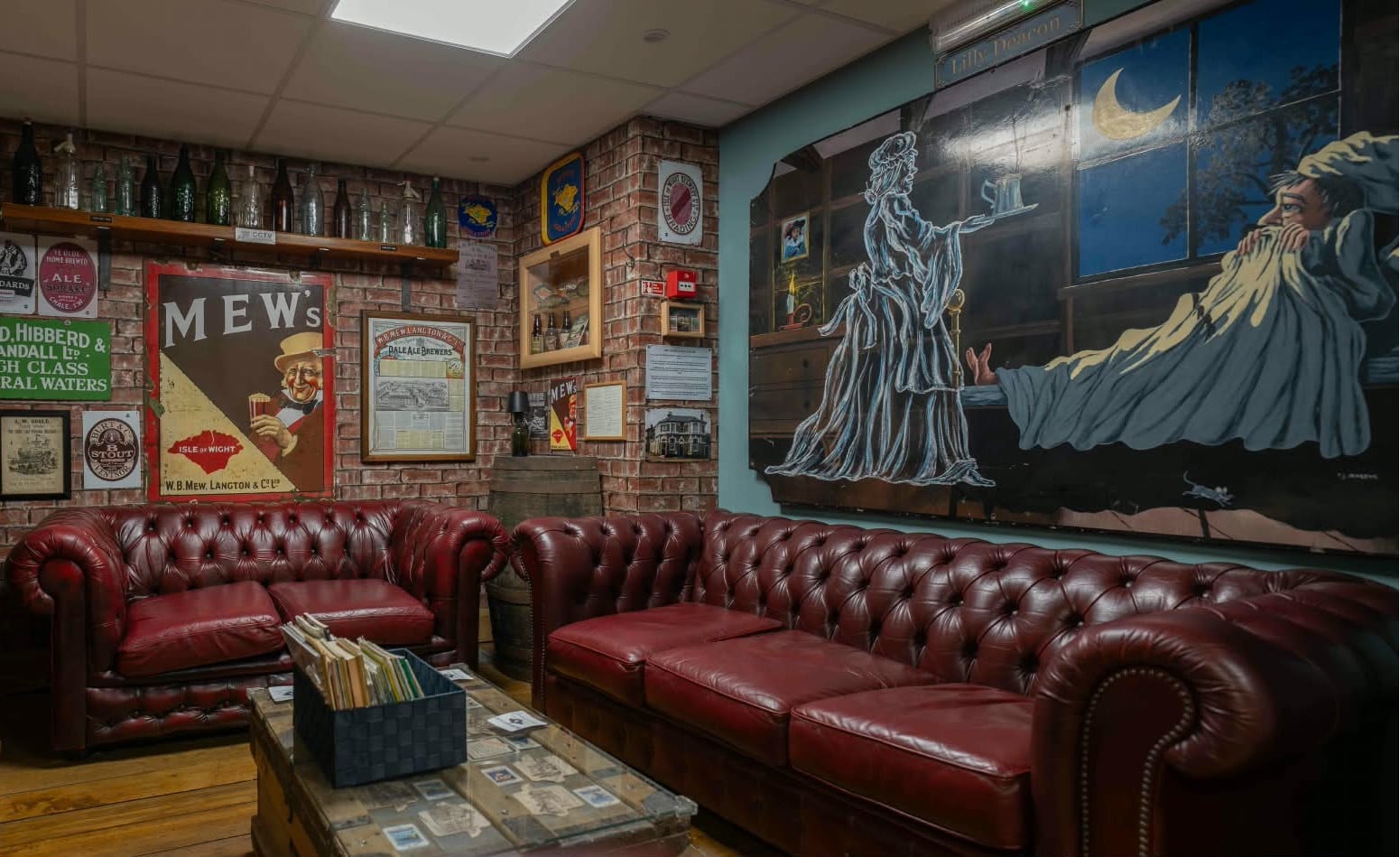

































In the 1st of our new series on Isle of Wight pubs past and present, Island Echo examines the rich history of 4 of the smugglers’ pubs dotted along the Undercliff and the Back of the Wight.
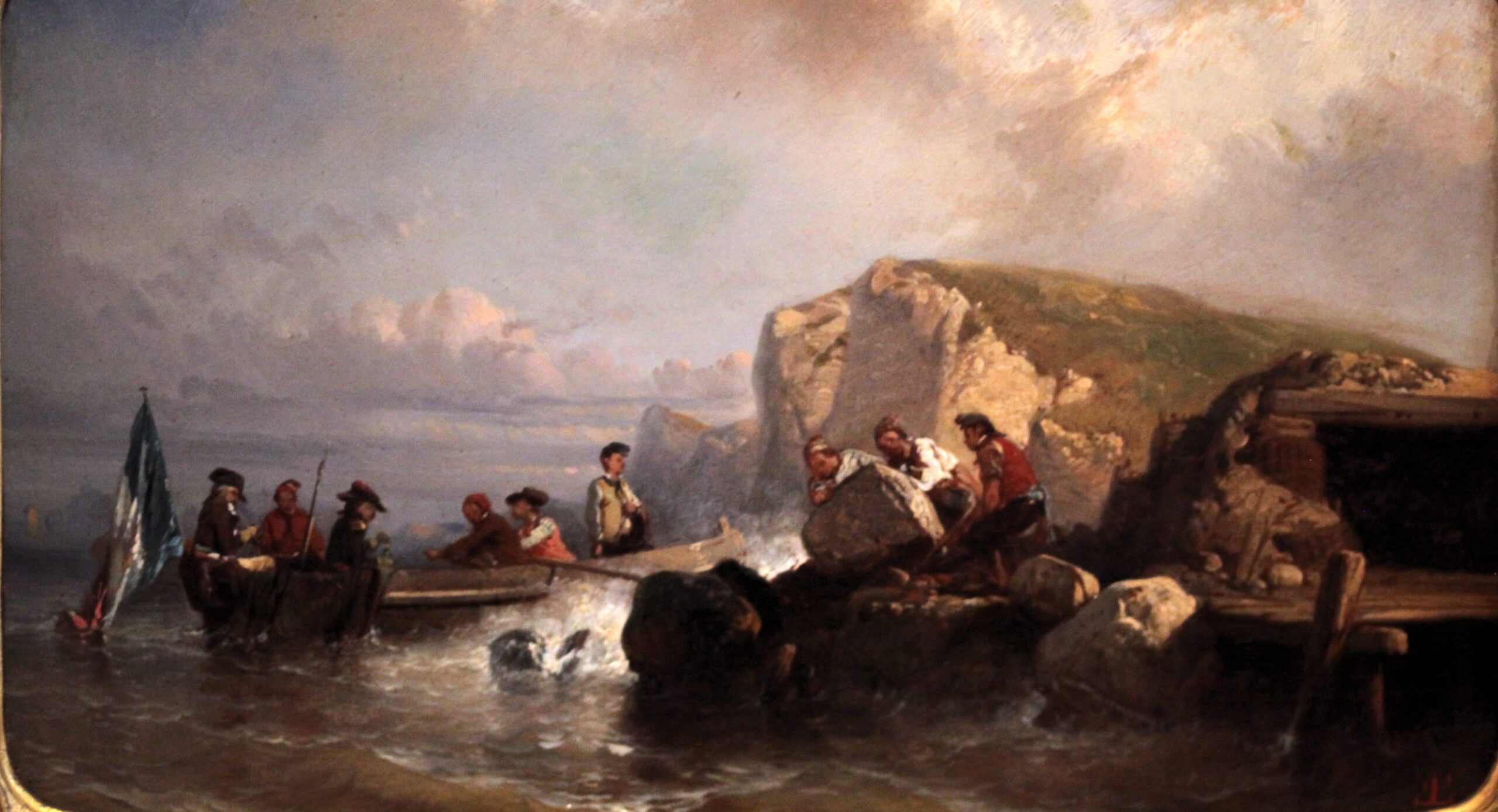
In the 18th century, Britain was involved in numerous foreign conflicts, particularly with France. To fund these wars, the government imposed punitive taxes on the importation of luxury goods from the continent of Europe. By doing so, they created a climate in which organised crime could flourish in southern coastal communities, including the Isle of Wight.
‘Free trading’ – buying luxury goods tax-free abroad and then importing them to Britain – became a highly profitable pastime. The Isle of Wight – with its numerous sheltered coves and sandy beaches – was a natural forward base for such traffic to and from the continent.


The area most closely involved in the smuggling of contraband were from villages along the back of the Wight and the Undercliff: Niton, Chale, Shorwell, Brighstone, Mottistone, Hulverstone, Brook and Freshwater. Not only were impoverished villagers involved in the smuggling trade, but the consignments of contraband were believed to have been consumed in the great houses of the Island such as Wolverton Manor, Appuldurcombe and Nunwell House.
The ‘free trade’ or smuggling business was enormous. Tea could be bought on the continent for just 6d (2 1/2p) a pound then sold for 3 shillings (15p) back home. 80% of all tea sold in England was said to have had no duty paid on it.
Of course, the biggest trade was in brandy and gin. French brandy could be purchased for 5 shillings (25p) then sold on to the gentry for over a guinea (£1 and 1 shilling) – over £200 in today’s values. An even larger sum could be made by watering down the spirits.
The local pub would be at the epicentre of such trade. It was here that plots were hatched, deals made, transport arranged and trips to the continent planned. The pub was where smugglers gathered. It was also a hiding place for goods, a source of willing hands as well as a valued customer.
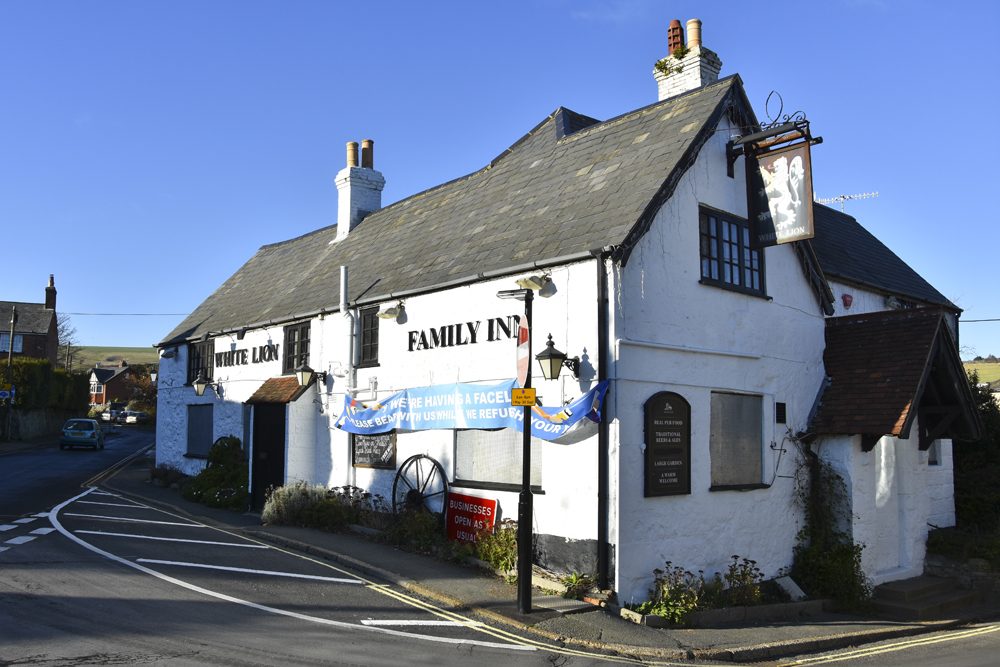

The White Lion, Niton
The Undercliff was closely associated with the smuggling trade. As late as 1860, the poet Sydney Dobell observed:
“The whole population here are smugglers. Everyone has an ostensible occupation, but no one gets his money by it, or cares to work in it.
“Here are fishermen who never fish, but always have pockets full of money, and farmers whose farming consists of ploughing deep by night, and whose daily time is spent standing like herons on lookout posts.”
The graveyard of Niton’s local St John the Baptist church was said to have been a storage spot for contraband.
The White Lion was believed to have become a public house in the early 18th century, although the stone-built building may be older. It was previously named ‘Speeds’. There was formerly another pub in the village: the Star Inn.
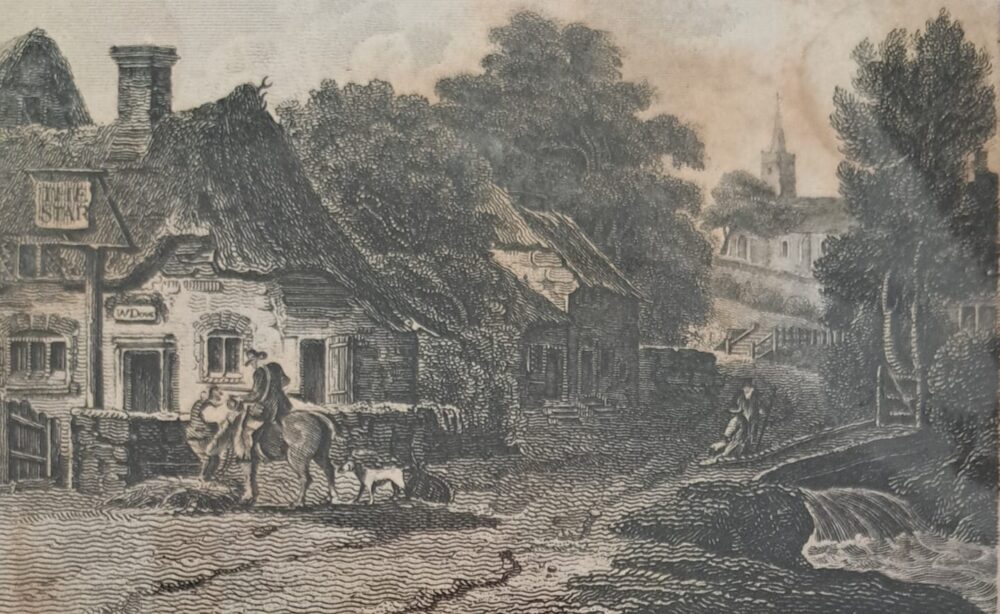
Proof of the White Lion’s close connection with the smuggling trade is the conviction of landlord Thomas Morris for illegally importing 3 gallons of Geneva gin in 1842, for which he was fined £100.
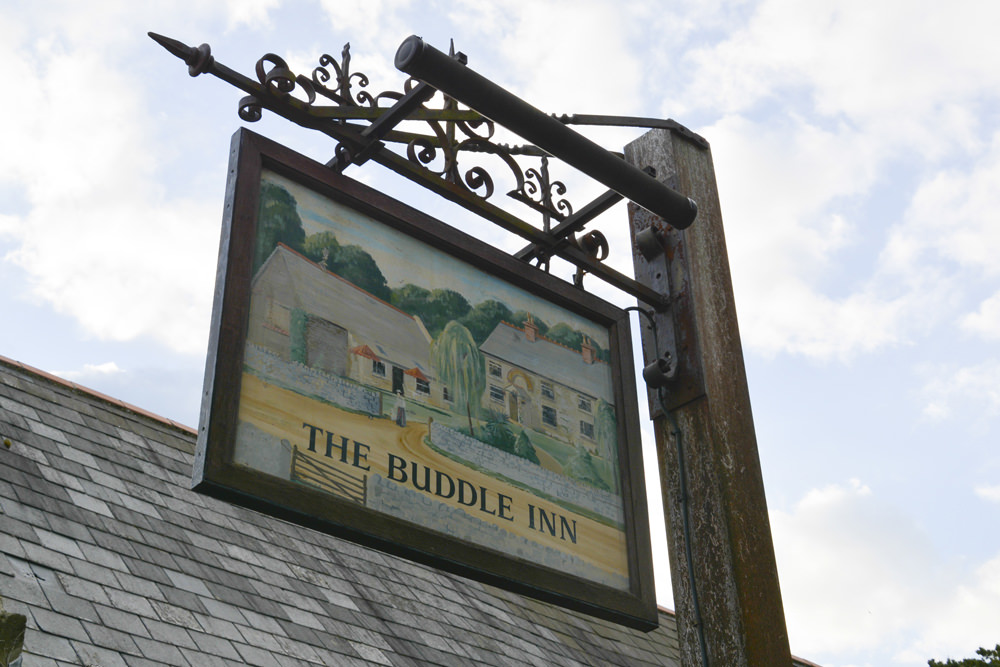
The Buddle Inn, Lower Niton
The Buddle Inn – the most southerly public house on the Island – calls itself a ‘Smuggler’s Inn’.
The Inn is the nearest to Blackgang Chine, where an enormous cave was once used for the storage of contraband (the cave has sadly been lost to coastal erosion).
Its name is believed to derive from the Old English Bothele meaning ‘dwelling’.
The building is believed to be at least 400 years old. It was 1st described as a public house in 1859.
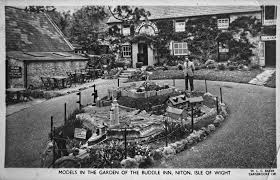
The Buddle Inn was once known for its model village in the garden although this has now sadly disappeared.
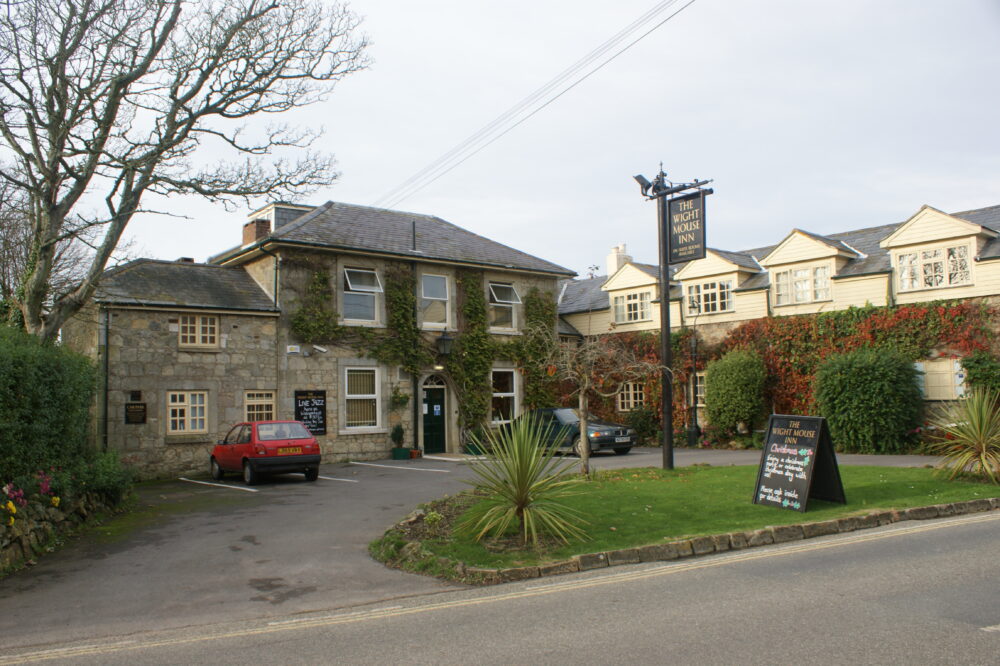
The Wight Mouse Inn, Chale
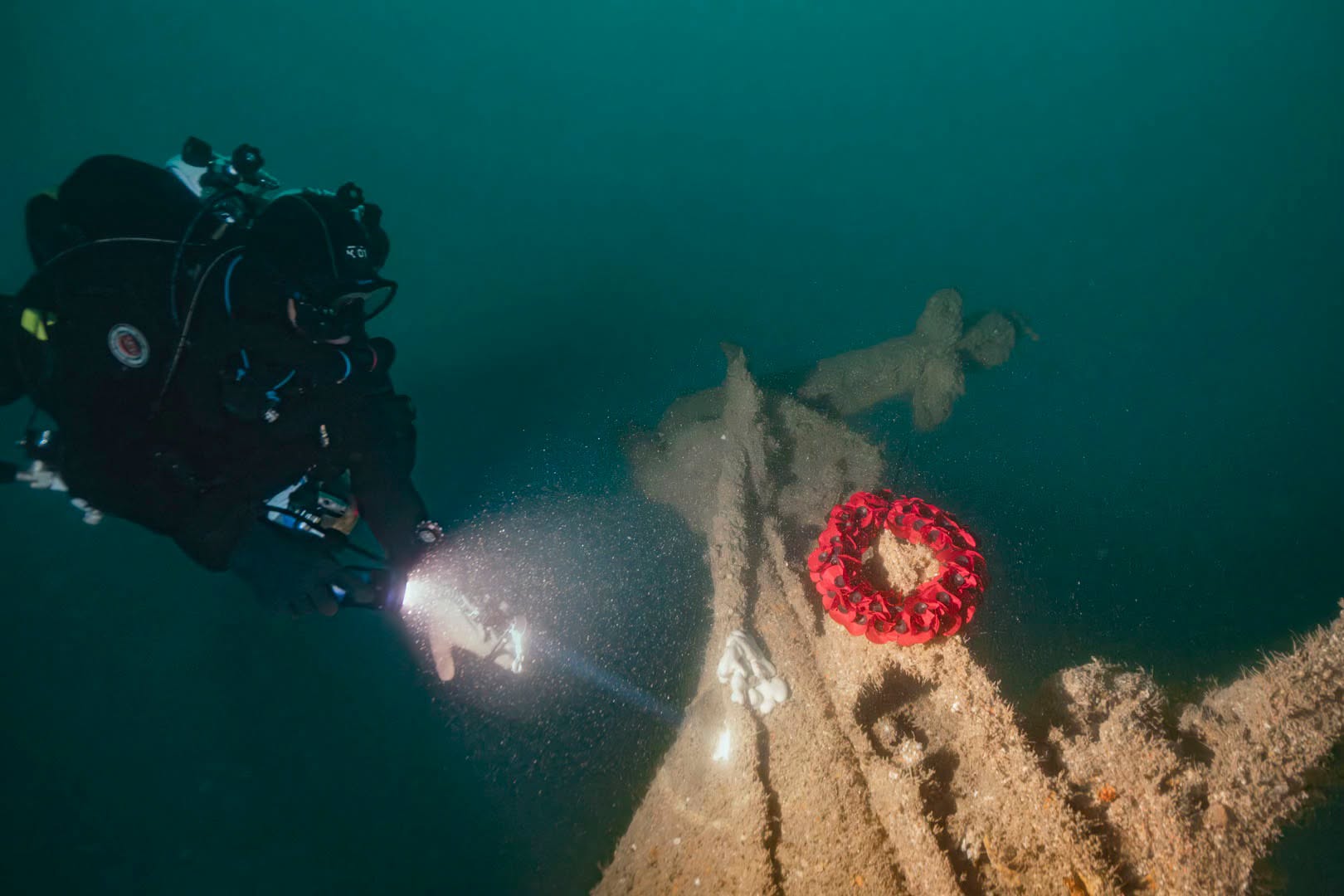
The Wight Mouse Inn is most closely associated with the loss of the Clarendon, which sank off Rocken End in 1836. Many of the timbers from the stricken vessel were subsequently used to build an extension to the building. The Inn was named ‘the Clarendon’ for some time in tribute to the sunken ship.
In bygone times, wrecked vessels along the coast were regarded as ‘God given’. The goods and materials from wrecks were seen as bounty that could alleviate the poverty of poor fisherfolk.
After the loss of the Clarendon, numerous Islanders were convicted of plundering the wreck. For example, William Gatrell of Brixton (Brighstone) was sentenced to 1 month’s imprisonment and James Long of Chale was fined 15 shillings.
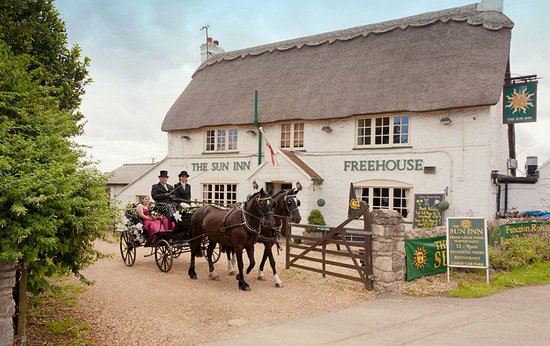
The Sun Inn, Hulverstone
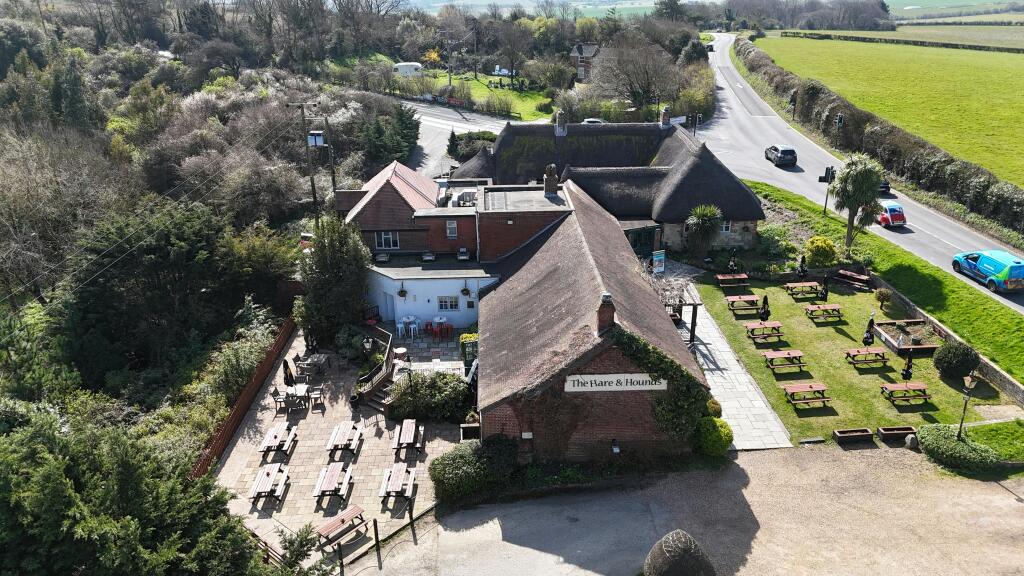
Smuggling was rife along this part of the coast, and the Sun Inn was reputedly the haunt of a group of notorious smugglers known as ‘the Mottistone Gang’.
Reverend Fenwick, rector of nearby Brook, commented:
“The people engaged in smuggling or benefitting by it, do not feel it a moral offence and make no secret of their success when the danger is over.”
In 1842, William Cook, a member of the Mottistone Gang was unable to pay a fine of £100 for the shipping of 52 gallons of foreign brandy and was sentenced to a month’s imprisonment.
Violence was often deployed by the Mottistone gang. In 1837, volunteer coastguard William Collier was pushed off the coast to his death by smuggler John Morton.
Old houses in the area are often found to have hidden cavities for the storage of contraband. In 1958, a 6-gallon brandy cask was found in a hiding place in a cottage in Brook.
The Sun Inn was 1st mentioned in 1816 when it was sold to the Mews Brewery of Newport. In 1860, the thatched pub was sold to the Seely family. Today, it is part of the Character Inns group (together with the Buddle Inn).
The 4 pubs mentioned in the article are only a few of those associated with the smuggling trade on the Isle of Wight. If anyone wishes to highlight further pubs involved in ‘free trade’, please do so in the comments.
In our next article on Isle of Wight pubs, we shall look at former pubs in the Isle of Wight’s largest town – Ryde.









A intresting article,a good read
These historical articles are great!
Thank you.
Thanks for the history lesson there’s also a book called Back of the Wight by an ex councillor good read
Does anyone know what happened to the artefacts that were housed in The Smuggling Museum at Botanic Gardens Ventnor?
Super article. Thanks. Will be heading out there next weekend I think!
The Undercliff Road needs re-opening, use to be some more great
Inns along the Undercliff.
Great article.