








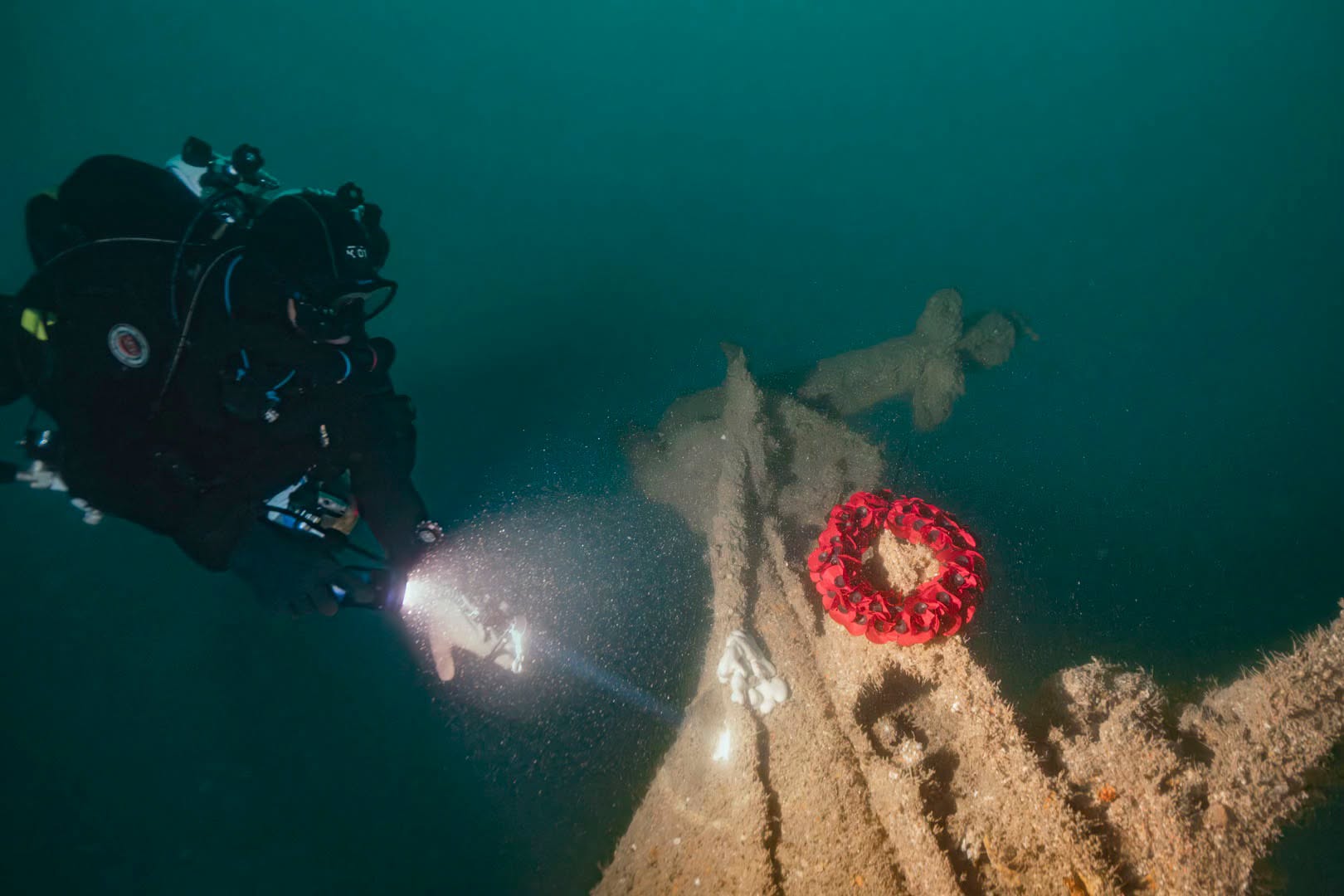






























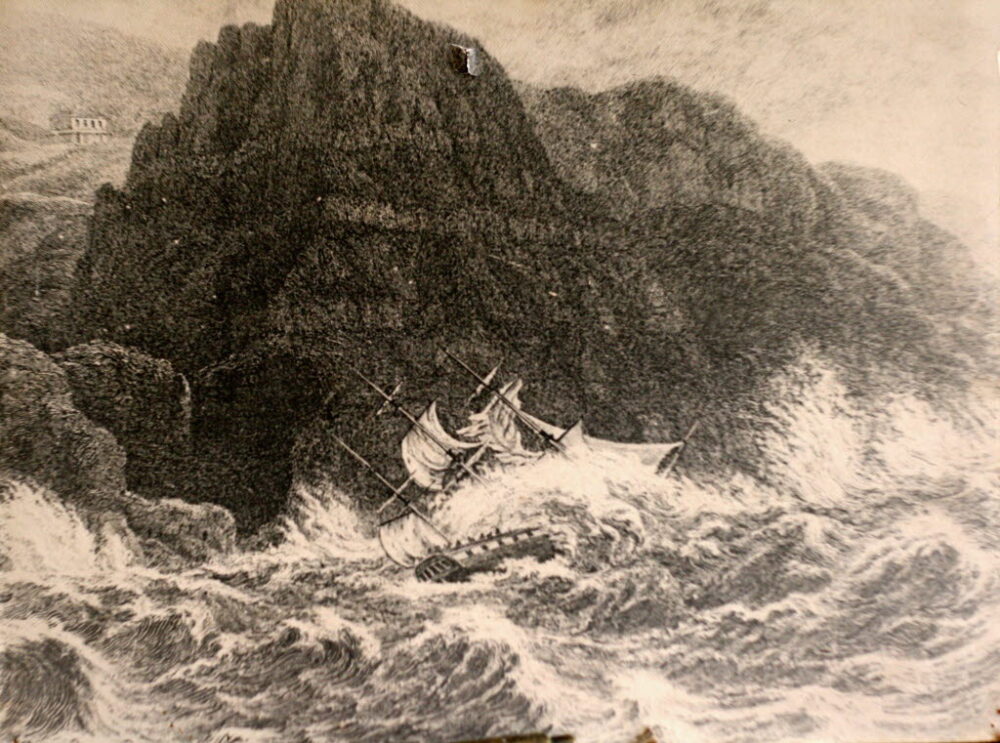
On this day in 1836, the Clarendon – carrying a cargo of rum and molasses from the West Indies – sank off Blackgang with the loss of 10 passengers and 13 crew.
In the dim light of the morning of 11th October 1836, horrified Islanders witnessed a stricken ship battling the elements off the Undercliff, vainly attempting not to hit the rocks.
1 witness to the dramatic events was former Royal Navy man John Wheeler, who had by that time become a fisherman. When he saw the vessel was likely to come aground at Blackgang, he rushed down the path and reached the foot of the chine shortly before the Clarendon struck the shore.


He fortuitously found a coil of rope in a fisherman’s hut that had been left unlocked. John tied the rope around his waist, handed the other end to a mate, and rushed into the surf. By this point, the vessel had hit the rocks and was being pounded by the ferocious waves.
John implored those on the vessel to jump. 3 did, and he succeeded in dragging 2 of them to safety. He grabbed hold of the 3rd, but both were knocked over by a huge wave. Fortunately, others dragged the 3rd survivor to the shore.
No one else was saved. The ship broke up, and the remaining passengers and crew were either drowned or knocked unconscious by the timbers of the wreckage.
There then followed pitiful scenes as the drowned and mangled victims of the stricken Clarendon washed ashore. These included the naked bodies of the beautiful Shore sisters, clinging to each other in death.
An eyewitness stated: “They were lovely and pleasant in their lives, and in death they were not divided.”
Tragically, a Lieutenant Shore was returning from service in the West Indies. He, his wife, and 4 daughters all perished.
There was 1 happy tale following the tragedy. A crew member saved by Wheeler named Thompson had been his former shipmate on The Falcon. Incredibly, John had saved Thompson from drowning 4 years previously.
There was also a horrifically tragic tale. Amongst those drowned was a Miss Gourlay. She was carried away by the tide to Southsea, where her body came ashore in the garden of her father’s (Captain Gourlay RN) house.
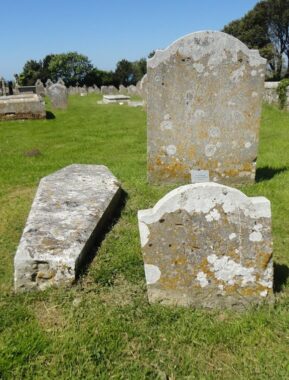
Most of the victims were buried in Chale churchyard, where their graves can still be found.
The Clarendon was destroyed. Many of her timbers were used to construct houses in the vicinity. The oak beams of the White Mouse Inn (formerly known as the Clarendon) were salvaged from the wreckage.
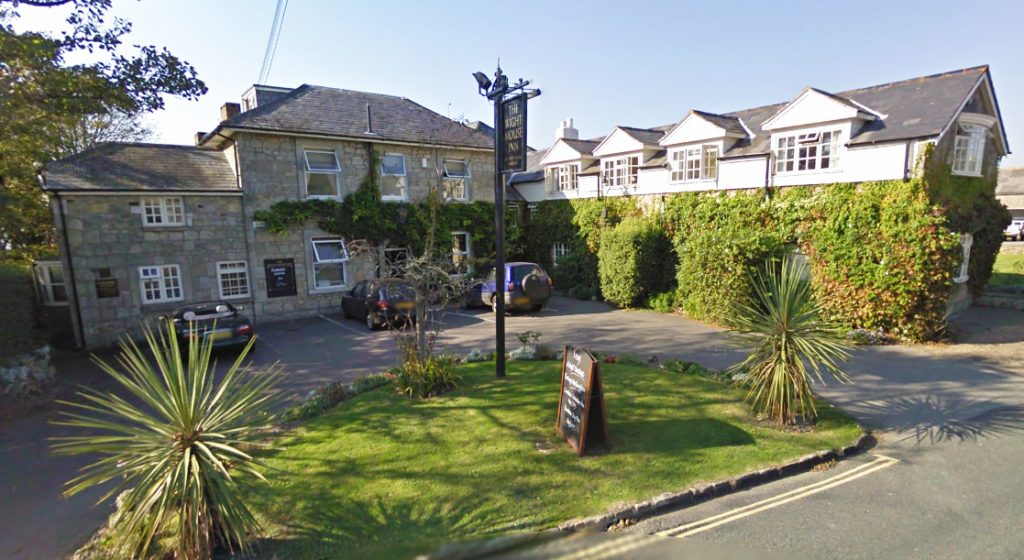
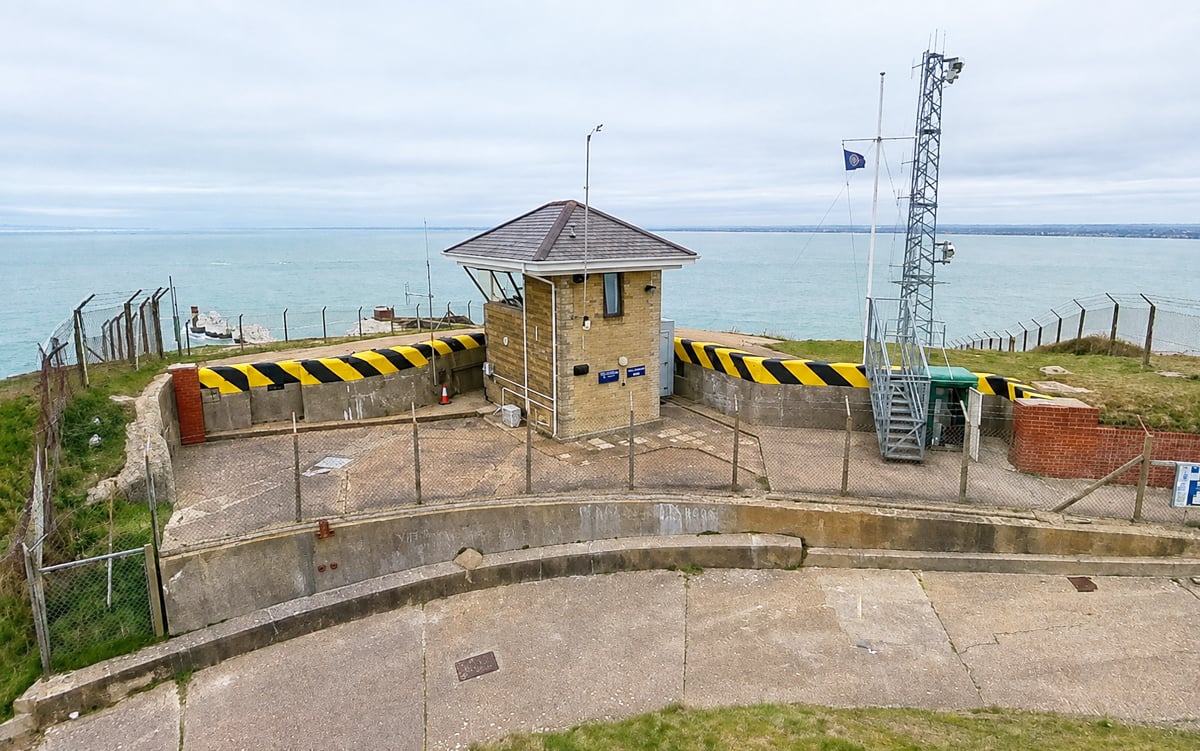
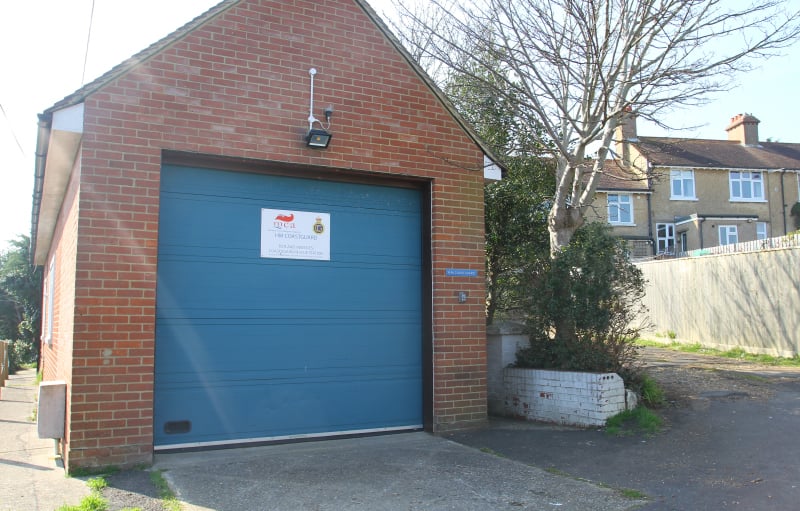
The shock of the loss of the Clarendon had a powerful effect on the powers that be at the time. Efforts were made to prevent further tragedies. The lighthouse at St Catherine’s was erected the following year and was 1st put to use in 1840. Lifeboat stations and a coastguard station were also established at Brook, Atherfield and Brighstone.






I find these historical items very interesting,pity there’s not more of them
Well done Island Echo.
Really enjoy the local history articles.
Nice one Warren, you are producing a great series of local history articles that almost everyone enjoys. Credit to you.
Brilliant, but very sad. Keep up the history lessons. x
Always good to be rooted in local history, no matter where we come from around the country. Nice one!