










































Fears for the Isle of Wight’s railways intensified on 14th August 1951 as councillors debated reports that branch lines could face closure.
Alarm spread across the Island after the railway industry publication Railways revealed that several Isle of Wight routes had appeared on a list of branch lines being examined by British Railways. Although officials denied that the entire Island network was under threat, they acknowledged that certain routes, including the lines to Bembridge and Freshwater, were under consideration.
The disclosure sparked concern in communities that depended heavily on the railway. At a time when trains linked towns, villages and holiday resorts across the Island, many feared the appearance of local routes on a closure list could be the first step towards a much wider reduction of services.


The issue was debated at a meeting of Sandown-Shanklin Urban District Council on 14th August 1951, where councillors questioned what the consequences would be if the threatened lines disappeared.
Particular attention focused on the Brading to Bembridge branch. Members heard that more than 36,000 passengers had used the line during the previous 3 months and questioned how buses could possibly absorb such traffic if rail services were withdrawn.
There were warnings that roads could become even more congested during the summer season and concerns that expensive improvements might be required if large numbers of passengers were forced from trains onto buses. Councillors also feared the effect on tourism, which had grown alongside the railway network for more than 80 years.
Some warned that any substantial reduction in services would be damaging not only to holiday resorts but also to businesses across the Island.
A week later, the Isle of Wight Chamber of Commerce took the fight directly to British Railways, arranging talks with senior executives in London. Chamber representatives argued that the railways had played a crucial role in the development of the visitor economy and warned that closure of the lines would be “a calamity for the Island”.

Railway workers proposed a different solution. Rather than abandoning routes, representatives of the National Union of Railwaymen called for measures to increase passenger numbers, including wider availability of cheap tickets, more excursion trains and improved connections at Ryde Pier Head.
They argued that passenger traffic had increased significantly since wartime restrictions ended and questioned whether the full potential of the Island’s railway network had ever been realised.
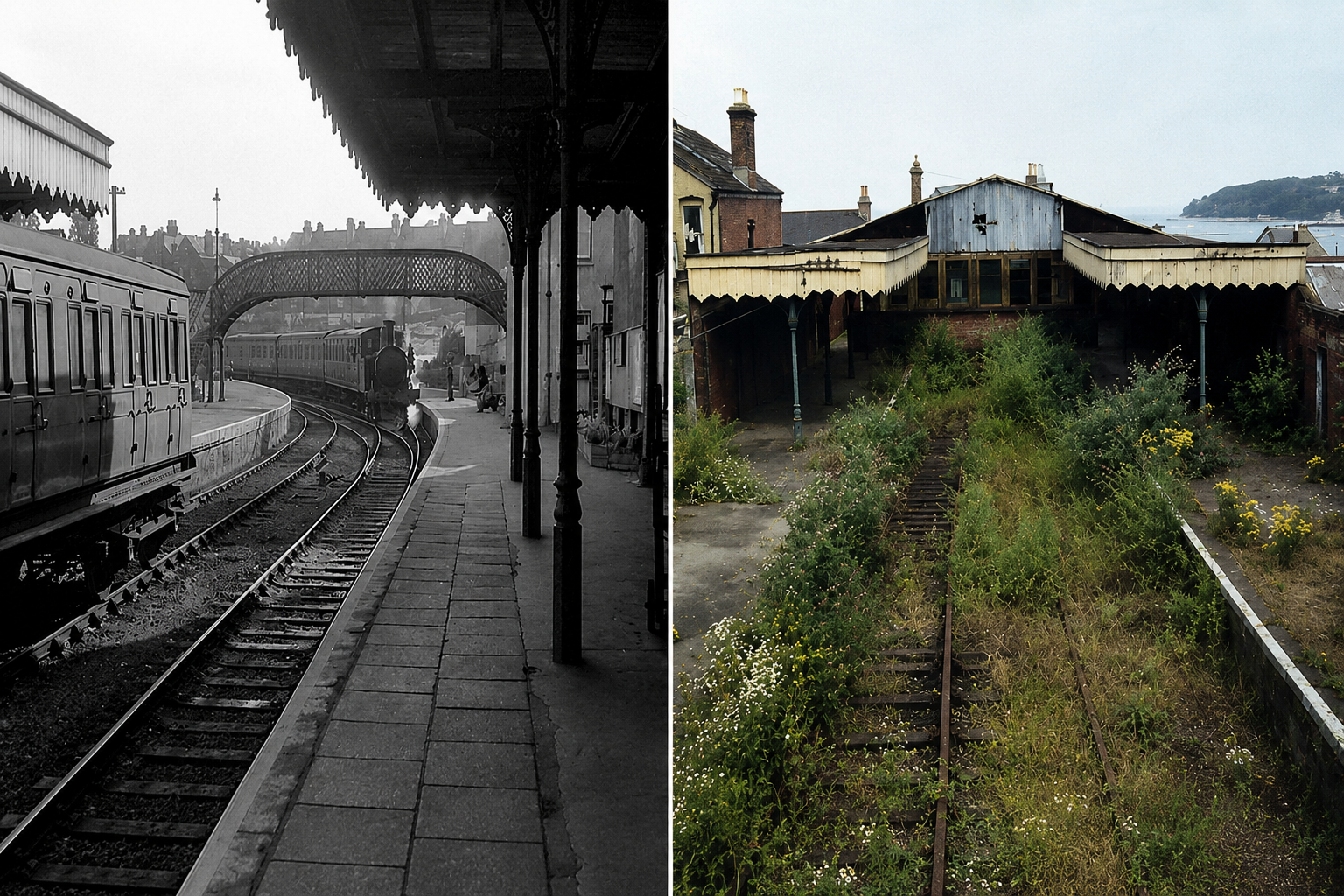
Despite the protests, the closures soon began. Passenger services to Ventnor West were withdrawn in September 1952. The Freshwater, Yarmouth and Newport line and the Bembridge branch followed in September 1953, while the Newport to Sandown route closed in February 1956. The Cowes branch and the Shanklin to Ventnor line survived until 1966.
Today, only the Ryde to Shanklin line remains part of the national rail network.






Great story, it would be great if the railways were extended.