




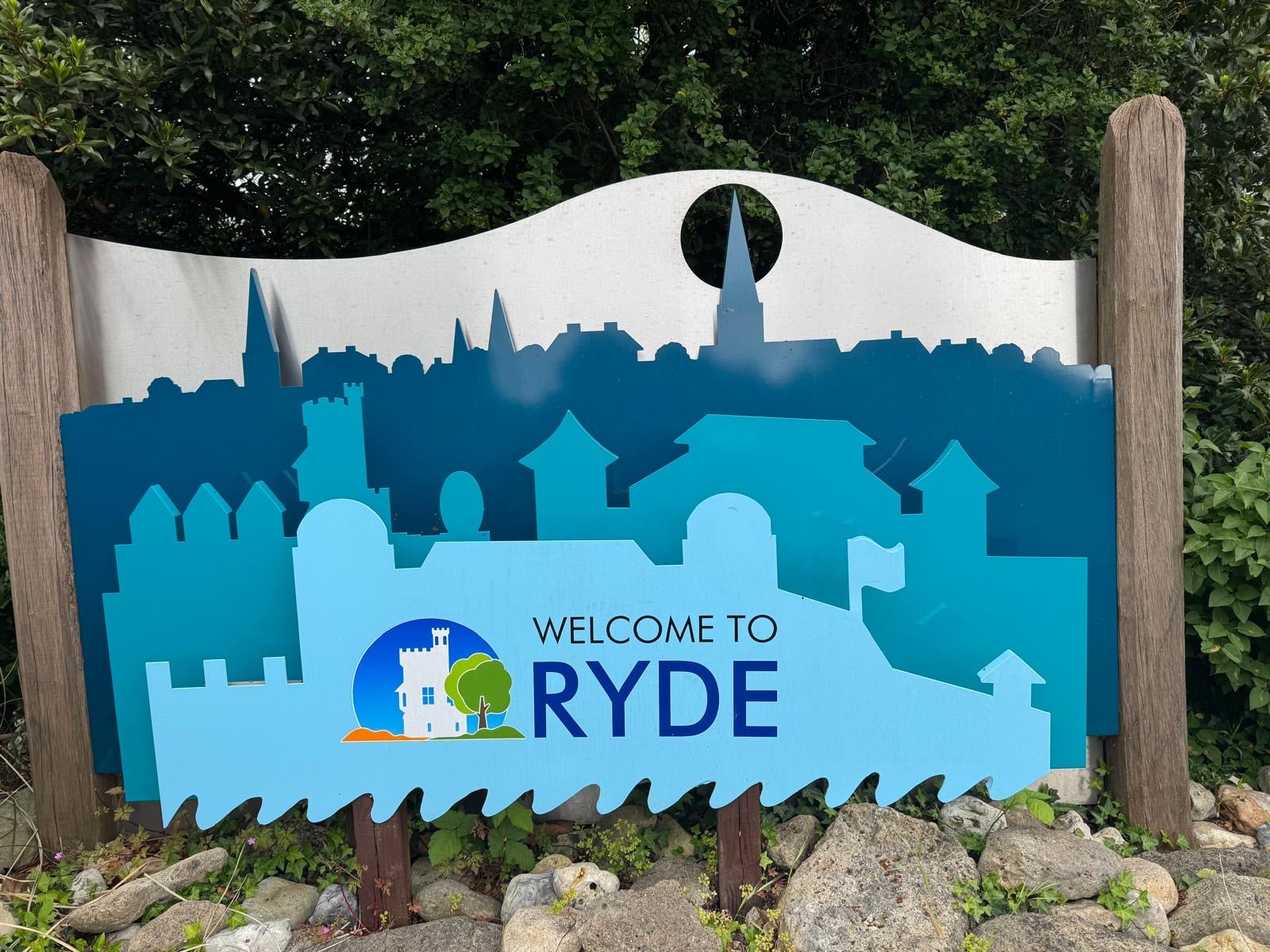






































The original sign from one of Ryde’s most infamous haunted pubs has found a new home underground – where its owner claims paranormal activity has followed.
The Lilly Deacon pub may have disappeared from Ryde more than 20 years ago, but a piece of its past has resurfaced in the cellar of The Colonnade in Lind Street.
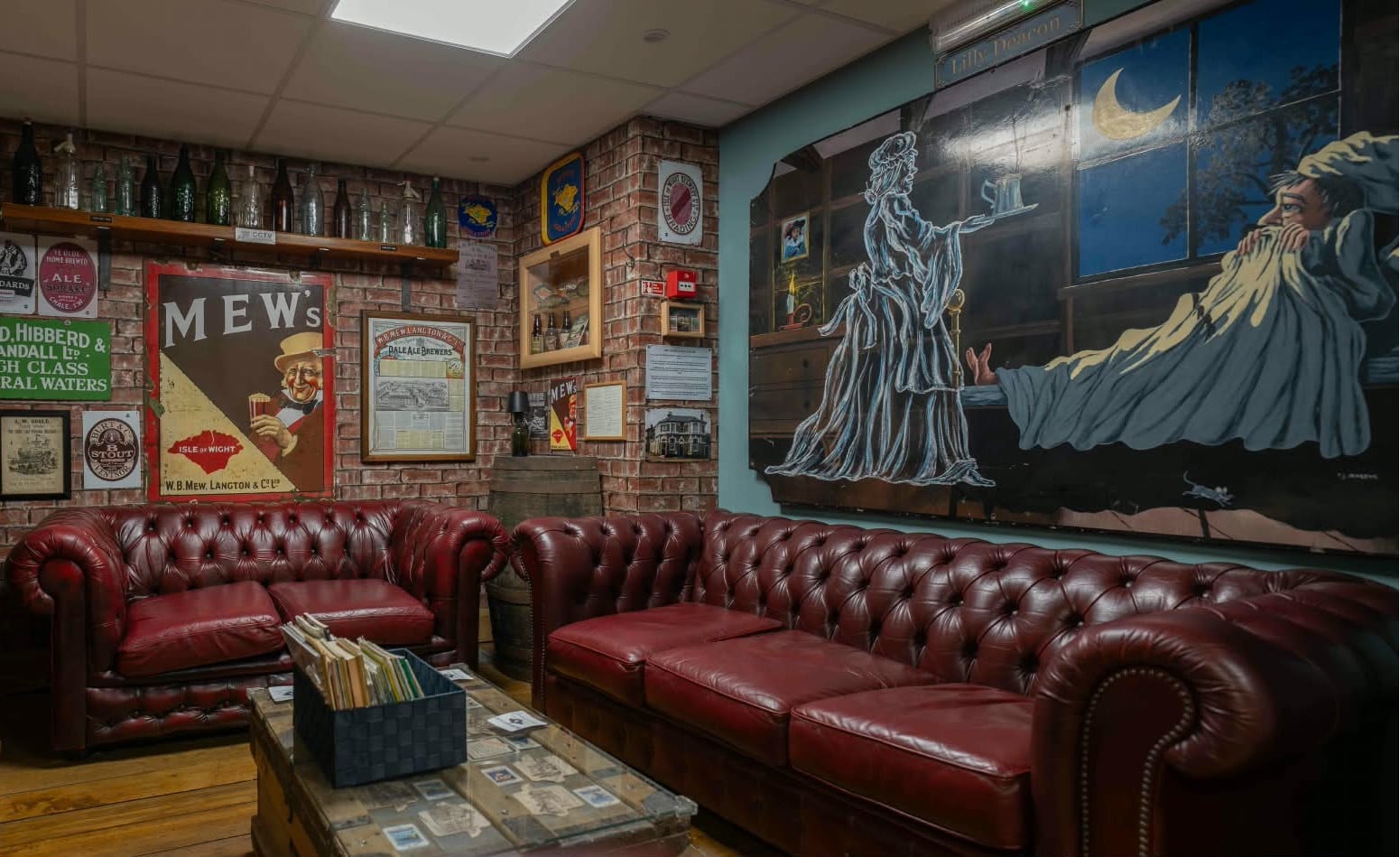
The original Lilly Deacon pub sign now hangs on the wall of The Smugglers Cat, a new bar packed with thousands of pieces of Isle of Wight memorabilia. According to owner Tony Jones, however, the sign did not settle quietly into its new surroundings.


Tony bought the sign from a reclamation yard and says that after putting it on the wall, other objects around the premises began inexplicably falling from the walls. An Isle of Wight Festival poster proved particularly troublesome, reportedly falling from the wall 5 times.
There were also unexplained creaking and squeaking noises, while a hand dryer began switching itself on. Eventually, Tony says he appealed directly to Lilly to leave things alone – and the disturbances stopped.
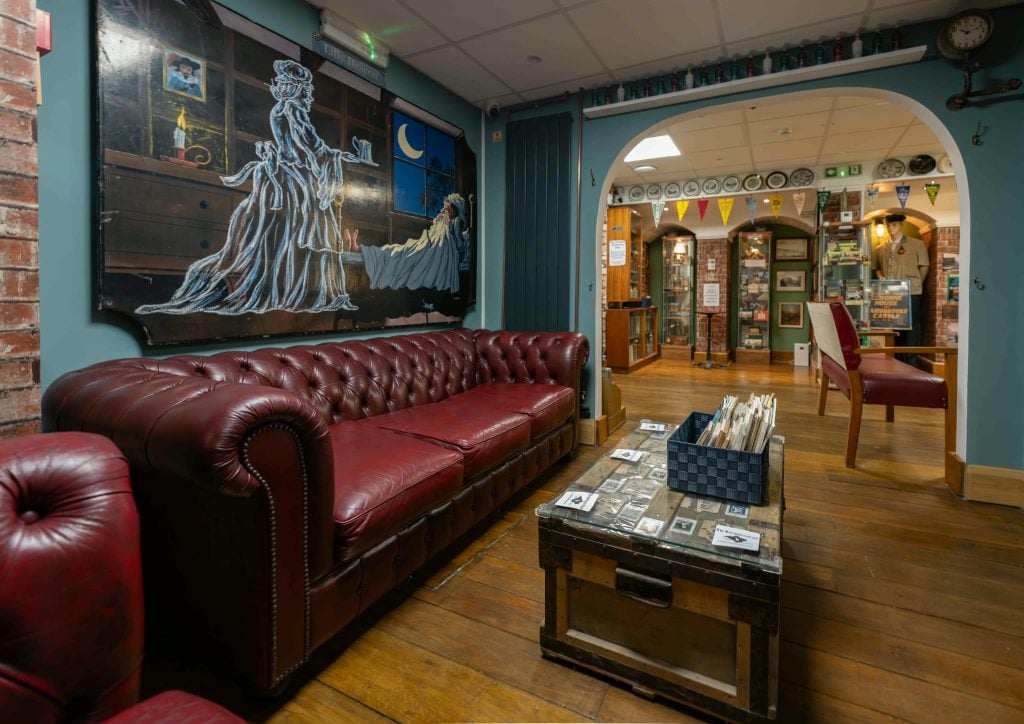
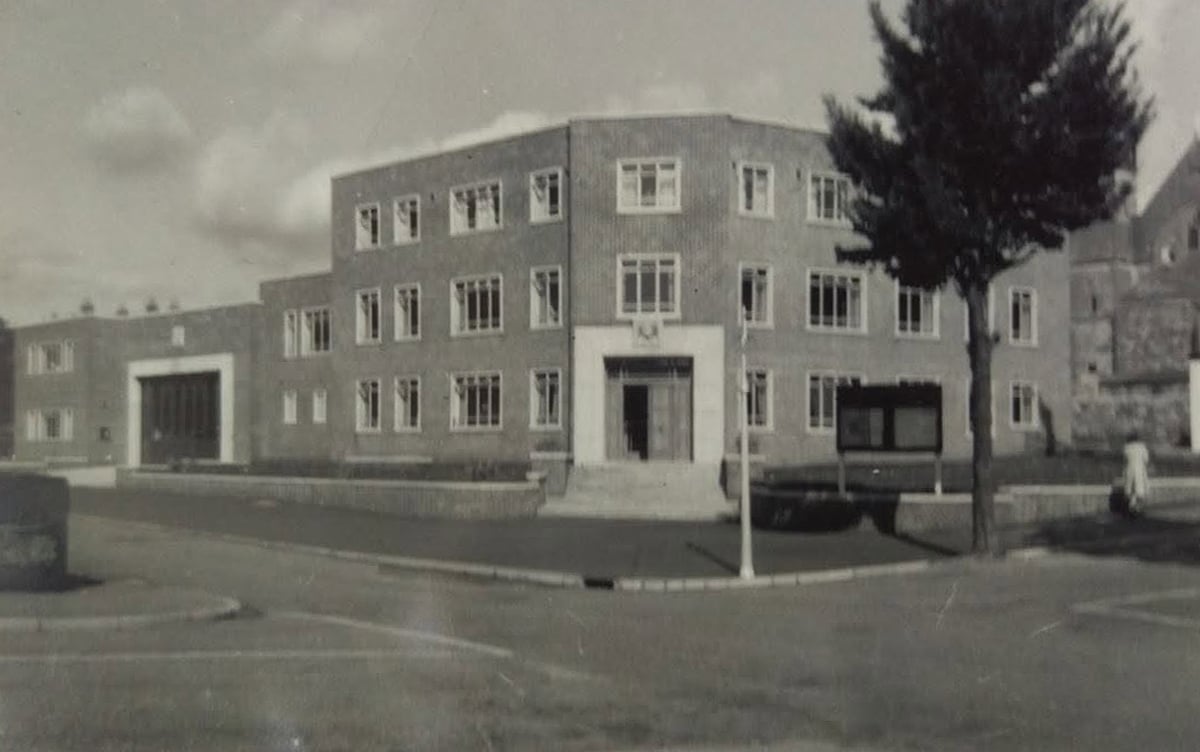
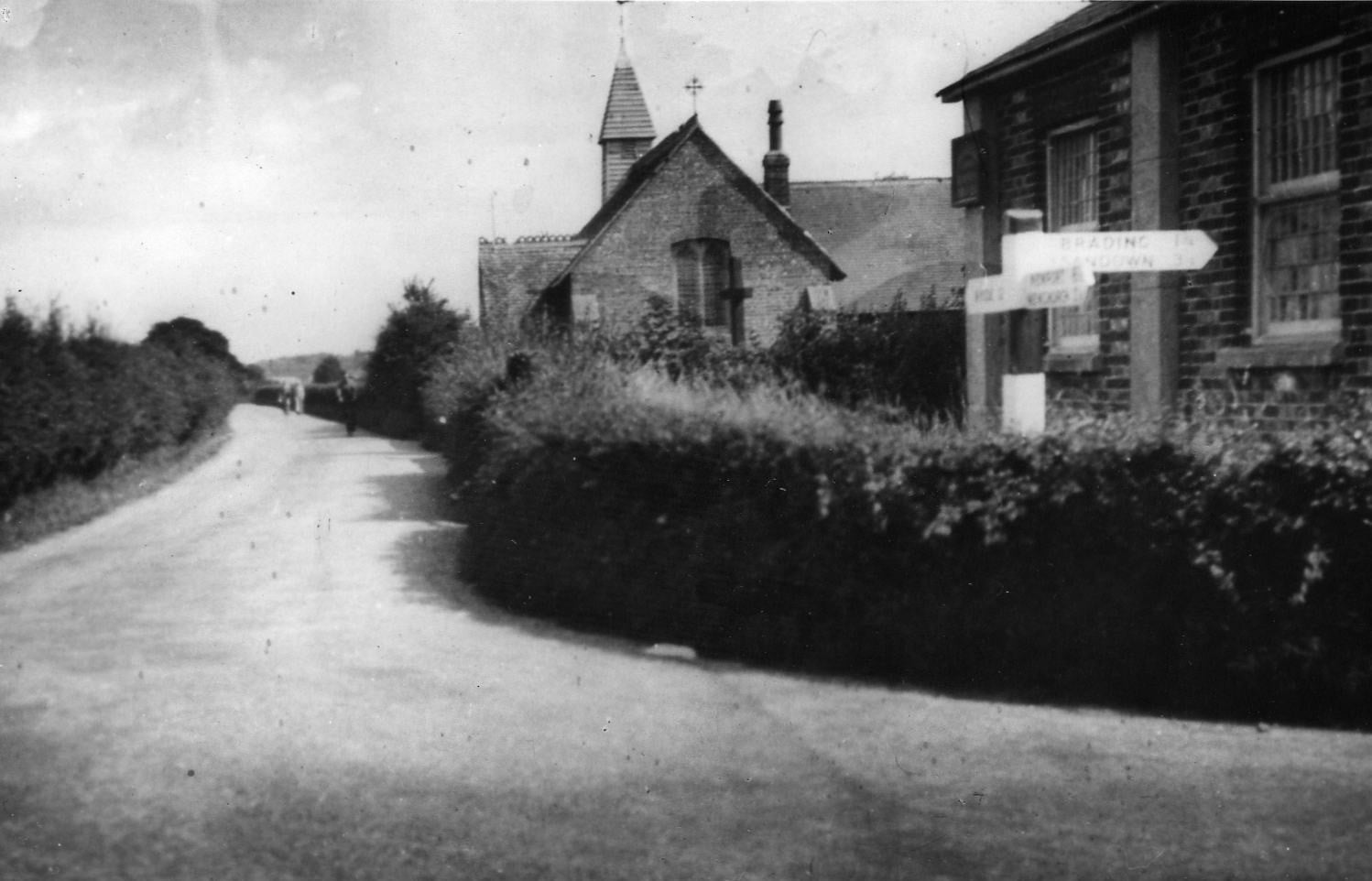
It is a particularly curious new home for a relic associated with one of Ryde’s best-known ghost stories. A notice inside The Smugglers Cat describes Lilly Deacon as the landlady of the former Partlands Hotel who was murdered in 1896, although the more familiar version of the legend casts her as a barmaid who met a violent end in the pub’s cellar.
As previously reported by Island Echo, one version of the story tells how Lilly was murdered in the cellar by a jealous husband, while another claims her body was bricked up within its walls. Former landlords and landladies also recalled finding the name ‘Lilly Deacon’, together with the date 1896, written across the cellar.

The alleged haunting became part of Partlands folklore. Dogs were said to refuse to enter the cellar, tools reportedly moved and gas taps supplying beer to the bar were mysteriously turned off. Customers even claimed to hear a disembodied voice whispering Lilly’s name.
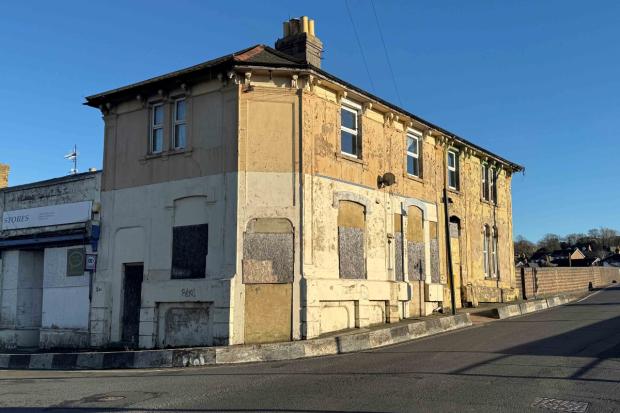
Such was the fame of the story that the Partlands Hotel was eventually renamed the Lilly Deacon. The pub was demolished in 2006, but the old sign survived and has now found its way into another Ryde cellar where, according to Tony, the unexplained activity has started all over again.
But Lilly is just one of thousands of pieces of Island history Tony has assembled at The Smugglers Cat, which opened in May in the former Wight Rock Bar.
The venue occupies the cellar of The Colonnade, the Grade II listed building on the corner of Lind Street and St Thomas Street dating from around 1830. Beneath it is another intriguing survivor from Ryde’s past – the bricked-up entrance to an old smuggling tunnel.
Tony says the tunnel once ran beneath the road to the Crown opposite, where another blocked entrance is said to survive. Its entrance remains clearly visible inside The Smugglers Cat.
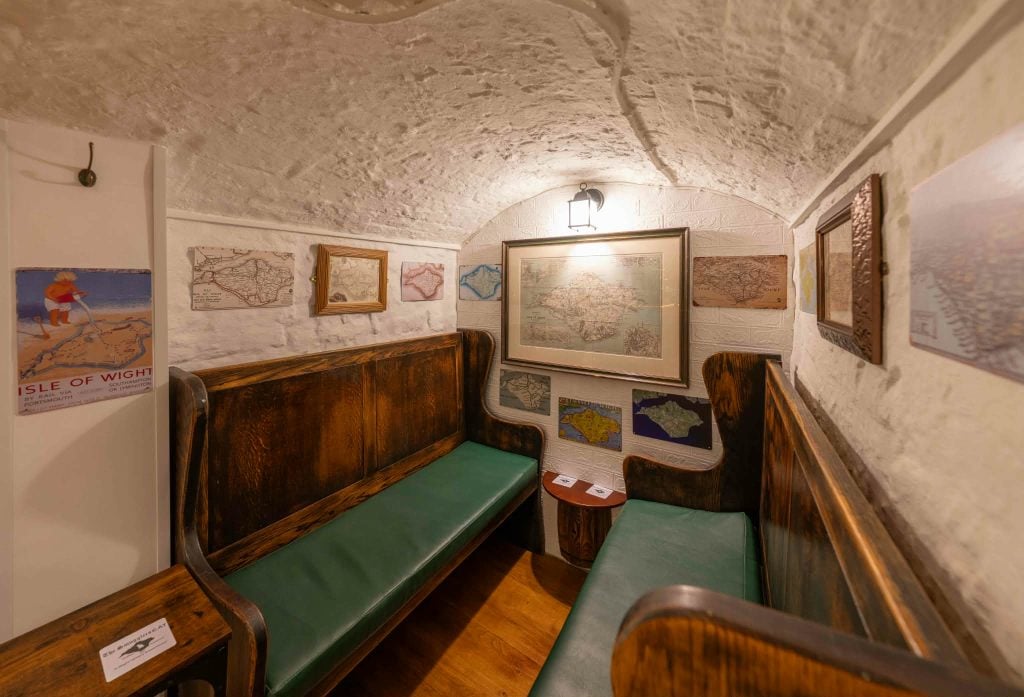
Smuggling is consequently built into the name of the bar, while ‘CAT’ stands for Coffee, Ale and Treasure – the latter being something the premises has in considerable quantities.
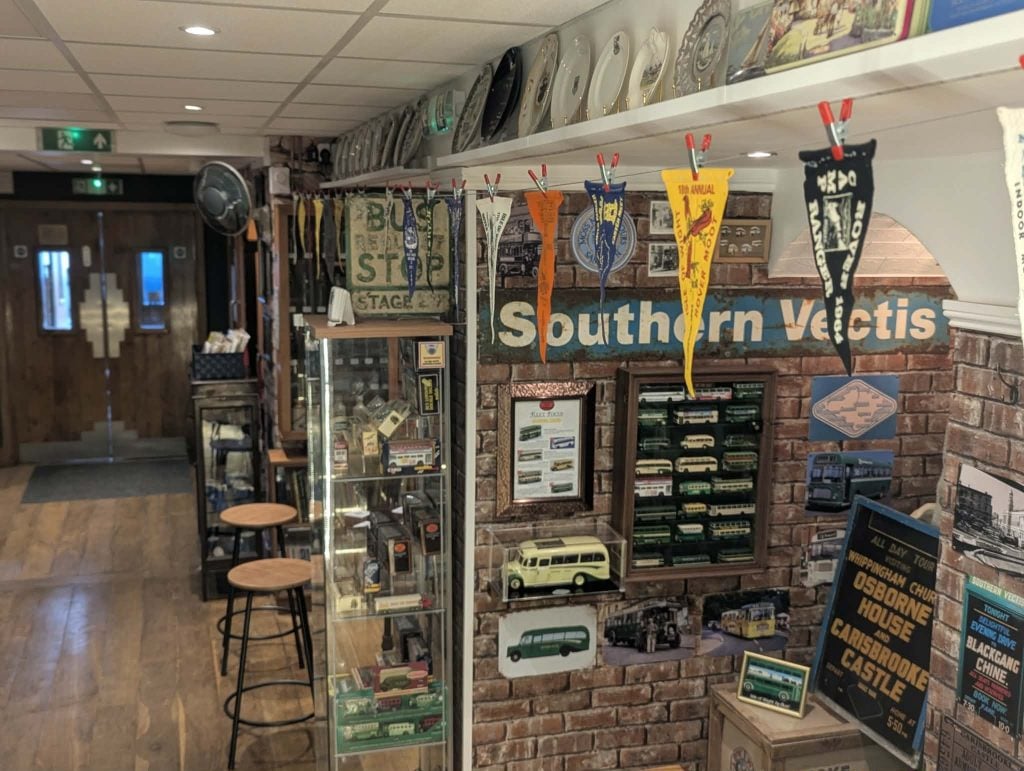
Almost every available space in the cellar reveals another piece of the Island’s past. Tony has collected thousands of objects, ranging from bus and railway memorabilia to Isle of Wight Festival items, old maps, pub signs, bottles, prints and china.
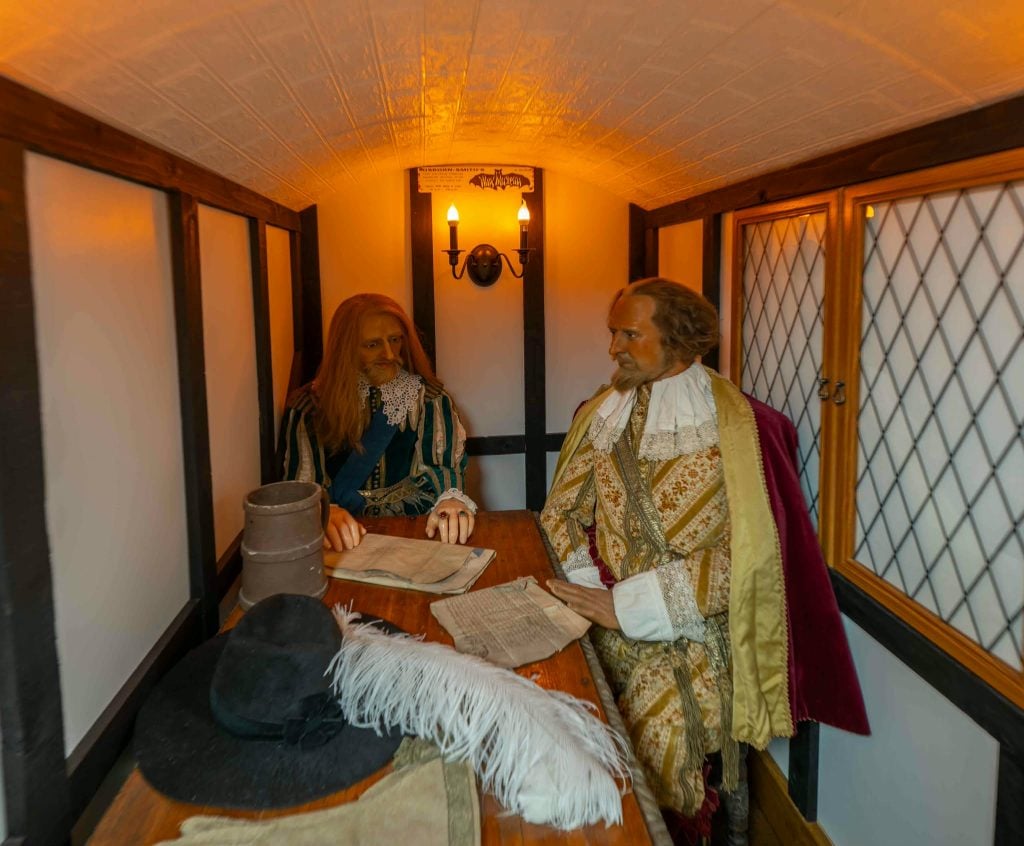
Among the most striking exhibits are the original waxwork figures of King Charles I and Sir John Oglander, once part of the collection at the former Isle of Wight Wax Museum at Brading. Outside is another survivor from a much-loved Island attraction – a representation of a smuggler formerly displayed at Blackgang Chine.
For Tony, who originally comes from Gosport, the collection grew out of an affection for the Island stretching back to childhood. He regularly visited when young, with Shanklin and Blackgang among his favourite destinations, and remembers travelling on the Island’s old 1920s Tube trains and being “thrown about” as they rattled along the Island Line.
Tony eventually moved to the Isle of Wight in 2019 and became increasingly fascinated by its history, heritage and paranormal stories.
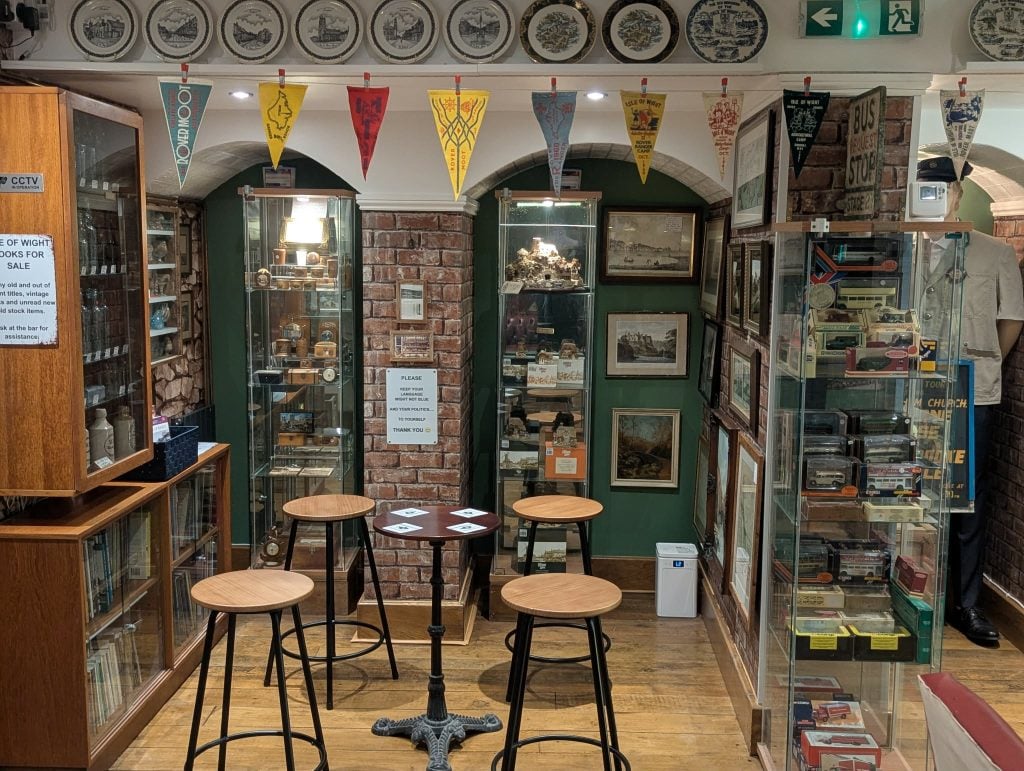
Explaining the idea behind the bar, Tony said:
“The Smugglers Cat was created to be a celebration of the history and heritage of the Isle of Wight.
“Anything that grows Isle of Wight history and heritage can only be a good thing.”
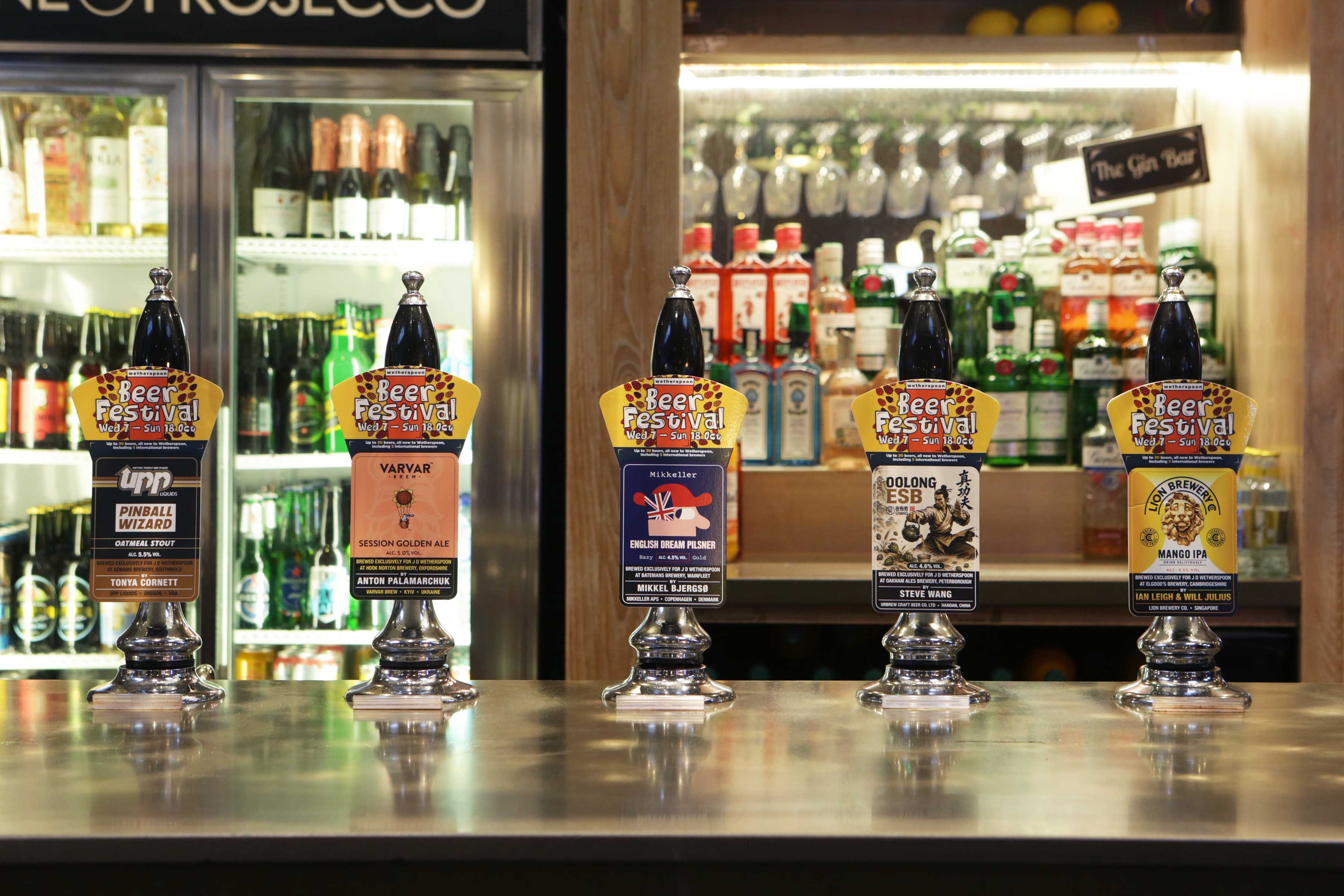
That Island emphasis extends beyond what is hanging on the walls. The bar offers more than 20 Island beers, 17 Island spirits – including 9 different gins – as well as 5 Island ciders, 3 wines and an Island-produced liqueur. There is also locally roasted coffee and a choice of 6 Island teas.
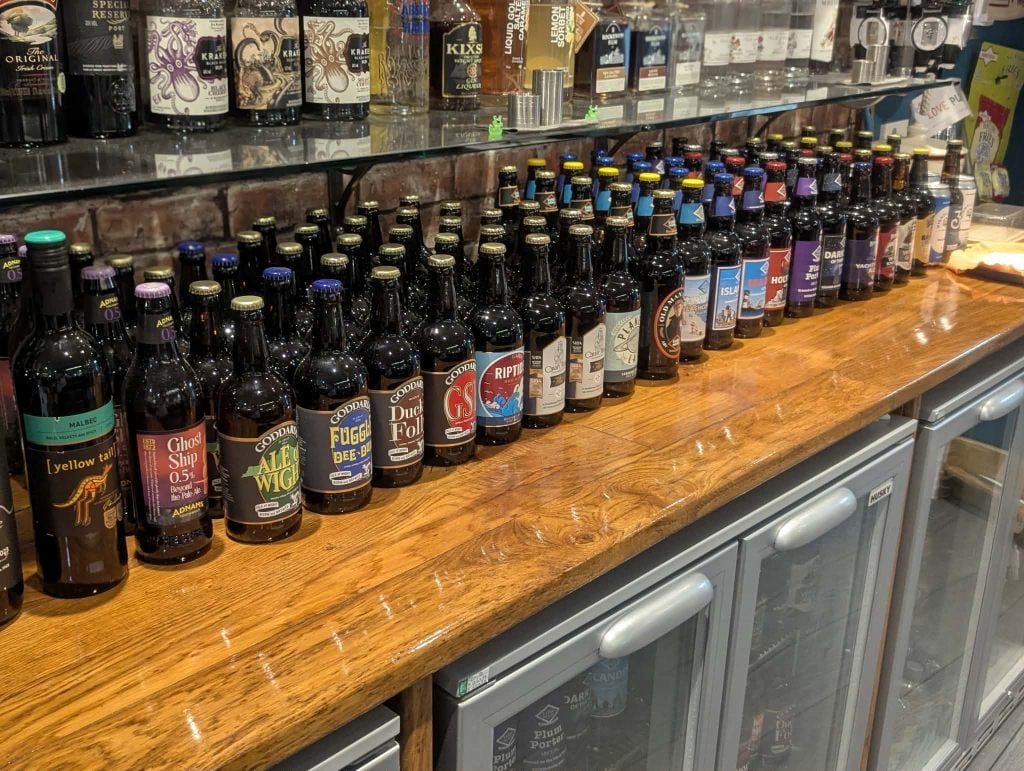
Tony is reluctant to describe The Smugglers Cat as a museum, saying he wanted to avoid creating something “sterile”.
He added:
“It unites Islanders and visitors. It’s designed to complement Isle of Wight history. It’s a place for Isle of Wight history buffs to immerse themselves.
“There is a plethora of items to look at and try. Customers can sit in a different spot every time they come and see something different.”
The Smugglers Cat is also developing a programme of themed events, which have already included Mods & Rockers and Punk Rock evenings.
And, if Tony’s experiences are anything to go by, perhaps Lilly noticed the move.









































Looks great! Well done and good luck in these difficult times.