






















































Most people know Brading was once one of the Isle of Wight’s busiest ports, but did you know that the Eastern Yar was once navigable to Alverstone…?
When archaeologists began excavating beside the Eastern Yar in 2005, they expected to learn more about the valley’s ancient landscape. Instead, the excavation revealed one of the Isle of Wight’s most significant archaeological discoveries.
Among the finds were what are believed to be Britain’s earliest known sweet chestnuts, dating back almost 2,000 years. Because sweet chestnuts are not native to Britain, the discovery is of national significance and suggests Alverstone had links with the wider Roman world at a remarkably early date.


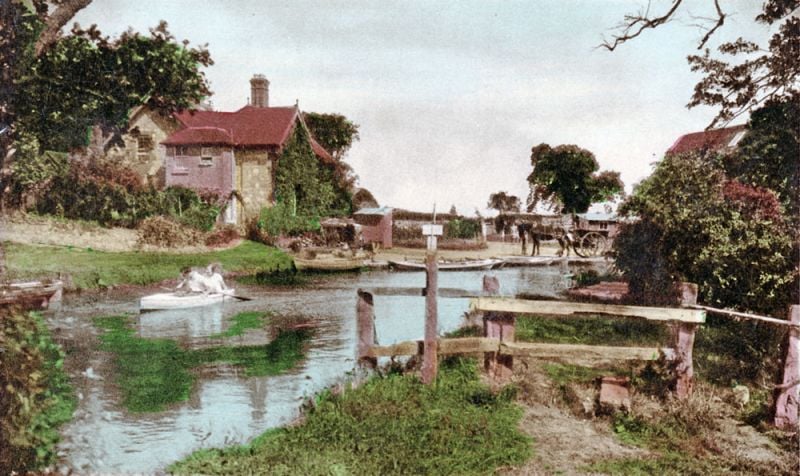
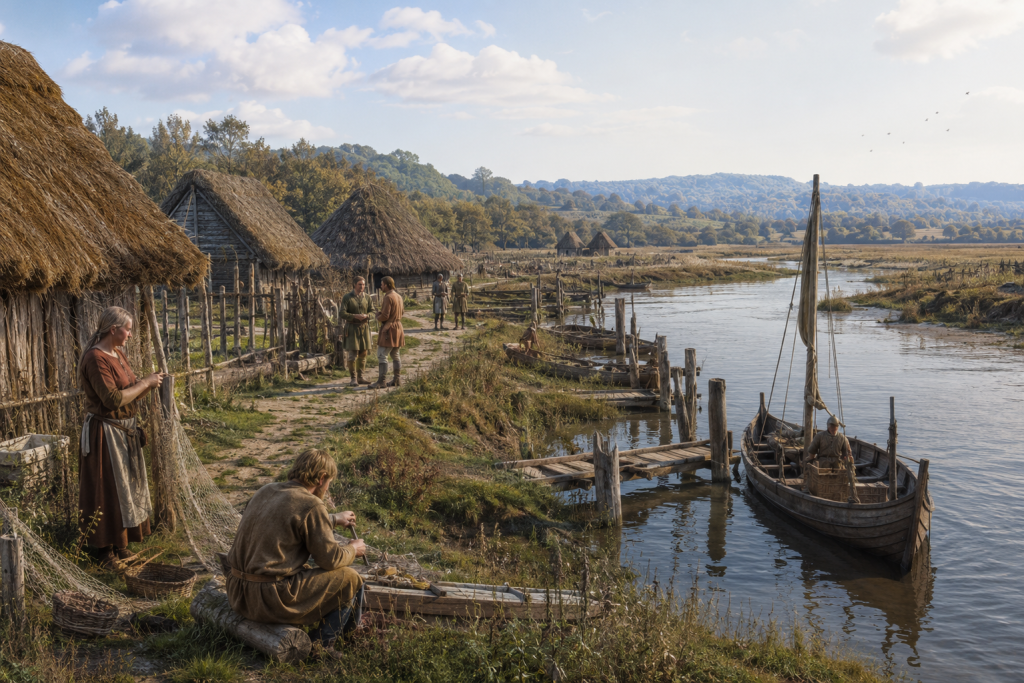
The excavation uncovered much more than ancient chestnuts. Timber structures, causeways and fish traps beneath what are now peaceful meadows point to the Eastern Yar once being navigable as far inland as Alverstone during the Iron Age, Roman and Saxon periods. Together with the nearby Roman road, they suggest Alverstone occupied an important point where river traffic met overland routes.
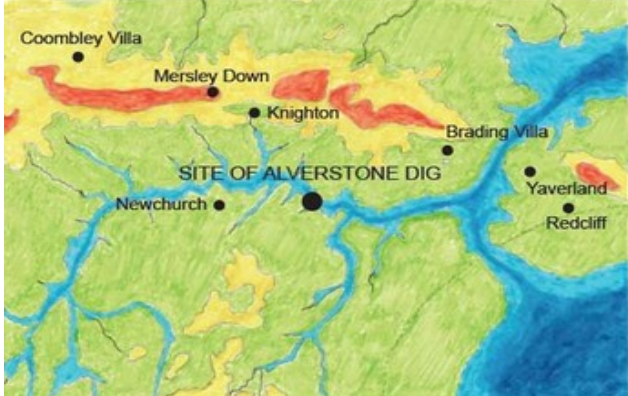
In much the same way that Newport marks the head of navigation on the Medina today, Alverstone appears to have occupied a similar position on the Yar. As the river gradually silted up, the busy waterway disappeared and the settlement became the quiet rural village we know today.
Even the village’s name reflects its antiquity. It derives from the Old English meaning ‘the farmstead or estate belonging to a man called Ælfrēd’, from the personal name Ælfrēd and tūn, meaning a farmstead or estate.
Its spelling evolved over the centuries, appearing as Alvrestone in the Domesday Book of 1086, Alvredeston in 1289, Alverdeston in 1336, Alfredeston in 1346 and Alverston by 1535 before becoming the modern Alverstone.
The Domesday Book records Alverstone as a small manor assessed at one hide, with enough land for two plough teams. It possessed a watermill producing an annual income of 40 pence, while the manor’s value had fallen from 20 shillings before the Norman Conquest to just five afterwards.

One point often causes confusion. Alverstone Manor is not in Alverstone village but south of Shanklin. Historically, however, both formed part of the ancient parish of Brading, and the Manor of Alverstone extended across a much larger estate that included the village itself.
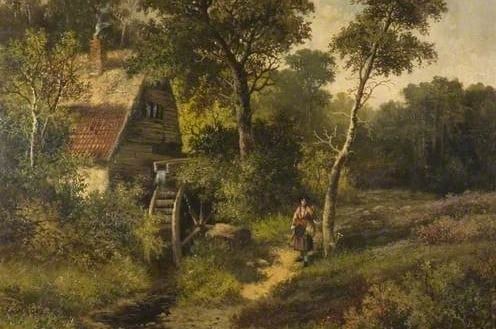
For centuries, the mill remained the heart of the community. Farmers brought their grain to be ground beside the Eastern Yar until changing times finally caught up with it. Following the First World War, imported grain and large mainland flour mills made many traditional Island mills uneconomic, and Alverstone Mill ceased commercial production.
Rather than disappearing, it found a new role as the Alverstone Tea Gardens. Visitors came to enjoy afternoon tea before hiring rowing boats to explore the old mill pond beneath the trees.
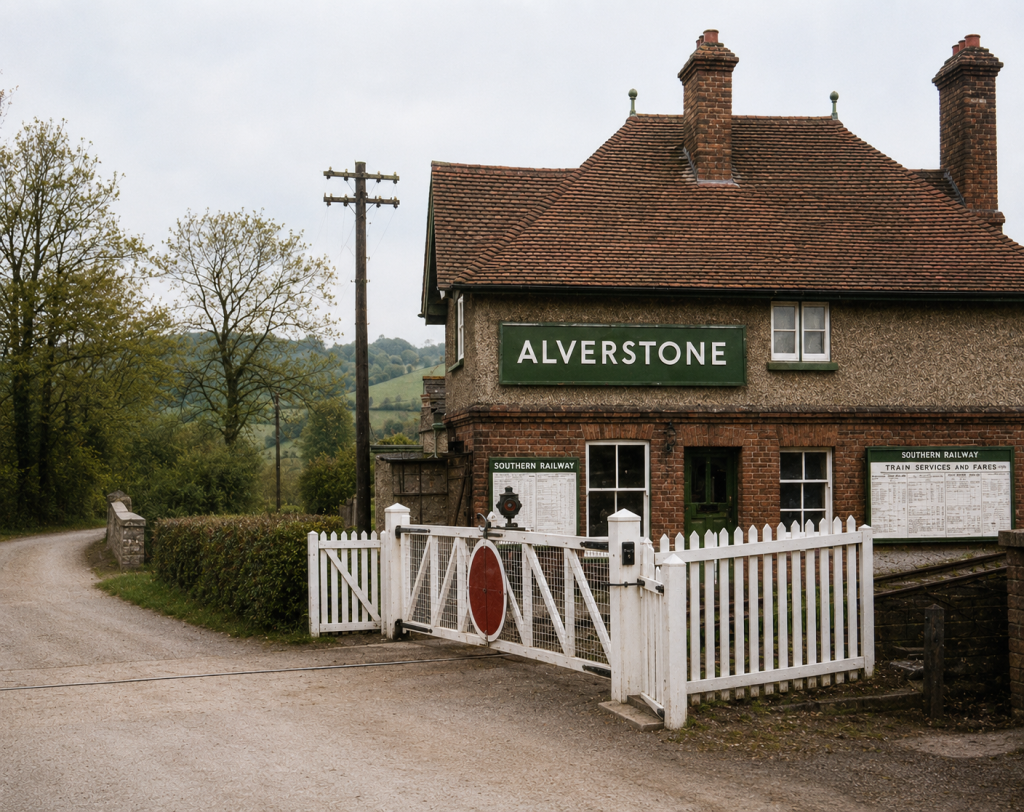
The arrival of Alverstone Station on the Newport to Sandown railway in 1875 made those outings even more popular, bringing generations of day-trippers from across the Island. Although the railway closed in 1956 and the replacement bus service has since disappeared, the former railway line lives on today as the Red Squirrel Trail, carrying walkers and cyclists where steam trains once ran.
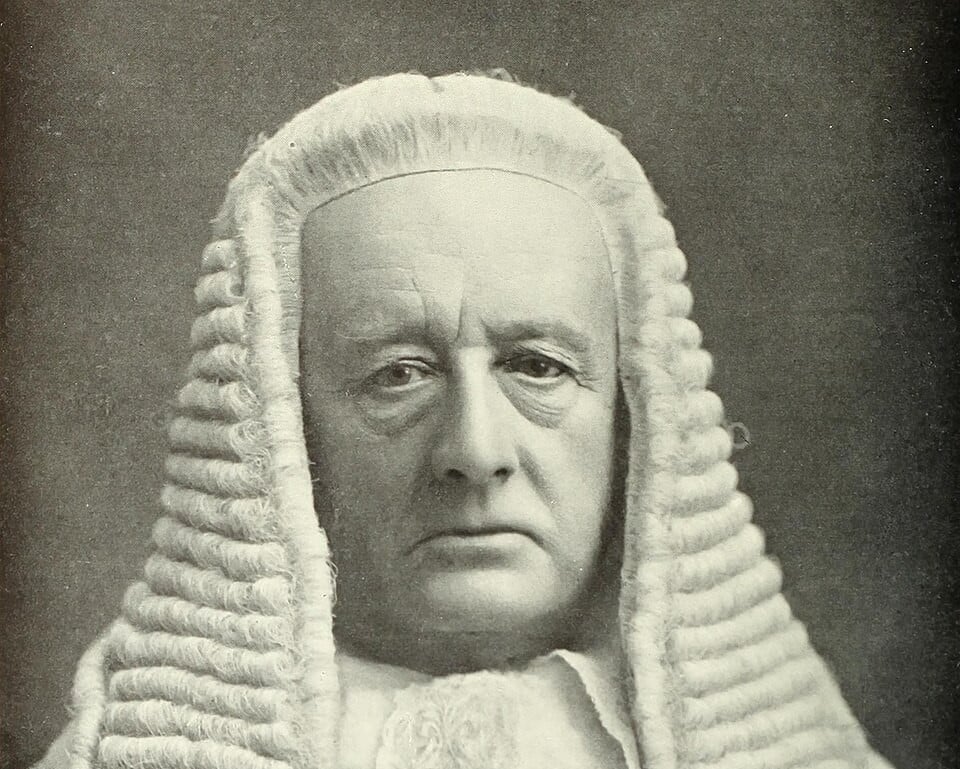
 No individual shaped modern Alverstone more than Richard Everard Webster, later Viscount Alverstone. His father, Thomas Webster, purchased the Manor of Alverstone in 1859, and Richard later inherited the estate. Although he never lived in the village itself, his influence can still be seen throughout it.
Many of the Victorian cottages still standing in the village were built during his ownership, several retaining his initials beneath their roofs. Raised to the peerage as Baron Alverstone before later becoming Viscount Alverstone, he carried the village’s name into the highest levels of public life.
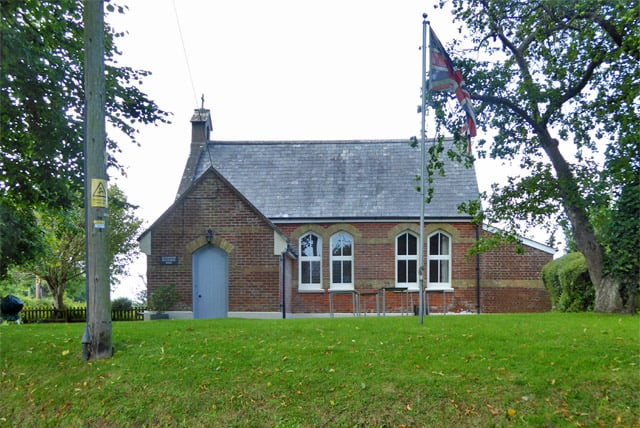
His greatest legacy, however, was local. In 1879 he presented the village school as a Christmas gift to his sister. After her death, she left it to Brading Church on the condition that it should always remain a place of education and entertainment.
When attempts were made to sell the building for housing during the 1980s, villagers fought a five-year court battle to preserve its original purpose. They won, and today the former school continues to serve the community as Alverstone Village Hall.
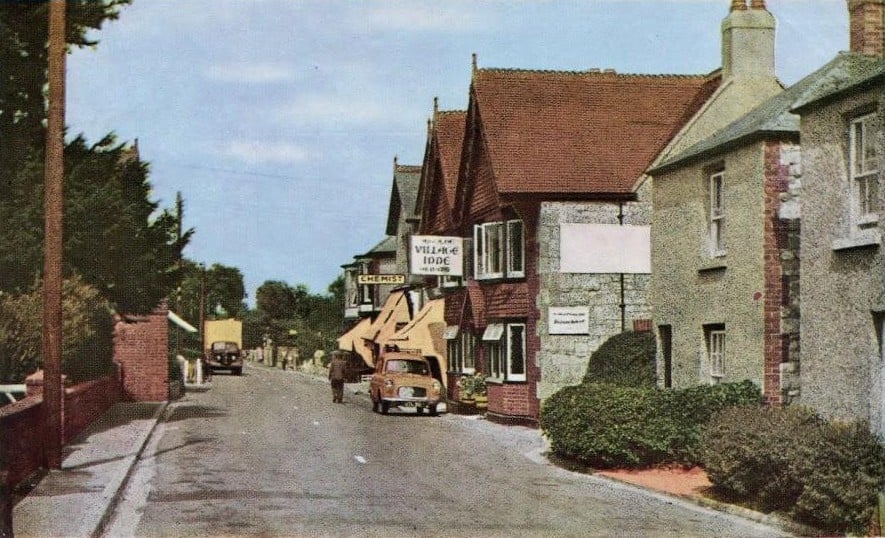
Webster also ensured Alverstone would never develop a public house. A committed supporter of the temperance movement, he prohibited the sale of alcohol in the village, a legacy that survives to this day.
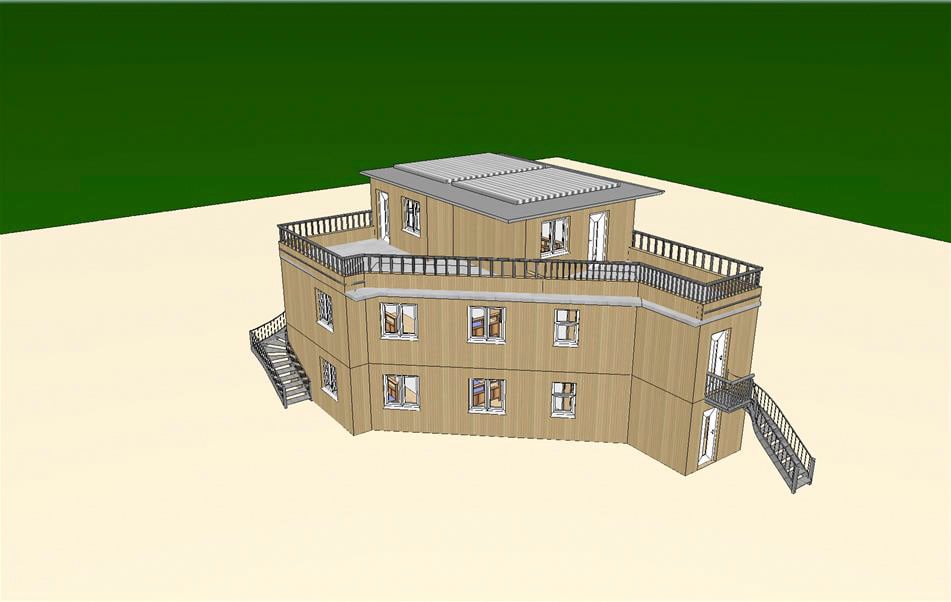
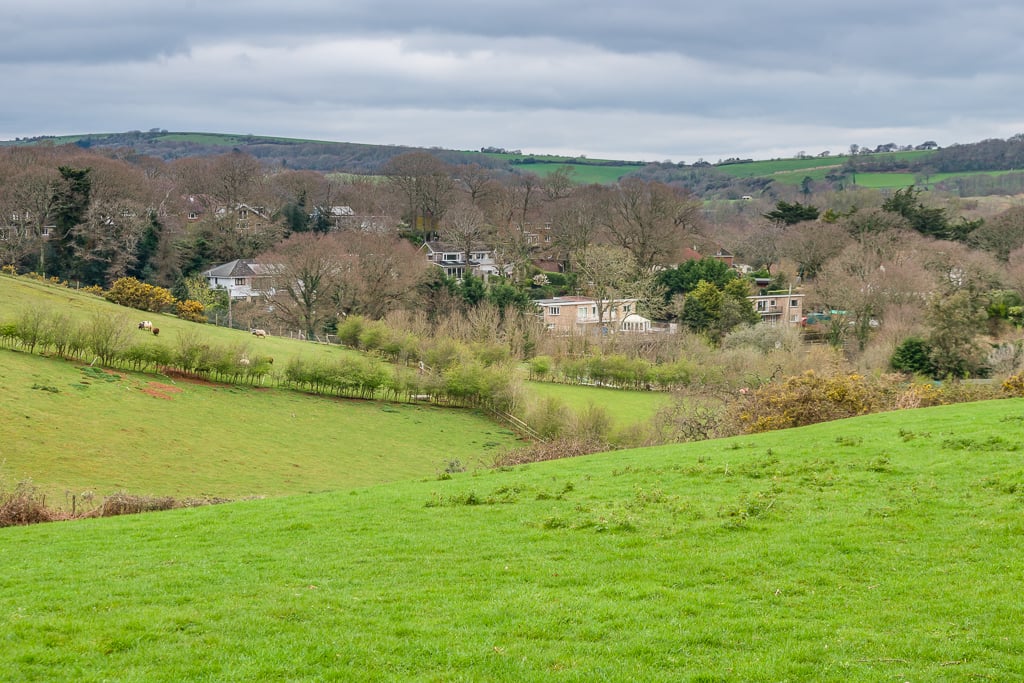
Following Lord Alverstone’s death in 1915, part of the estate became the site of one of the Island’s most ambitious housing schemes. Alverstone Garden Village was planned as a model community of 107 bungalows, each standing in at least a quarter of an acre, together with tennis courts, public gardens and a village hall.
Because bricks were scarce after the First World War, the houses were to be built from concrete blocks manufactured on the site. On 1st October 1923, Sir Edgar Chatfeild-Clarke, the Isle of Wight’s MP, laid the foundation stone, which can still be seen today in the wall of The Lodge.
Progress proved slow, with only 16 households recorded in 1935 and 17 by 1951, while the tennis courts, public gardens and village hall never progressed beyond the drawing board. Although the original vision was never fully realised, the development gradually grew into the community seen today, adding another chapter to a story that stretches back 2,000 years.









































Thanks Island Echo. Excellent article.
Nice to be informed of the island’s lesser known history.
ps. Not quite sure about VBiscount though?
Great article.
If only people stopped playing with nature such things would
remain in place today.
He was also Master of the Rolls and subsequently Lord Chief Justice.