




























































 More people die at the South East coast during the busy summer months of June, July and August than at any other time throughout the year, according to figures released by the Royal National Lifeboat Institution (RNLI) today (Tuesday).
With the summer holidays well underway, research from the lifesaving charity shows less than a quarter (22%) of people in the region say they would call 999 immediately to request help if they saw someone fall into open water.
The number of non-fatal incidents is also highest during the summer, with the charity’s lifeboat crews and lifeguards in the region responding to most emergencies during this time. The charity is reminding people to dial 999 and ask for the Coastguard in the event of an emergency at the coast.


Over the past 5 years, there have been 65 deaths at the south east coast during the summer months of June, July and August – more than at any other time of the year.
This is also the busiest time of year for the RNLI’s lifesavers overall. Last summer, the charity’s lifeboat crews in the south east launched their lifeboats in response to 625 emergencies, nearly half (48%) of their total call-outs for the year. Meanwhile, RNLI lifeguards in the region responded to 1,252 incidents on beaches during June, July and August.
As part of the RNLI’s drowning prevention campaign, Respect the Water, the charity is calling on the public to help save more lives by remembering and sharing key survival skills.
• If you see someone else in danger in the water, fight your instincts to go in after them and instead call 999 and ask for the Coastguard.
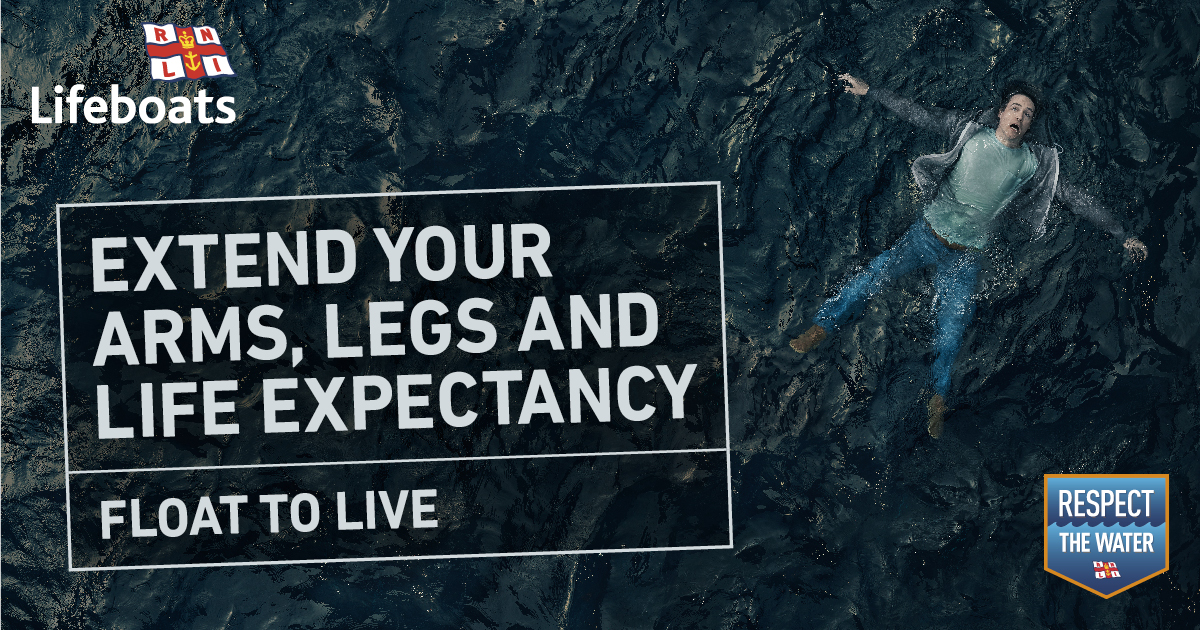
• If you fall into cold water, fight your instincts to swim hard and thrash about. Instead, float for 60–90 seconds until the effects of cold water shock pass and you can catch your breath before then swimming to safety or calling for help.

Guy Addington, RNLI Community Safety Partner for the South East, said:
“With summer holidays upon us and hopefully some hot weather, our fantastic beaches are naturally a draw for many people – but sadly this also means more people tragically losing their lives or getting into serious danger at the coast.
“We need to start a national conversation that encourages people to fight their instincts around water, so we are asking people to remember and share two skills”.
Anyone planning a trip to the beach is advised by the RNLI to choose a lifeguarded beach and swim between the red and yellow flags, which is the area most closely monitored by the lifeguards.