









































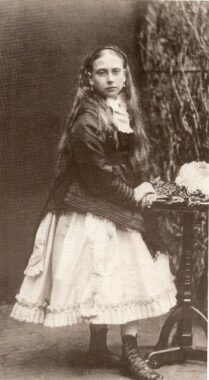
On this day in 1944, Princess Beatrice – the youngest child of Queen Victoria and Governor of the Isle of Wight – died at Bantridge Park, Sussex, at the age of 87.
As the last of Victoria and Albert’s 9 children, Beatrice was called ‘Baby’ by her family well into adult life. She had a sad and lonely childhood, following the death of her father Prince Albert in 1861, which left her mother grief-stricken.
Beatrice grew up to be quiet and reserved. But she was indulged more than her brothers and sisters and could be naughty. In 1862, she was said to have shut her governess in the barracks at the children’s miniature fort in the grounds at Osborne, and demanded that she bark like a dog to be released.


Beatrice’s intended role in life was to be her mother’s companion and helper. Marriage seemed unlikely.
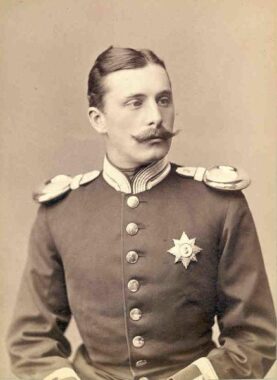
In 1884, the then 27-year-old Beatrice fell in love with the handsome Prince Henry of Battenberg, Victoria initially reacted frostily, determined to keep her daughter by her side. When Beatrice announced her intention to marry Henry, the queen did not speak to her for months, and mother and daughter communicated only by writing.
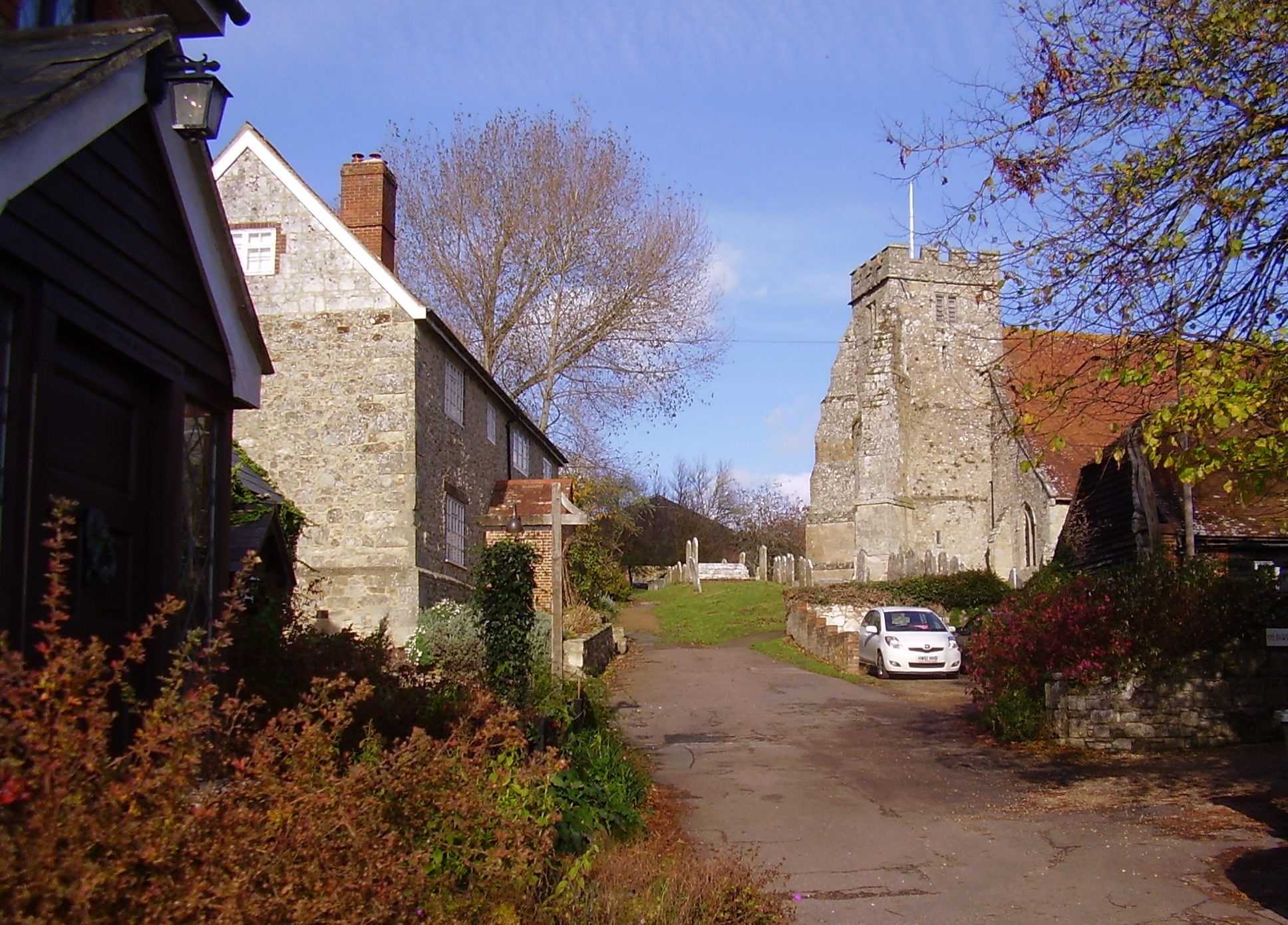
Victoria eventually allowed the marriage, but on the strict condition that she and her husband made their home with her on the Isle of Wight. Princess Beatrice and Prince Henry married at St Mildred’s Church, Whippingham, on 23rd July 1885. The couple’s 4 children were born between 1886 and 1891.
In 1889, Queen Victoria made Prince Henry Governor of the Isle of Wight, but he grew restless under the thumb of his strict mother-in-law at Osborne. When he escaped on a trip to Corsica, the queen sent a warship to take him home.
In 1895, Prince Henry persuaded the queen to let him travel to West Africa to fight in the Ashanti war. However, he caught malaria while in Africa, and died in January 1896 on the return journey.

After the death of her husband in 1896, Beatrice succeeded him as Governor of the Isle of Wight. She remained the queen’s companion and unofficial secretary, living at Osborne Cottage on the Osborne estate.
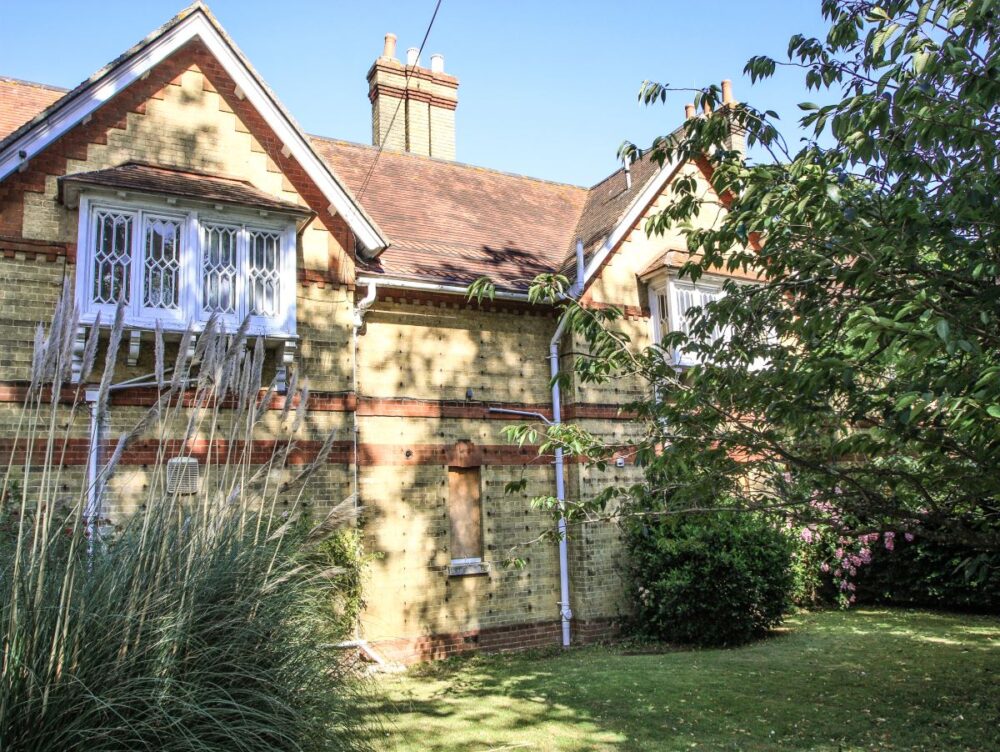
When Queen Victoria died in 1901, Princess Beatrice remained at Osborne Cottage. However, the traditional residence of the Isle of Wight’s governors was at Carisbrooke Castle. It became vacant after the death of the deputy governor in 1913, Princess Beatrice then decided to make the governor’s residence at the castle her summer home.
Princess Beatrice had strong links with Carisbrooke Castle before living there. In 1898, she opened a museum in the gatehouse – which later became the Carisbrooke Castle Museum – focused mainly on Charles I, who had been held prisoner there in 1647–8.
Beatrice moved into the governor’s residence at the castle after making some alterations – such as adding a bathroom – to make the castle more up-to-date. In 1913, the princess created a private garden in the walled area in the south-west corner of Carisbrooke Castle, behind St Nicholas Chapel.
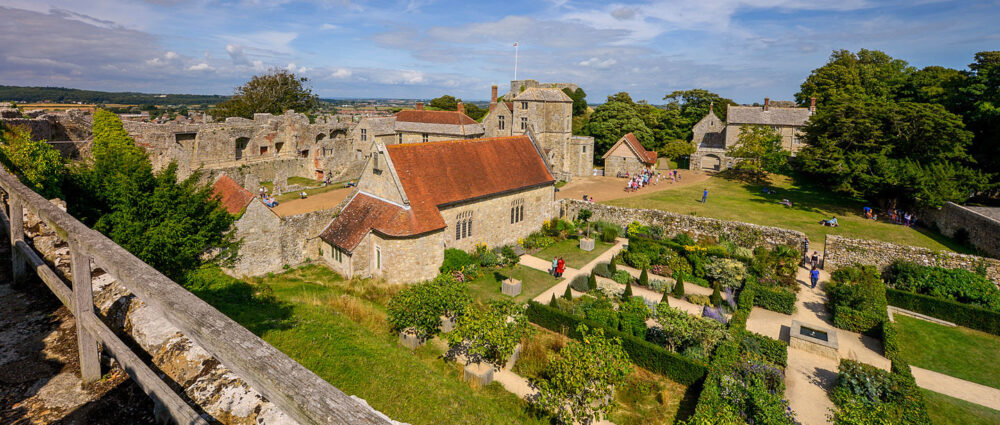
Princess Beatrice also supported the restoration work on the Chapel of St Nicholas at Carisbrooke Castle. In 1919, a decision was made to transform it into a memorial to the men of the island who had died in the 1st World War. The names of the 2,000 island men killed in both world wars are inscribed on stone panels between the windows. Princess Beatrice commissioned the altar painting in memory of her youngest son, Maurice, who was killed at Ypres in 1914.
For 25 years, until 1938, Princess Beatrice’s personal standard flew over the Carisbrooke Castle keep when she was in residence.
Princess Beatrice is buried beside her husband at Whippingham Church.