


































Some of England’s most rare and threatened species – from the Large Marsh Grasshopper, native White-Clawed Crayfish to Lapwings and Water Voles – are to be supercharged on the road to recovery thanks to a multi-million-pound grant scheme.
63 projects across the country have been awarded a share of £14.5million by Natural England to help recover 150 species nationwide.
The Species Recovery Programme Grant Scheme supports targeted action to recover our most endangered species. The funding will support efforts to fine-tune habitat conditions for our rarest species, and actions such as propagation, captive rearing, translocations, research and solution-trialling to find the best approaches to enable endangered wildlife to survive and thrive.

The National Trust White Cliffs and White Chalk Species Recovery project will support the recovery of specialist flora and fauna in 2 iconic landscapes – the White Cliffs at Dover and here on the Isle of Wight.
The focus is on a diverse range of invertebrates and plants which share a number of similar requirements for targeted chalk and clifftop grassland management. To help achieve this, there will be improved mowing, focussed livestock grazing and scrub management on often difficult terrain.
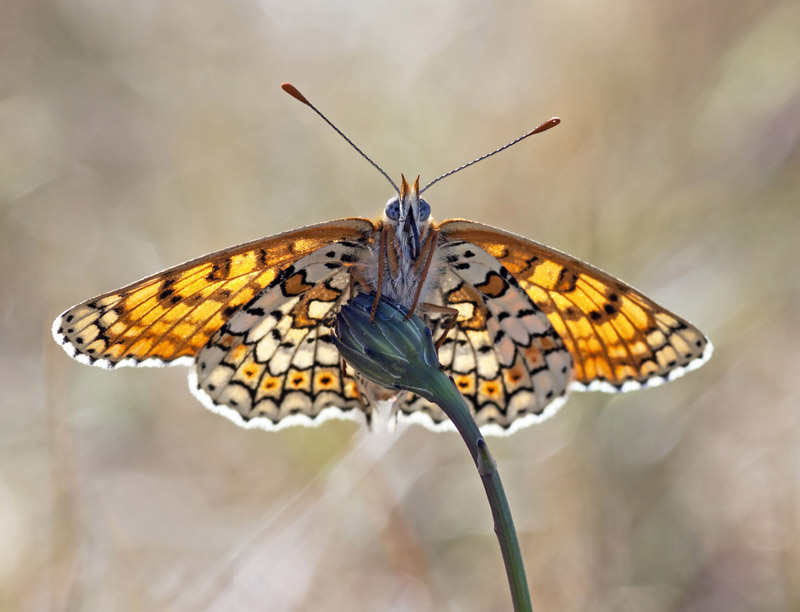
The flora and fauna species being recovered includes Early Gentian, Oxtongue Broomrape and Yarrow Broomrape plants; Potter Flower, Cliff Furrow bees; Rest Harrow, Straw Belle, White Spot and Dew Footman Moths and the Glanville Fritillary Butterfly.
Allison Potts, Natural England Area Manager, said:
“I’m delighted that Natural England has awarded funding to this important project. Against the backdrop of the climate and biodiversity emergencies, this type of positive targeted action for threatened species will make a big difference.
Article continues below this advertisement “As the amazing biodiversity of these iconic landscapes flourish under the stewardship of the project partners, residents and visitors alike will be able to enjoy seeing these rare plants and animals making their comeback.”
Robin Lang, National Trust Countryside Manager Isle of Wight, said:
“The Species Recovery Programme is a great opportunity for us to build on many years of habitat management on the cliff top and chalk grasslands of the Isle of Wight, and to focus on some of our rare and unsung species.
“This includes nationally significant populations of rarities such as the Glanville Fritillary butterfly, the Dew Moth, and plants including Yarrow and Oxtongue Broomrapes.
“With catastrophic declines in rare species over the last 80 years, it’s vital that we look after those for which the National Trust holds a significant proportion of the UK’s population.
“While the charity’s staff and volunteers have worked tirelessly to conserve these species from as early as 1922 when we acquired St. Boniface Down for the nation, this support from Natural England will give our management that extra push it needs to ensure the long-term survival of our most fragile wildlife.
“We’re looking forward to working with local volunteers over the next 18 months in continuing to care for these landscapes.”






There will be more catastrophic losses if the Isle of Wight Council planning office have anything to do with building the concrete jungle!!!!!
Every day more houses/rabbit hutches are being built….
More Greenfield sites are disappearing , why ? Greed , they use the excuse half a dozen affordable homes, 200 fat profits…..
Our future generations will never know a lot of flora and fauna, and and and that’s so sad
Quite agree, Miss S – when I was a Nipper – this once beautiful part of Britain was known as “the Garden Isle”, Now – it’s not.
Also when you were a nipper women knew their place and young girls knew not to speak up. Take your rose tinted glasses off. The air was awful with fog so thick with smoke many could not go out. And would hang about for days. And then there was mother and infant mortality. And in the 70’s, the island looked like the ‘a’ hole of the UK.
Oh dear, what a little ray of sunshine you are, not an Isle of Wighter, obviously.
I urge you to get out into the Islands rural areas. 85% of the Island is empty! These comments about covering the Island in concrete are nonsense