









































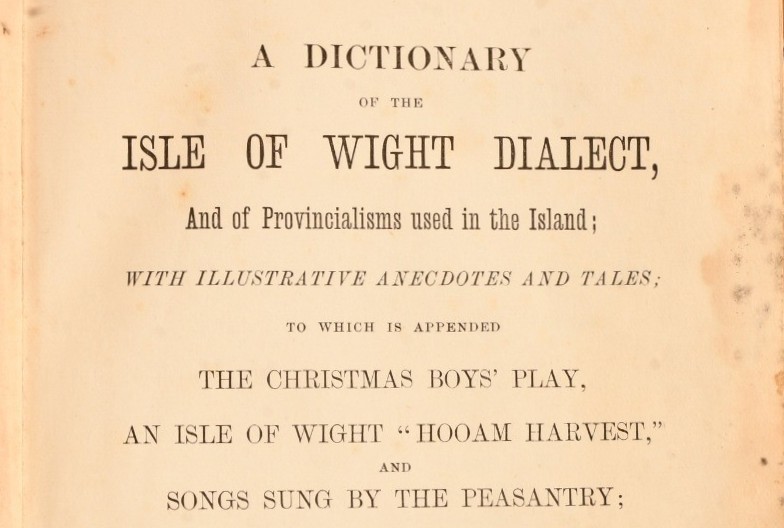

Ever heard an Isle of Wight baby’s feeding bottle called a ‘titty-bottle’? The curious expression was among dozens recorded when William Henry Long published his famous Isle of Wight dialect dictionary in the spring of 1886.
If the phrase sounds unfamiliar, you’re not alone. But it was once perfectly normal Isle of Wight speech and was just one of many everyday expressions recorded by Long in A Dictionary of the Isle of Wight Dialect, and of Provincialisms Used in the Island.
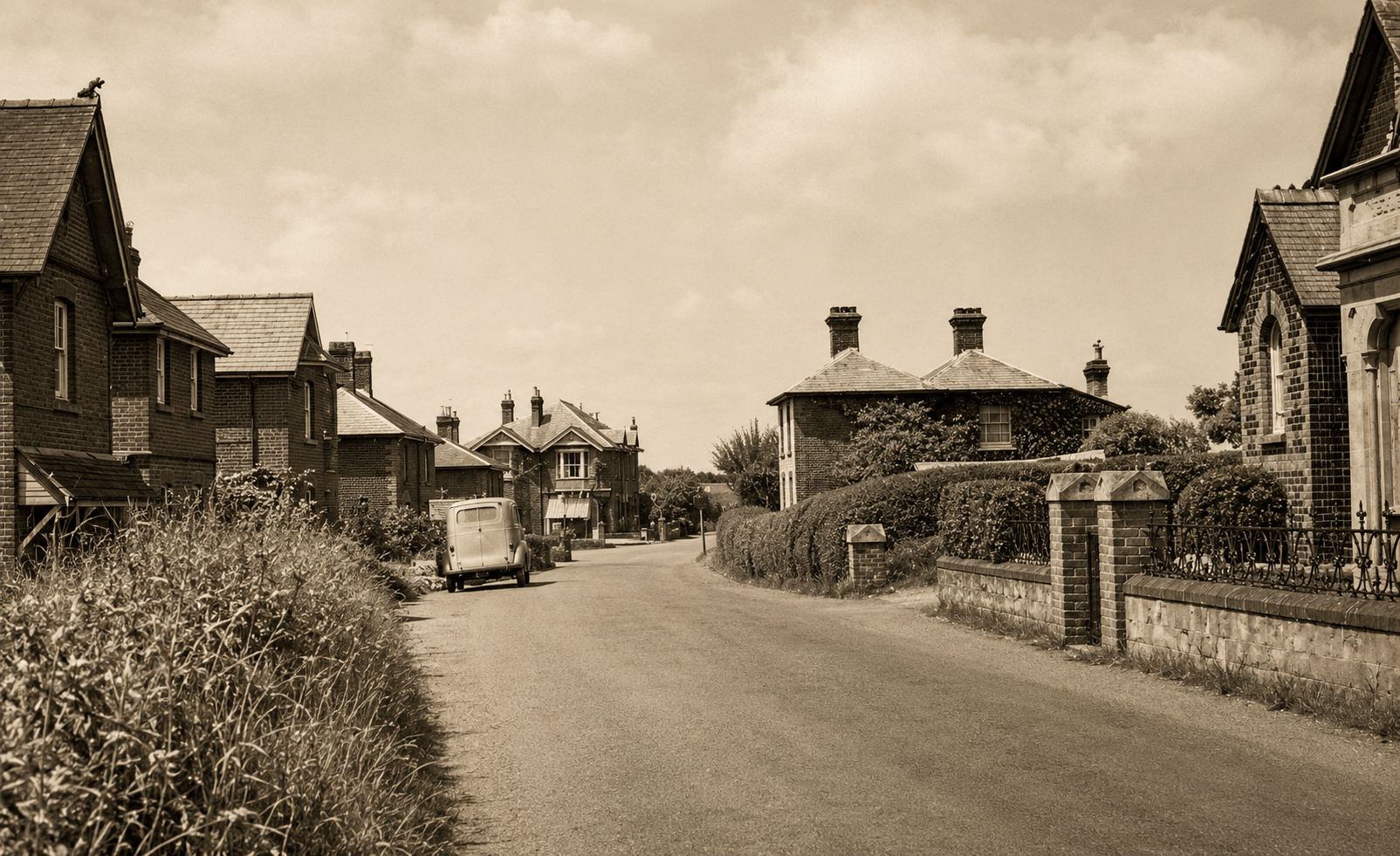
His book captured the colourful language once heard in farmyards, cottages and village lanes across the Isle of Wight.

And the vocabulary he preserved could be wonderfully strange.
There were scarecrows known as gallybaggers, caterpillars mallishags, and snacks taken to the fields known as nammits.
Someone who was confused might be described as bumble-headed, while a particularly hopeless fellow could even be labelled a bumblekite.
If you’re curious to discover more wonderfully odd Isle of Wight expressions, read on…
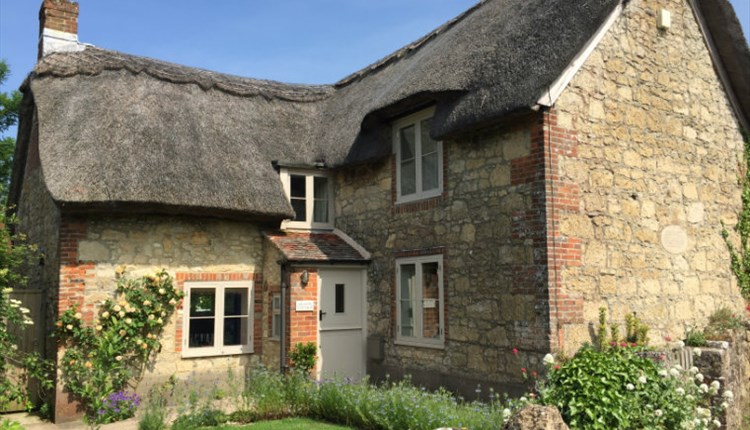
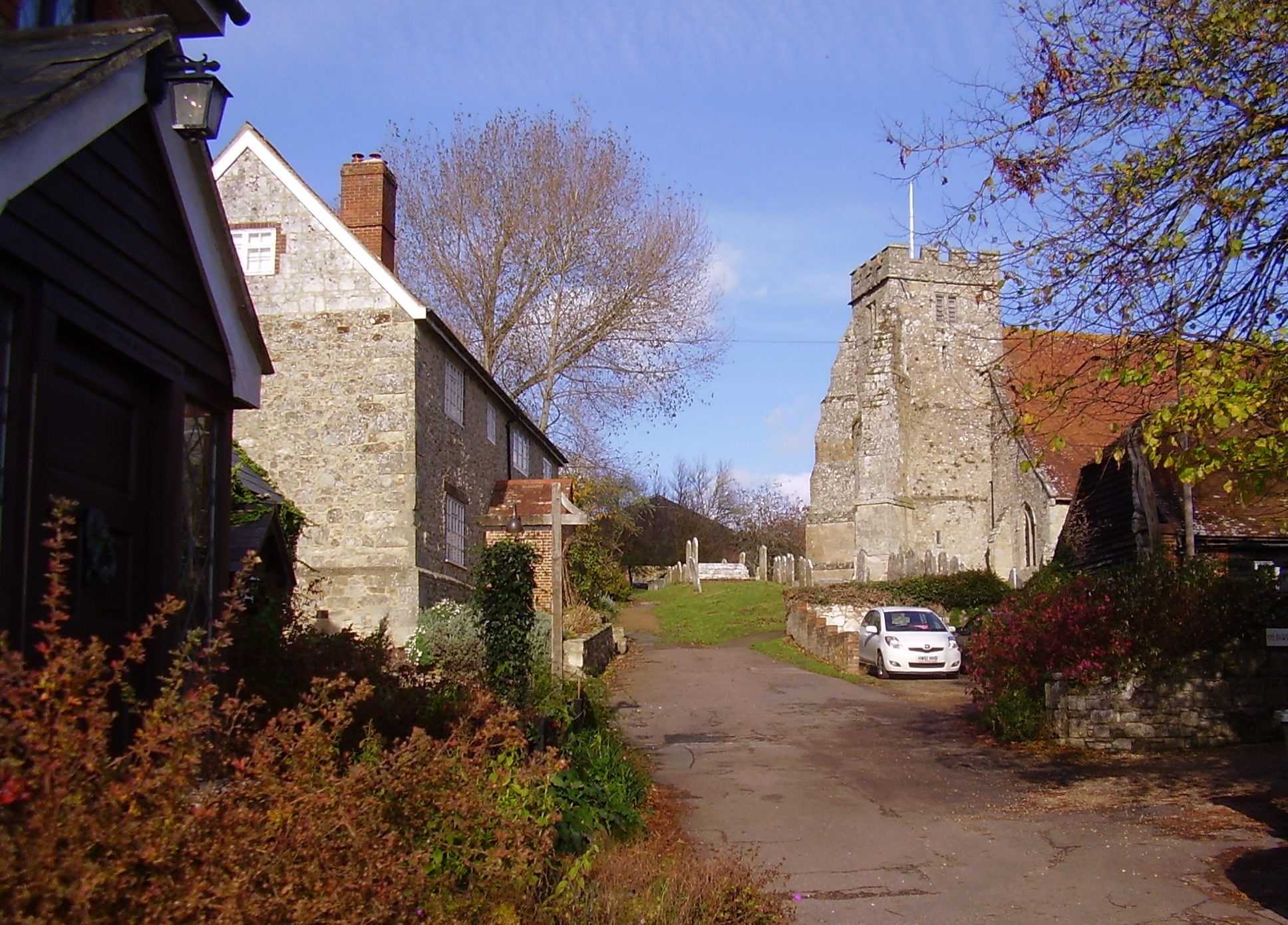
William Henry Long was born at Calbourne on 6th October 1839 and spent part of his childhood living with his grandparents in the village. Later, he moved to the mainland, eventually settling in Portsmouth where he worked as a bookseller.
Although he spent much of his adult life away from the Isle of Wight, Long clearly retained a strong affection for the speech and customs of his birthplace. By the late Victorian period he had become concerned that the distinctive voice of rural Isle of Wight communities was beginning to disappear.
Education, travel and changing social habits were gradually smoothing away the old dialect. Words that had been used for generations in cottages, farmyards and village inns were slowly fading from everyday conversation.
Long decided to preserve them before they vanished altogether.
The result was far more than a simple glossary. His dictionary recorded dozens of words, phrases and examples of how Islanders actually spoke, offering a glimpse into everyday life earlier in the 19th century.
Some of the expressions he captured remain wonderfully vivid today.
A bad-tempered or quarrelsome person might be described as fratchy.
Someone who chewed their food loudly could be said to yamble, a word that somehow manages to sound exactly like the noise it describes.
Another memorable Isle of Wight insult was hoddypeak, used for someone considered rather simple-minded.
Meanwhile, if someone was extremely eager about something – perhaps a village fair, feast or piece of juicy gossip – they might be described as being agog.
Long also preserved examples of how Islanders spoke in conversation. The dialect shared similarities with West Country speech, particularly in its use of the verb “be”.
Instead of asking “Where are you going?”, an Islander might say:
“Where be ’ee gwain?”
Someone praising a neighbour might remark:
“Her be gurt proud.”
And a simple refusal could be expressed as:
“I bain’t goin’.”
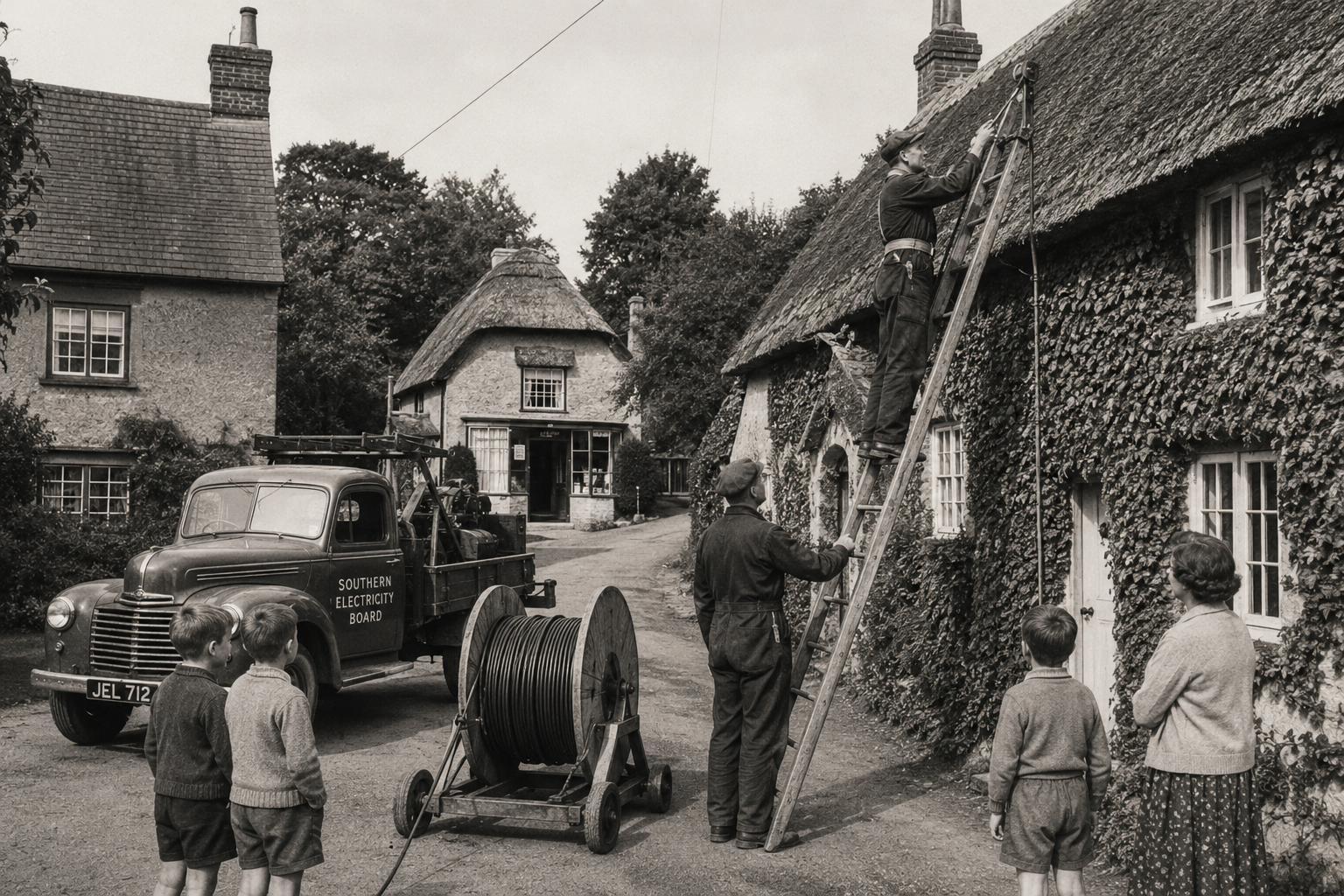
Such phrases were once heard regularly across the Isle of Wight’s villages and farms during the early and mid 19th century.
William Henry Long died in Portsmouth on 11th June 1896 at the age of 56. But thanks to his efforts, the wonderfully colourful language of old Isle of Wight speech was not lost.
Today many of the words he recorded survive only in dialect collections and local history books, though a few – such as gurt – can still occasionally be heard in everyday conversation.
Yet the curious vocabulary captured by Long – from gallybaggers and mallishags to bumblekites and hoddypeaks – remains a vivid reminder of the Isle of Wight’s rich linguistic past.
Do you remember hearing Isle of Wight dialect words growing up? Which ones did your parents or grandparents use? Share your favourites in the comments below.









Remember those you have printed here. Anyone know where I can purchase this book please.
I bought a couple of copies/reprints in, I think, a bookshop in Cowes. The publisher is Forgotten Books. http://www.forgottenbooks.org.
https://www.forgottenbooks.com/en/books/ADictionaryoftheIsleofWightDialect_10241278
So much in the article reminds me of my father’s way if speaking, from “titty-bottle” onwards. He was, of course, Newport-born in 1910. I must admit, though, that my mother, born in Ventnor in the same year, did not use the same expression! Gendered vocabulary!
My stepmum, Island-born in the 1930’s, wouldn’t answer the door whilst “in her dizzables” , meaning she was still in her long nightie & dressing gown. It’s from the French verb “déshabiller” meaning “to undress”.
My father, whose IoW ancestors went back 450 years, once called me “quite longheaded” which I took as a compliment as it means “reasonably intelligent” ! Backhanded compliments were common too, such as ” Yer not ‘alf as green as yer cabbage-lookin’ are ya?”.
Another Island relative born in the 1920’s described an attractive woman as “ever so comely”. He was a mechanic; if an old car was troublesome he’d take a spanner under the bonnet, saying ” Aar..She’m be a bitch..Give ‘er ‘ere..I’ll ‘av ‘er!”.
Ah yes, the Island dialect is nothing if not colourful 🙂
When I started work in 1955 ten o clock am was Nammit time and I think it still is
I remember years ago asking the owner of the cafe by the ferry docking point in Yarmouth if her husband was perhaps Turkish. She explained that the Nammit on the sign was Isle of Wight for snack!
I believe the cottage in Calbourne is now a stunning holiday let and that a copy of Long’s book is to be found within.