















































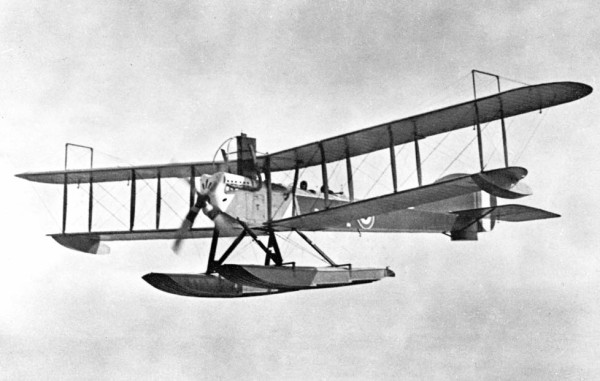

An Isle of Wight-built seaplane became the 1st to sink a U-boat in the English Channel some 106 years ago on 18th July 1917.
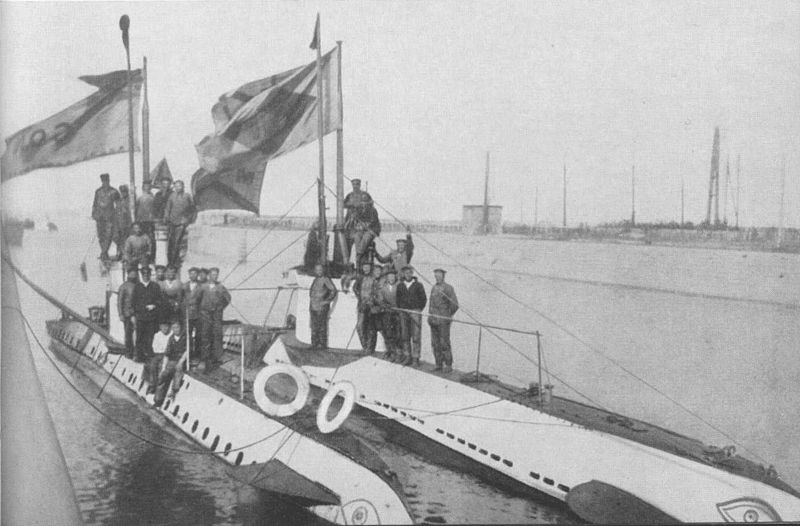
The seaplane – flown by Flt Sub-Lieut C S Mossop and Air Mechanic A F. Ingledew – sank the German submarine UB-32 with a single 100lb bomb. The ‘Unterseeboot’ had put paid to 22 ships in 16 patrols. Its wreck was found in the 1980s and identified as UB-32 in 2021.
The seaplane that sank the U-boat was a Wight Converted seaplane, built at J.S. White’s at the mouth of the River Medina.


Developed from the Wight Bomber for use as an anti-submarine patrol aircraft, the converted seaplane was an adaptation of the landplane bomber. The biplane had twin floats under the fuselage and additional floats at the tail and wing tips. Its normal bomb load comprised 4x 100lb anti-submarine bombs.

50 Wight Converted Seaplanes were ordered for the Royal Naval Air Services (RNAS), of which 37 were completed. The seaplanes entered service in 1917, operating from bases at Calshot, Dover, Portland and Cherbourg, a grouping that was to become No 241 Squadron of the RAF in 1918.
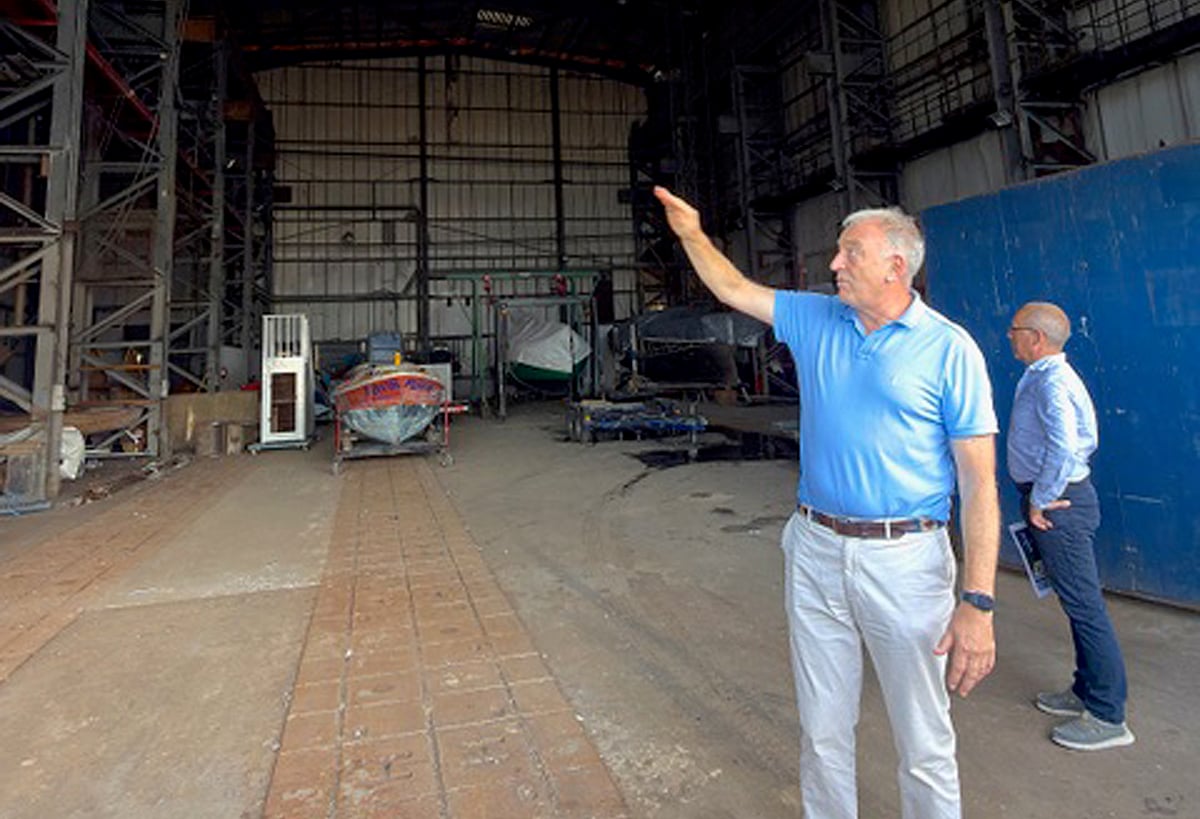
J.S White began constructing aircraft in the Gridiron Shed at East Cowes in 1912. Howard T. Wright was general manager and chief designer. The aircraft built were called ‘Wight’- a combination of White and Wright promoting the location of their production.
In 1916, the company moved its aircraft manufacturing facilities across the Medina to Cowes. White’s purchased the land which became Somerton Airfield, setting up a factory on the east side of the Cowes-Newport road.
Aircraft manufacture continued until the end of WW1. White’s ceased aircraft production on 21st January 1919 and closed their aircraft department 6 months later.











Amazing history hidden forever in the sea.
At Broadlands House there are remains of UB-40
Remains? I thought they were still touring
Great comment – love it!