




























































The Isle of Wight has always been defined by its history, natural beauty, and a strong sense of identity. From Roman ruins to Victorian seaside resorts, the island has a heritage that is instantly recognisable and deeply cherished by its residents. At the same time, modern life is steadily weaving itself into the fabric of the community. Technology, new housing, sustainable practices, and updated infrastructure are reshaping daily experiences without erasing the qualities that make the island unique. Balancing the old with the new is a challenge, but it is one that the Isle of Wight appears to be managing with care and determination.
Tradition Meets Innovation in Leisure
The island has a long tradition of festivals, local gatherings, and cultural events that bring people together. Modern life has added new forms of entertainment and faster access to services that complement these traditions rather than replace them. For instance, in an under 1 hour withdrawal casino, UK players can enjoy perks such as speed, transparency, and digital convenience, mirroring the wider demand for efficiency in many aspects of leisure. The same expectation of quick, smooth service can be seen in how locals now book tickets online for the Isle of Wight Festival, check bus timetables through apps, or stream performances from home when they cannot attend in person. In each case, technology does not diminish tradition—it adapts it to modern expectations.
Preserving Historic Sites
One of the most striking features of the Isle of Wight is its abundance of historic landmarks. Castles, stately homes, and ancient churches dot the landscape, telling stories of centuries gone by. Preserving these sites has always been a priority, but the methods have evolved. Digital tools now play a role in conservation, with 3D scanning used to record fragile details and virtual tours allowing visitors to explore without damaging sensitive areas. These approaches ensure that the island’s history remains accessible while safeguarding it for future generations.


Heritage groups also benefit from social media and digital campaigns, which reach a wider audience than traditional brochures ever could. This brings more attention and funding to restoration projects, proving that technology can be a powerful ally in the battle to protect the past.
Sustainable Homes and Smart Living
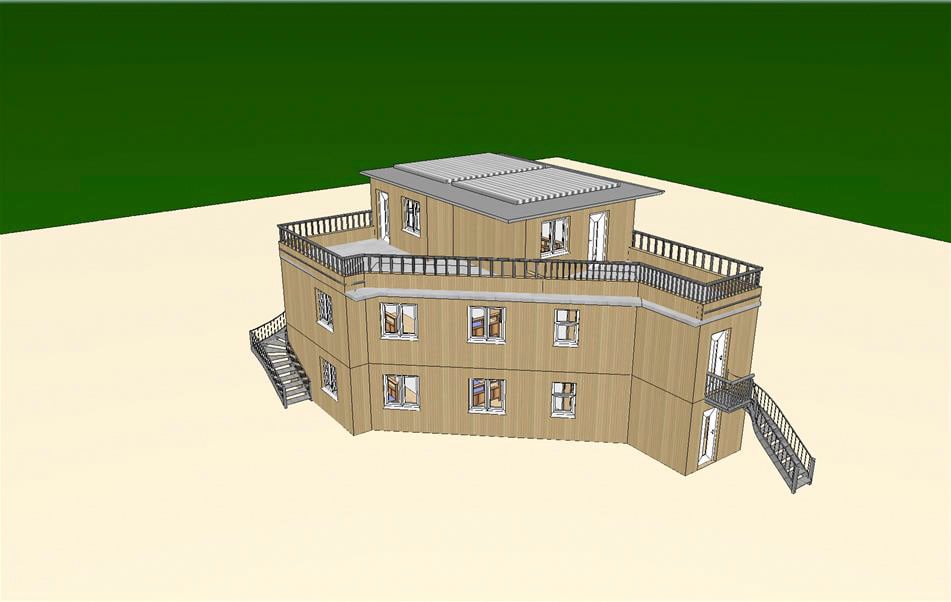
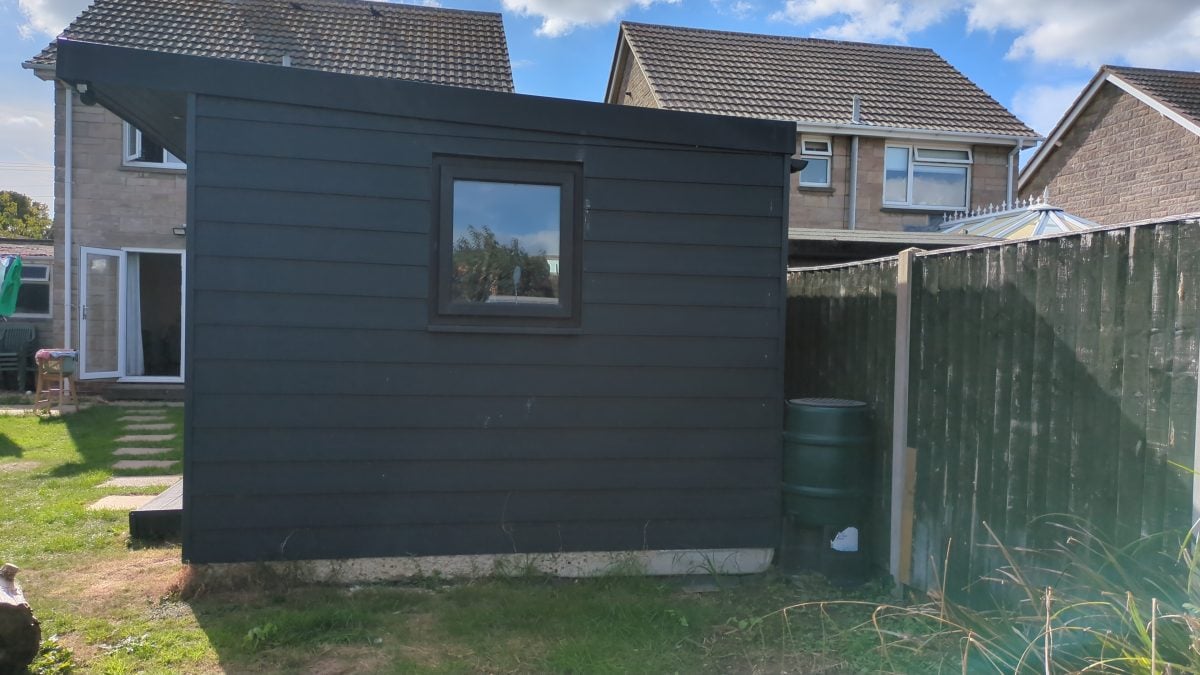
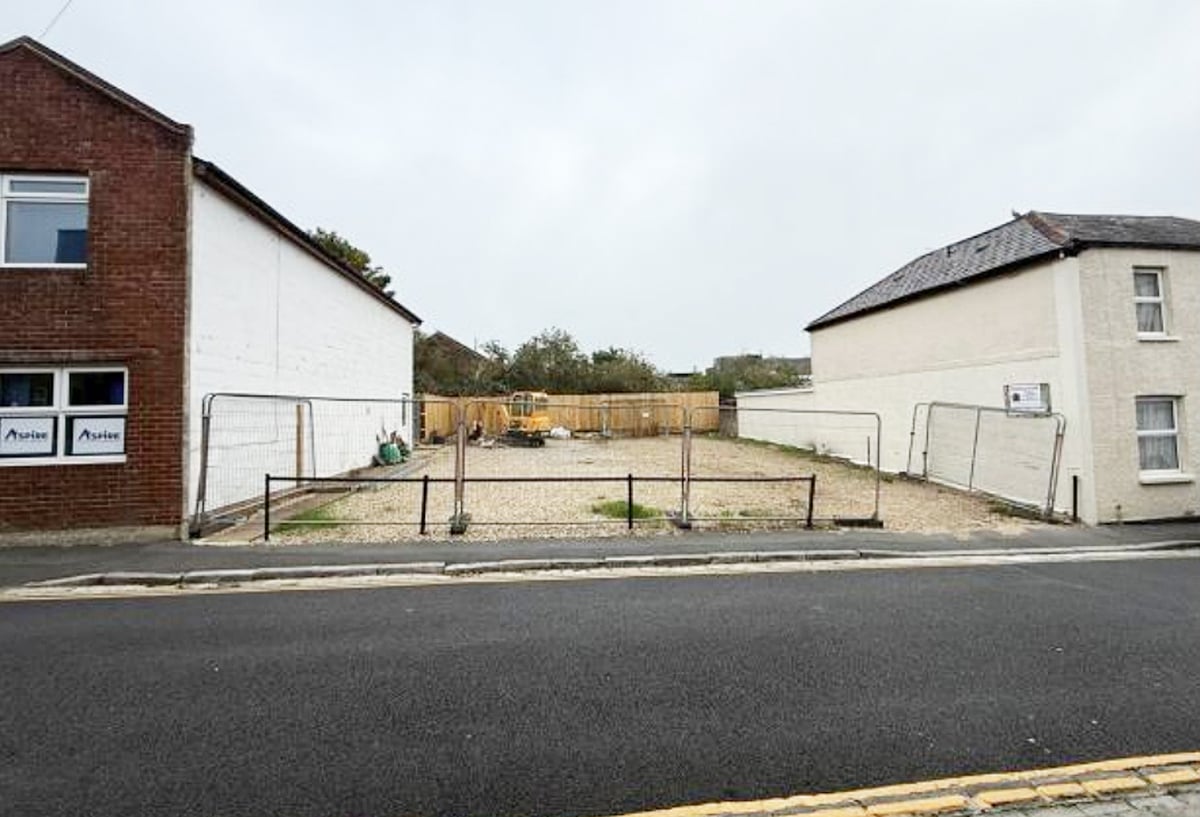
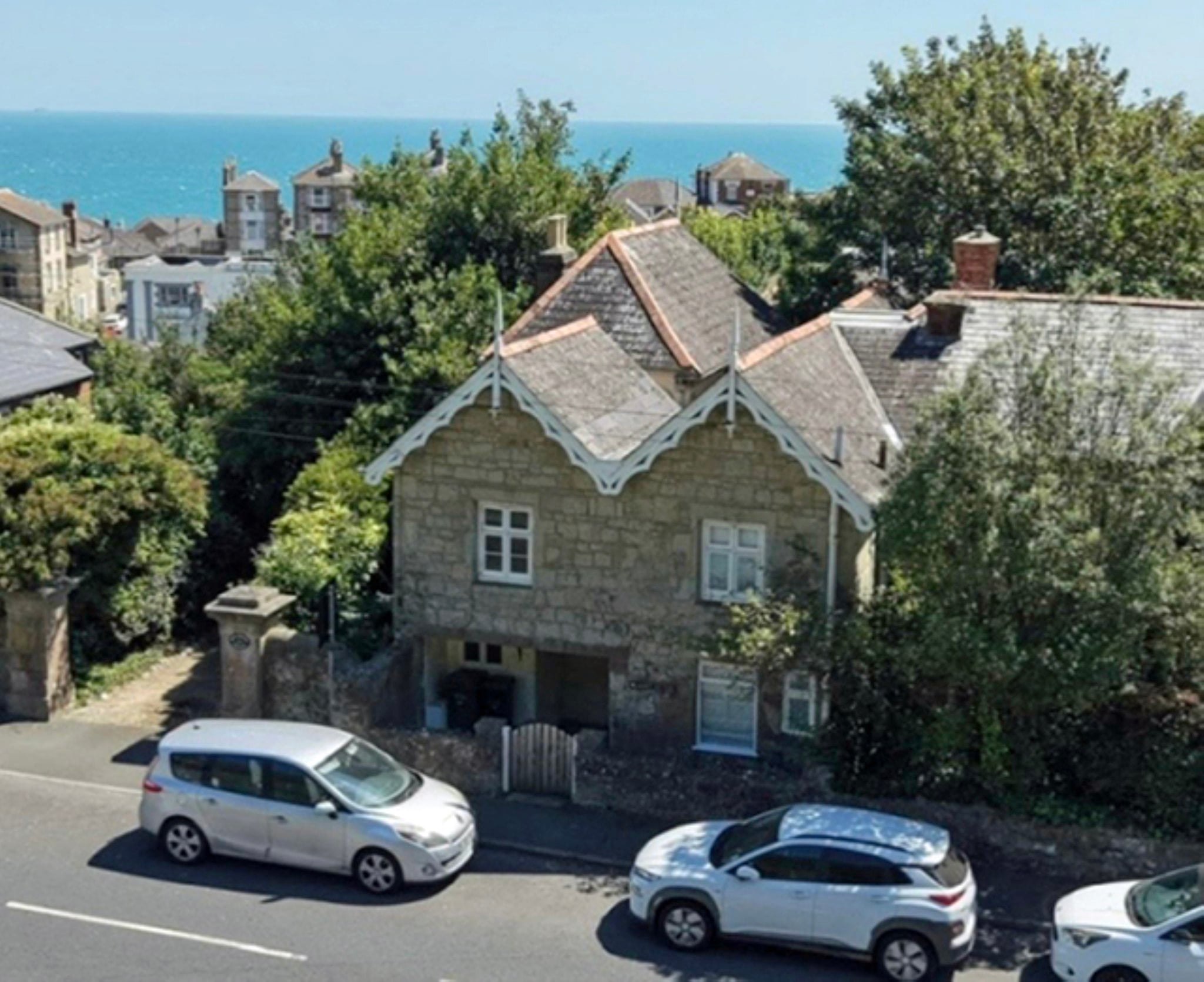
Housing on the island reflects the balancing act between tradition and modernity. Many homes retain their period charm, with stone walls and thatched roofs, but new developments are increasingly built with sustainability in mind. Smart heating systems, solar panels, and energy-efficient designs are becoming standard features. Residents appreciate the comfort of modern technology but also the savings it brings in terms of energy use and costs.
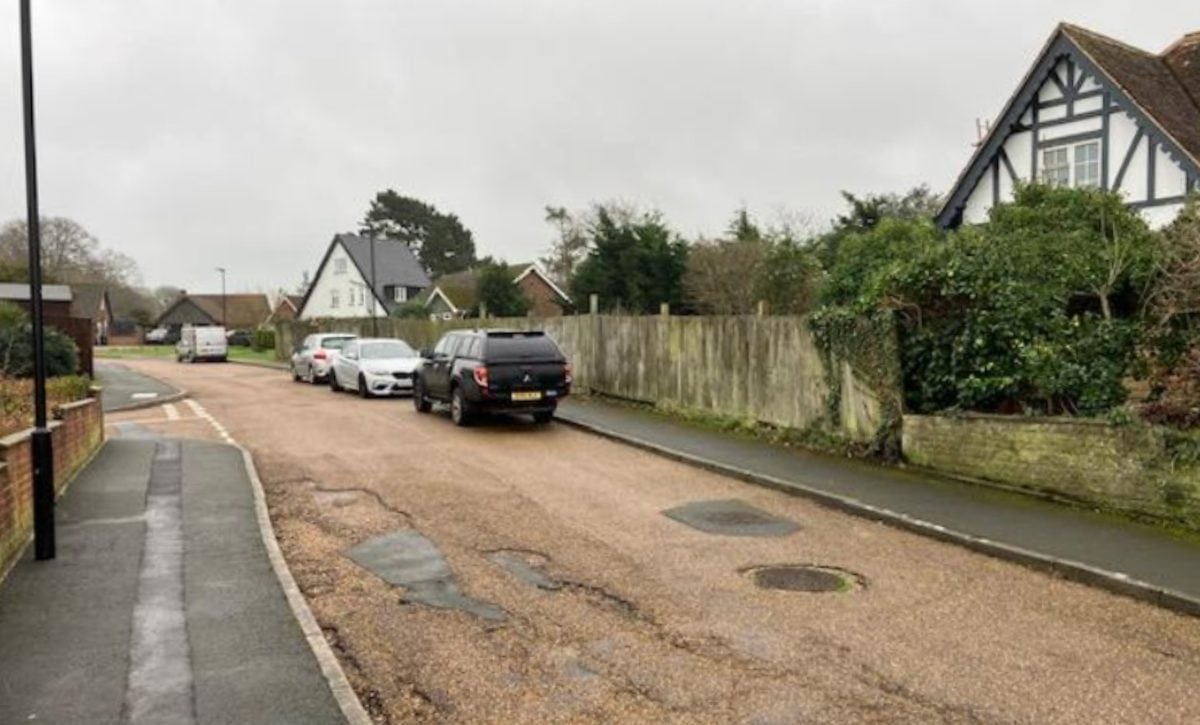
The push for sustainability is not just about individual homes. Local councils encourage eco-friendly neighbourhoods, integrating cycle paths, electric vehicle charging points, and green spaces into urban planning. These features show how modern living can blend seamlessly with the island’s historic setting. The Isle of Wight is not losing its character, it is finding ways to ensure that progress supports rather than undermines tradition.
Community Spirit in a Digital Age
The island’s community spirit is one of its greatest strengths, and technology has helped it grow stronger. Online forums, local news websites, and social media groups allow residents to share information, promote events, and coordinate volunteer efforts. Whether it is fundraising for a village hall, organising coastal clean-ups, or promoting local crafts, digital platforms extend the reach of community efforts.
Despite the shift online, face-to-face interaction remains central to island life. Farmers’ markets, art fairs, and town gatherings continue to thrive, supported rather than replaced by digital promotion. The balance between in-person connection and online organisation is an example of how heritage and modern living work hand in hand.

Tourism in the Modern Era
Tourism has always been vital to the Isle of Wight’s economy, with visitors drawn to its beaches, landscapes, and heritage sites. Modern technology has transformed how tourists plan and experience their trips. Booking platforms make accommodation easier to secure, while apps provide instant access to maps, restaurant reviews, and transport details. Visitors can also explore augmented reality experiences that bring history to life, such as virtual reconstructions of Roman villas or medieval castles.
At the same time, the island has retained its charm by ensuring that tourism does not overwhelm its heritage. Eco-friendly tourism initiatives, such as guided nature walks and sustainable travel options, highlight the island’s commitment to preserving its character while welcoming modern travellers.
Transport and Connectivity
Getting to and around the Isle of Wight has long been a defining part of life here. Ferries remain the main link with the mainland, but digital tools now make travel more convenient. Online booking systems, real-time updates, and digital ticketing ensure smoother journeys for both residents and visitors. On the island itself, bus services and cycle hire schemes have adopted technology to provide better service and accessibility.
While modern systems improve efficiency, the island continues to promote walking trails and cycle paths that highlight its natural beauty and historic routes. In this way, transport represents another blend of tradition and modern living: old paths and coastal roads remain, enhanced by
The Role of Local Business
Local businesses face the challenge of maintaining their identity in an increasingly digital marketplace. Independent shops, restaurants, and service providers are turning to online platforms to reach new customers while keeping the personal touch that defines island commerce. Many combine physical stores with online ordering, ensuring that they remain competitive without losing their heritage.
Craft makers, farmers, and food producers benefit from e-commerce and social media, which showcase their work to audiences far beyond the island. Yet the emphasis remains on authenticity, quality, and tradition. Modern tools extend the reach, but the products themselves continue to reflect the island’s heritage.
Conclusion
The Isle of Wight stands at the crossroads of heritage and modern living, but rather than choosing one path, it has embraced both. Technology, sustainability, and digital services are enhancing daily life while preserving the traditions that make the island unique. From smart homes to digital tourism, from community projects to historic conservation, progress has been carefully aligned with respect for the past.
The story of the Isle of Wight is not about replacing tradition with modernity. It is about weaving the two together, ensuring that heritage remains vibrant while modern living improves quality of life. In striking this balance, the island offers a model of how communities can move confidently into the future without losing sight of their roots.