






















































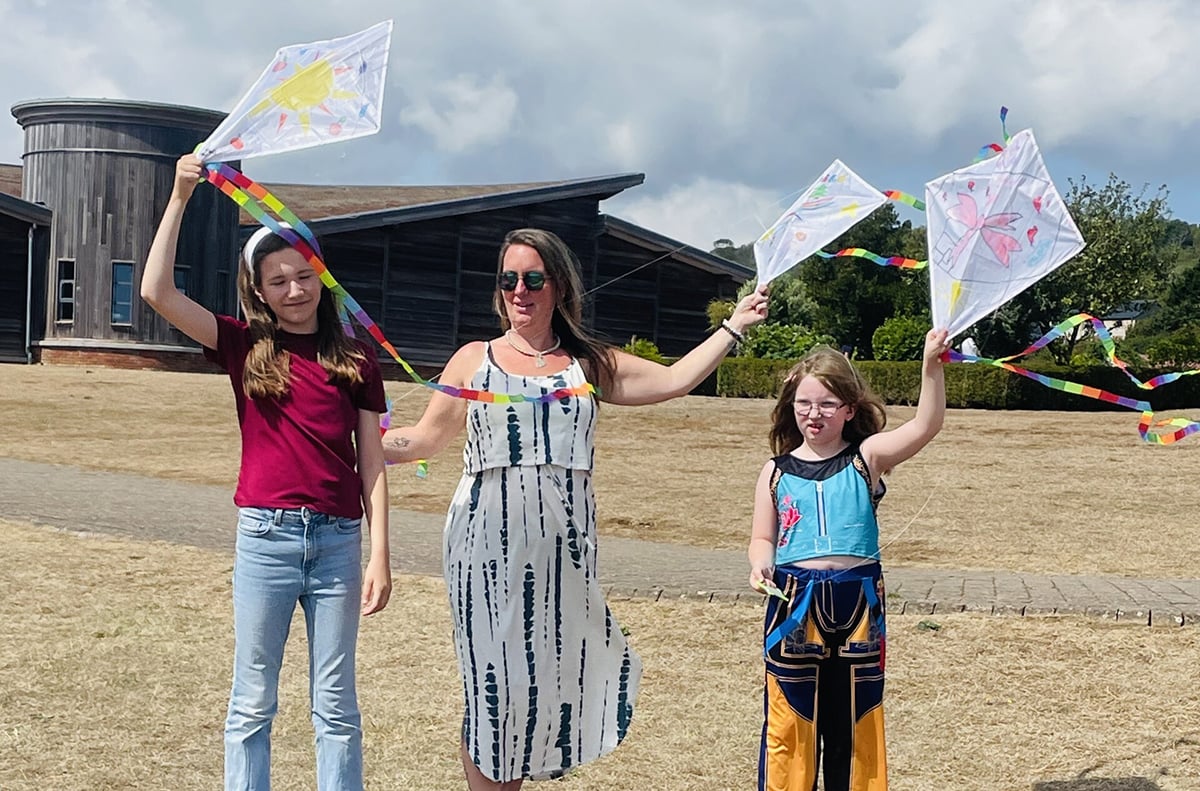















The Isle of Wight has always thrived on its sense of community. From small villages with tight-knit groups of neighbours to larger towns where local businesses are part of daily routines, the island has a long tradition of people working together and supporting each other. In recent years, however, the way those connections are maintained has changed dramatically. Technology and digital services are now woven into almost every aspect of island life, bridging gaps created by distance and making it easier for people to stay in touch, access services, and share experiences.
One of the most visible shifts has been in communication. Social media platforms, messaging apps, and video calls have become everyday tools for residents of all ages. For families separated by travel or work, these services provide a vital link.
Community groups have embraced this change wholeheartedly. Village associations, charities, and volunteer networks use digital platforms to coordinate everything from fundraising events to neighbourhood watch schemes. The efficiency of online tools allows them to reach more people with less effort, which has been particularly important during times of disruption. Announcements that might once have been pinned to a noticeboard are now broadcast to hundreds of followers within seconds. For many, this ease of connection has renewed their sense of belonging to the community.


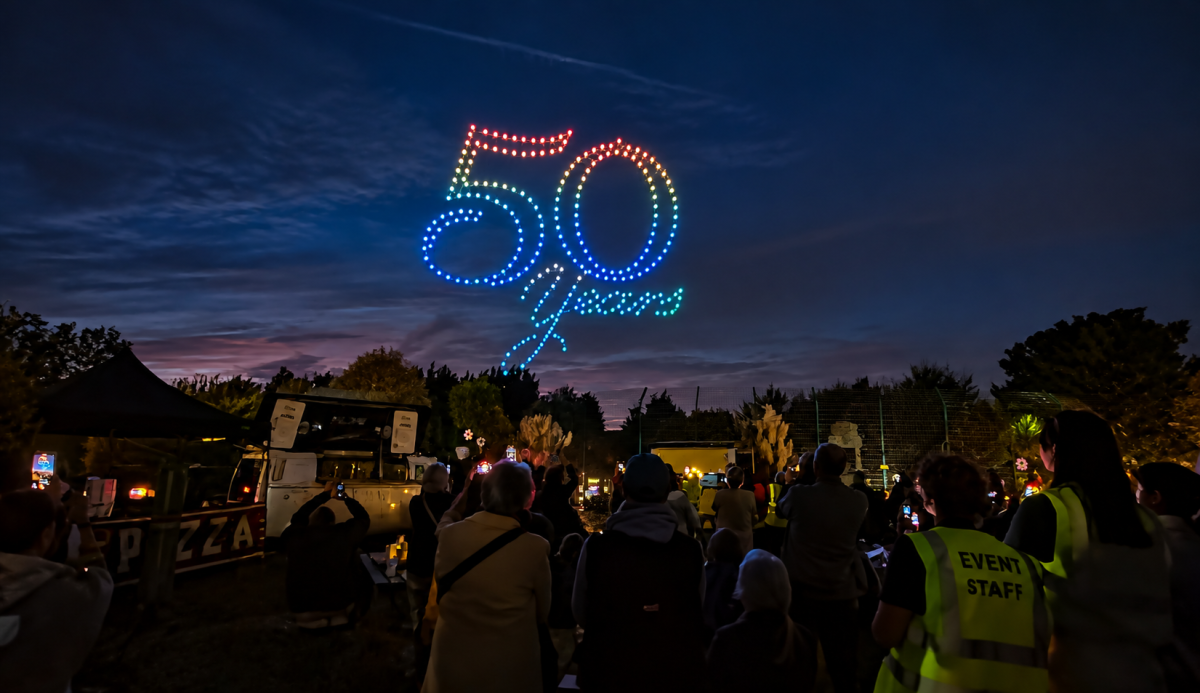
Entertainment is another area where digital services have transformed island life. Streaming platforms have made concerts, theatre performances, and cultural events available at home, keeping people engaged even when they cannot attend in person. For other audiences, gaming communities and online forums provide opportunities to connect with like-minded individuals beyond the island.
Players who enjoy exploring the best online international casinos often highlight how smooth transactions, wider choice of platforms, and fast withdrawals mirror the qualities they expect in other digital services. The connection shows how fintech and entertainment innovations are linked by the same demand for speed, security, and simplicity.
Even leisure activities reflect this shift. Islanders now use apps to track fitness, join virtual exercise classes, or compete with friends in online challenges. At the same time, local businesses offering experiences have found ways to expand their audience through digital tools. Yoga instructors stream classes from the seaside, while musicians record performances that can be shared instantly with the wider world. These services show that community spirit can adapt to the possibilities of new technology.
Healthcare on the island has also seen notable improvements thanks to digital services. Patients can now book appointments online, access test results through secure portals, or consult doctors via video calls. These services cut down on waiting times, reduce travel for those in more remote areas, and help ensure that residents receive timely advice.
Community pharmacies and care providers have also adopted digital systems to streamline prescriptions and improve coordination with patients. This modern approach has been especially valuable for older residents, who often rely heavily on healthcare services.

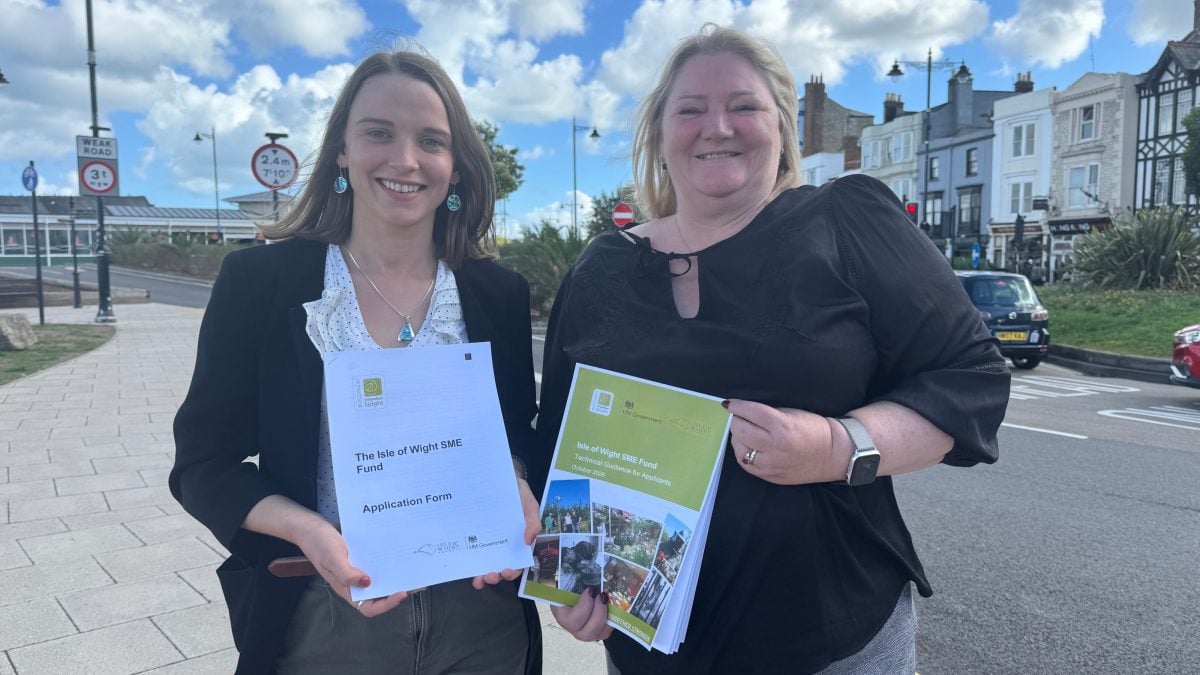
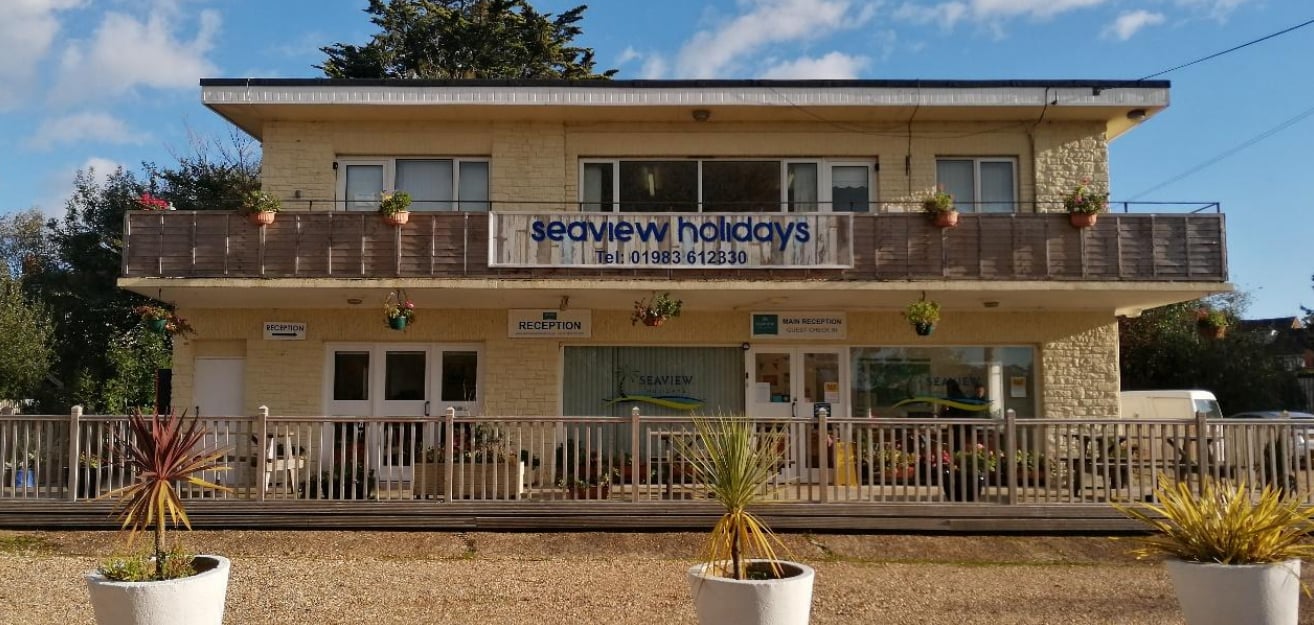
Small businesses have benefited immensely from digital platforms. Many local shops, restaurants, and service providers now maintain online presences, allowing customers to browse, order, and pay from the comfort of their homes. Delivery services have expanded, giving islanders greater choice while supporting local entrepreneurs. This shift not only strengthens the economy but also ensures that community connections remain strong, as residents continue to support businesses rooted in their neighbourhoods.
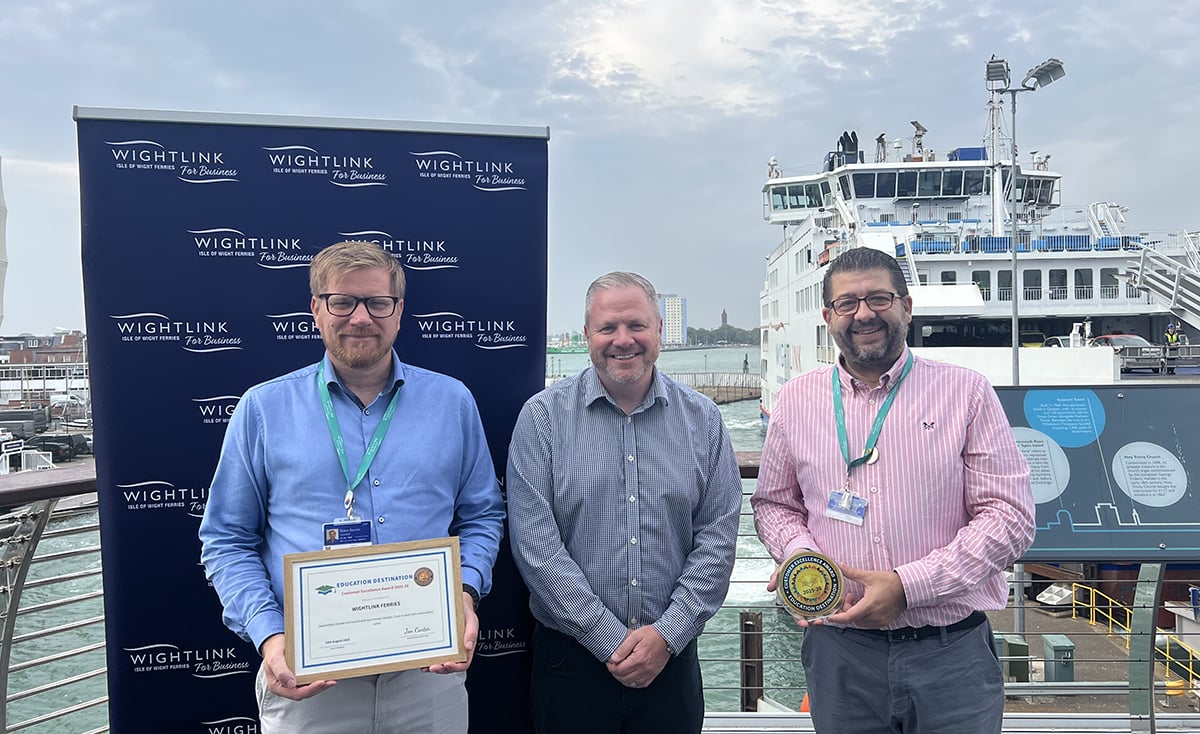
Transport is another sector undergoing transformation. Real-time ferry updates, bus tracking apps, and digital ticketing have made travel easier and more predictable. Residents and visitors alike can plan journeys with greater confidence, reducing stress and improving overall satisfaction. These services also help strengthen ties between the Isle of Wight and the mainland, ensuring that the community feels more connected to the wider region.
Looking to the future, the potential for further integration of digital services is clear. Advances in smart technology could bring energy-efficient homes, improved waste management, and more sustainable public services. The island’s natural beauty and rich cultural heritage will always remain central, but technology offers the chance to enhance those strengths. By adopting digital tools thoughtfully, the Isle of Wight can preserve its traditions while also preparing for the demands of a changing world.
What stands out most is the way digital services have empowered residents to stay connected, informed, and engaged. Whether through communication, healthcare, business, or leisure, technology has become a trusted partner in island life. The Isle of Wight remains defined by its community spirit, but that spirit now flows through screens, apps, and online platforms as much as through streets and harbours. It is this blend of tradition and innovation that ensures the community not only survives but thrives in the digital age.