

































































When Steve Jobs unveiled the first iPhone in 2007, few could have predicted the seismic impact it would have on the European technology landscape. Today, Apple stands as one of the continent’s most formidable tech companies, despite being headquartered thousands of miles away in Cupertino, California. The company’s ascent to dominance in Europe represents a masterclass in strategic expansion, brand building, and market adaptation. From the cobblestoned streets of Paris to the financial districts of London, Apple’s presence is ubiquitous, shaping how Europeans work, communicate, and consume digital content.
Apple’s journey in Europe is a testament to meticulous planning, cultural sensitivity, and unwavering commitment to quality. The company has not merely transplanted its American success story onto European soil; rather, it has woven itself into the fabric of European society, creating an ecosystem that resonates with the continent’s diverse populations whilst maintaining the premium positioning that defines its global brand.
Strategic Market Entry and Localisation


Apple’s European success story began long before the iPhone era, with the Apple establishing its European headquarters in Cork, Ireland, in 1980. This decision proved pivotal, providing Apple with a strategic foothold that would serve as the launchpad for continental expansion. The choice of Ireland was no accident—the country’s favourable corporate tax environment, English-speaking workforce, and membership in the European Union created an ideal base of operations.
However, Apple’s triumph in Europe extends far beyond tax considerations. The company demonstrated remarkable cultural intelligence by recognising that Europe is not a monolithic market but rather a tapestry of distinct nations, languages, and consumer preferences. Apple invested heavily in localisation, ensuring that its products and services catered to regional differences. From German precision engineering aesthetics to Italian design sensibilities, Apple’s marketing campaigns and product presentations have consistently reflected an understanding of local tastes whilst maintaining global brand consistency.
The company’s retail strategy has been particularly astute. Apple’s flagship stores in European capitals have become architectural landmarks in their own right. The glass-fronted Apple Store on Regent Street in London, the historic Opéra location in Paris, and the stunning Piazza Liberty store in Milan demonstrate Apple’s commitment to creating immersive brand experiences that respect and enhance their urban contexts. These stores serve not merely as points of sale but as cultural destinations where Europeans can engage with technology in beautifully designed spaces.
Building a Premium Brand in Price-Conscious Markets
One of Apple’s most remarkable achievements in Europe has been maintaining its premium pricing strategy in markets known for price sensitivity and strong consumer protection laws. Europeans are typically more cautious spenders than their American counterparts, often favouring value and longevity over the latest gadgets. Yet Apple has successfully positioned its products as worth the investment.

The company achieved this through several interconnected strategies. Firstly, Apple emphasised product quality and longevity, addressing European concerns about sustainability and waste. The company’s commitment to using recyclable materials and offering software updates for older devices resonated with environmentally conscious European consumers who increasingly view technology purchases through an ecological lens.
Secondly, Apple cultivated an aspirational brand image that transcended mere functionality. In Europe’s status-conscious societies, owning an iPhone or MacBook became a statement about taste, sophistication, and success. Apple products became workplace standards in creative industries and professional services, from advertising agencies in Amsterdam to architectural firms in Barcelona. This penetration into professional environments created a halo effect, with consumers aspiring to own the same devices they used at work.
The company also leveraged Europe’s strong carrier relationships to make devices more accessible. Through instalment plans and carrier subsidies, Apple products became attainable for middle-class Europeans who might have balked at upfront costs. This approach democratised access whilst maintaining the brand’s premium aura.
Navigating Regulatory Challenges and Building Trust
Europe’s stringent regulatory environment, particularly regarding data privacy and consumer protection, posed significant challenges for Apple. However, the company transformed these obstacles into competitive advantages. When the European Union implemented the General Data Protection Regulation (GDPR) in 2018, Apple positioned itself as a champion of user privacy—a stance that differentiated it from advertising-dependent competitors like Google and Facebook.
Apple’s privacy-first philosophy aligned remarkably well with European values. The company’s refusal to compromise on encryption, even when pressured by governments, earned it credibility with privacy-conscious European consumers. Marketing campaigns emphasising that “what happens on your iPhone, stays on your iPhone” struck a chord in societies increasingly wary of digital surveillance and data exploitation.
The company has also invested significantly in transparency and compliance. Apple publishes detailed reports on government data requests, maintains clear privacy policies in all European languages, and has consistently advocated for stronger privacy protections at the EU level. This proactive engagement with regulators, whilst occasionally contentious, has generally fostered a relationship of mutual respect.
Nevertheless, Apple’s relationship with European regulators has not been entirely smooth. The company has faced significant scrutiny over tax arrangements, competition concerns in the App Store, and compliance with the EU’s push for common charging standards. The European Commission’s investigation into Apple’s tax arrangements in Ireland, resulting in a €13 billion tax bill (currently under appeal), demonstrates the complex regulatory landscape Apple must navigate. Yet even these challenges have reinforced Apple’s significance in Europe—the attention reflects the company’s centrality to the European digital economy.
The Ecosystem Advantage
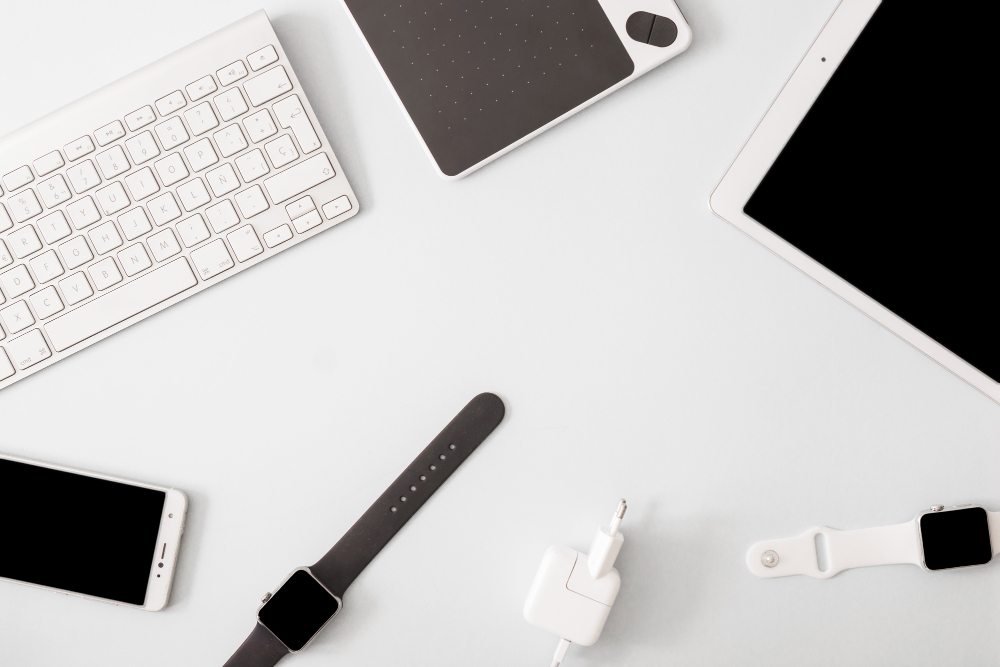
Apple’s creation of an integrated ecosystem of devices and services has been particularly effective in Europe. The company recognised that European consumers, once committed to a platform, tend to demonstrate higher loyalty than consumers in other markets. This insight drove Apple’s strategy of creating seamless integration between iPhones, iPads, Macs, Apple Watches, and services like iCloud, Apple Music, and Apple TV+.
The ecosystem approach addressed a key European consumer concern: complexity. By ensuring that devices worked effortlessly together, Apple reduced the technological friction that often deterred less tech-savvy Europeans from embracing digital services. A photograph taken in Rome automatically appeared on a MacBook in Stockholm; a payment method stored in Apple Pay worked across borders; family sharing simplified content management across generations.
This ecosystem has proven remarkably sticky. European consumers who purchase one Apple device frequently return for others, creating recurring revenue streams that have made Apple one of Europe’s most valuable companies by market influence. The introduction of services has further deepened this relationship, with Apple Music competing effectively against European streaming giant Spotify, and Apple Pay becoming a legitimate alternative to traditional banking applications.
Investment in European Talent and Innovation
Apple’s commitment to Europe extends beyond sales and marketing. The company has made substantial investments in European talent, research, and development. Beyond the Cork headquarters, which now employs thousands of people, Apple has established significant operations across the continent. The company’s European centres of excellence include chip design facilities in Munich, Germany, and Cambridge, England, where teams work on processors that power Apple devices globally.
These investments have created goodwill amongst European policymakers and contributed to local economies. Apple’s UK operations alone support hundreds of thousands of jobs when accounting for the app development ecosystem. The company’s investment in coding education through initiatives like Everyone Can Code has been particularly well-received in European countries prioritising digital literacy.
Apple has also championed European app developers, showcasing European-created applications and games in the App Store and at annual developer conferences. This support has helped nurture a vibrant European app economy, with developers from Stockholm to Lisbon creating applications used worldwide. By positioning itself as an enabler of European innovation rather than merely an American exporter, Apple has strengthened its local legitimacy.
The Services Revolution
Whilst hardware initially drove Apple’s European expansion, services have become increasingly central to the company’s continental strategy. Apple Music, Apple TV+, Apple Arcade, iCloud, and Apple Pay collectively generate billions in European revenue annually. This shift towards services has been particularly significant in mature European markets where smartphone replacement cycles have lengthened.
The services strategy also addresses European concerns about sustainability and consumption. Rather than relying solely on selling new devices, Apple has created ongoing relationships with customers that extract value throughout a device’s lifetime. This approach aligns with European preferences for longevity and circular economy principles.
Apple Pay’s growth in Europe has been particularly remarkable, with the contactless payment system becoming ubiquitous in many European cities. The service’s integration with public transport systems in London, Paris, and other major cities has made it indispensable for daily life, embedding Apple deeper into the routines of European consumers.
Looking Forward
Apple’s position as one of Europe’s biggest tech companies seems secure, yet the company faces evolving challenges. Increasing regulatory scrutiny, particularly around the App Store’s commission structure and the Digital Markets Act’s requirements, may force significant business model adjustments. Competition from Chinese manufacturers offering comparable features at lower prices continues to intensify. Economic uncertainty and inflation may pressure even loyal customers to reconsider premium pricing.
However, Apple’s track record suggests the company will adapt as it has before. The transition to Apple Silicon processors, developed partly in European facilities, demonstrates continued innovation. Expansion into new categories like augmented reality and autonomous systems promises fresh growth opportunities. The company’s commitment to carbon neutrality resonates with environmentally conscious European consumers and governments alike.
Apple’s transformation into a European tech giant represents more than commercial success—it reflects a company that has genuinely understood and served European markets whilst maintaining its distinct identity. From its early Cork operations to today’s continent-spanning presence, Apple has demonstrated that American technology companies can thrive in Europe not through dominance but through adaptation, respect, and genuine value creation. As Europe’s digital future unfolds, Apple’s influence seems certain to remain profound, shaping not just what Europeans buy but how they live, work, and connect with one another.