





















































Opened in 1875 on the Ryde & Newport Railway, Havenstreet began as a rural crossing point before becoming the centre of the Island’s railway revival.
When the Ryde & Newport Railway opened on 20th December 1875 it created the Island’s first dependable inland rail link between Ryde and the county town of Newport. Along the 9-mile route were several intermediate stations. One of them was Haven Street, a modest stop set among fields between Wootton and Ashey.
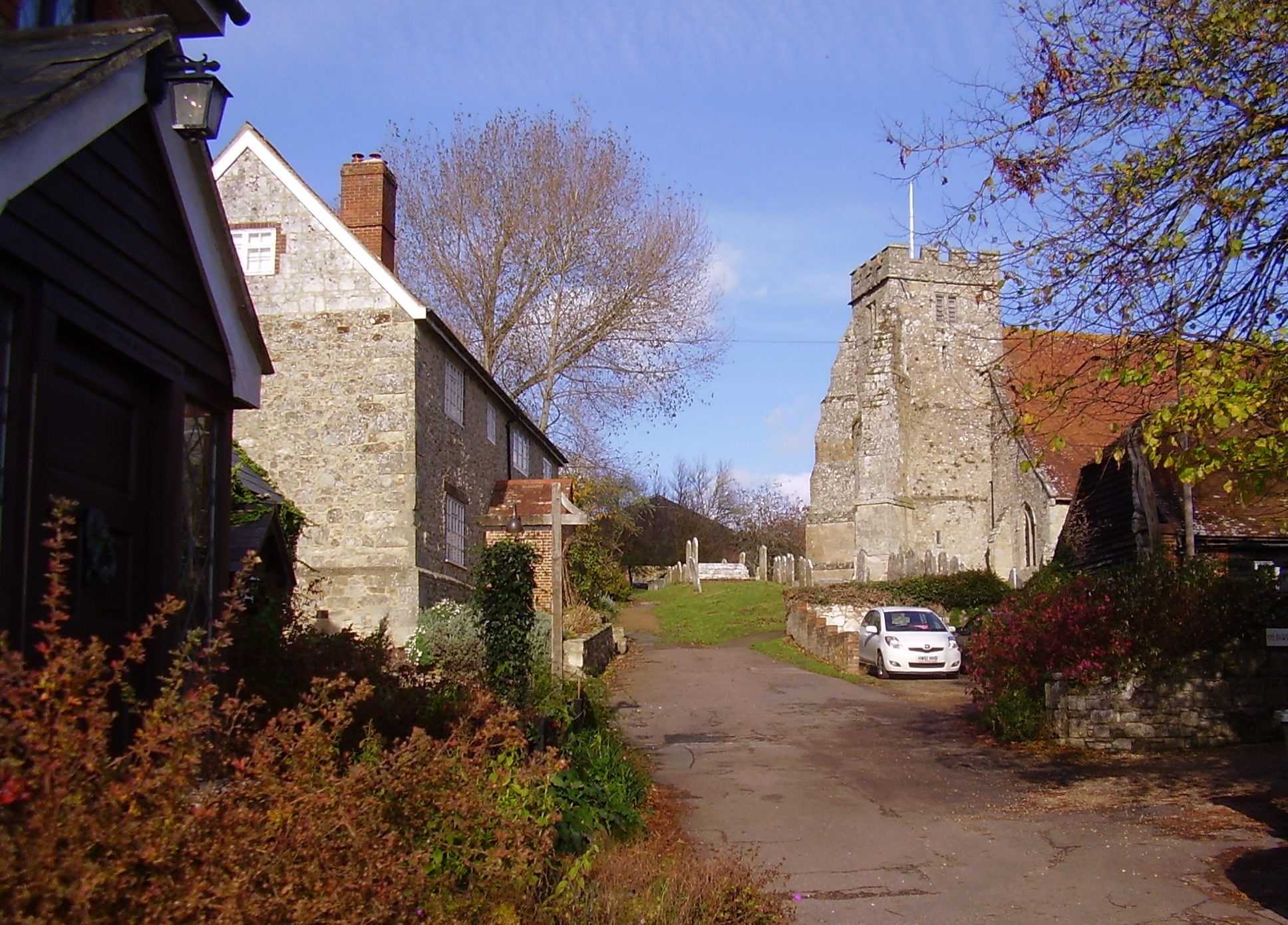
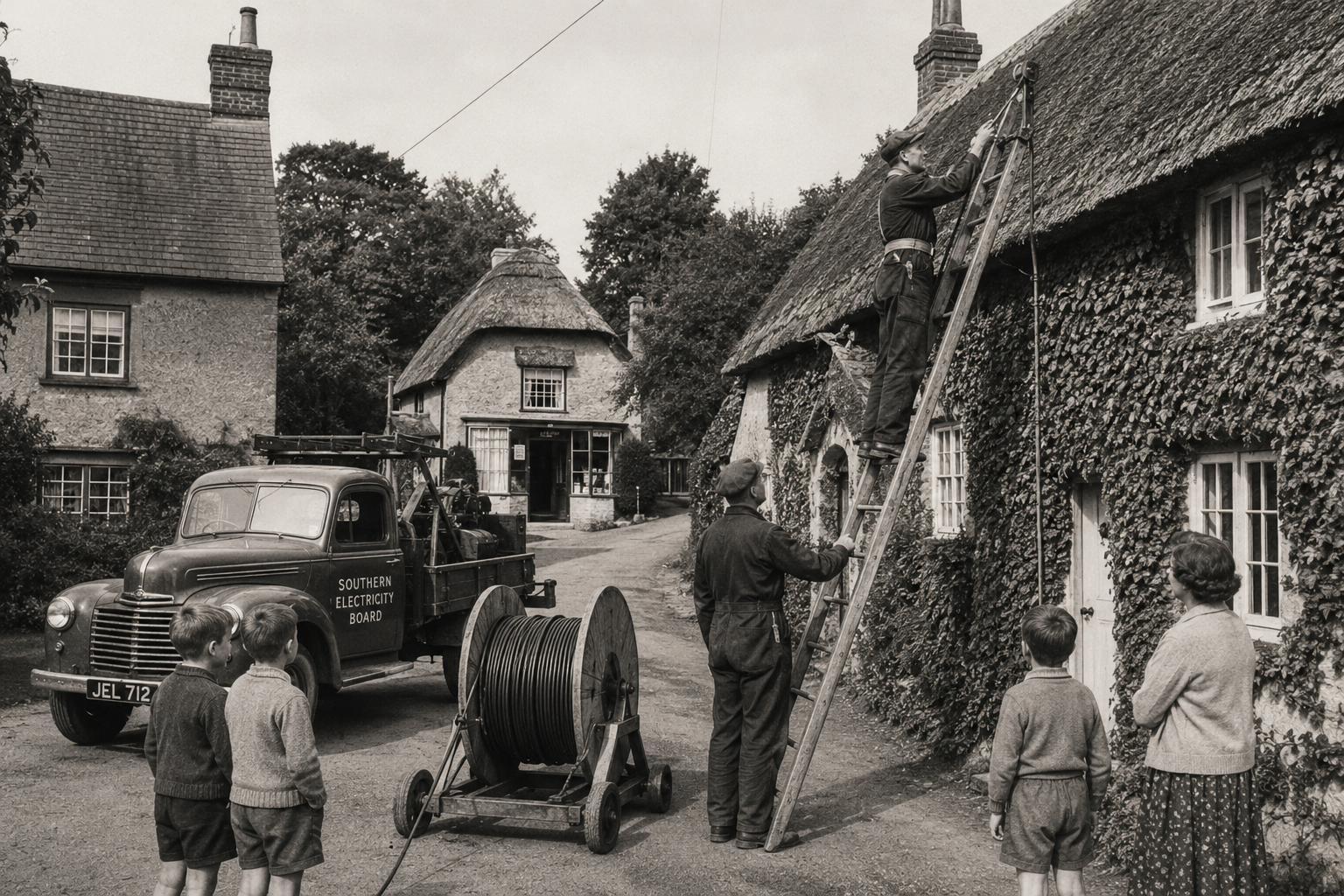
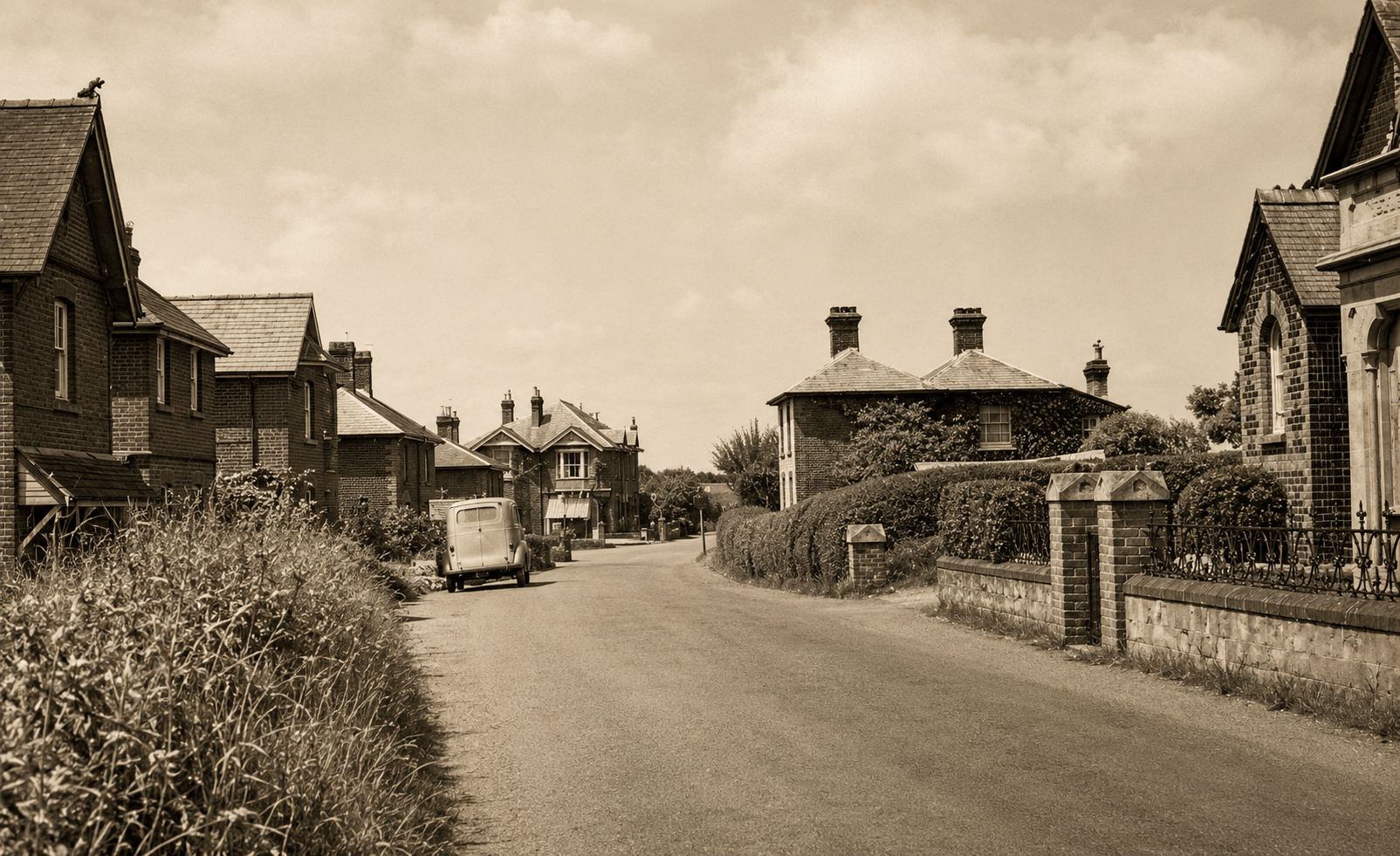
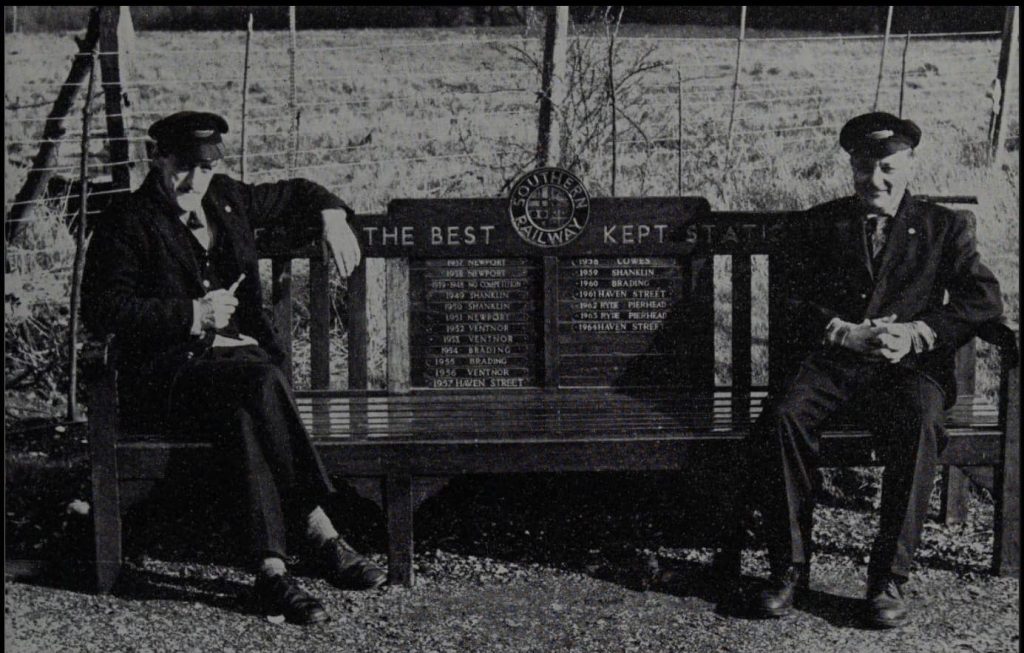
The station took its name from the nearby hamlet of Haven Street. Medieval records show the village written as Hethenestrete in the 13th century, suggesting the original meaning was “Heathen Street”, probably referring to an ancient road believed to date from pre-Christian times. When the railway opened in 1875 it followed the village spelling and called the station “Haven Street”. The single-word form “Havenstreet” only appeared much later, when British Rail altered the official station name in 1958.


The railway ran along the Island’s central ridge. Havenstreet stood close to the midpoint of the Ryde–Newport line.
In its early form the station was simple. A single platform served trains between Ryde Pier Head and Newport. The buildings followed the practical Isle of Wight Railway style: office, waiting room and stationmaster’s house. Small tank engines hauled short trains of 4-wheeled carriages.
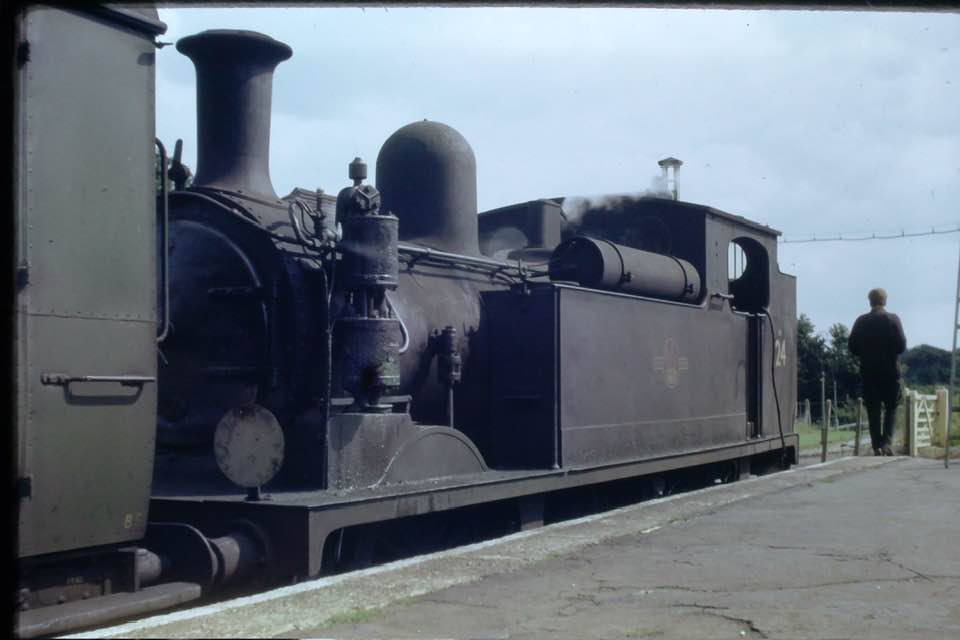
For a station serving only a small rural settlement, Havenstreet possessed a surprisingly generous railway layout. Sidings and goods facilities were provided from the beginning. The Ryde & Newport Railway hoped the line would become the main inland artery across the Island, carrying agricultural produce, livestock, coal and building materials as well as passengers.
In practice the traffic never became as heavy as the company had expected, but the goods siding remained useful. Coal deliveries, farm produce and building materials were handled here, linking the surrounding countryside with Ryde and Newport.
Operationally, the station played another useful role. The largely single-track railway required places where trains travelling in opposite directions could pass. Havenstreet’s position near the centre of the route made it a natural crossing point, and crews sometimes waited here for the opposing train before continuing their journey.

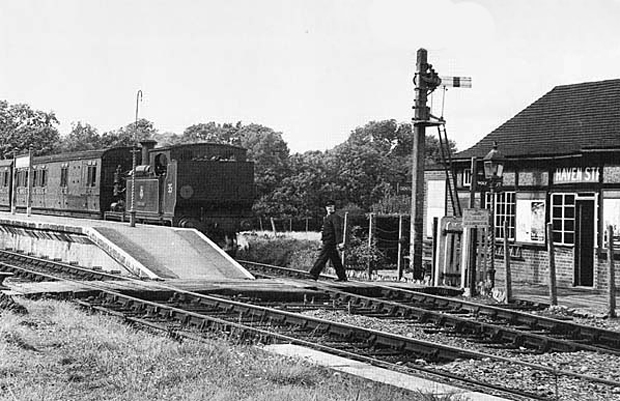
In 1887 the Ryde & Newport Railway was absorbed into the Isle of Wight Central Railway. Haven Street itself changed little, remaining a quiet intermediate station on the line between Ryde and Newport.
Under the Southern Railway after 1923, the route became busier, particularly during the summer holiday season. Trains carried visitors heading to Sandown and Shanklin as well as passengers travelling between the Island’s towns.
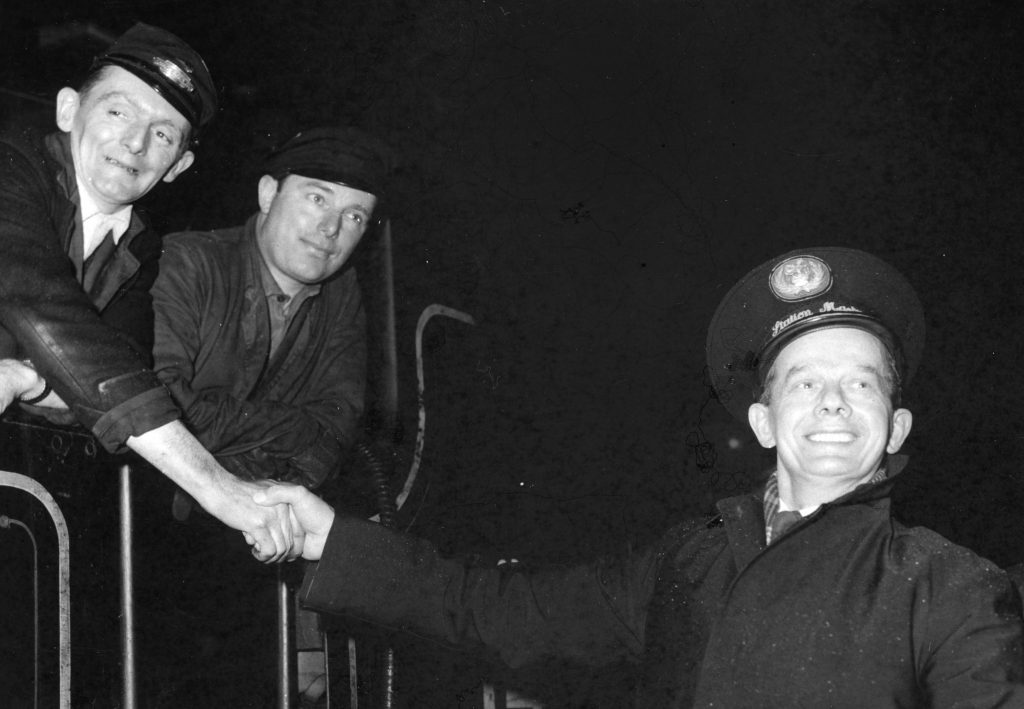
Despite this activity, Havenstreet retained the character of a rural station. Staff numbers were small. The stationmaster often handled tickets, goods traffic and signalling duties personally, while living with his family in the adjoining station house.
By the mid-20th century, the Island’s railways were facing increasing competition from buses and private cars. Passenger numbers declined and closures followed.
The Ryde–Newport–Cowes line eventually closed in February 1966. Havenstreet station fell silent after more than 90 years of operation. The buildings remained, but the platforms were deserted and the track slowly disappeared beneath weeds.
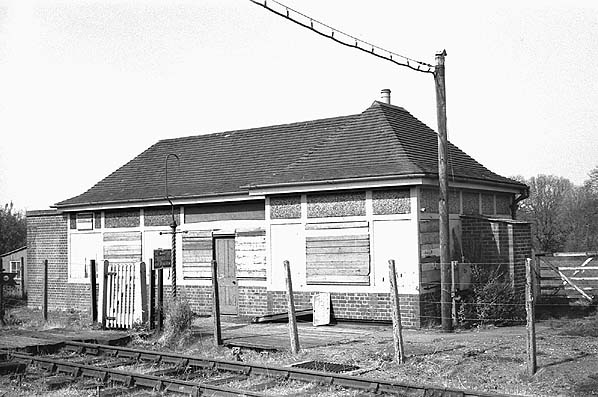
The station might easily have vanished altogether. Instead, it became the unlikely centre of the Island’s railway preservation movement.
During the late 1960s, a group of enthusiasts formed the Wight Locomotive Society to save examples of the Island’s distinctive locomotives and rolling stock before they were scrapped. Several vehicles were stored at the closed Newport station, but when that site had to be vacated the society needed a new base.
The answer came in January 1971.
On 24th January 1971 a goods train carried the preserved locomotives and carriages from Newport to Havenstreet. Volunteers had prepared the site in haste, and some of the vehicles had not moved for years.
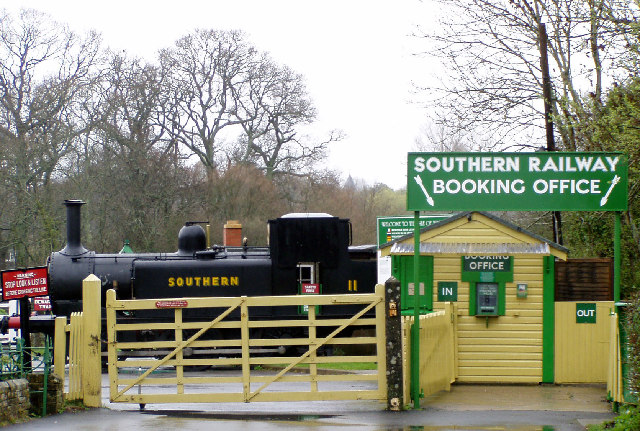
The arrival of the train effectively marked the beginning of the Isle of Wight Steam Railway.
Facilities were basic. Havenstreet had little more than the old station, a few sidings and a short stretch of track. Volunteers cleared vegetation, repaired rails and began restoring locomotives and carriages.
Within weeks, demonstration trains were running between Havenstreet and Wootton over roughly 1 mile of track, the first steam movement on the Island’s railways since British Rail had closed the route 5 years earlier.
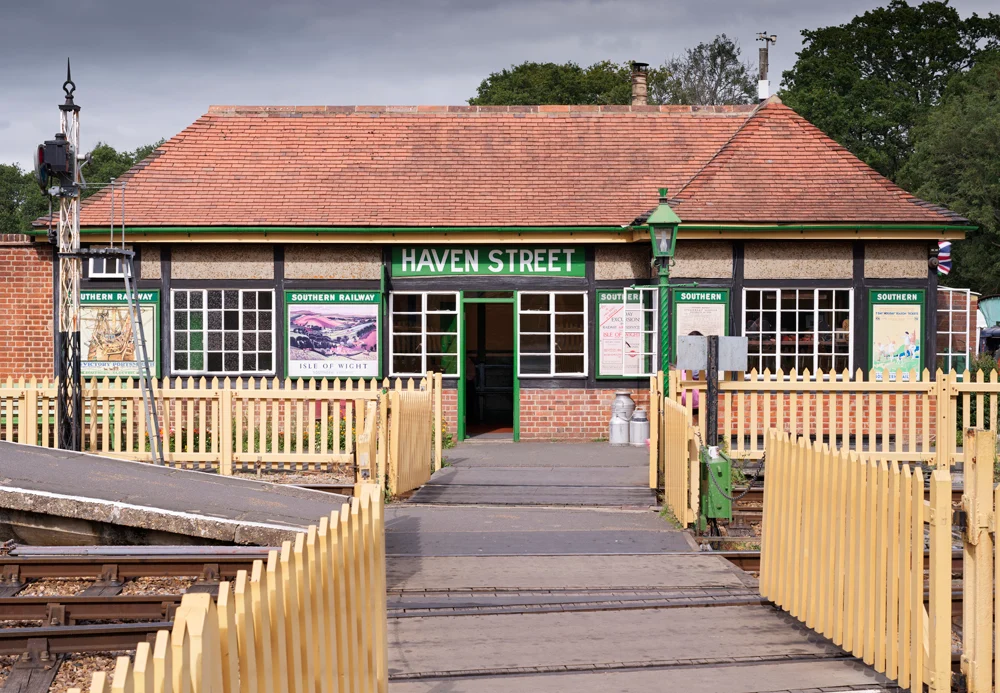
From those modest beginnings, the preservation railway slowly expanded. Workshops and locomotive sheds were built, and historic structures from other Island stations were brought to Havenstreet.
One of the most prominent is the large water tower from Newport station. When Newport was demolished, the tower was dismantled and later rebuilt at Havenstreet, where it still stands beside the line.
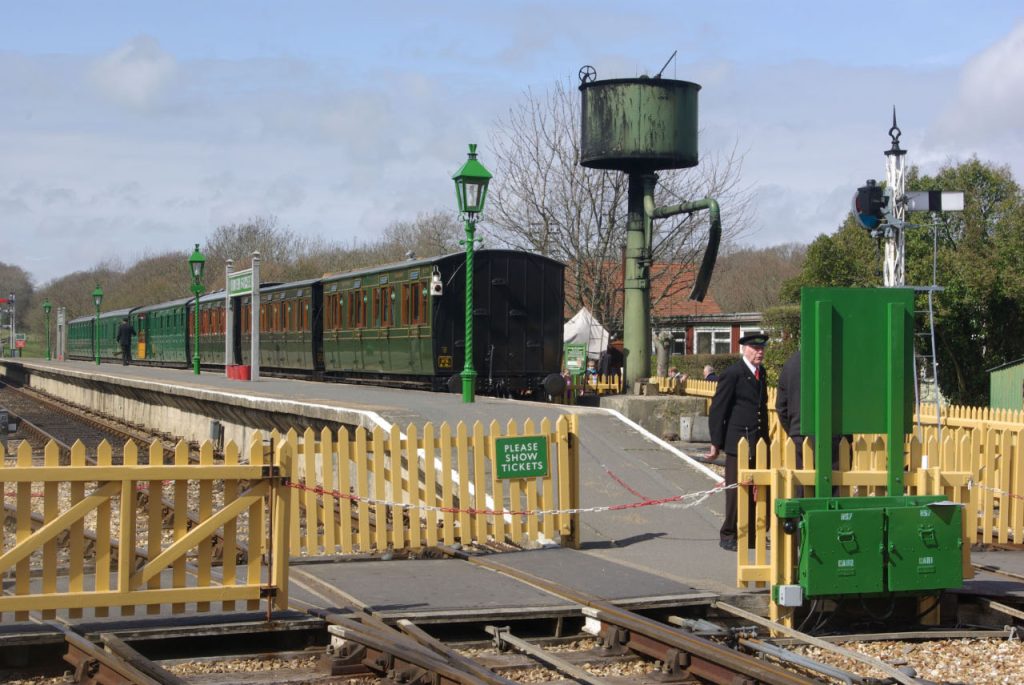
The signal box now at Havenstreet also came from elsewhere. It originally stood at Ashey before being carefully relocated and restored.
As the railway developed, the preserved line extended beyond its original mile. Today, trains run from Wootton through Havenstreet to Smallbrook Junction, where the heritage railway connects with the modern Island Line.
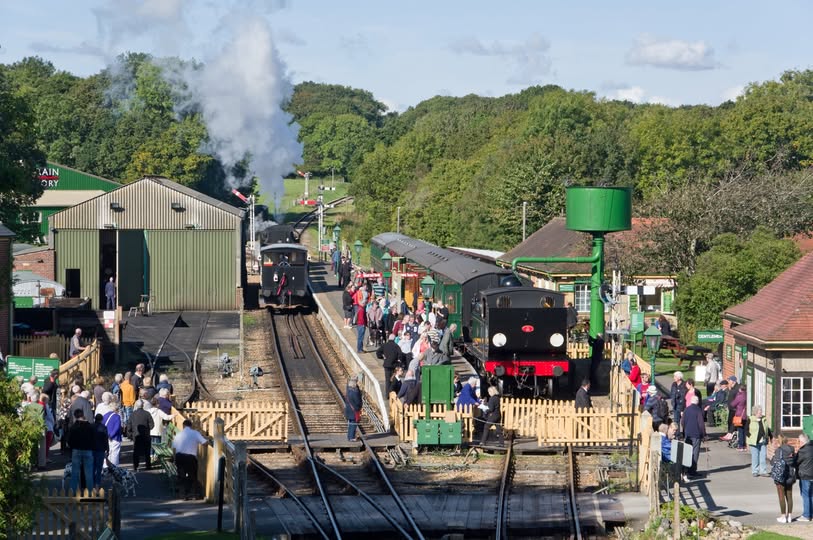
Havenstreet has therefore lived 2 distinct railway lives: first as a modest rural station on the Ryde–Newport line, and later as the operational centre of the Isle of Wight Steam Railway. The railway space that once seemed excessive for a tiny village ultimately provided the room needed to build one of Britain’s most distinctive preserved railways.
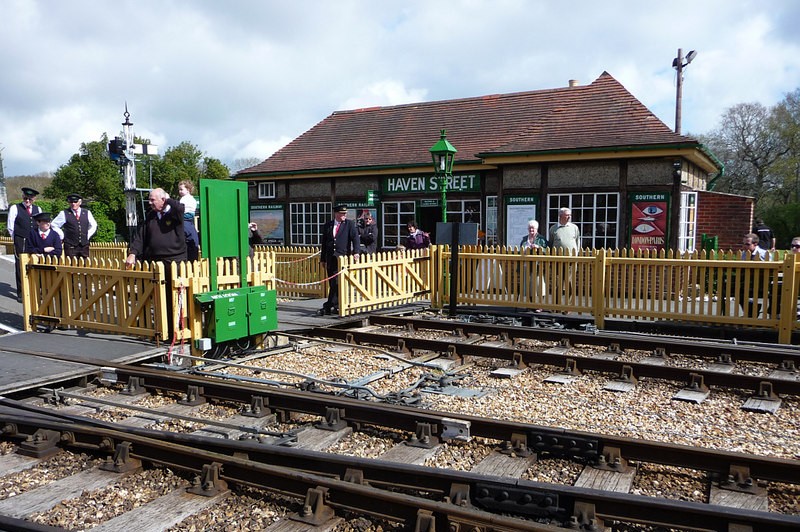
Do any Island Echo readers remember travelling to or from Havenstreet Station in its pre-1966 form before the more recent steam railway? Let us know in the comments.









A big THANK YOU to the group of enthusiasts who had the foresight to form the Wight Locomotive Society and preserve Havenstreet Station and the heritage of steam locomotives.
So glad it survived lovely place to visit.
Great article. I would love to see the railways expand on
the island.
Best way of travelling, let the train take the strain.
Amusingly up until the recent updating of the Island Line underground stock, many of the steam trains on Havenstreet’s ‘heritage’ line were younger than our ‘mainline’ trains!