




















































 New Government figures showing a rise in fly-tipping incidents are causing considerable concern to landowners and farmers, says the Country Land and Business Association (CLA).
The total number of fly-tipping incidents in England has risen by almost 50,000 to 900,000 in the past year and over the last two years by almost 200,000.
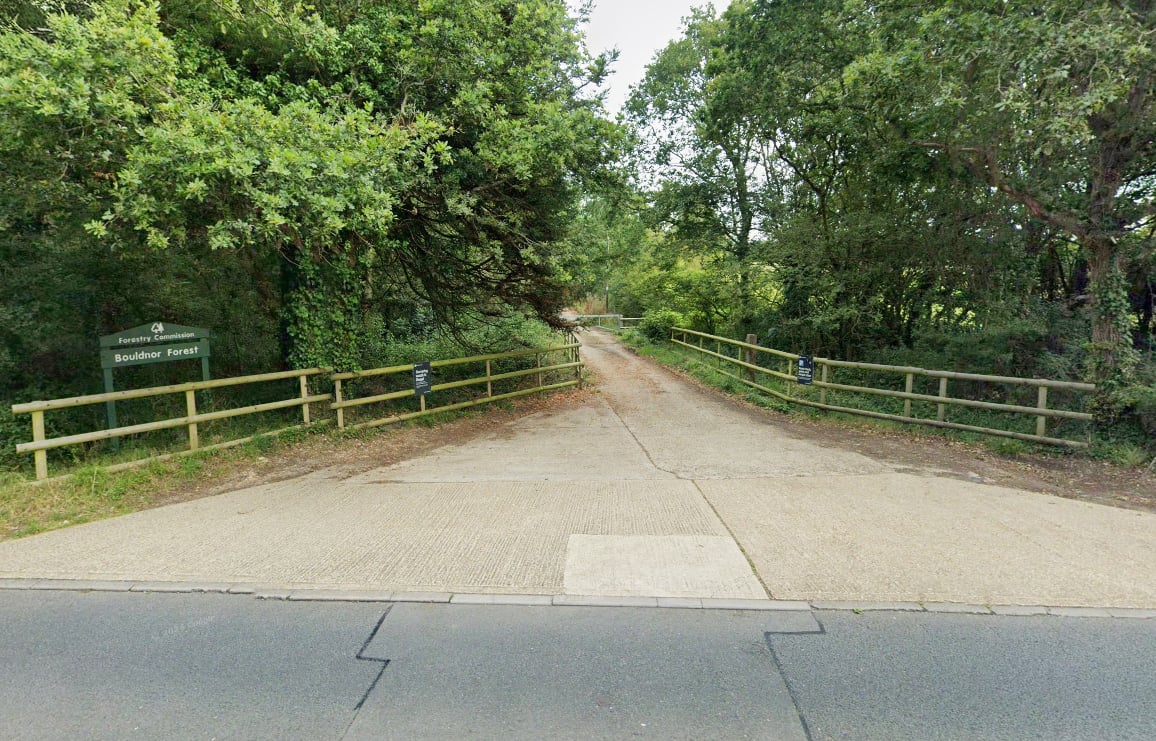
There was some good news in Hampshire and the Isle of Wight, which saw a slight decrease in the number of fly-tipping incidents, to just over 15,600 in 2014/15 and the CLA hopes this downward trend will continue.


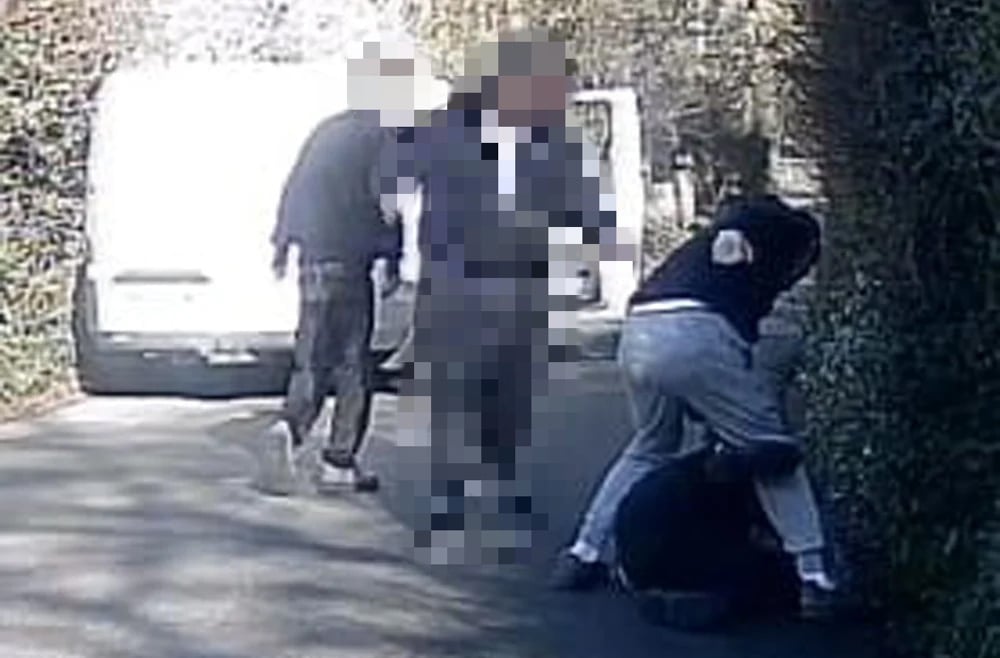
It is not only the scale of fly tipping which is worrying landowners – the figures also show that the  amount of large scale fly tipping (involving transit vans or tipper lorries) also increased, although single bag tipping went down.
Fly-tipping or the illegal deposit of waste poses risks to local wildlife, farm animals and the environment. Landowners are liable for any waste that is fly-tipped on their land and can be prosecuted if they do not clear it away and the costs when large-scale fly-tipping is involved can be significant.
Earlier this year, the Control of Waste (Dealing with Seized Property) Regulations 2015 came into force in England and Wales. These changes broadened the range of offences for which a vehicle can be seized; removed the need for a warrant to be obtained before seizure; and set out the circumstances under which the enforcement authority may sell or destroy seized property.
According to the latest figures, during the last year, local authorities took action in around 515,000 cases, ranging from investigations and fixed penalty notices to seizure of vehicles. Nationally, there were less than 2,000 prosecutions for fly-tipping in the past year.
CLA Director South East Robin Edwards said:
“We have had reports from many of our members of large-scale fly-tipping taking place across our region, involving the dumping of large household items as well as endless bin bags of rubbish. The latest figures show that the cost to local authorities of fly-tipping was almost £50 million over the past year, but this excludes the considerable sums spent by landowners and farmers on clearing up waste left on their land. Fly-tipping is a major problem right across the south east and we will be continuing to call for offenders to be dealt with more robustly.”