
















































World-famous scientist John ‘Earthquake’ Milne – who invented the seismograph – died in Newport on 31st July 1913.
Milne was born in Liverpool in 1850 and was educated at King’s College London and the Royal School of Mines.
In 1876, he was appointed professor of mining and geology at the Imperial College of Engineering in Tokyo. Getting to Tokyo was no easy task in those days and involved a 3-month trek across Siberia in midwinter. The trans-Siberian railway had yet to be built.


While in Japan, he 1st became interested in volcanology and climbed 50 volcanoes while resident in the Land of the Rising Sun. His research led him to believe that volcanic activity was not the cause of earthquakes – a theory commonly held at that time.
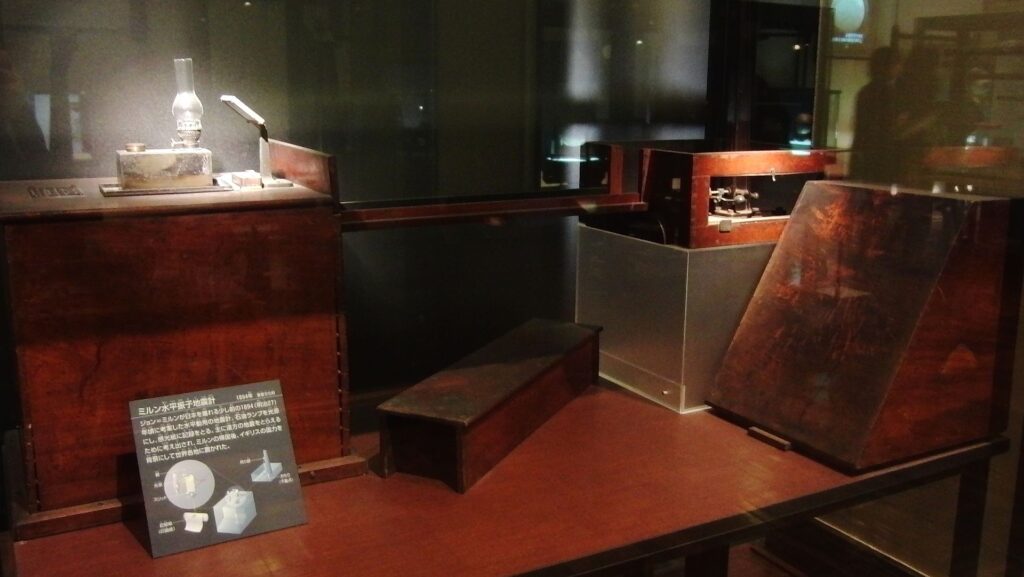
Milne’s interest in seismology – the study of earthquakes – began in 1880 when he personally experienced the Tokyo-Yokohama earthquake. That year, he invented the horizontal pendulum seismograph, an instrument used to detect and measure the strength of earthquakes.
Milne became interested in earthquake mitigation in Japan, advising on how to build bridges and buildings to withstand earthquake shocks. His work earned the esteem of the Emperor of Japan, who awarded him with the Order of the Rising Sun and a life pension of 1,000 Yen.
In 1895, a fire destroyed Milne’s Japanese home, observatory, library and scientific instruments. He returned to England with his Japanese wife Tone and settled at Shide Hill House near Newport.

His Newport home then became the world centre for the study of earthquakes for the remainder of his lifetime. 40 earthquake observatories were set up throughout the globe with all reporting their results back to Milne on the Isle of Wight. These results were published in Shide Circular Reports on Earthquakes.

While living at Shide, Milne became possibly the 1st person to understand tsunamis – tidal waves threatening coastal communities in the Pacific region – after investigating the cause of the 1896 tsunami that hit Japan and concluding that these were related to oceanic faults.
Milne became a familiar figure on the Island. He acquired a lamp post from local ironmongers Hursts with which he built a horizontal seismograph to detect tiny tremors.

The seismologist’s work was poorly understood by some Islanders. Slight movements of the lights of his instruments were interpreted by local drinkers at the Barley Mow as evidence that the Isle of Wight was tipping up and down. Monitoring equipment installed at a local sailing club showed mysterious activity at a similar time every evening until it was discovered that an affair between a butler and a chambermaid in the next room was causing the instruments to jump.
Milne’s fame led him to receive a string of famous visitors to his home in Shide, including Scott of the Antarctic, Prince Galitzin of Russia and the-then Prince of Wales.
The famed seismologist would play golf to escape the attention of reporters. In 1896, John Milne founded Newport Golf Club on St George’s Down behind his house in Shide.
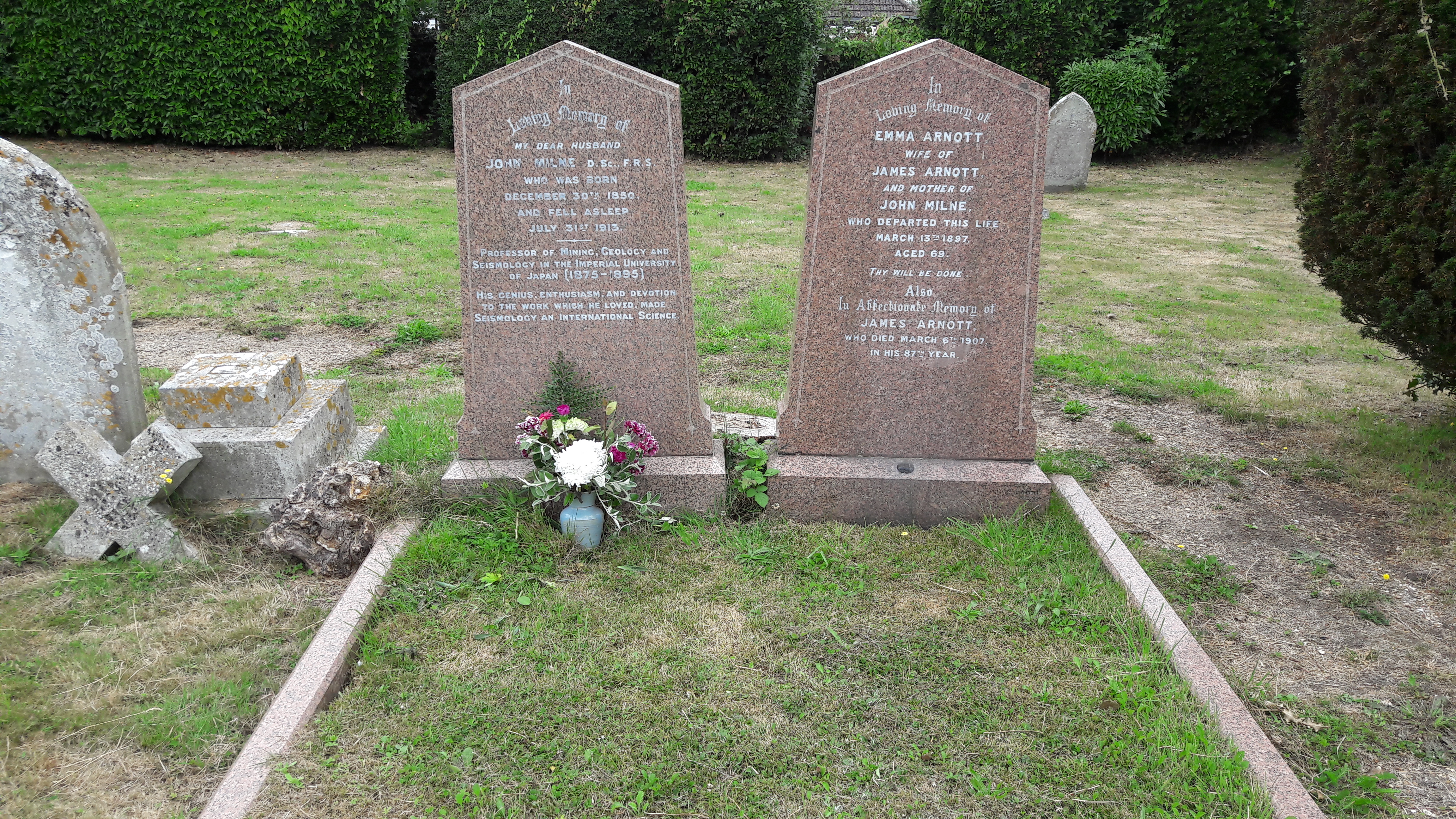
After a short illness, John Milne died of Bright’s disease in 1913. He was buried at St Paul’s Church, Barton.
In 1919, the observatory he had created in Shide was relocated in Oxford. His wife Tone – who only spoke limited English – returned to Japan.
John Milne is far better remembered in Japan than in his home country of England, primarily because devastating earthquakes and tsunamis never happen here. In 1923, a memorial was erected for Milne in Hakodate cemetery in Japan in his honour.
In 2013 – on the 100th anniversary of Milne’s death – the Japanese ambassador to the United Kingdom opened an exhibition at Carisbrooke Castle to commemorate his life.
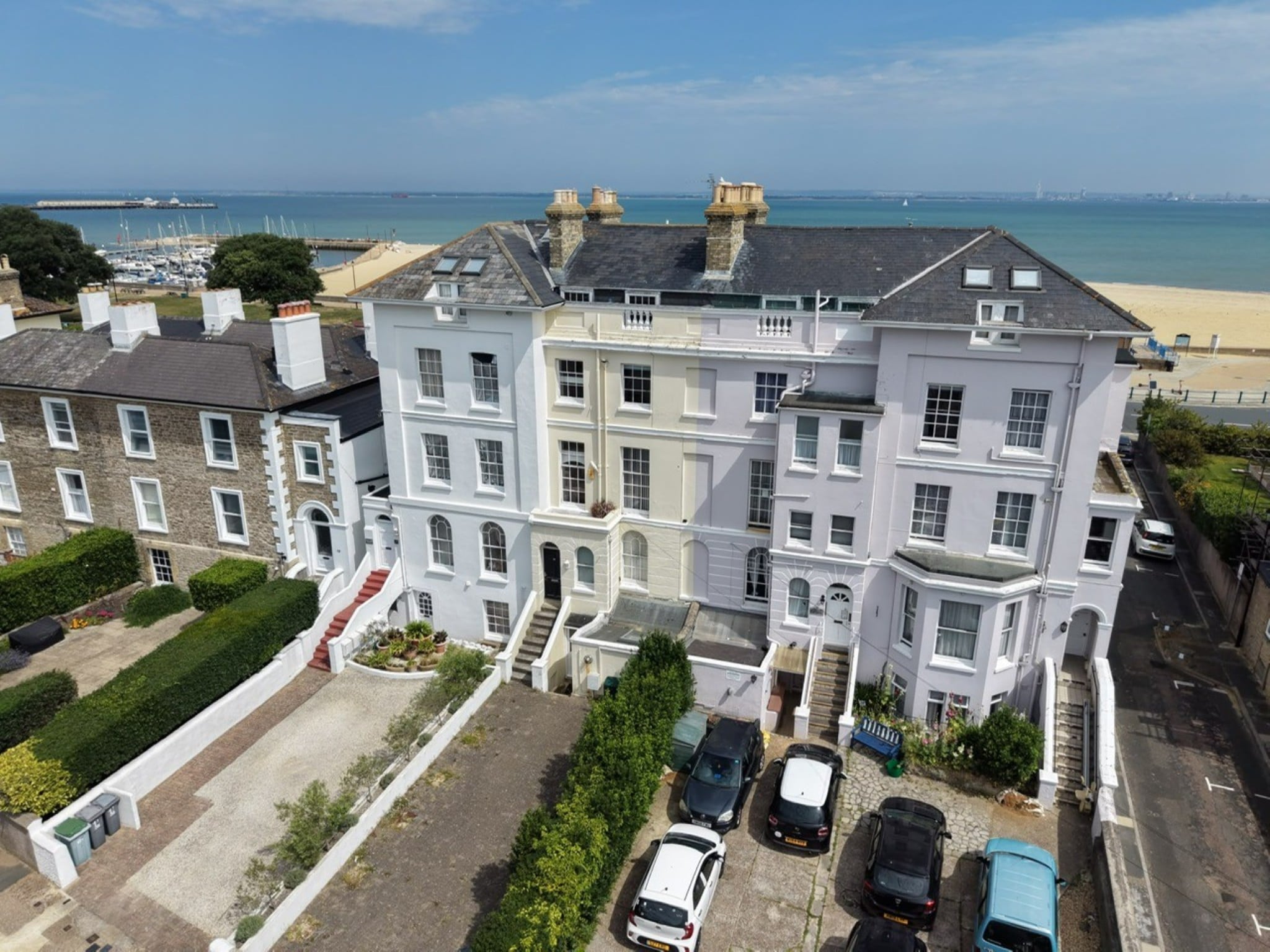
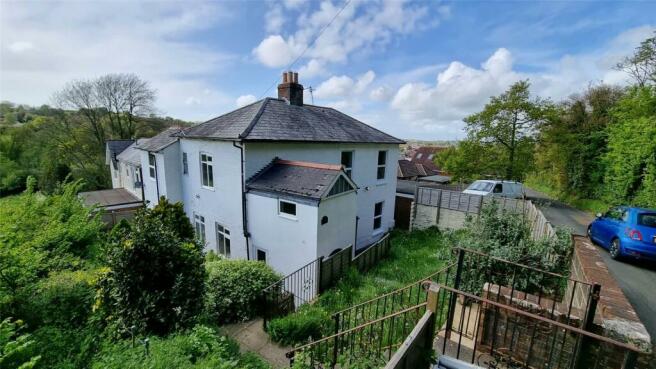
Milne’s 4-bedroom house in St George’s Lane Shide is currently on the market at a price of £435,000.












Very interesting article thank you for such, being Islanders we love to know as much as we can about the past great and good, and bad for that matter.
Never ceases to be amazed
Astonishing story. I had no idea.
Out of interest Newport Parsih Council produced a leaflet in 2013 ‘Milne Trail’. It is excellent and still available from the museum in Newport. The leaflet does say though that Milne’s home ‘Shide Hill House’ was demolished in the 1970’s and it is only the former lodge that still remains.