




































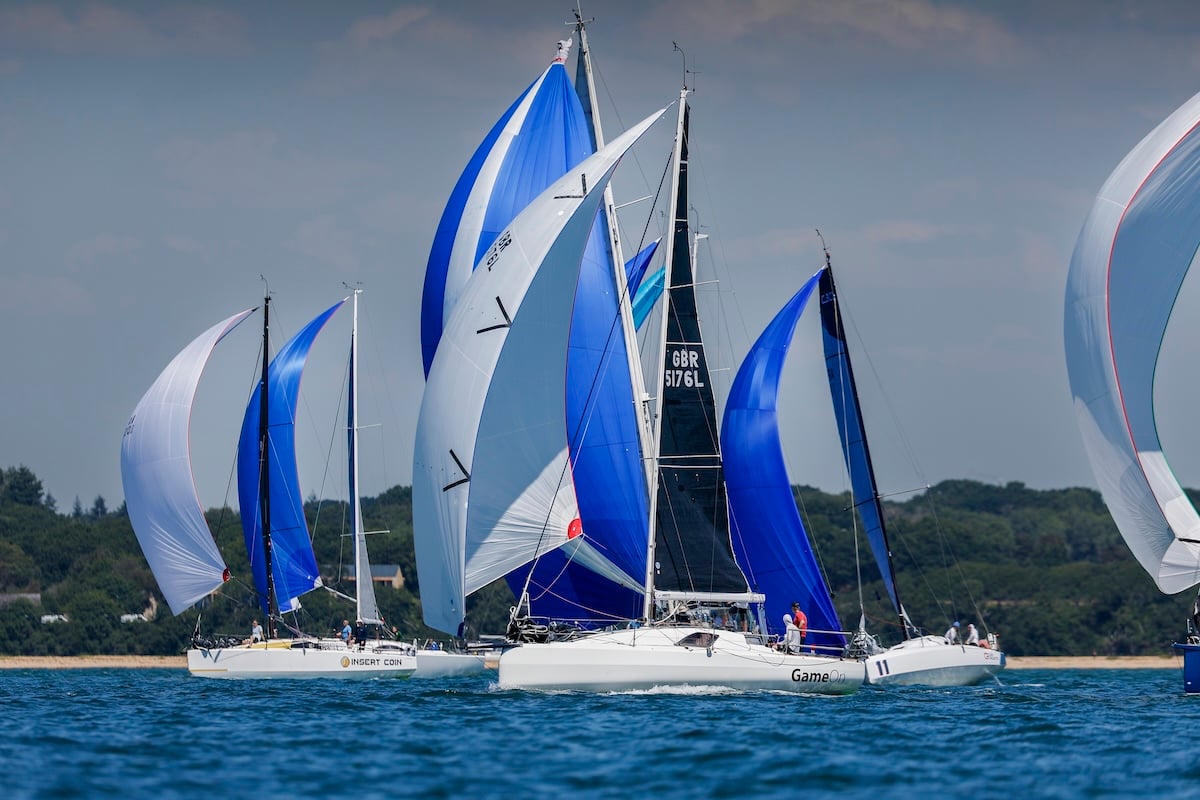

Some of the world’s top offshore racing crews will descend on Cowes this weekend as the Royal Ocean Racing Club’s (RORC) Channel Race returns to the Isle of Wight, with spectators able to watch the fleet set sail from the Royal Yacht Squadron on Saturday morning.
The race, organised by the Royal Ocean Racing Club in association with the Royal Yacht Squadron, gets underway on Saturday (25th July), with the first warning signal at 09:50 and the opening start at 10:00.
The fleet will head west from the Royal Yacht Squadron line before taking on a course that will be confirmed on Friday afternoon. Every yacht will carry satellite tracking, allowing supporters to follow the action throughout the race.


The Channel Race is the 12th event in the RORC Offshore Season’s Points Championship – the world’s largest offshore racing series – and also serves as the penultimate race of the 2026 RORC Cowes Offshore Series
This year’s edition features a host of proven campaigns, with IRC Zero expected to provide one of the closest contests of the season. Among those competing are Guy Gillon’s Khumbu, James Neville’s Ino Veritas, the Dutch crew aboard ROST-Van Uden and Graeme Lewis’ Venomous, which currently leads the IRC Zero standings.
A strong double-handed fleet of 12 teams will also be on the start line, including season contenders Bellino, Diablo, Tigris and GameOn, while competition is also expected to be fierce in the smaller IRC classes.
The race also provides an important final offshore test for several crews preparing to tackle next month’s Round Britain and Ireland Race, including the RORC Griffin Youth Pathway team.

For those watching from ashore, the best vantage point will be along the shoreline surrounding the Royal Yacht Squadron in Cowes, where hundreds of sailors and spectators are expected to gather for the spectacle.
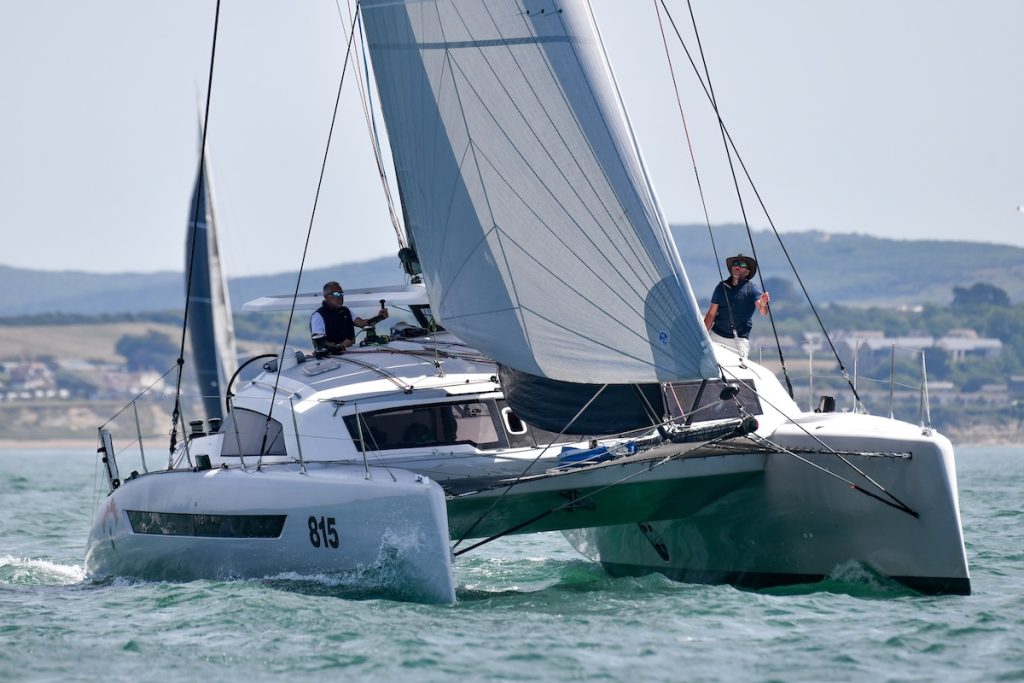
RORC De Guingand Bowl Race start Cowes
The Channel Race has a rich history stretching back almost a century. First held in 1928 as the Junior Ocean Race, it was created to provide a shorter offshore challenge for smaller yachts and developing crews. The inaugural race saw a fleet of 12 boats sail from Cowes to Cherbourg and back.
The event later became the opening race of the prestigious Admiral’s Cup in 1957, cementing its reputation as one of the Royal Ocean Racing Club’s most significant offshore competitions.
Despite evolving yacht designs and technology, the race remains a demanding test of navigation, tactics and endurance, with changing tides and weather capable of producing dramatic results right through to the finish back in the Solent.