


























































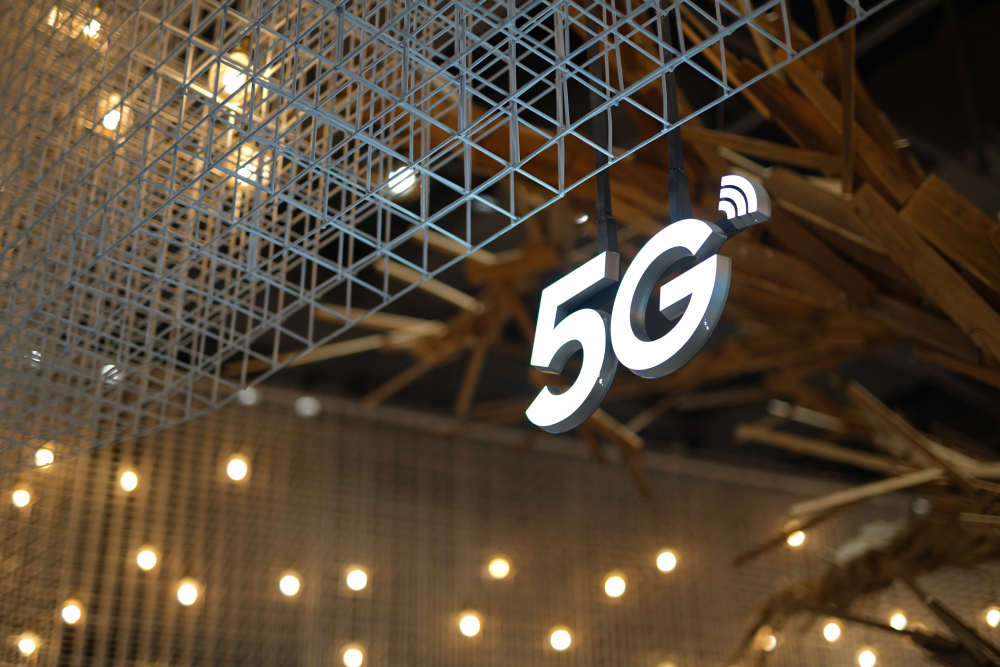

5G is slowly taking over on the Isle of Wight, with providers like EE, O2, and Vodafone all vying to cast their nets as wide as possible. The new generation of connection technology holds a lot of promise, and it’s come a long way, but it’s still a system that many of us find confusing. With that in mind, we want to look at what 5G can manage in typical use cases, to see if it’s something Caulkheads need to consider.
Finding a Place to Measure
Before taking a look at what 5G does differently from older systems, we need to settle on a measuring stick. For this, we’re turning to online casinos as a perfect encapsulation of the demands most users will put on their mobile systems. Getting around these systems requires browsing, and getting involved means loading apps like several online slot games. Titles like God of Storms and Gold Cash Big Spins all require reliable connections, and all run well on even dated phones. Finally, online casinos even offer video streams of their live games. In other words, the offerings of online casinos combined illustrate browsing, apps, and streaming, so they’re a great point of reference.
Speed, Connections, and Reliability
As a step up from 4G, 5G offers four primary differences. These are higher speeds and more simultaneous connections as advantages, and lower range and penetration as disadvantages. Let’s take a look at these in context.


Speed for browsing a website, playing a slot, or streaming video won’t usually display an appreciable difference between 4G and 5G systems. 4G is already so fast, and modern websites, apps, and streams are so efficient that 4G can keep up without issue in almost all cases. The one big difference here is for huge downloads, which can be completed faster on 5G, thanks to 5G being up to ten times faster in this regard. 5G can also offer lower latency (the amount of time it takes a signal to complete a round trip), so the delay between actions can also be lower.
Connections per tower are the next big advantage of 5G, which can accept a million users per connection point compared to 4G’s 100,000. This can be a boon in huge population centres, but since the total population of the Island is around 142,000, it’s not an advantage that will often matter. The odds of getting everyone close enough to connect to one 4G tower are low, and the odds of every person being on the internet, playing some casino games, or watching video streams are even lower.
The caveats of 5G, its lower range and penetration aren’t the problems they might first seem. While not ideal, 5G isn’t a system that intends to fully replace 4G. This is important because even low-demand systems like online casino games might disconnect if 5G drops, videos could pause, and website connections could crash. In most cases, 4G will overlap with 5G coverage, so if 5G falls short, 4G will step up.
5G is fast, and it can improve the accessibility of next-gen systems, but it’s not quite a strict necessity for the people of the Isle of Wight. This doesn’t mean it’s useless, however, as the technology is finally a case of getting ahead of the curve rather than following it. It’s a nice option to have, and it’s going to be increasingly useful in the future, but it might not be worth spending extra money on quite yet.