
































 The Isle of Wight Council has finalised budget proposals that will see council tax rise by 5.99% but also protect vital services and investment in the Island’s long-term future.
The increase means an average band C council taxpayer will see their bill increase £78 a year from April 2018.
3% of the rise will go towards funding adult social care and meet the increasing needs of the Island’s vulnerable residents, which are national challenges. The rest is proposed to be used to fund other services and tackle inflationary pressures including a national pay award for council staff.


The council has drawn up £7.5 million of savings in its net revenue budget of £150 million – and is planning to achieve the majority by efficiency savings, increased income and some service reductions.
However, £10.3 million is proposed to be spent on capital projects to safeguard services and improve residents’ lives with long-term regeneration plans and increased income generation to boost the Island’s economy and protect council services.
As decided by councillors in January, council tax support for those of working age who qualify will fall from 80% to 70% but a hardship fund has been set up to help anyone in difficulty.
Councillor Dave Stewart, the council’s leader, has said:
“Tough decisions have had to be made in this budget but it is a balanced budget, it’s a lawful budget and one that will protect and improve services while allowing us to invest in our Island’s future.
Article continues below this advertisement “Our number one concern is for the council to be financially balanced and sustainable in the long term and there are real signs of optimism in this budget that we are moving towards this goal.
“We have been able to reduce our funding gap in the upcoming financial year and we are rebuilding our reserves to a credible level which creates some more headroom to transform the way we do things.
“In every discussion that has taken place we have been mindful of the impact any cut in budgets would mean and we have tried to find a balanced and fair way to do this but, of course, there are areas where it has been tough to do so.
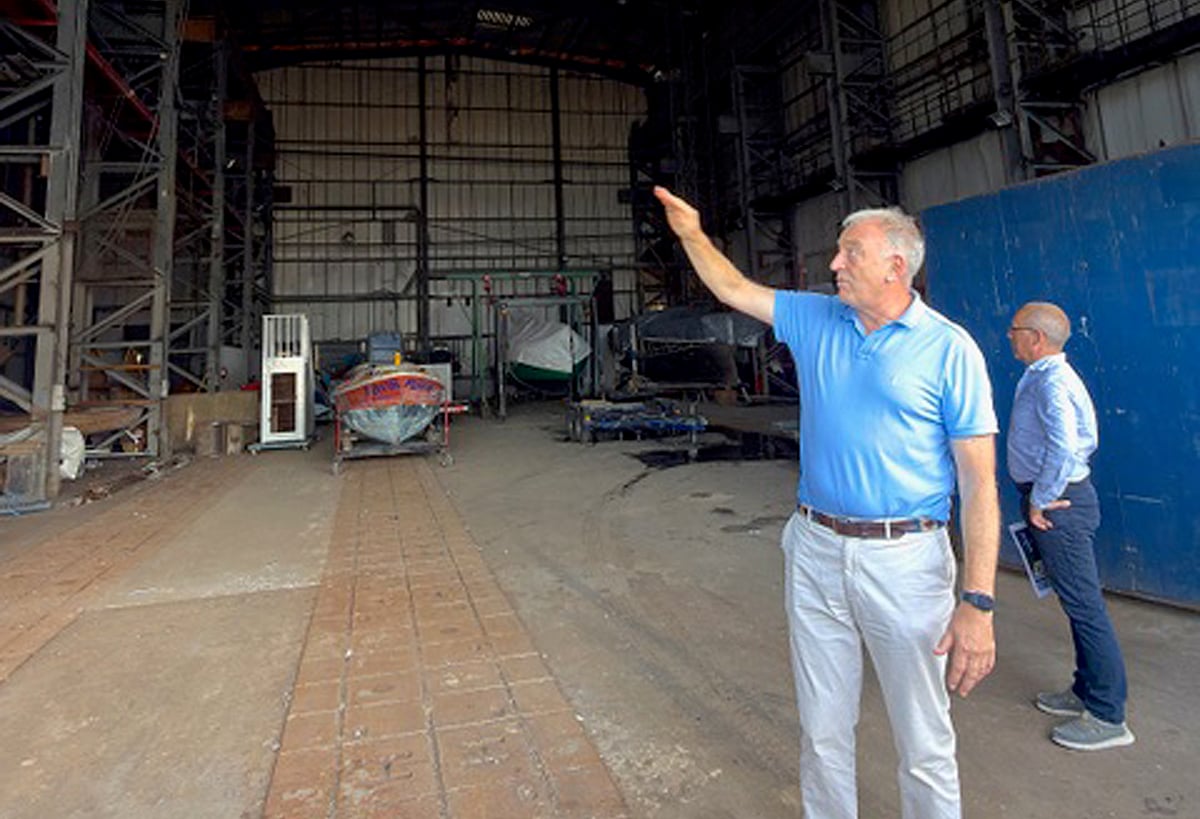
“Our initial focus has been about regenerating the Island’s economy and securing inward investment. We are well into the delivery of that strategy with projects such as Newport Harbour, Ryde Industrial Park and Kingston Marine Park, so that we can grow our income, and our recent very successful green waste scheme launch is a good example of this.
“Now we must work even harder to be more entrepreneurial and commercial to generate the maximum income from our assets and services.
“The financial climate is difficult and we continue to make the unique case to government about extra funding that recognises our island status. As council leader, I am working with the Island’s MP Bob Seely to continue this dialogue with ministers.
“However, it must be noted we have received £2.2 million extra from the government this year to help fund services like adult social care and we are now in a business rate pilot scheme that will give us at least another £1.95 million extra in the forthcoming year.”
A staggering 57% of the council’s total controllable spend is taken up by Children’s Services and Adult Social Services.