









































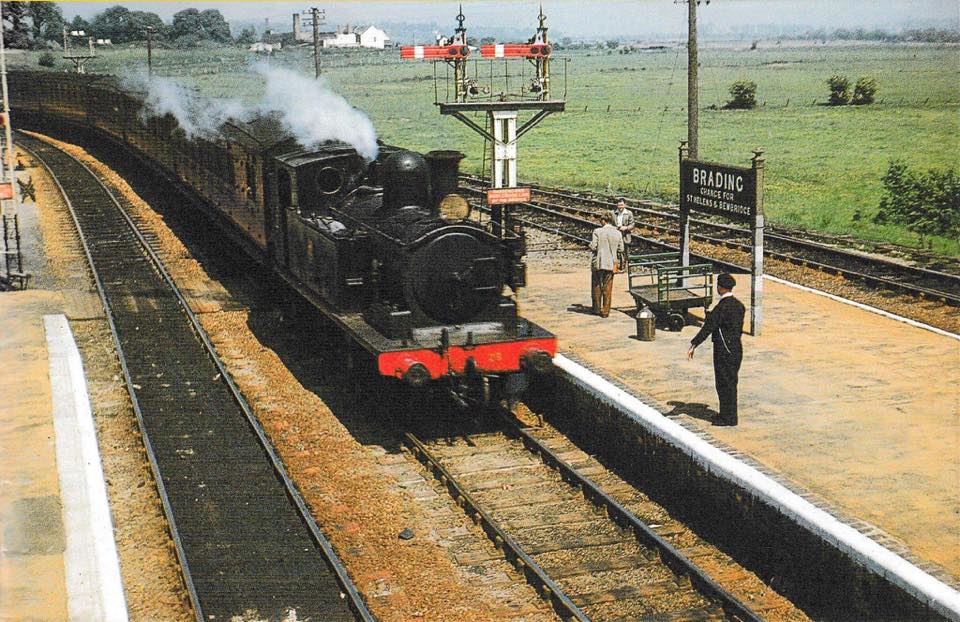

Opened in 1864 on the Isle of Wight Railway’s first line, Brading station later became a busy junction before becoming one of the Island’s most intriguing railway survivors.
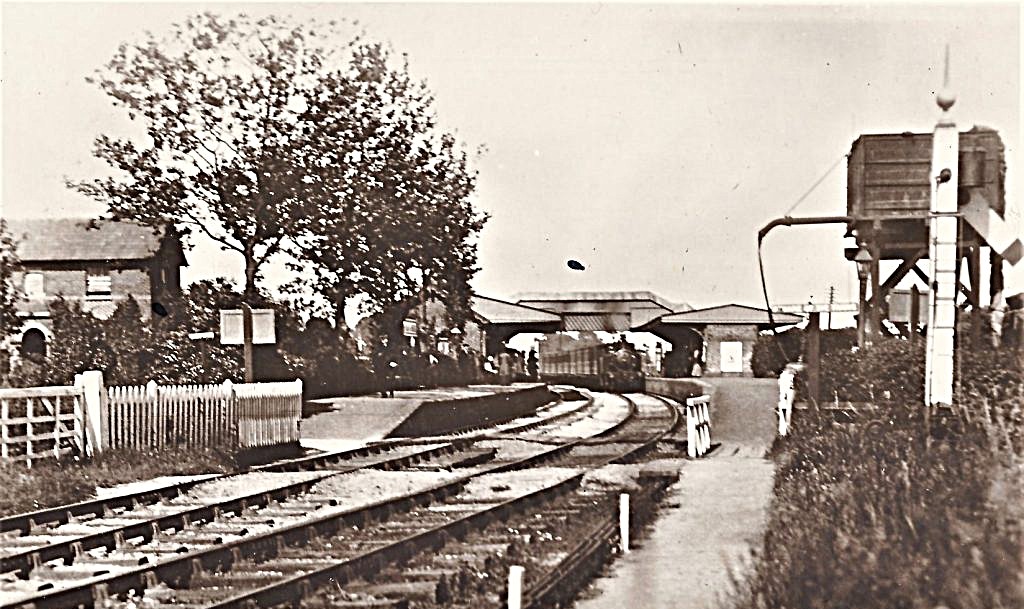
Brading station opened on 23rd August 1864 with the Isle of Wight Railway’s line from Ryde St John’s Road to Shanklin. It served one of the Island’s oldest towns but was built slightly outside the town centre on open ground.
The location reflected the geography of the time. Brading Haven still existed as a tidal inlet stretching inland towards the town. Much of what is now Brading Marshes was shallow water or mudflat. Engineers therefore routed the railway along firmer ground on the western edge of the haven.


The station site also allowed space for sidings and future expansion. That proved important later.
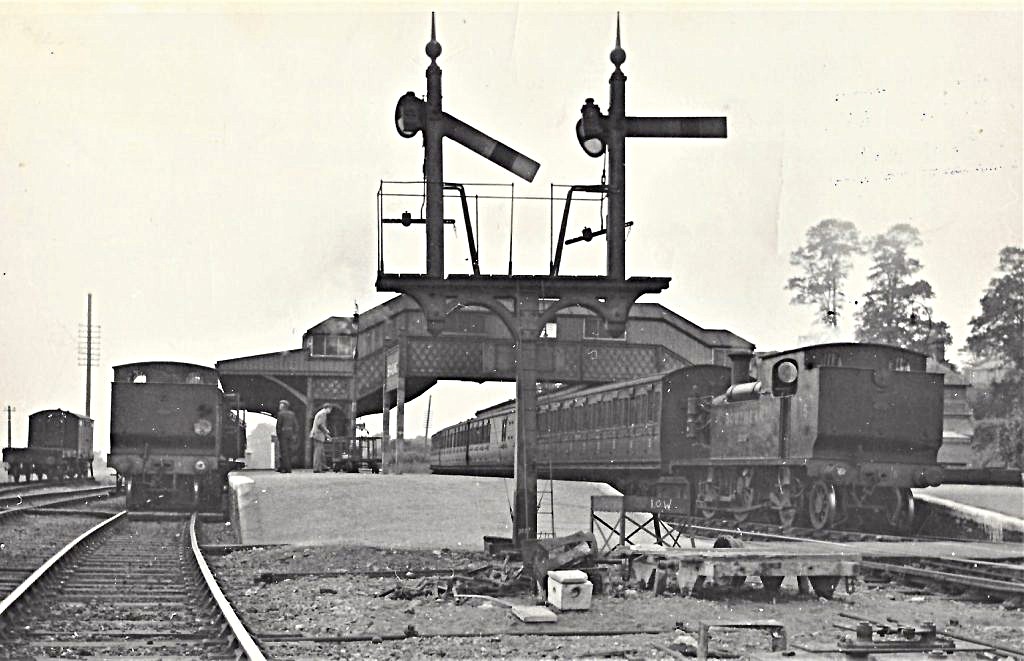
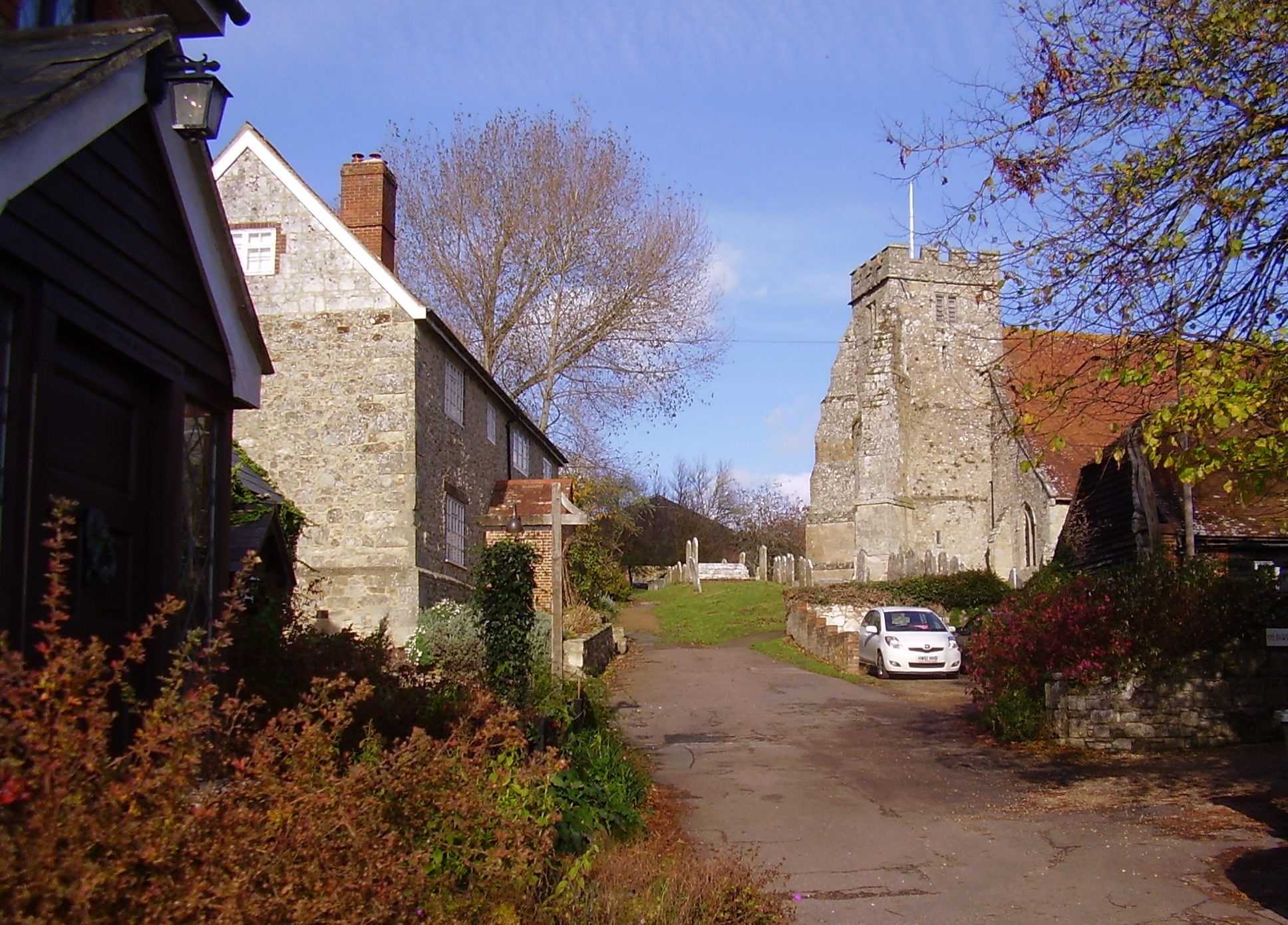
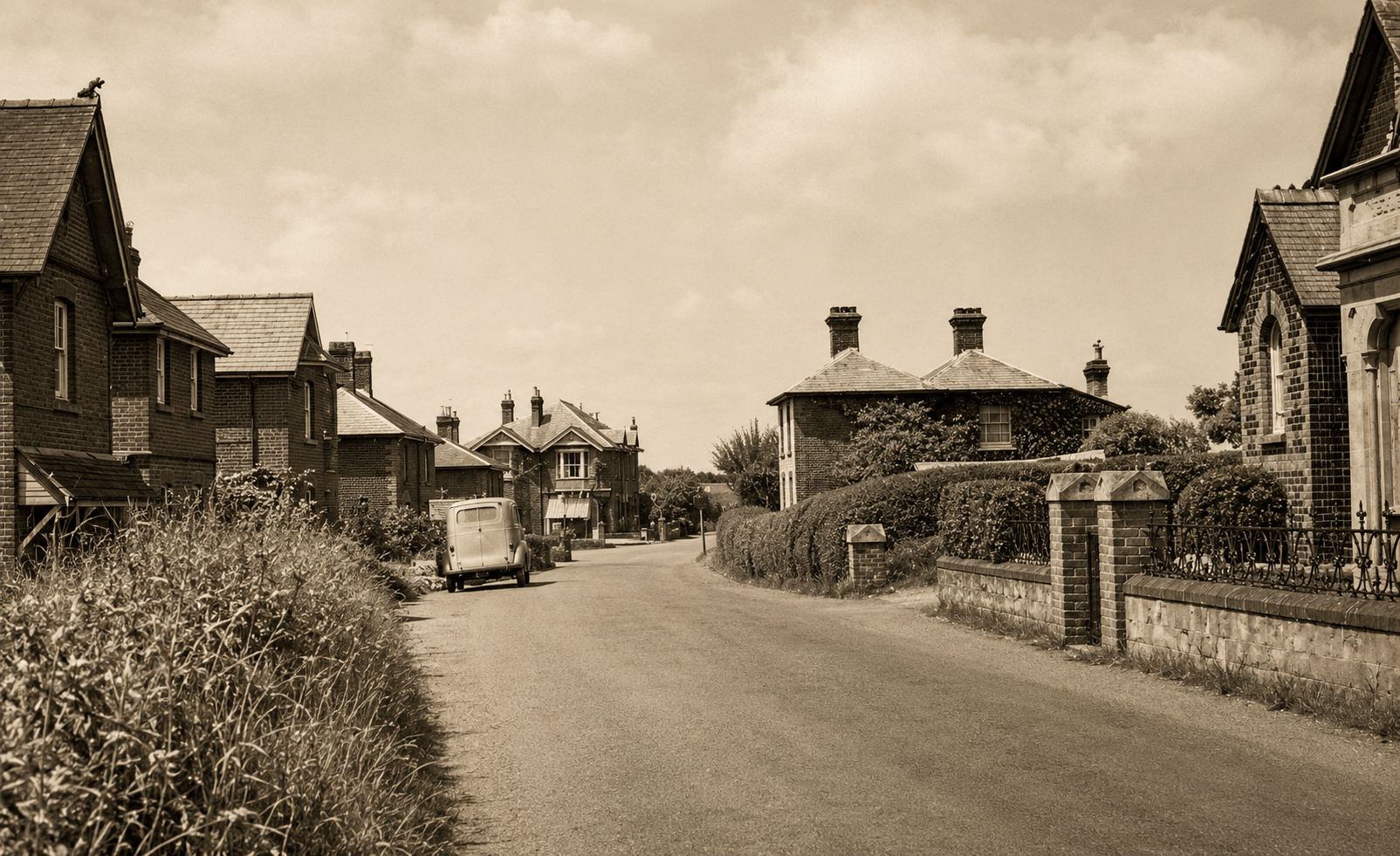
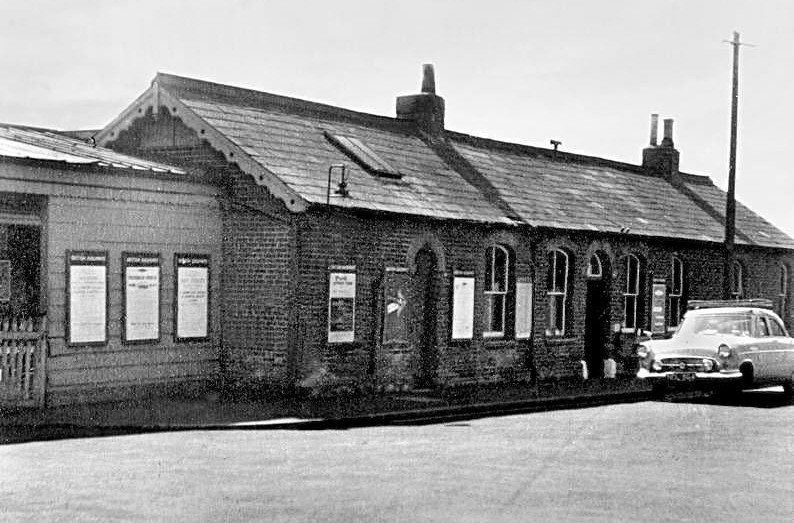
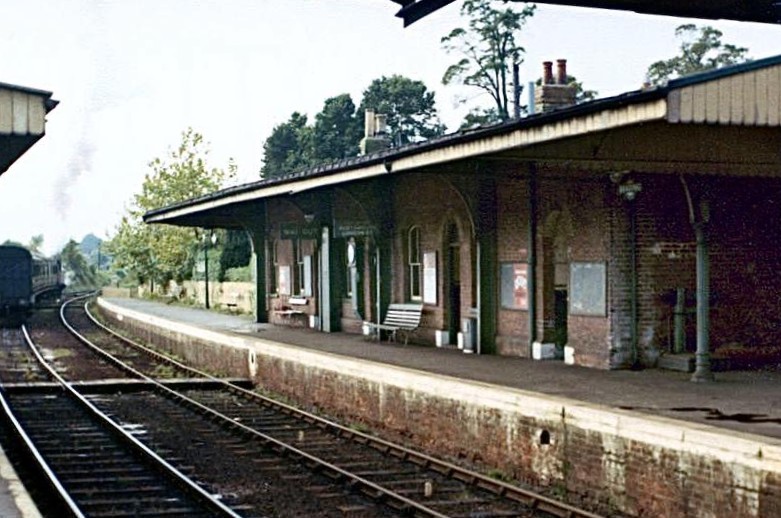
In its early years, Brading was a modest but well-built station. The main station building and station house followed the Isle of Wight Railway’s standard design. Both survive today and are listed structures.
Goods traffic quickly became important. Sidings allowed coal, farm produce and building materials to be handled for the surrounding countryside. Stations like Brading acted as small rural freight depots.
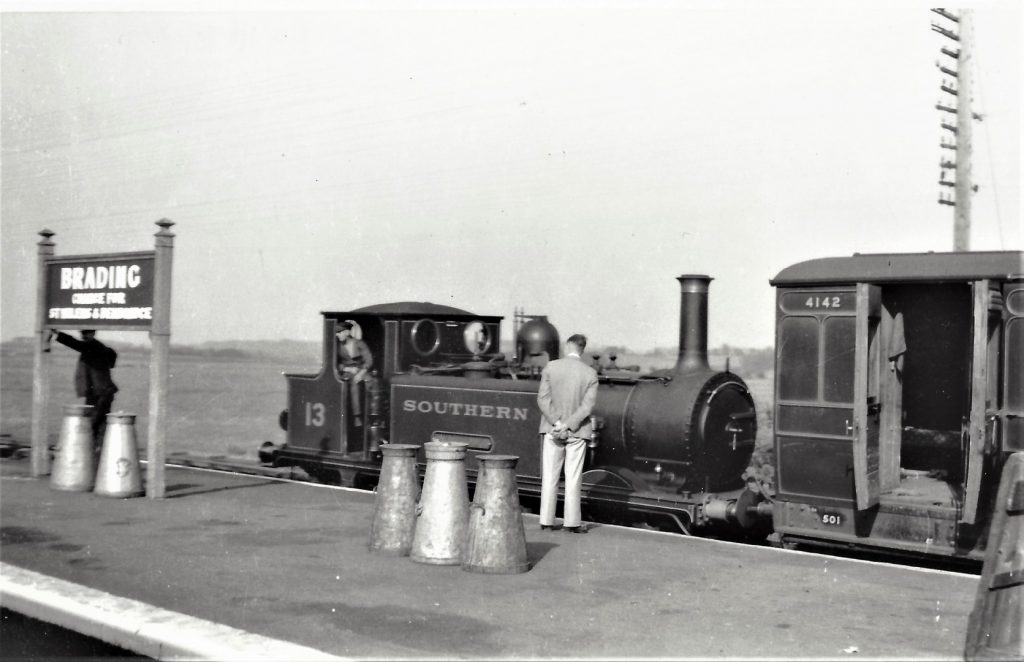
Everything changed in 1882.
That year the Bembridge branch opened. Brading, already nearly 20 years old, suddenly became a junction station.

The branch ran eastwards towards St Helens and Bembridge and was connected with schemes to reclaim Brading Haven. The station had to be enlarged to cope with the extra traffic.
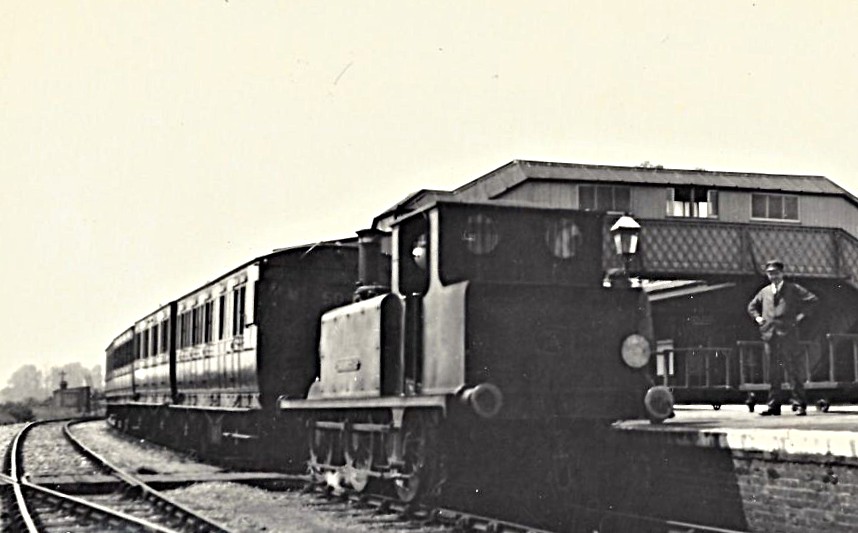
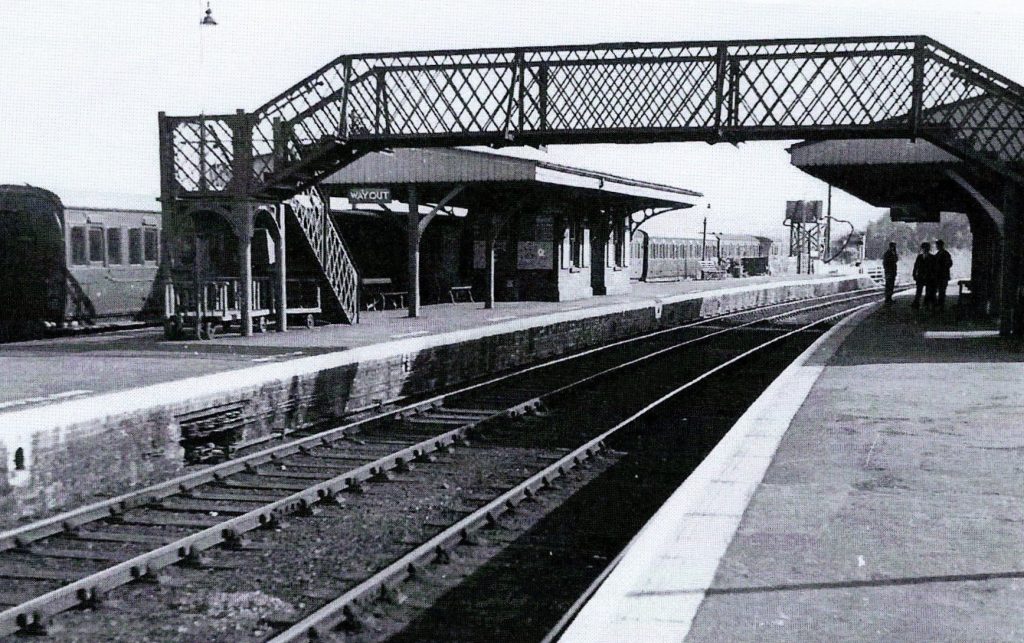
At its busiest, Brading had 3 passenger platforms, a bay platform for branch trains and several goods sidings. The junction itself lay just south of the station. This allowed branch trains to enter the bay platform without blocking the Ryde–Ventnor main line, a practical arrangement on a largely single-track railway.
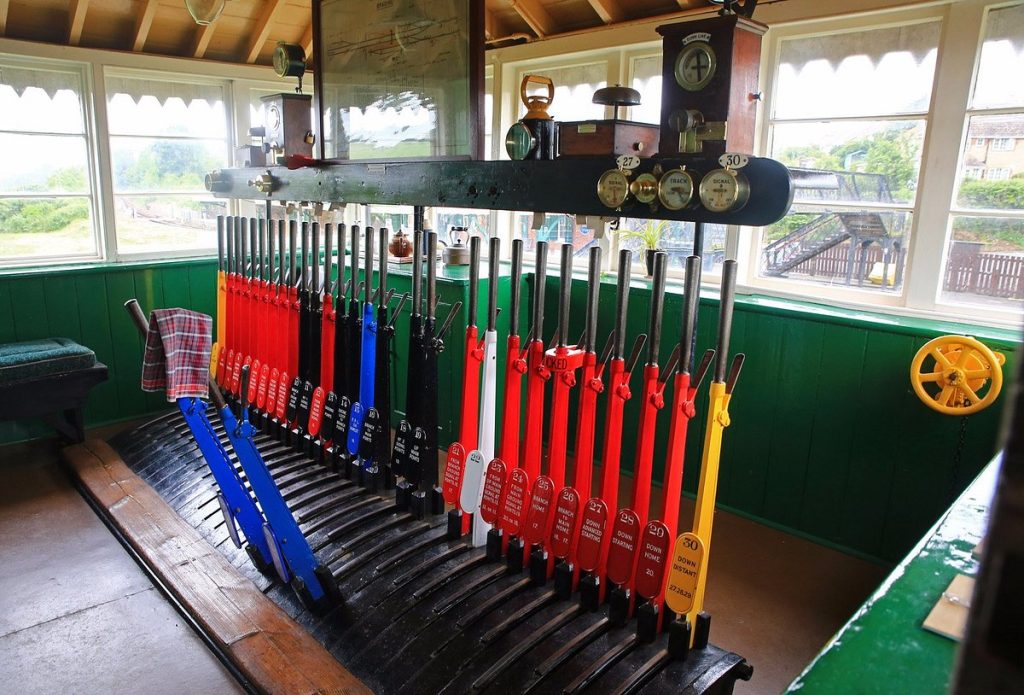
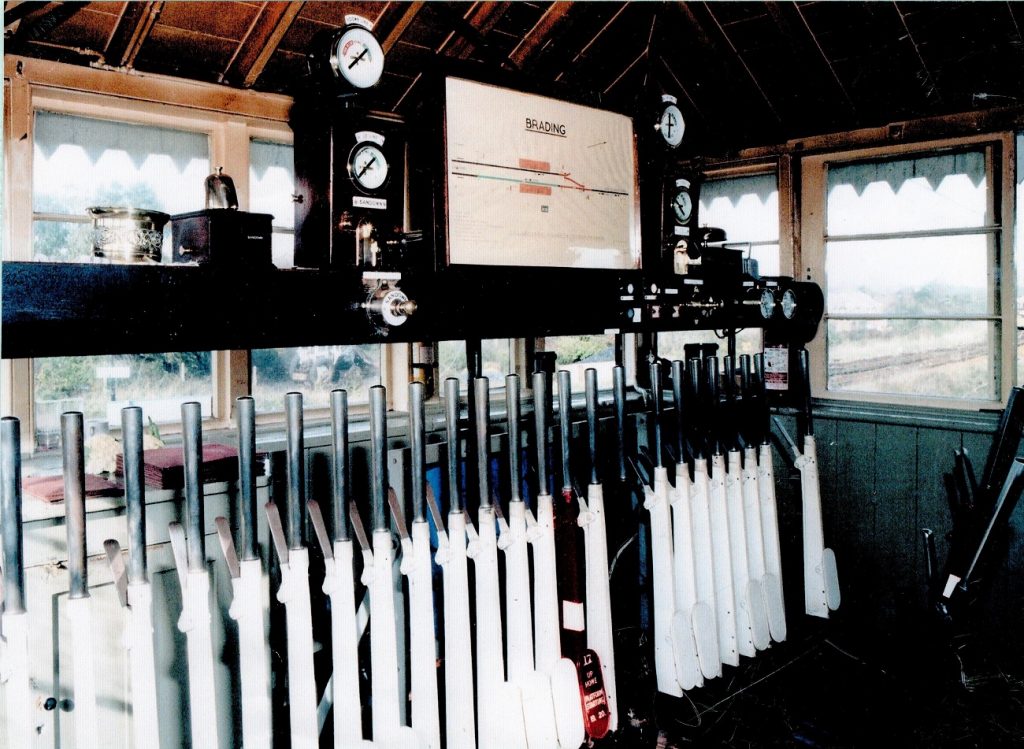
A signal box was built the same year. The brick structure still stands today beside the line. Inside remains the original Stevens & Sons lever frame installed in 1882.
From this box the signalman controlled trains arriving from Ryde, departing towards Sandown and Shanklin, or turning onto the Bembridge branch. At the junction’s peak the signalman effectively supervised 3 routes at once.
The box required a substantial 30-lever frame, unusually large for an Island station.
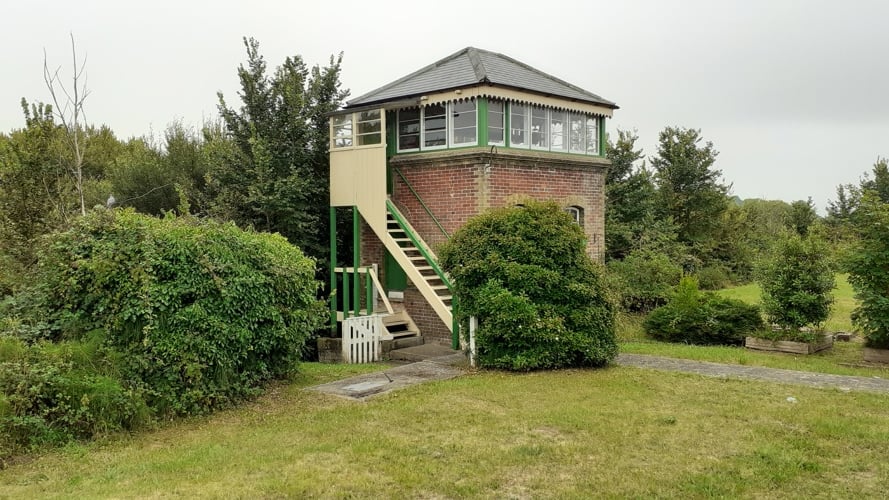
The building appears oddly placed today, standing some distance from the platform in use. When built it stood in the middle of a busy junction layout. The surrounding tracks were later removed.
The railway around the box shrank. The box itself never moved.
Brading therefore functioned as a busy small junction through the late Victorian period.
Holiday traffic increased as Sandown and Shanklin developed into seaside resorts. Trains from Ryde carried visitors heading south to the beaches. Branch services connected passengers travelling to Bembridge.
Goods traffic from the surrounding agricultural district also passed through the station.
After the 1923 Grouping, the line passed to the Southern Railway. Traffic remained strong. In 1927 the section south of Brading towards Sandown was double-tracked to improve capacity on the Ryde–Ventnor route.
Despite these changes the station retained an old-fashioned atmosphere.
Gas lamps continued to light the platforms long after most stations had converted to electricity. Brading’s gas lighting survived until 1985, making it one of the last British Rail stations to use them. Railway enthusiasts travelled to photograph the lamps before they disappeared.
Small architectural details still reveal the station’s origins. The canopy ironwork carries the initials of the Isle of Wight Railway, a reminder that the station predates the Southern Railway by nearly 60 years.
The Bembridge branch declined after the Second World War. Passenger services ended in 1953, and the line closed completely soon afterwards.
Brading lost its role as a junction but survived as a through station.
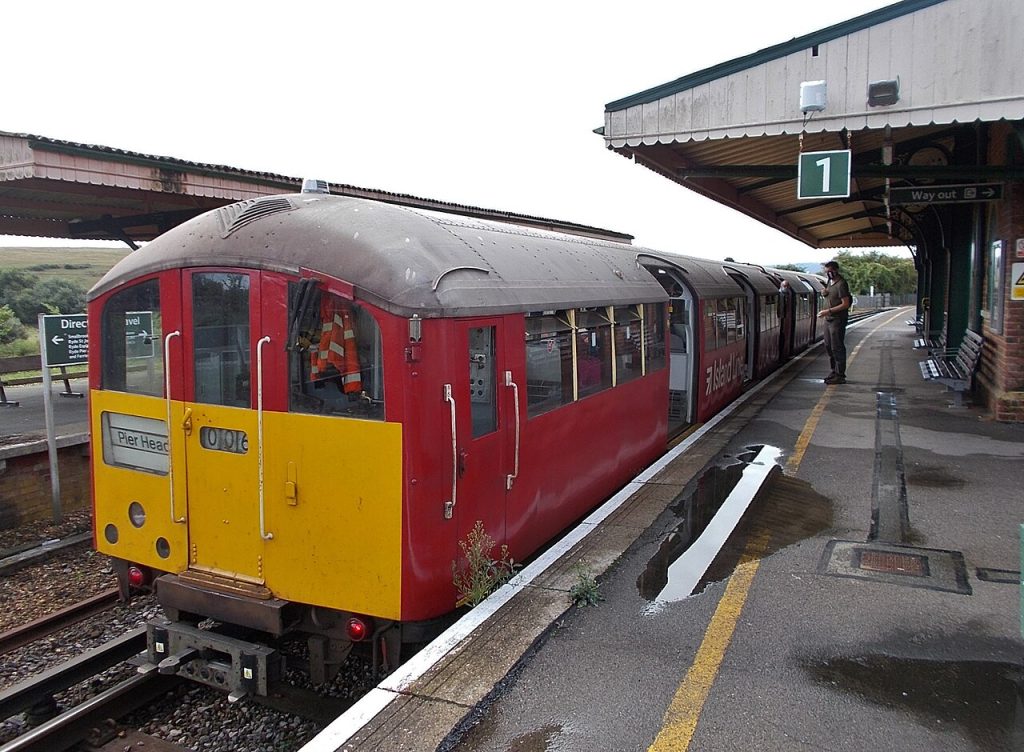
In 1967 the Ryde–Shanklin route was electrified and former London Underground trains began operating what is now known as Island Line.
A major change came in 1988.
That year the signal box closed and the passing loop was removed. The track layout was simplified and the station reduced to a single platform.
The signal box remained standing but quickly fell into disrepair. At one stage demolition was considered.
Local intervention saved it.
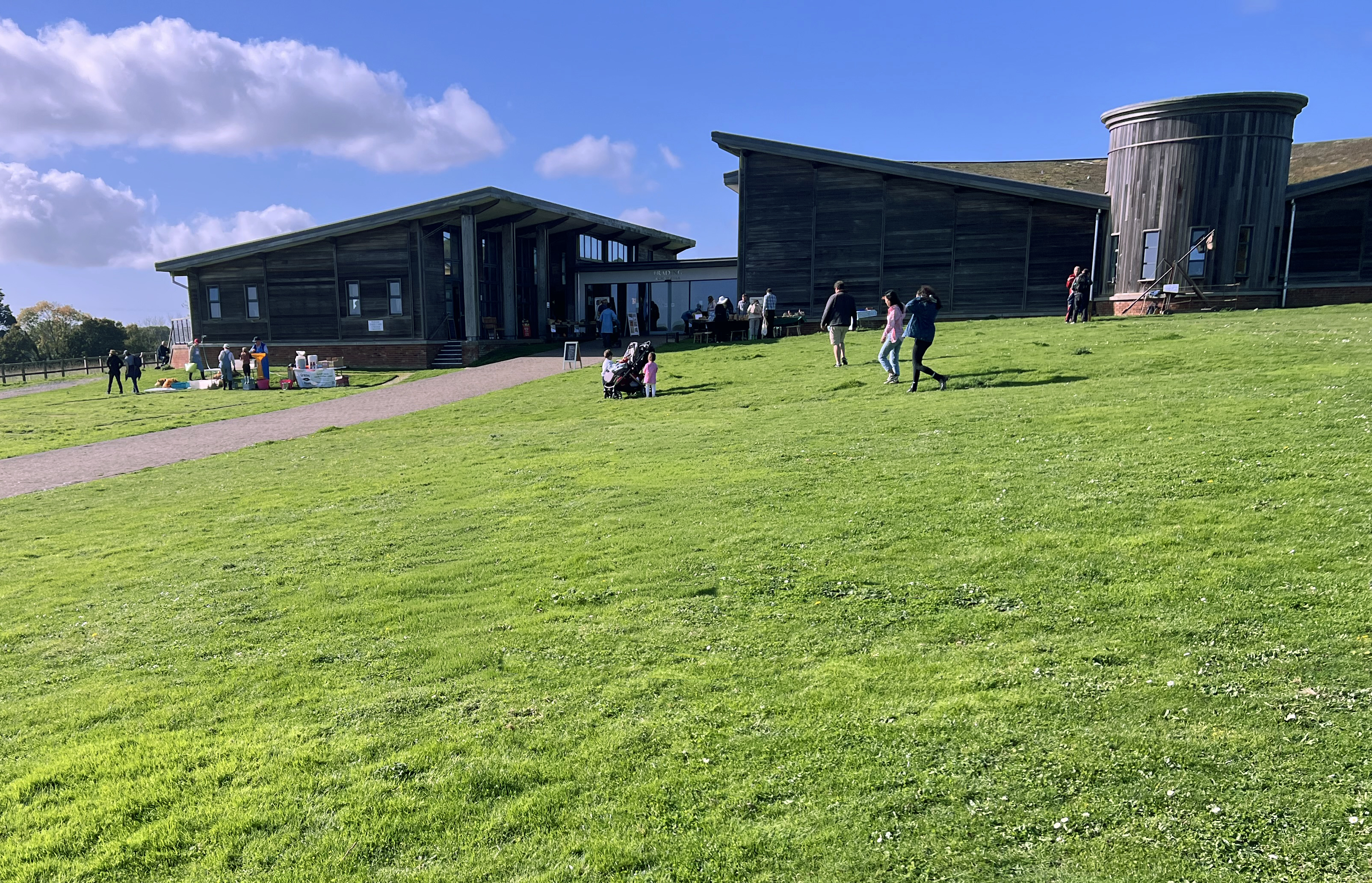
Brading Town Council and volunteers stepped in during the 1990s to restore the station buildings and signal box. Parts of the complex were converted into a heritage centre.
The signal box once again became the most distinctive feature of the station. Visitors can now see the original lever frame that once controlled the junction.
The station footbridge reflects the junction era as well. When Brading had multiple platforms passengers needed to cross safely between trains for Ryde, Ventnor and Bembridge. The original Victorian bridge eventually became unsafe and was removed. The structure seen today is a careful replica installed in the late 1990s.
The railway itself changed again in 2021.
The Island Line upgrade reinstated the passing loop at Brading and returned a second platform to service. For the first time in 33 years trains could once again cross at the station.
Modern passengers may see only a quiet rural stop. Yet the surviving buildings, restored signal box and revived loop reveal a station that grew into a junction, declined with the network and survived largely because local people refused to let it disappear.
What are Island Echo readers’ memories of Brading Station? Do you or have you used it for work and school or just visited the heritage centre? Let us know in the comments.










Very interesting thank you IE
Great article, travelling by rail is great, it’s high time
the island expanded it’s railways.