
























































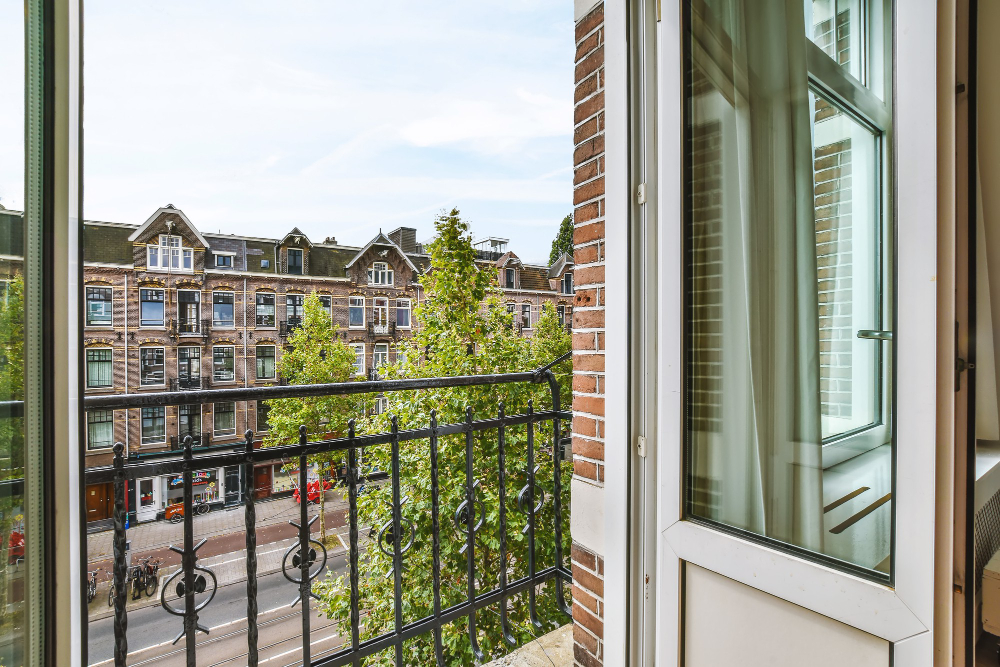

A balcony update can make a home look sharper and feel more open. Yet the job rarely starts with colour or finish. It starts with checks on permission, structure, privacy, and safety.
That matters even more when glass is part of the plan. A clear edge can look light and simple, but the paperwork behind it often is not. Early questions can prevent delays, redraws, and costly changes later.
The Checks That Matter Most
Know If Permission Comes First
In England, a true balcony is often a planning issue before it becomes a design choice. Planning guidance says balconies, verandas, and raised platforms will often need permission. By contrast, a Juliet balcony with no external platform may count as permitted development, and raised platforms below 0.3 metres may sometimes be allowed.


Design ideas often come first, especially when a clean edge can open up a view. However, a balustrade with glass should only follow checks on platform depth, use, and local controls. That order helps owners avoid choosing a finish that later needs redesign.
Privacy can shape the outcome just as much as appearance. A new platform may look into a neighbour’s garden, windows, or outdoor seating area. Listed buildings and conservation areas can also bring extra limits, even when the change seems modest.
Check Structure Before Choosing Style
The line between repair and replacement matters more than many owners expect when maintaining a balustrade with glass. Recent guidance in the UK reflects this clearly, as outlined in Planning Portal’s guidance on balconies. Certain minor works may not require the same level of approval, which can influence decisions when updating a balustrade with glass. Like-for-like repairs are often treated differently from wider alterations, while balconies, verandas and raised platforms will often require planning permission in England.
Once work affects the structural elements, requirements typically become stricter. If the update involves changes to framing, load-bearing components, or the overall design, approvals may be needed. In the UK, the same logic applies, and Planning Portal guidance on balconies gives a useful starting point for understanding what may require permission.
Before any order goes in, a few checks can save a great deal of trouble later. Ask whether the slab edge and fixings can carry the new guardrail and any extra live load. Small changes at the edge can affect the whole platform. Check how drainage and waterproofing will work after the update. A neat finish means little if water starts to sit near the door threshold.

A successful balcony refresh depends on more than style. Owners need to know what the law allows, what the structure can carry, and what proof a supplier can show. Those checks help a modern design work well in real life. It is also important to confirm whether the job is a like-for-like repair or a wider replacement. That difference can affect both permissions and cost.
Ask For Proof, Not Promises
A transparent edge does not reduce the safety evidence a balcony needs. A GOV.UK fire research report published on 22 December 2025 tested laminated glass balustrades, timber decking, and movable fuel loads. It also warned that a highly combustible balustrade can weaken the benefit of the soffit above. That underside layer can help slow fire spread.
Industry guidance still points toward laminated safety glazing for this kind of barrier. It also refers to glass at least a quarter inch thick, or about 6 millimetres. A top rail is often expected unless the system has passed breakage testing. The all glass look remains popular, but the market now expects far more paperwork behind that clean finish.
That shift is visible in wider building guidance too. A revised AC174 criterion, approved in January 2025, showed how strongly buyers now rely on tested guardrail systems for home exteriors. For homes covered by the IRC, the main U.S. house code, named systems with a clear evaluation path carry more weight than generic sketches. Check the drawings for height, thresholds, privacy, and water run off. A balcony should work well in bad weather as well as on a sunny day.
When speaking to a supplier or installer, the most useful questions are simple and direct. Request test data for loading and breakage, and ask whether the design needs a top rail. Clear evidence matters more than a tidy brochure image. Ask for the glass type, fixing details, and nearby material information in writing. That makes it easier to review durability and fire performance.
A Better Update Starts Early
A balcony can look clean and modern without becoming a planning or building headache. The safest route is to check permission first, confirm the structure, and ask for proof of performance. Each step supports the next one.
That approach protects more than the look of the home. It also respects neighbours, keeps the work realistic, and reduces the chance of expensive changes mid project. A smart balcony update starts with facts, not fittings.