

































































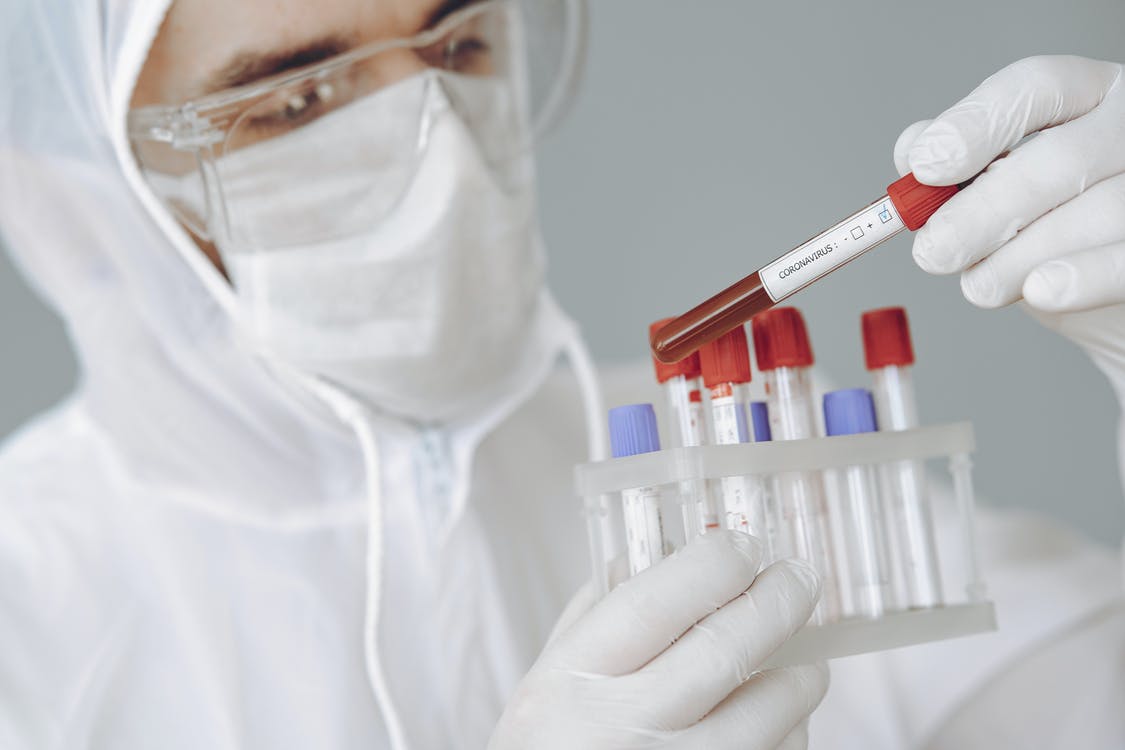

BBP or bloodborne pathogens are infectious microorganisms found in the blood of human beings and they can be the cause of various diseases. Workers who are exposed to needlesticks, cuts, or dealing with human blood and sharp objects, in general, are more prone to catch BBP. This is why it’s important to raise awareness about BBP transmission and its exposure to those who work with human blood, such as nurses and tattoo artists.
BBP can be transmitted in various ways, including blood to blood contact and contact with other potentially infectious materials. Here, as a way of raising awareness toward BBP and its prevention, we explain what BBP is, how it is transmitted, and what we can do to reduce the possibility of its transmission or prevent it altogether.
What Are BBP and OPIM?
As previously mentioned, bloodborne pathogens are microorganisms living in infected blood, which means they can be infectious and can in turn transmit different viruses that run in the bloodstream. Mainly, these pathogens include infections such as HIV (human immunodeficiency virus), HCV (hepatitis C), and HBV (hepatitis B), but many other infections can be listed under BBP. First responders, housekeepers, nurses, and healthcare workers are considered to be the most prone to BBP transmission as the nature of their workforces them to deal with open wounds, cuts, and other bodily injuries that risk their lives and put them in danger. As for housekeepers, being scratched by an infected surface or cleaning with an open wound can expose them to such diseases as well. Since BBP is transmitted through contact with infected blood or any other potentially infectious materials (OPIM), let’s take a look at what those materials and fluids include.


- Body fluids including saliva, vaginal secretions, semen, synovial fluids found in body joints, pericardial fluids, cerebrospinal fluids, pleural fluids, amniotic fluids (in pregnancy), peritoneal fluids, body fluids that are mixed with blood, and body fluids that can’t be differentiated between other body fluids.
- Damaged tissues found in living or dead human bodies; the human cell lines in most organs are considered OPIM. Healthy tissues and intact skin, however, are not considered OPIM.
- Any cell, tissue, or organ cultures containing HIV or HBV. This also includes any medium, solutions, organs, tissues, or blood from experimental animals that were infected with either one of those viruses.
- Tissues and blood from lab animals that were infected with BBP.
How BBP Is Transmitted
BBP is transmitted through one or more of the following methods:
- Intentional or accidental cuts or punctures from contaminated sharp objects such as glass, needles, or knives.
- Mucous membrane contact with any infected body fluids.
- Broken or open skin contact with any infected body fluids.
- The use of shared hypodermic needles.
- Sexual contact
- Contact between the mother and the baby before or during birth.
BBP can be transmitted through the contact of any mucous membrane with infected blood; this mucous membrane can be found in the eyes, mouths, and noses. This is why infected blood should not be directly touched and why you should keep your face covered while dealing with human blood in general.
How to Prevent BBP Transmission?
Reducing the exposure to contamination starts with workers becoming more conscientious in their workplace. Healthcare workers and other workers who are directly exposed to potentially infected needles and open wounds have to create a protection plan for their work routine in order to avoid and reduce BBP transmission. This means that they need to wear personal protective clothing, use the right PPE equipment, partake in at least one bloodborne pathogens training course, and consider upgrading work practice controls. Work practice controls can make a significant difference when it comes to eliminating BBP risk, since doctors can now use medical devices like shielded needle devices, needleless devices, and plastic capillary tubes that help them work in a safer environment.
Universal BBP Precautions
The universal precautions for bloodborne pathogens recommend treating any bodily fluid as a potential risk of infection until otherwise proven. To prevent infection, healthcare workers must use the recommended personal protective equipment such as gloves, masks, face shields, goggles, mouthguards, and waterproof garments. It is also recommended to wash your hands thoroughly while working in similar environments using warm water and strong soap. Handwashing protocols are very simple and easy to follow; they explain in detail how you need to wash your hands to cover all areas and eliminate any potential contamination.

Bloodborne pathogens can transmit serious diseases and viruses, which is why blood needs to be handled with caution. As a worker who gets exposed to many BBP cultures, you should learn how to protect yourself against transmission and use the proper PPE equipment that can isolate your skin and mucous membrane organs. Washing your hands frequently will also go a long way in protecting you from BBP and reducing your risk of infection exponentially.