
































In the 3rd part of the Isle of Wight Place Names series, Island Echo takes a further look at where the names of our many villages come from.
Today, we’ll look at the villages from the 2nd half of the alphabet from M to W.
Did you know that the name Wroxall comes from: ‘the secluded hollow frequented by the buzzard’?


Merstone: This East Wight village – which was once a significant railway junction – gets its name from ‘the farm on the marsh’ from the Old English mersc and tun. The settlement was known as Merestone in the Domesday Book (1086) after which it was known as Merston and Mershton.
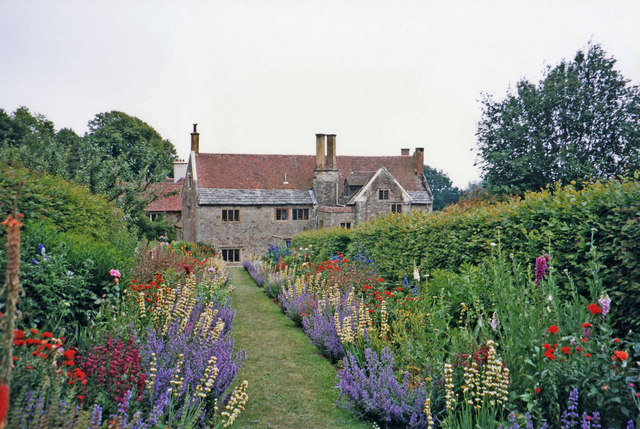
Mottistone: This name is believed to mean ‘the stone of the speakers at the meeting’ and derives from the Old English motere and stan. The tiny village is overshadowed by the 3,000-year-old neolithic longstone on the downs above. It is believed that the stone – previously possibly used for pagan worship – was used as a meeting place during Saxon and Jutish times.
Nettlestone: The village derives its name from the Old English hnutu, laes and tun and means ‘the farm near the nut tree wood’. It is not believed to have any connection with nettles. It was known as Hotelstone in the Domesday Book and subsequently as Nutelastone, Nottlestone and Netlestone.
Newtown: The name of this settlement is self-explanatory. But when was Newtown ever a town? !n 1236, it received its charter from the Bishop of Winchester. The hopes for the new town’s success were reflected in the names of the streets, such as Gold Street and Silver Street.
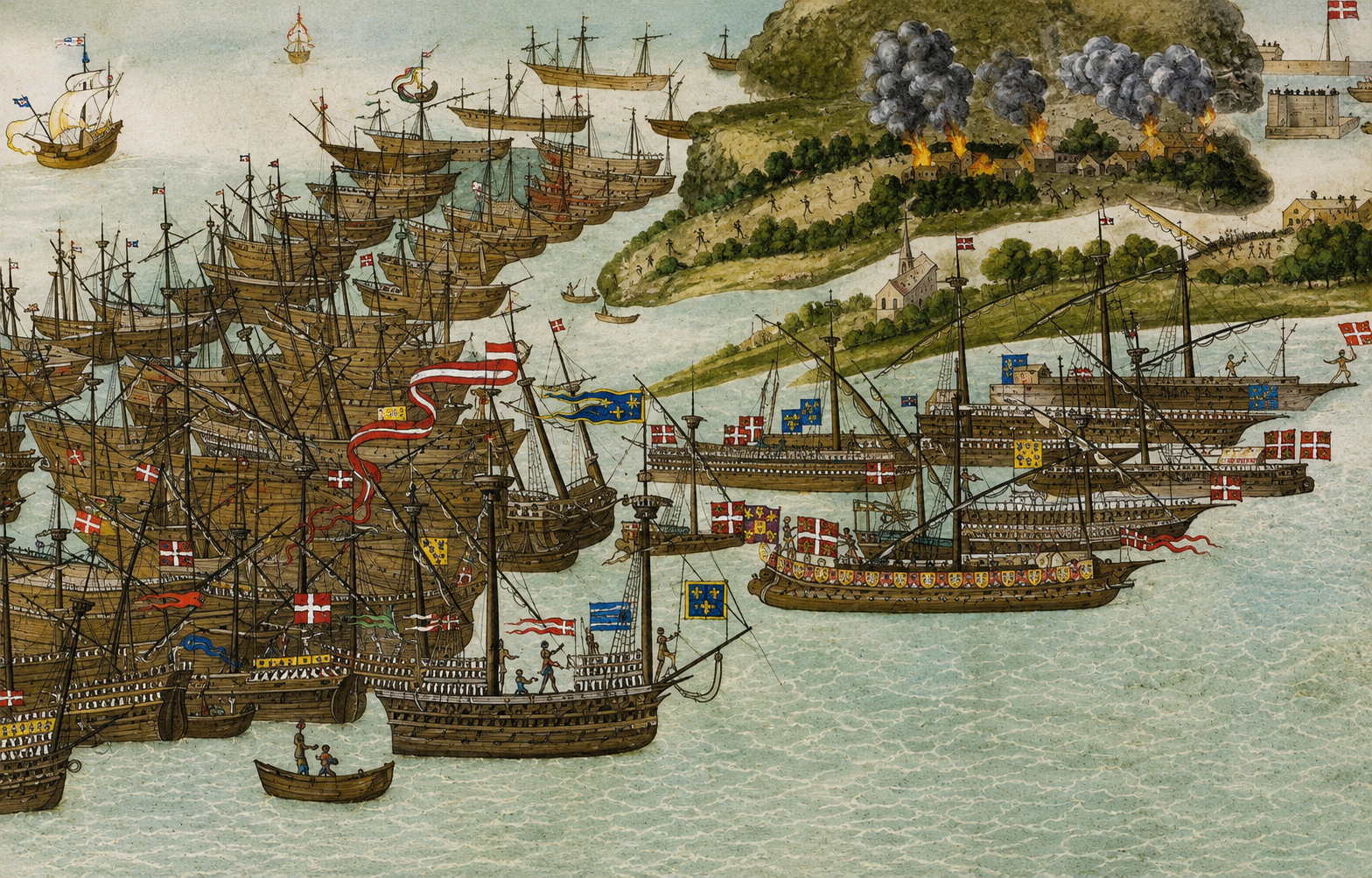
Newtown grew into a thriving commercial centre in the following century and its wealth was assessed at twice the value of Newport. However, then the plague struck and much of the town was destroyed in a French raid. The town sank into obscurity and became a village.

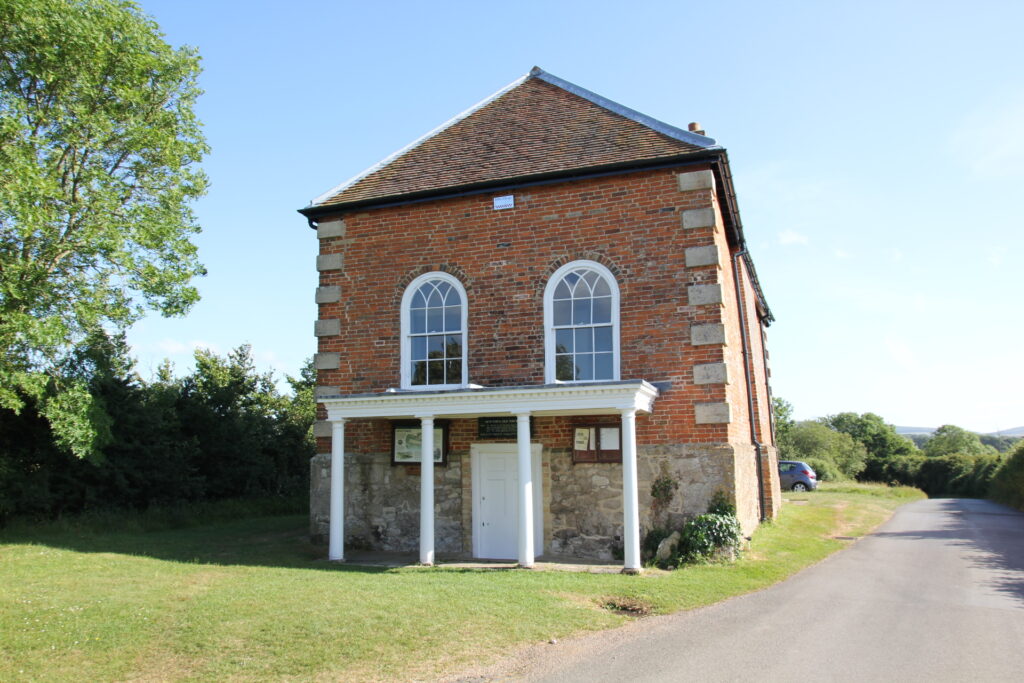
Even though the ‘town’ had lost most of its inhabitants, it was given 2 MPs by Elizabeth I in 1584, and a town hall was built. When it lost its 2 MPs in 1832, it had just 14 houses and 23 voters.
As well as being called Newtown, the village has also formerly been known as Francheville or ‘free town’ from the French franche and ville.
Niton: This simply means ‘new farm’ from the Old English niwe and tun. At one time, Niton was known as ‘Crab Niton’ due to the numbers of crabs caught off shore.
Northwood: This is one of the easier and more obvious ones. It simply means ‘northern wood’ from the Old English north and wudu as it is situated to the north of the medieval forest of Parkhurst. It has previously been known as Nortwuda, Northwode and Northwoode.
Queen’s Bower: There are 2 theories as to the origin of this name. The 1st is that Queen Anne once came hawking in the wood. The 2nd is that Isabella de Fortibus had a hunting box in nearby Borthwood. The ‘Bower’ part of the name comes from a pleasant shady spot under trees.
Seaview: This is a modern self-explanatory name, which 1st appeared in 1839, referring to the majestic views of the Solent to be had from Seaview.
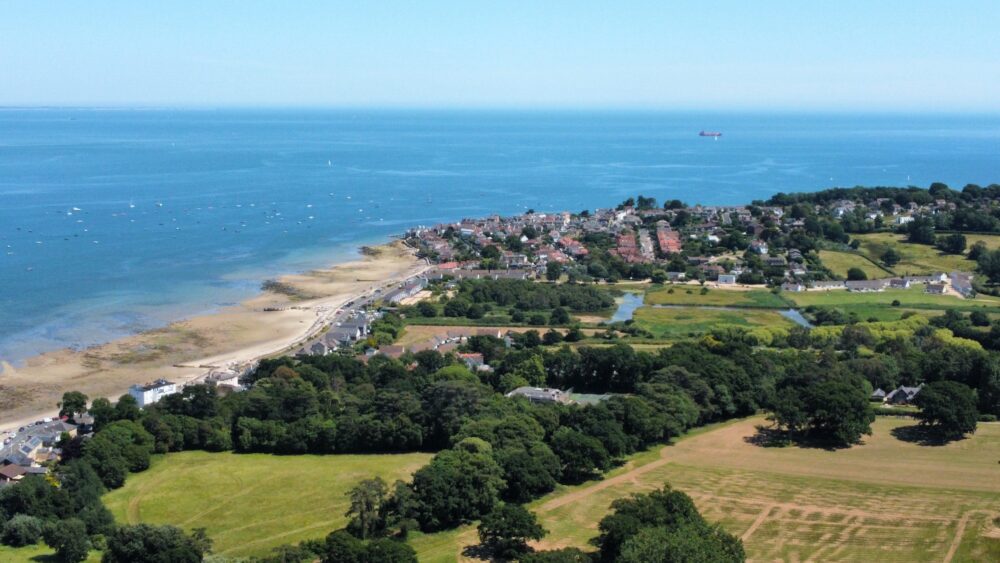
Shalfleet: This means ‘place at the shallow stream’ from the Old English sceald and fleot. The ‘shallow stream’ refers the Caul Bourne, which meanders through the village. The parish was 1st mentioned in Saxon times when it was called Scealdan fleote, following which it has been known as Shaldflete, Scaldeflet and Shalflete.
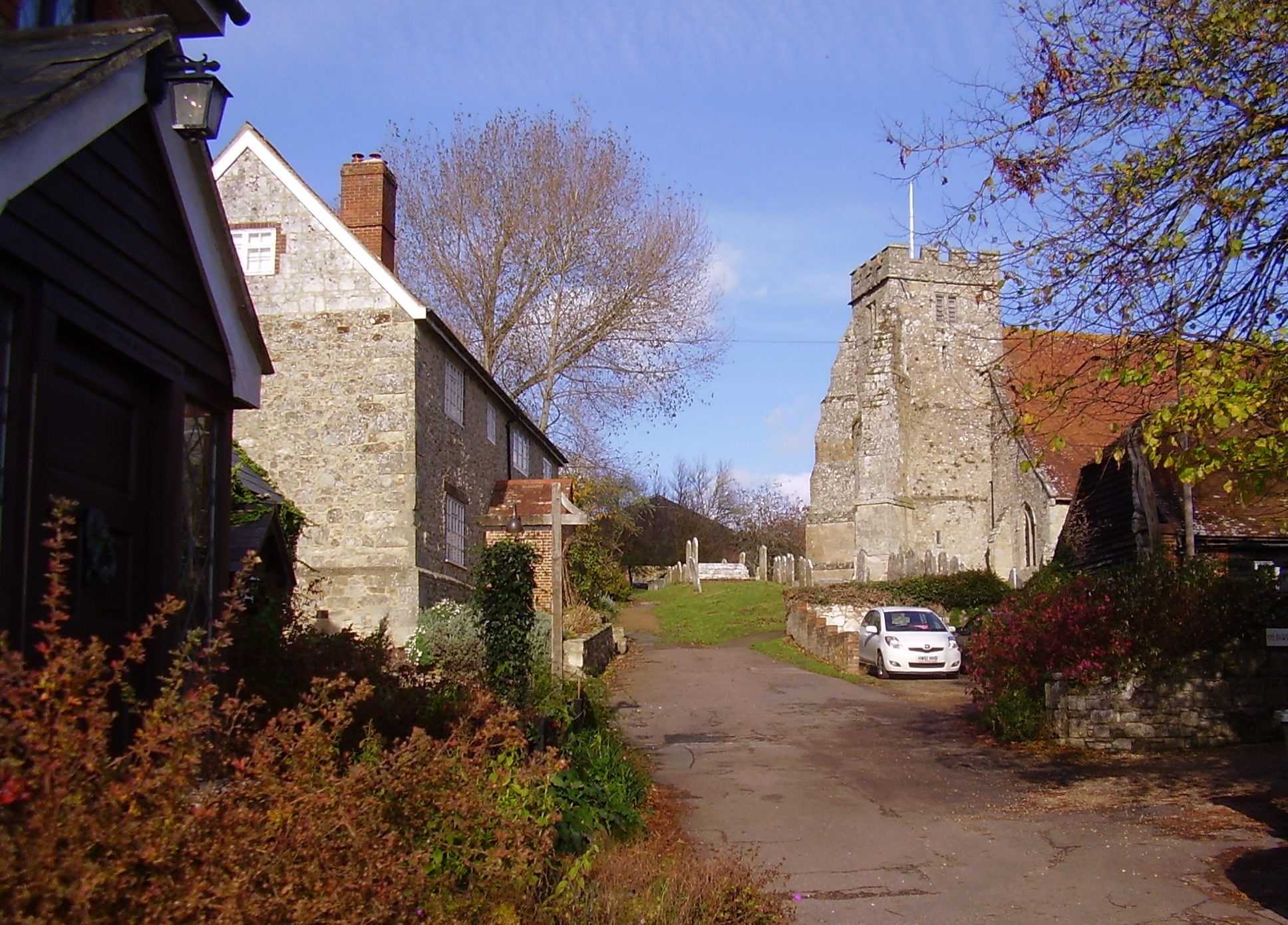
Shorwell: The name comes from the location of the village, in a valley surrounded by downs, and means ‘the spring by the steep slope’ from the Old English scora and wella. The spring referred to in the place name is the Shor well, in the grounds of North Court manor, that flows into Grange Chine. Shorwell was known as Sorewelle in the Domesday Book, and was subsequently called Sorewell, Shorewell and Schorwell.
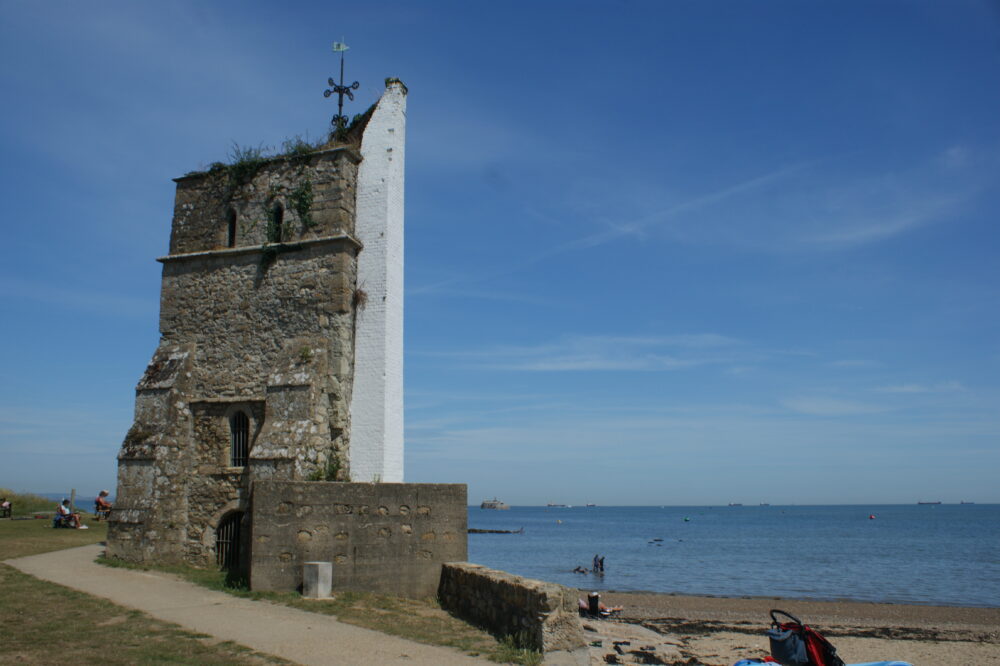
St Helens: This village has been named after its church – dedicated to St Helena – whose tower still stands at the Duver. Earlier versions of the name include: Scanta Elena, Seynt Eleyne, Seyntelenes and Seint Ellyns. St Helens has also previously been called Eddington, which is believed to mean ‘a farm belonging to a woman called Eadwynn’.
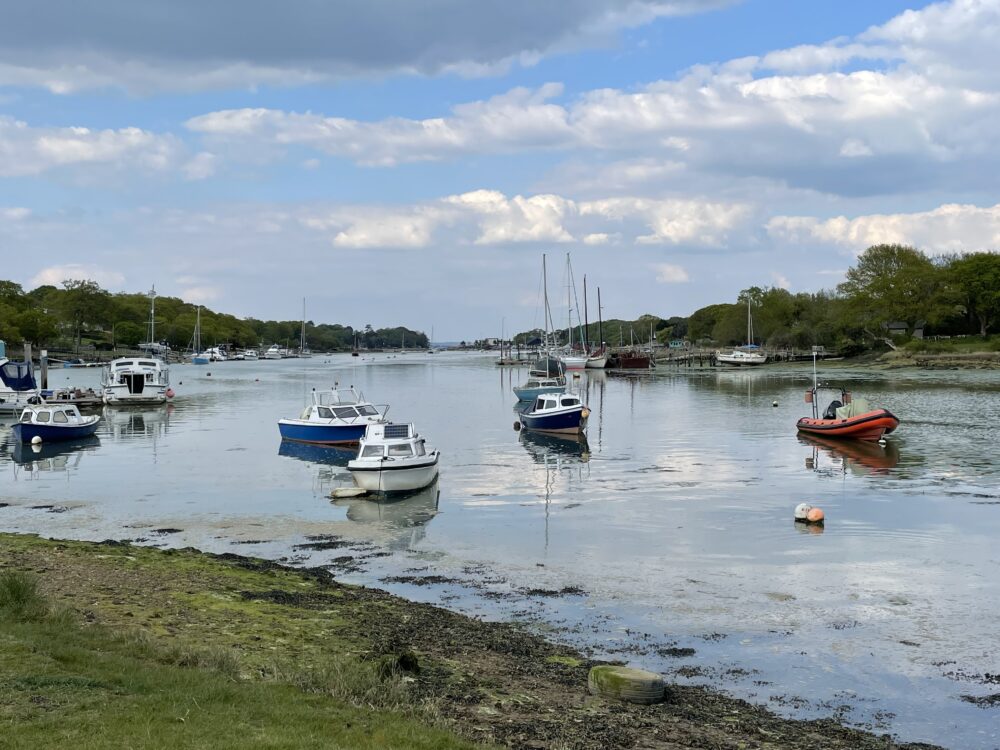
Totland: This means ‘land with a lookout place’ from Old English tot. The lookout would have been a beacon on Headon Hill, which would have been lit to warn of danger.
Whitwell: This is a quite easy place name to decipher, the village having been named after ‘the white spring’, from the Old English hwit and wella. The source of a tributary of the River Yar is to be found in the village. It has previously been called Quitewell and Whytewelle in Medieval times.
Wootton: The place name means ‘the wooded farm’, from the Old English wudig and tun. The area is still surrounded by woods, with Firestone Copse to the south and Brocks Copse to the north. Wootton was called Odetone in the Domesday Book, after which it was known as Wudeton, Woditone and Wotton.
Wroxall: The origin of this name is quite poetic as it means ‘the secluded hollow frequented by the buzzard’, from the Old English wrocc and halh. The village was known as Warochesselle in the Domesday Book, then Wroxala and Wrokeshale before finally becoming ‘Wroxall’ in 1769.
Has your village not been included? Please let us know in the comments, and we’ll try to find out where its name comes from.
If you have a better (or more interesting) explanation for these names, again, please feel free to leave a comment.
In the 4th and final part of Isle of Wight Place Names, we shall look at some of the more curious and quirky names to be found here on our Island.





No explanation for Shanklin?
In the article about Isle of Wight town place names …
Winford? Newchurch?
I think you can guess what Newchurch means?
The second element in Winford is pretty self-explanatory since there’s a stream. The first element is probably Old English ‘winn’— a meadow or pasture, so ‘ford at the meadow’.
On the other hand there must have been a Brittonic (British Celtic) word something like ‘winn’ meaning ‘white’ or ‘bright’, which was sometimes applied to streams (related to modern Welsh ‘gwyn’ meaning ‘white’ and more distantly to Irish ‘fionn’ meaning ‘fair’). There are very few likely Celtic names on the Island, so it’s probably less likely than OE, but it’s possible – the ‘Cari’ in Carisbrooke seems likely to be a lost Celtic river name (possibly identical in origin to the River Cary in Somerset).
A quick Google search would tell you that the name Shanklin originated from a Bavarian family name in the 12th Century. As hereditary surnames were adopted in an area they settled. People were also identified by their occupation i.e… Smith or Smithy (iron mongerer) Cooper (barrel maker) Brown or Browning (leather worker) etc… The name Shanklin is an occupational name for a cup bearer or server of wine. The name from the old German word “Scenko” which means “cup”
There are a lot of incorrect or misleading etymologies to be found online. You need the historical and topographic context to interpret place name etymologies. That word you mention had a cognate in Old English—‘scenc’—which does indeed mean ‘cup’, and is quite possibly the origin of the first element in ‘Shanklin’, but in context it’s more likely to refer to the physical form of Shanklin Chine than to a personal name. The ‘lin’ may well be ‘hlinc’, a bank or ridge.
What about the village of Rookley?