



















































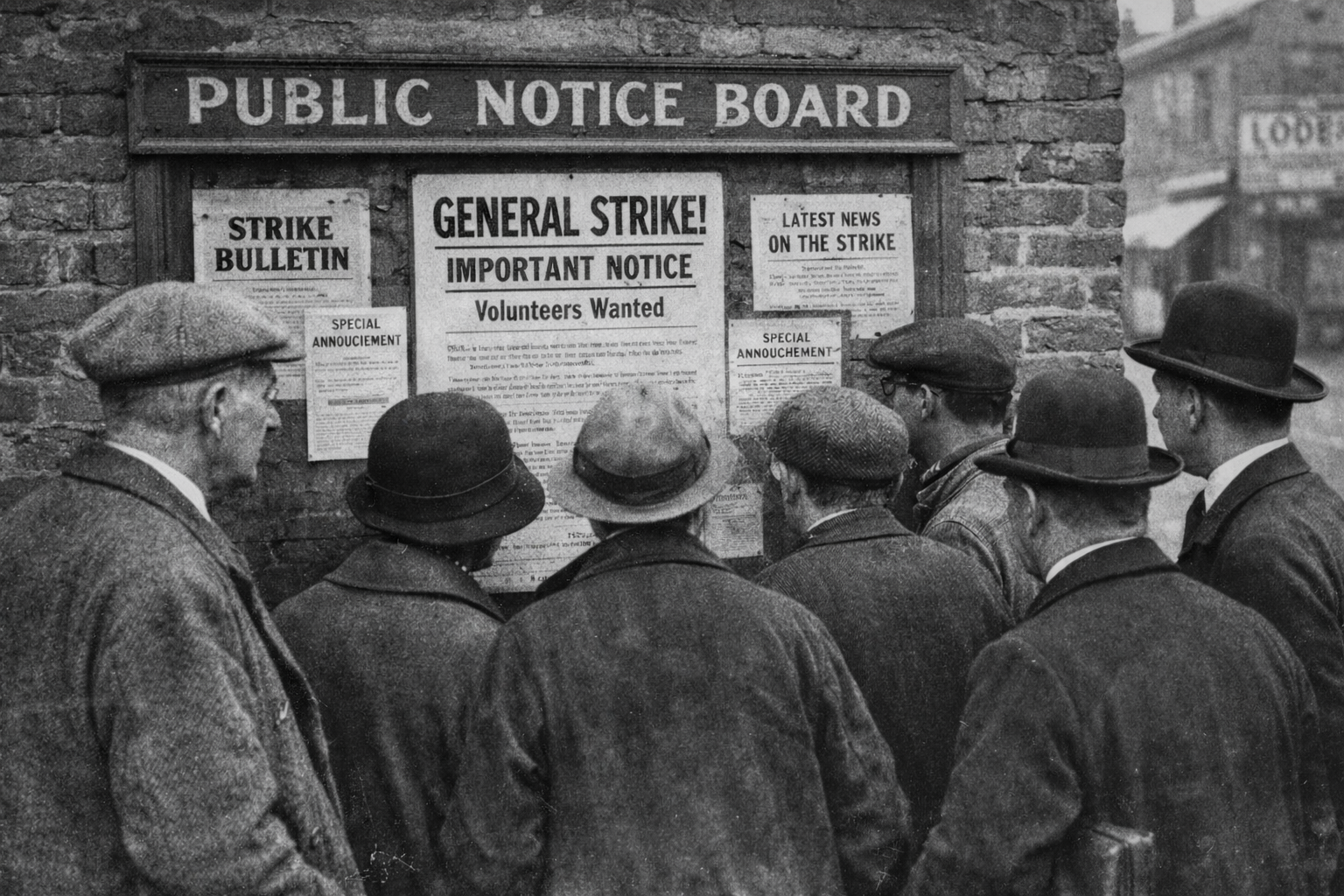

The Isle of Wight remained largely calm as the 9-day General Strike came to an end across Britain on 12th May 1926 – 100 years ago today.
For more than a week, life settled into a slower, unfamiliar rhythm – not disorder, but a quiet unravelling of routine as trains faltered and newspapers vanished, leaving the Island to adjust to a sudden break from normality.
The railways, normally the backbone of movement across the Isle of Wight, fell into an uneasy silence. Services were reduced to a bare minimum, with only occasional trains running, often crewed by volunteers and largely reserved for essential goods such as fish and other perishables. One such train left Ryde during the strike carrying fish and returned later in the day, a practical lifeline at a time when most services had ceased, while stations that would usually bustle with activity stood subdued and largely empty.


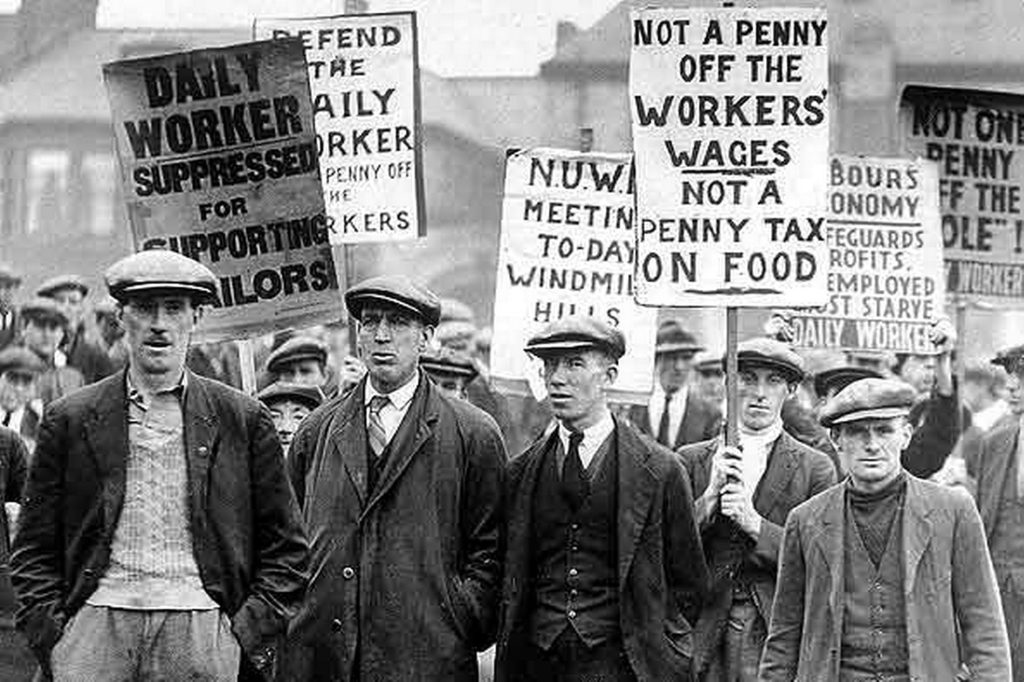
Despite this, the Island did not grind to a halt but instead adapted with measured calm as organisation quickly replaced routine.
At Newport, a Volunteer Service Committee was established to coordinate supplies, bringing together local officials, retired officers and civilians who stepped in to keep essential goods moving. Lorries were used where trains could not run, and improvised delivery networks ensured that shops continued to receive stock.
Coal supplies, often a major concern in times of disruption, remained sufficient, with reports indicating that reserves would last for several weeks. Incoming shipments were handled at Medina Wharf under supervision, ensuring that distribution remained controlled and steady.

Across the towns, daily life adjusted. In Ryde, traders collected their own goods rather than relying on the railway, while at the Pier Head volunteers ensured that milk continued to arrive and be distributed. In Newport, with newspapers unable to print, official bulletins were posted in public places, drawing residents keen for reliable updates.
Cowes experienced relatively little disruption beyond the interruption to ferry services, though this highlighted how dependent the Island remained on mainland links.
What stands out most is the absence of unrest. While the strike caused widespread anxiety elsewhere, the Isle of Wight saw no serious disorder, no clashes, and no breakdown in authority.
Nationally, the situation appeared far more uncertain. The dispute, rooted in the coal industry, escalated when mine owners sought longer hours and reduced wages, prompting the Trades Union Congress to call out workers in support of the miners. As transport, printing and heavy industry shut down, there were growing fears that the situation could develop into something more serious, with comparisons drawn to the Russian Revolution.
On the Isle of Wight, however, the strike’s most lasting impact was practical rather than political.
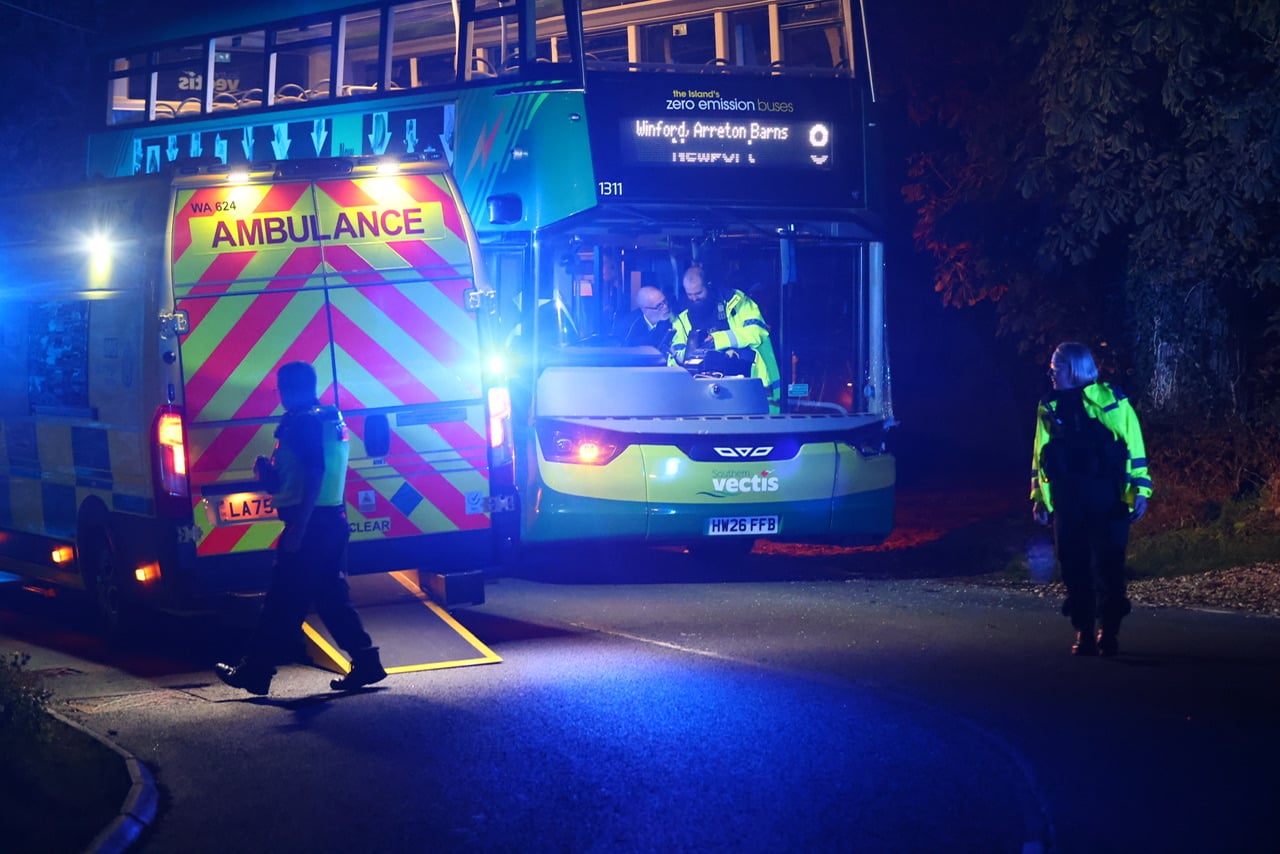
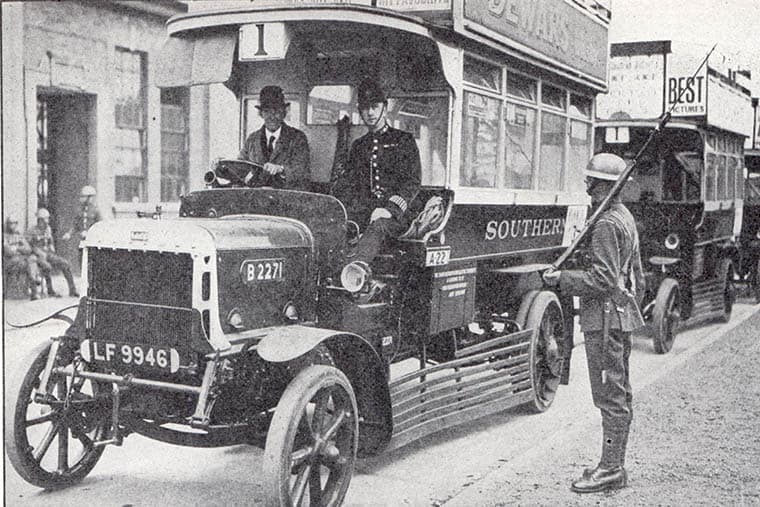
With the railways unreliable, even for a short period, people turned to the roads. Motor buses, which had previously played a secondary role, proved that they could provide a flexible and dependable alternative to rail transport.
When the strike ended on 12th May and services resumed, trains returned and newspapers reappeared, restoring normal life. However, the experience had demonstrated that travel did not need to depend entirely on the railway.
In the years that followed, motor bus services expanded steadily across the Island, offering routes and convenience that increasingly challenged the railways. While the decline of the railway network would take decades, the disruption of May 1926 marked an early shift in public reliance.
The strike ended quickly, but its effects on the Isle of Wight – particularly in how people travelled – would be felt for years to come.










Great article, we have always been taxed heavily in Britain.