






























 British Science Week 2017 arrived on the Island with a bang last weekend thanks to Discovery Bay, a grand celebration of the natural world at both ends of The Bay in Shanklin and Sandown.
The weekend brought together a partnership of Bay and Island organizations steered by the Bay Coastal Community Team.
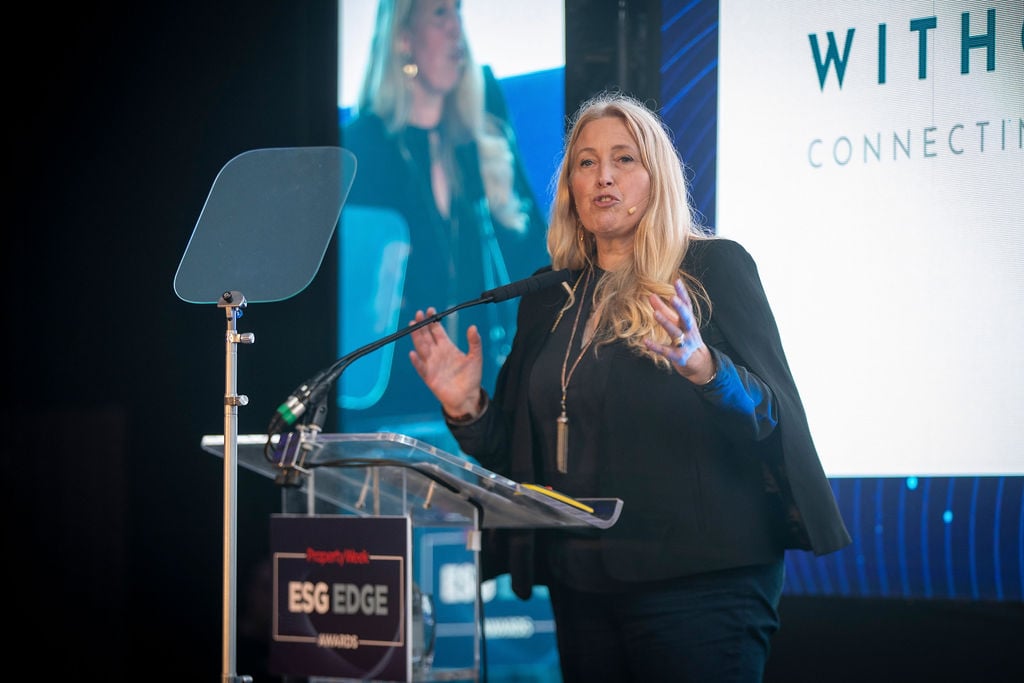
On Friday, the Café Scientifique and Friends of Dinosaur Isle organized a fascinating ‘Bayology’ evening lecture on prehistoric and modern climate change, its fundamental role in shaping the Island, and the consequences of its continuing impact. Professor Robert Nicholls from Southampton University, Dr, Martin Munt from Dinosaur Isle and Ian Boyd from Artecology and Arc Consulting each presented the results of research and adaptation projects to over 60 guests.


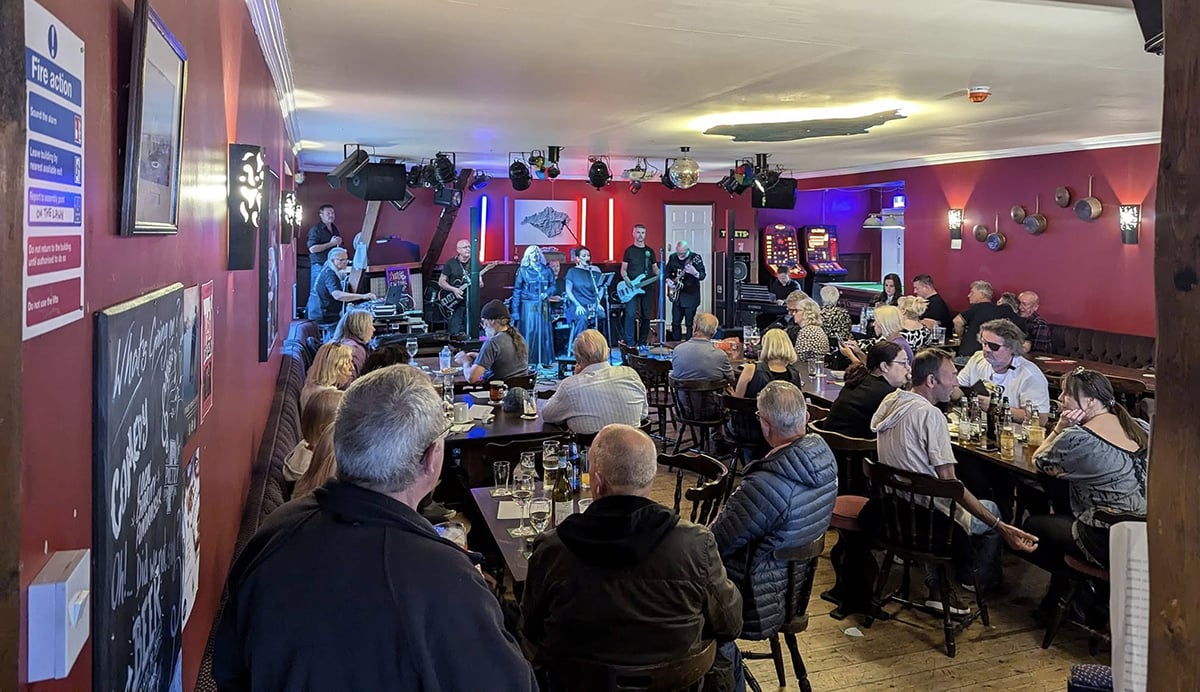
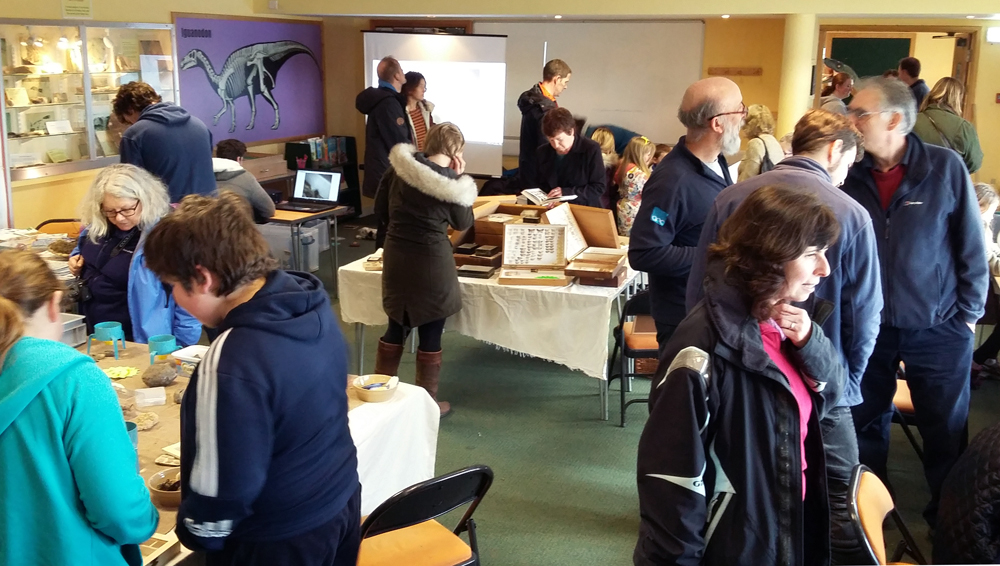
A cold and murky Saturday didn’t deter eager Bayologists from visiting Shanklin Rowing Club where an amazing array of fossils, specimens, museum collections, live bugs and the microscopes and specialist equipment with which to examine them were all made available by Arc, Dinosaur Isle, the Isle of Wight Zoo, Isle of Wight Natural History Society, Bournemouth University, the Medina Valley Centre and Eccleston George. Gerry Price, the Coastal Gardener worked with visitors to pot up new plants for the Bay’s Lost Duver landscaping project and marine biologist Alice Hall collected an amazing array of colourful seaweeds from the shore.
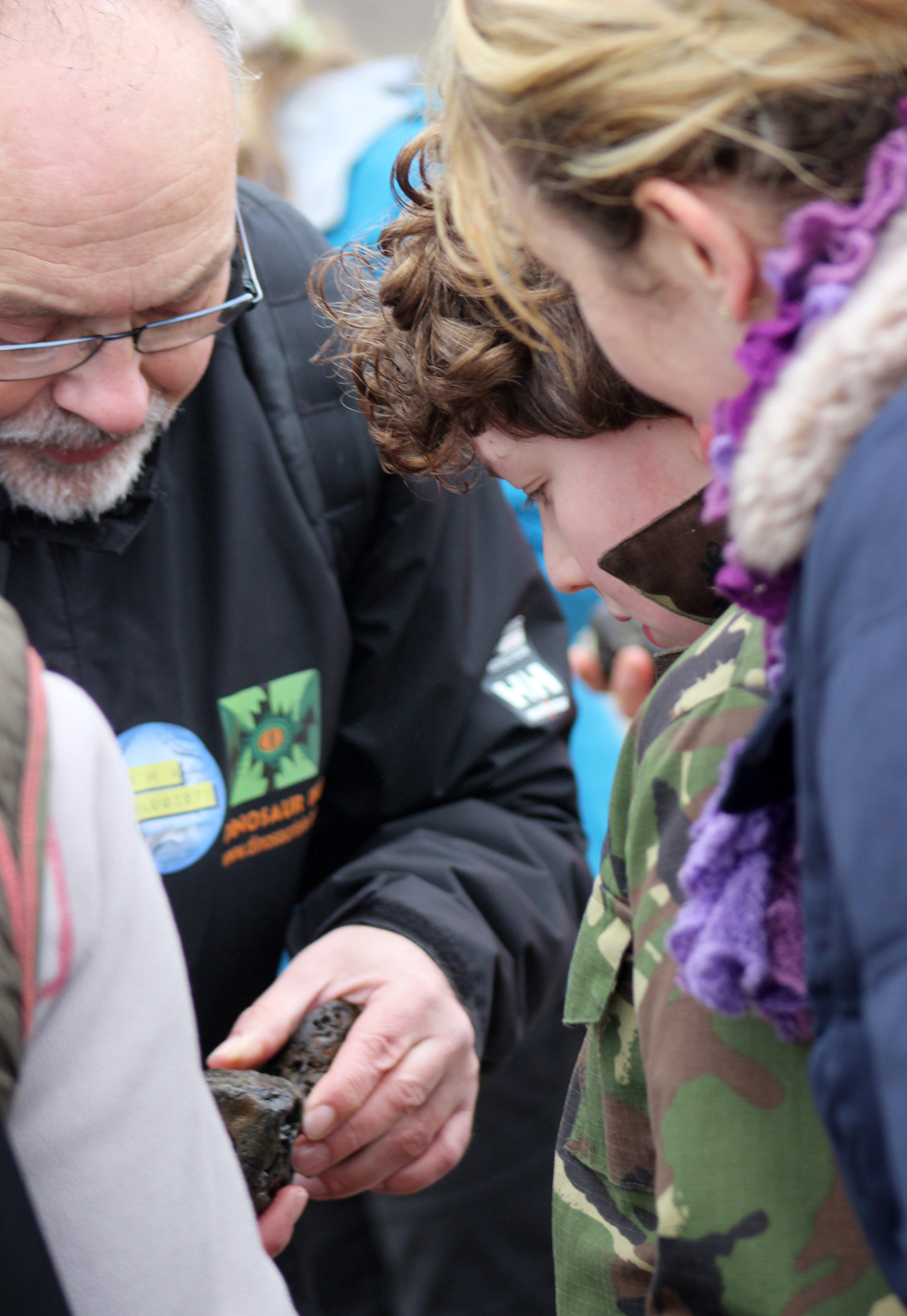
The first Discovery Bay walk then headed off for Horse Ledge at the southern tip of the Bay, following the tide out to explore rockpools and reefs for wildlife ancient and modern. Dr Roger Herbert and Dr Martin Munt identified a wonderful diversity of fossils and sealife, from brachiopods to sea anemones. The discovery of a tiny starfish was quite literally a star moment as Common Starfish, despite the name, are a rare find on the Island.
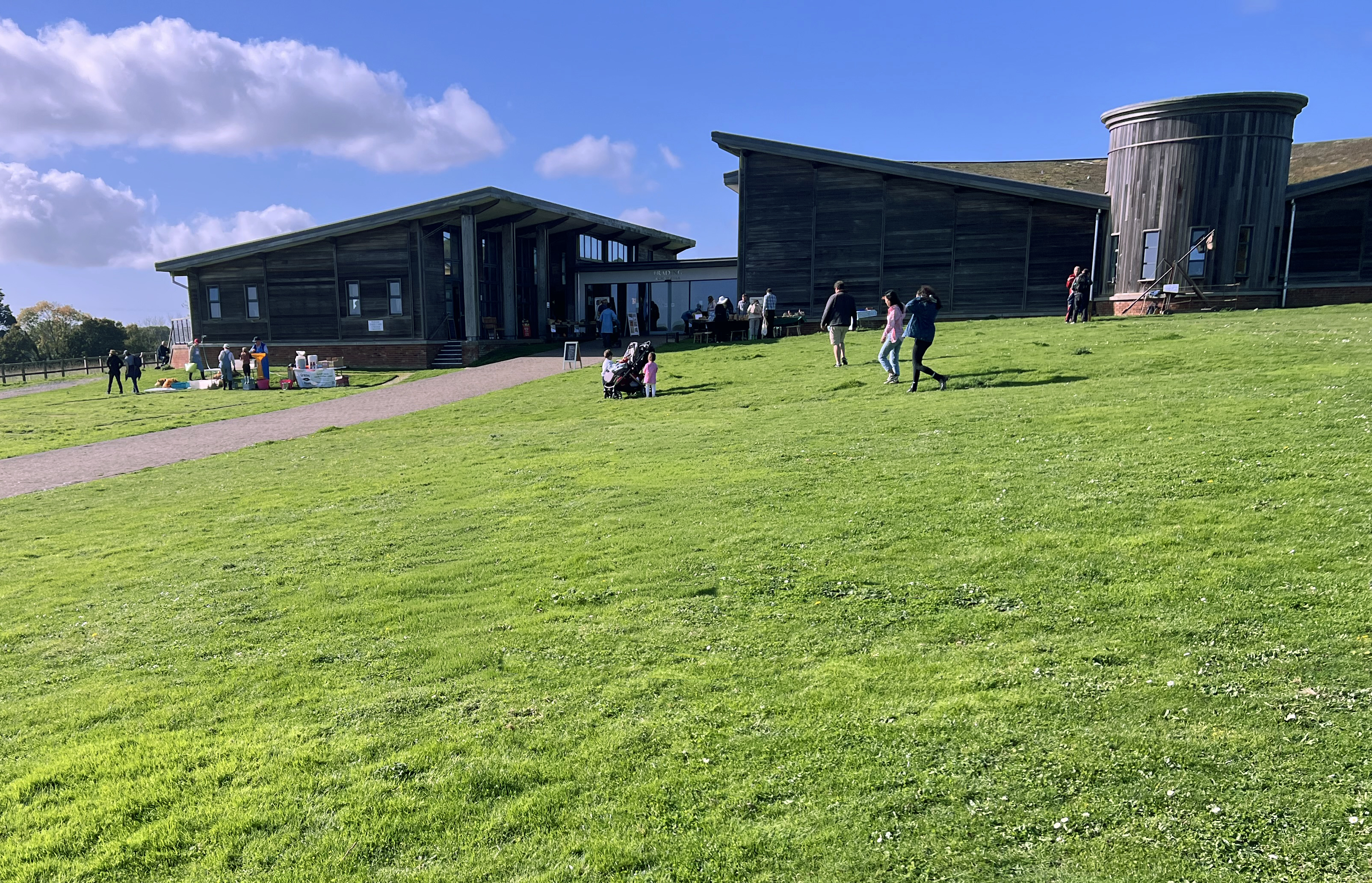
Day 2 of Discovery Bay took place at Dinosaur Isle and was able to make use of their state-of-the-art projecting microscope – a huge hit with a constant stream of young (and not so young) Bayologists. Hundreds of local specimens and finds were on display, and visitors were encouraged to pick up whatever they wanted and take over to the banks of microscopes and natural history books set out for closer study. Thanks to the Bayologists, visitors could compare a today’s brittlestar (tiny starfish) discovered on the walk at Horse Ledge, with its fossilised ancestor, 110 million years old, discovered in Lebanon. Meanwhile, outside, the British Trust for Ornithology led a winter birdwatch across the boating lake with the help of Tracy Dove from the Isle of Wight Zoo.
Sunday’s walk set off 50-strong for Redcliff along the Yaverland beach, stopping to take a look at the Artecology tyrepools along the way (a current research project with Bournemouth University) before searching for fossils with the expert help of Dr Jeremy Lockwood from the Friends of Dinosaur Isle and Alex Peaker from the museum itself. With peregrine falcons overhead, the group explored the beach, finding amazing Bay wildlife from 100 million years ago – clams, oysters, shark spines, corals, dinosaur bone and most spectacularly – a plesiosaur vertebra.
Ian Boyd at Artecology and Arc explains:

“Discovery Bay is a partnership between Sandown’s science organizations: Dinosaur Isle, IW Zoo, Arc and Artecology with great help from local universities, IW Natural History Society and from Tina Whitmore at the excellent iWatch Wildlife project, dedicated to citizen science and wildlife recording. Discovery Bay is all about uncovering and exploring the extraordinary diversity of natural world accessible between Luccombe and Culver, from marine ecology to ancient woodland, from dinosaurs to lichens, the Bay is a rich biological resource that can be enjoyed by everyone and inspire anyone”.