

































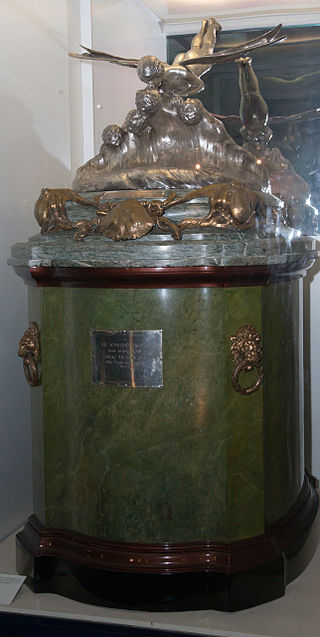
The Schneider Trophy – once the greatest cup in aviation – was staged in Cowes on 28th September 1923.
Cowes was the natural choice of venue for a seaplane speed competition. It was the home of international sailing and the first America’s Cup race was also held here.
Furthermore, Cowes also had a successful seaplane industry. The Wight flying boats were built by J S White’s at its Somerton works in Cowes. SE Saunders also constructed aircraft at 5 sites on either side of the River Medina.


The Schneider Trophy was first held in Monaco in 1913. The trophy was donated by Frenchman Jacques Schneider to promote seaplane development. It was valued at around £1,000 with a purse of a further £1,000 offered to the winner (£50,000 in today’s values).
It was said that the 1923 competition was when the race began to get serious. Over 100,000 spectators lined both banks of the Solent to watch the event. Entrants from Britain, France and America took part, but Italy was forced to withdraw due to lack of funds.
The race was over a 186-mile, 5-lap course with turning points at Southsea and Selsey Bill.
The 2 French entrants were both forced to retire from the race: 1 failing to take off after a collision and the 2nd having to retire after 1 lap.
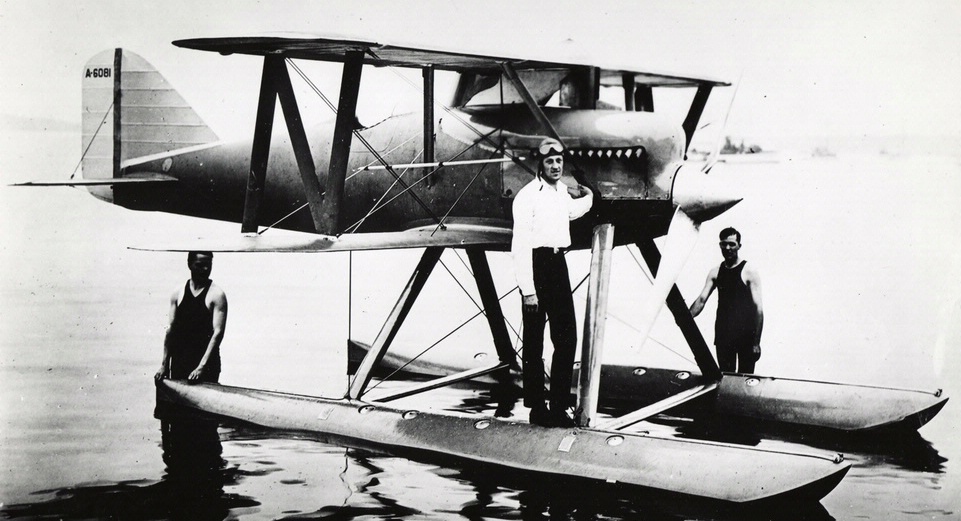
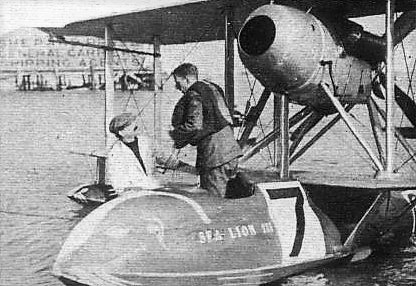
The main British entry was Supermarine Sea Lion III piloted by Henri Biard. This was a more powerful version of the Sea Lion II, which had won the Schneider Trophy the previous year. A 2nd British entrant was a Blackburn Pellet flying boat piloted by Reginald Kenworthy, which sank spectacularly before the race.

The Americans sent a serious and experienced team. The US Navy commissioned Curtiss and Wright Aeronautical Company to create racing aircraft. The pilots chosen to represent America were US Navy professionals Lieutenant David Ritterhouse and Lieutenant Rutledge Irvine.
Although the pilot of the British entrant Henri Biard tried his best to get as much speed from the comparatively large and clumsy Sea Lion III flying boat, there was little prospect of his beating the sleeker, streamlined American seaplanes.
Lieutenant Ritterhouse came first with an average speed of 177mph; Lieutenant Irvine came 2nd with a speed of 173mph. Henri Biard rounded off the podium with a speed of 157mph – 10mph faster than his winning time in the previous year’s event.
The British regained the trophy by winning the Schneider Trophy in Venice with Supermarine S.5 in 1927 and in Calshot Spit in 1929 and 1931 with later versions of the Supermarine seaplane.
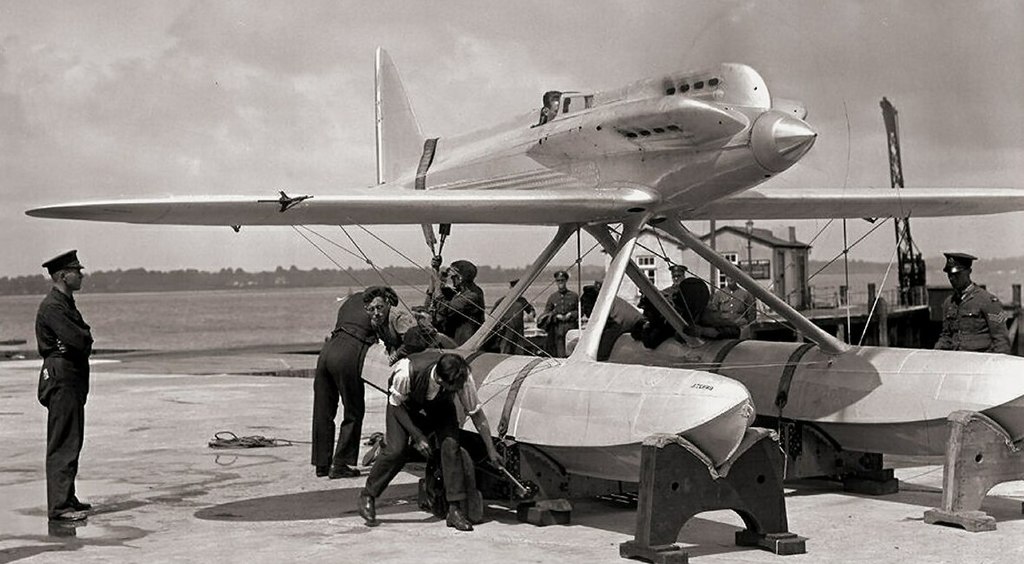
1931 was the last time the event was held, as Britain had met the conditions to win the Schneider Trophy permanently (winning the trophy on 3 consecutive occasions). It is now held in the Science Museum in London.
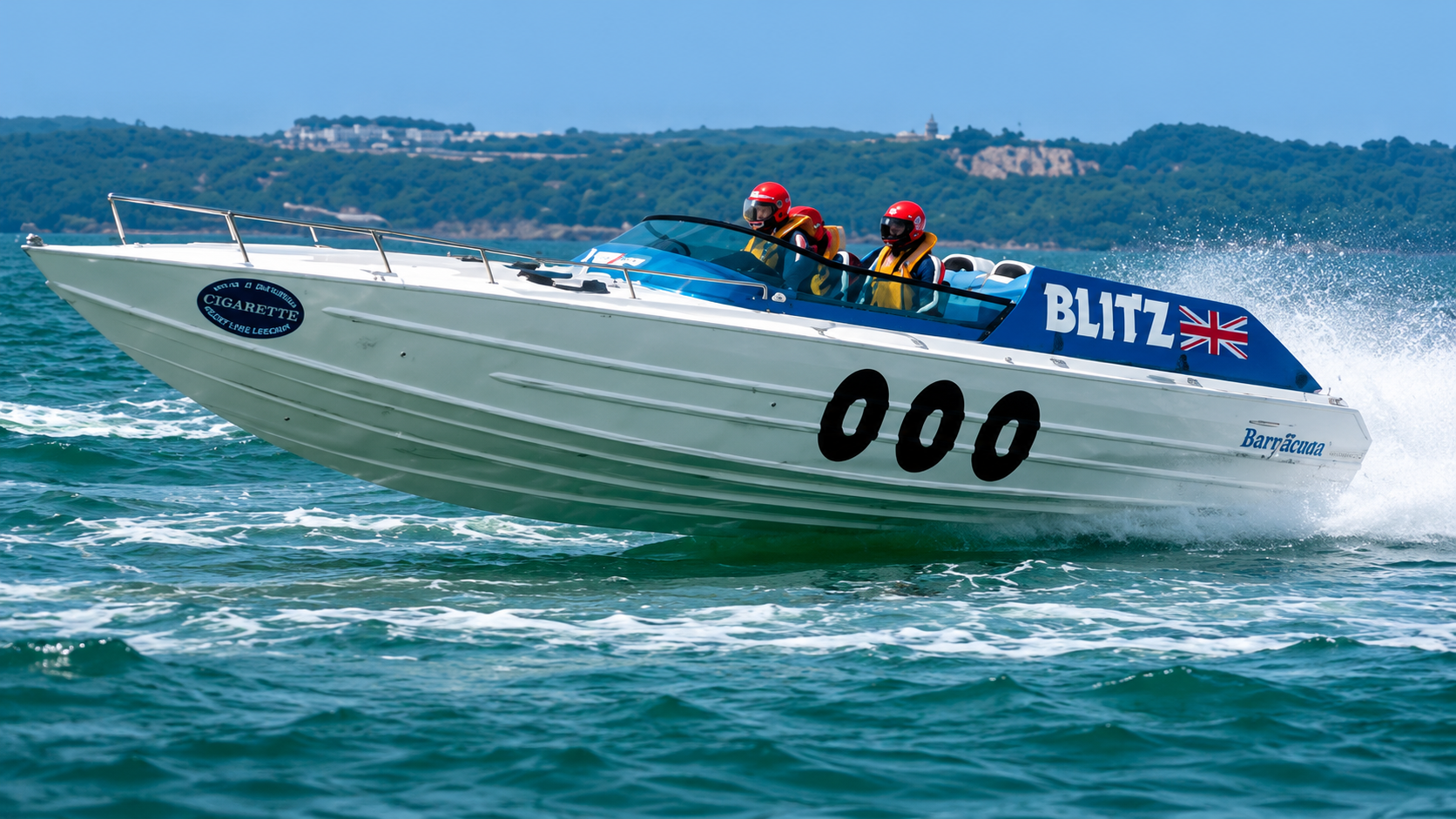
In 1981 the Schneider Trophy was revived – although not with seaplanes. It is run around a Solent course and the event now takes off from Sandown Airport.
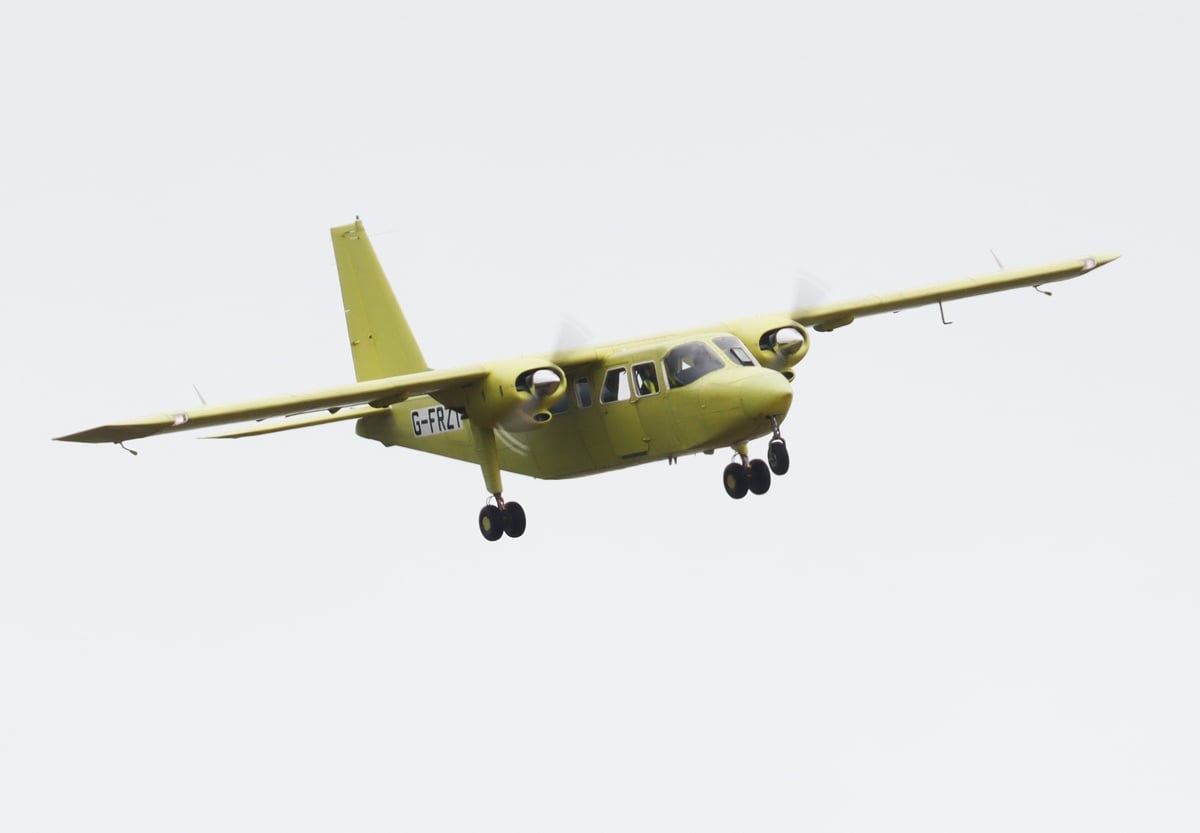
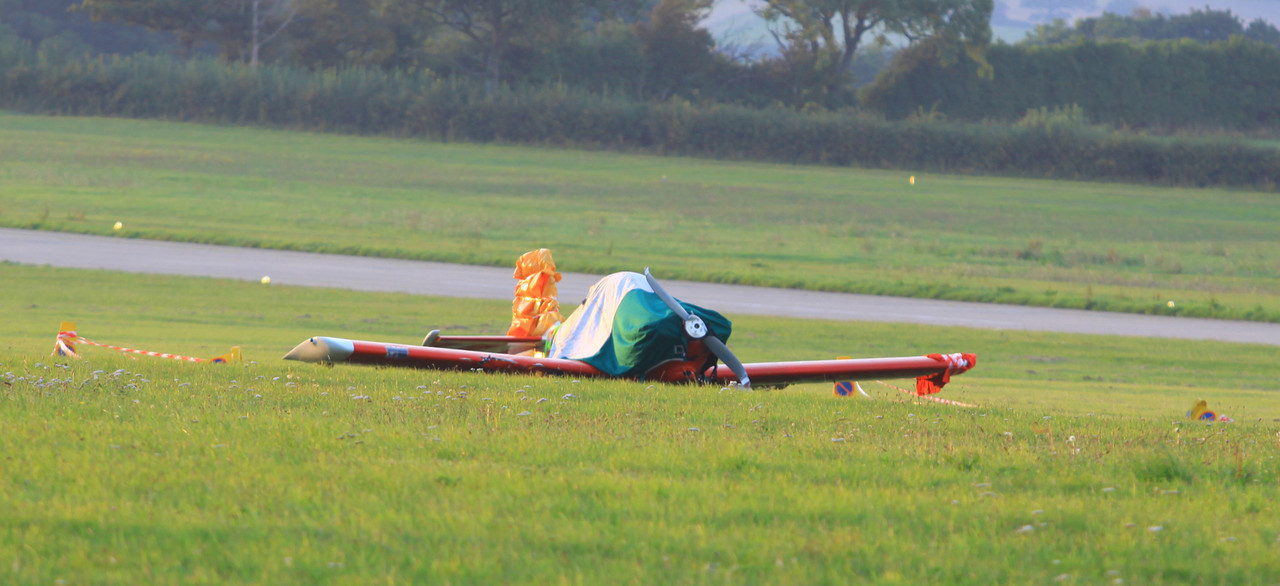
Tragedy struck in September 2010 when 2 planes taking part in Merlin Trophy race from Bembridge Airport collided over Havenstreet. Father-and-son duo Michael and James Willis were killed when their Mooney M20B plane came down in woodland off Rowlands Lane. The other craft limped back to Bembridge.
The Schneider Trophy the following day was cancelled.







Someone please correct if I’m wrong but, wasn’t the Supermarine seaplane and its engine key to the development of R.J.Mitchell’s Supermarine Spitfire?
Yes it was