











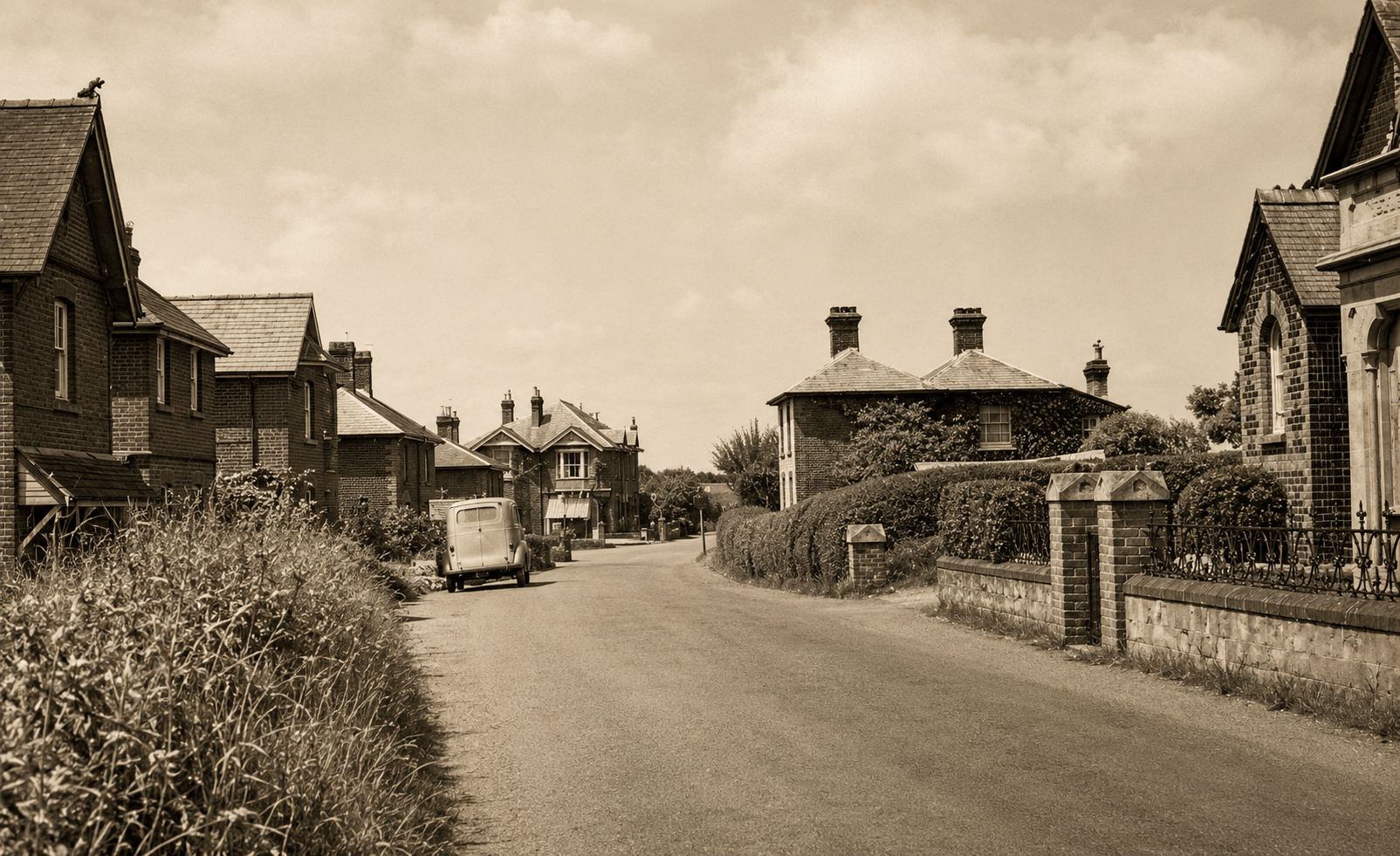


























In the 2nd edition of Isle of Wight Pubs, Island Echo examines a few of the very many former pubs of Ryde.
Did you know that at the turn of the 20th century, Ryde was said to have had more pubs per person than any other town in England?
According to the Isle of Wight Observer – not the 21st-century version – in 1879, there were 99 licenced premises in Ryde, approximately 1 for every 100 inhabitants. Were there the same density of pubs in Ryde today, there would be 320 in the town!


Back in 1859, there were 7 breweries in the seaside town – some sources suggest more.
In 1865, brewer John Cooper was found drowned in a large barrel of beer from which he could not be extricated. The barrel was dragged into the street and a crowd broke it open with sledgehammers. Reportedly, when the barrel burst, the people of Ryde were ready with buckets and jugs to scoop up the flood of beer.
Cooper’s Ale could therefore justly have been described as ‘a brew with a body’.
1 reason for the proliferation of pubs in Ryde was the Beer house Act of 1830, which allowed any householder to get a licence to sell beer in their home for just 2 guineas a year. The over-consumption of gin had been rife before this act, and the then Government hoped to reduce this by encouraging Brits to drink beer instead.
However, beer houses were more often than not primitive establishments, based in a small backstreet house. Sanitation and hygiene within them were said to have been poor to non-existent.


In the 2nd half of the 19th century, pubs began to be licensed and regulated. To combat widespread drunkenness, the police began to use their powers to oppose beer houses from having their licenses renewed. The Temperance movement also became increasingly influential at around this time.
In 1905, the Chief Constable of Ryde made his objection to the number of licensed premises in the town the subject of his annual report, and closures began. By 1911, the number of licensed premises in the town had been reduced by 20 – to 79.
In the 20th century, 2 brewers came to dominate the trade in Ryde: Brickwood’s and Mew Langton. The number of public houses declined steadily. In the 1970s, Brickwood’s and Mew Langton disappeared and the Whitbread giant came to dominate 95% of Ryde’s pub trade.
After Whitbread had rationalised its Ryde pubs, by the 1990s, only around 25 were left. At the turn of the present century, there was less than 1 pub for every 1,000 inhabitants.
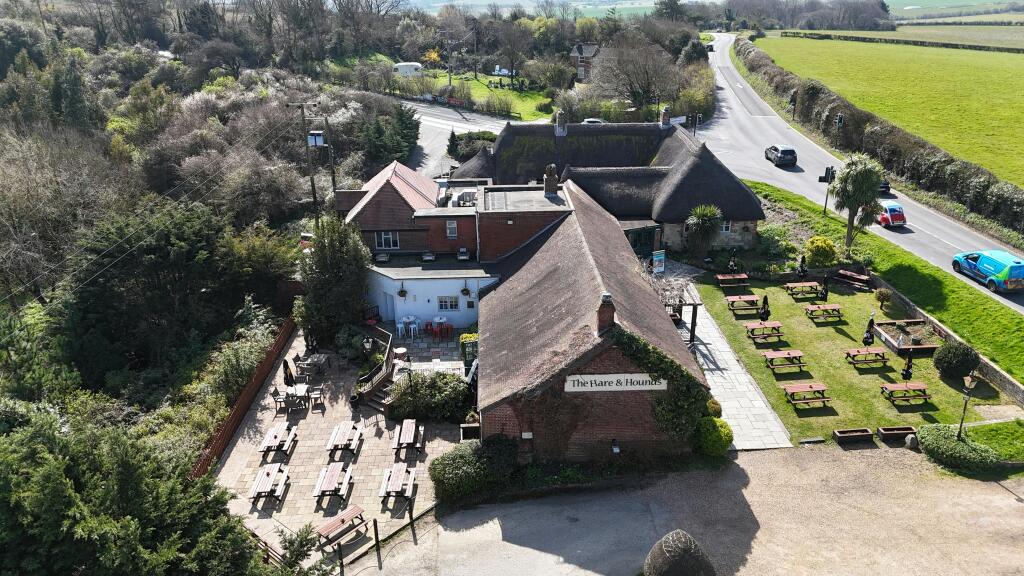
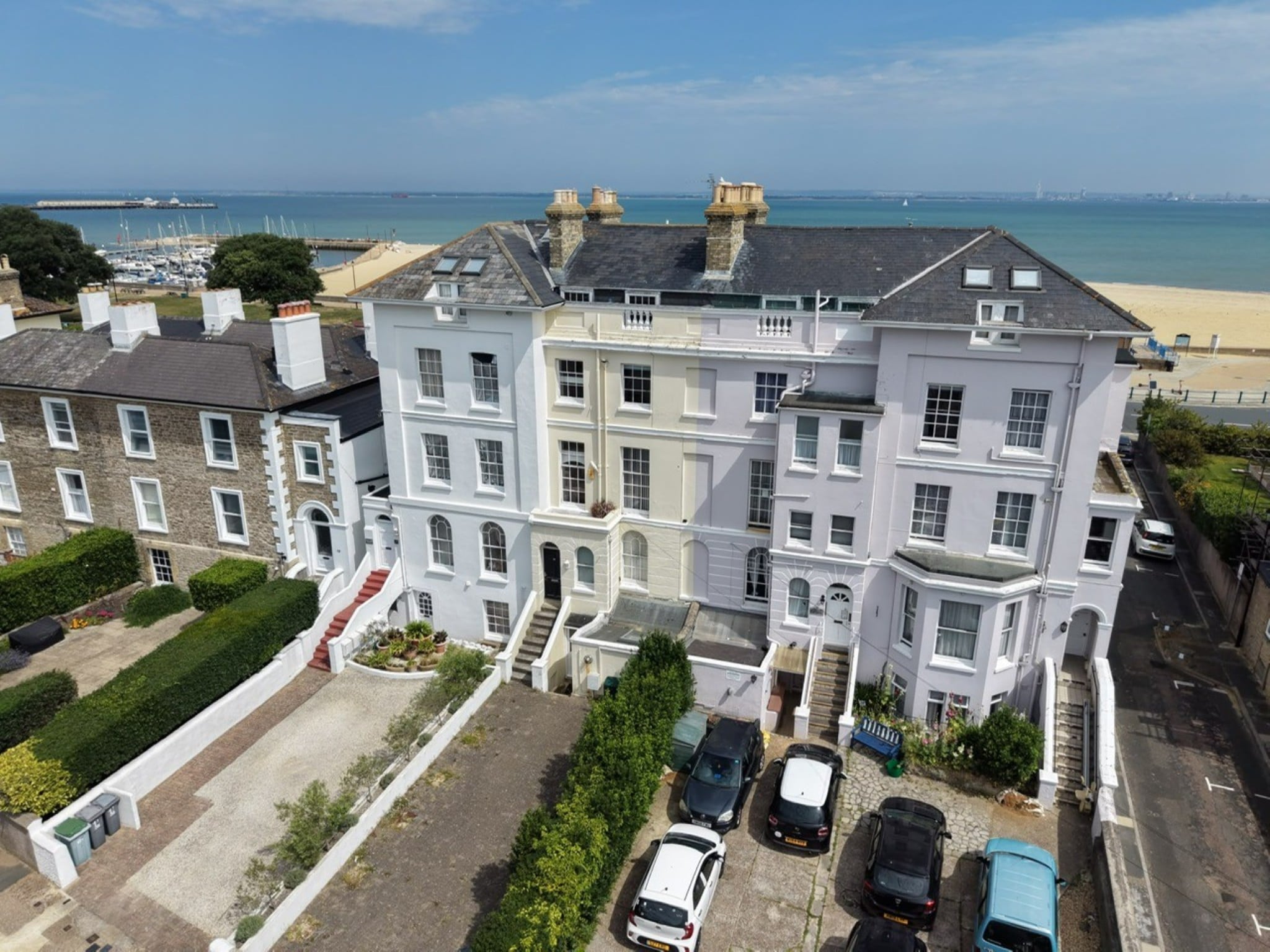
Here follows some brief information about a few of Ryde’s former pubs …
Lake Huron:
Lake Huron in Haylands was just 1 of 6 pubs in Ryde once owned by George Lake in the late 19th century – the others were Lake Superior, Falls of Niagara, Atlantic Tavern, Weeks Hotel and Partlands Hotel.

In 1899, the landlady of the Lake Huron was summoned for being drunk on licensed premises. PC Ryall witnessed the landlady holding onto the bar with both hands, then staggering across to the Smoking Room. In her defence, it was stated she suffered from heart disease and had taken some brandy which overcame her. It was suggested that the licence be transferred to one of her sons. She was fined 5s (25p).
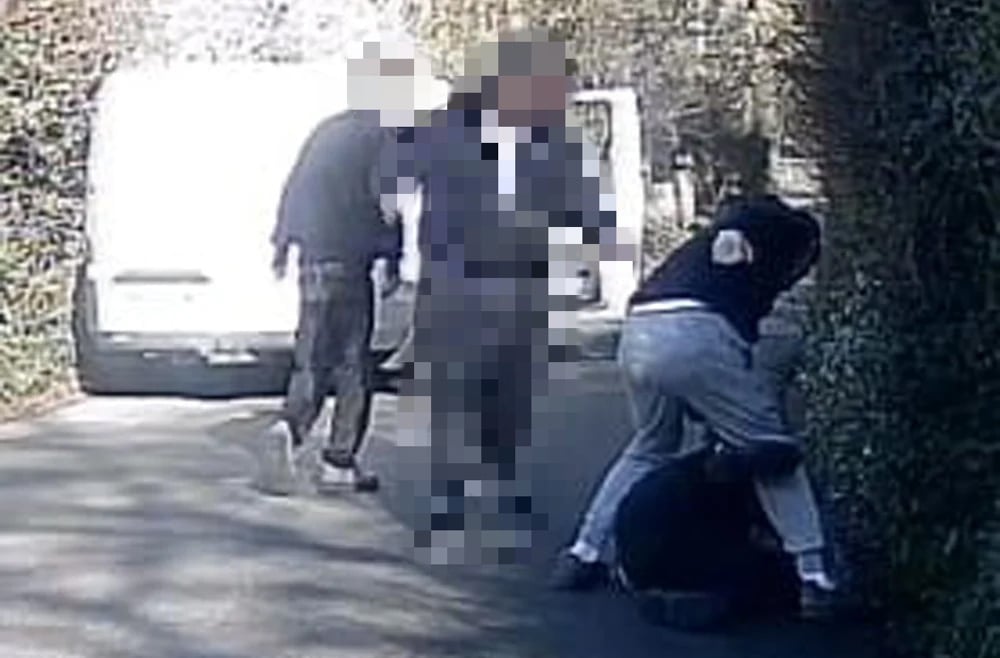
On a more serious and tragic note, before Lake Huron was closed in the present century, Stephen McKay was found guilty of the manslaughter of Robert Hall outside the pub.
The Lake Huron is now a private house.
The Partlands Hotel:
The Partlands Hotel was once famous as the grottiest pub – not only on the Island but in the whole country – after a survey carried out by the News of the World. At that time, they displayed a banner proudly announcing that they were the worst pub in Britain.
This led to a boom in business: people just had to go and see for themselves just how bad it actually was.
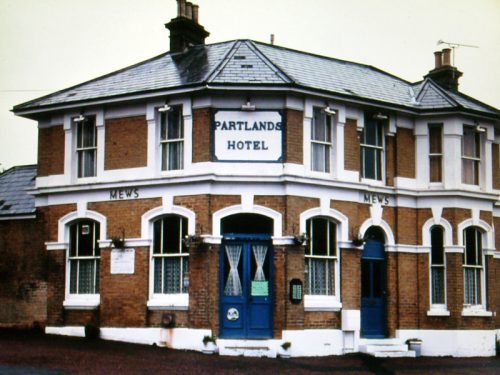
The pub was demolished in 2006 and is now a block of flats known as Swanmore Court.
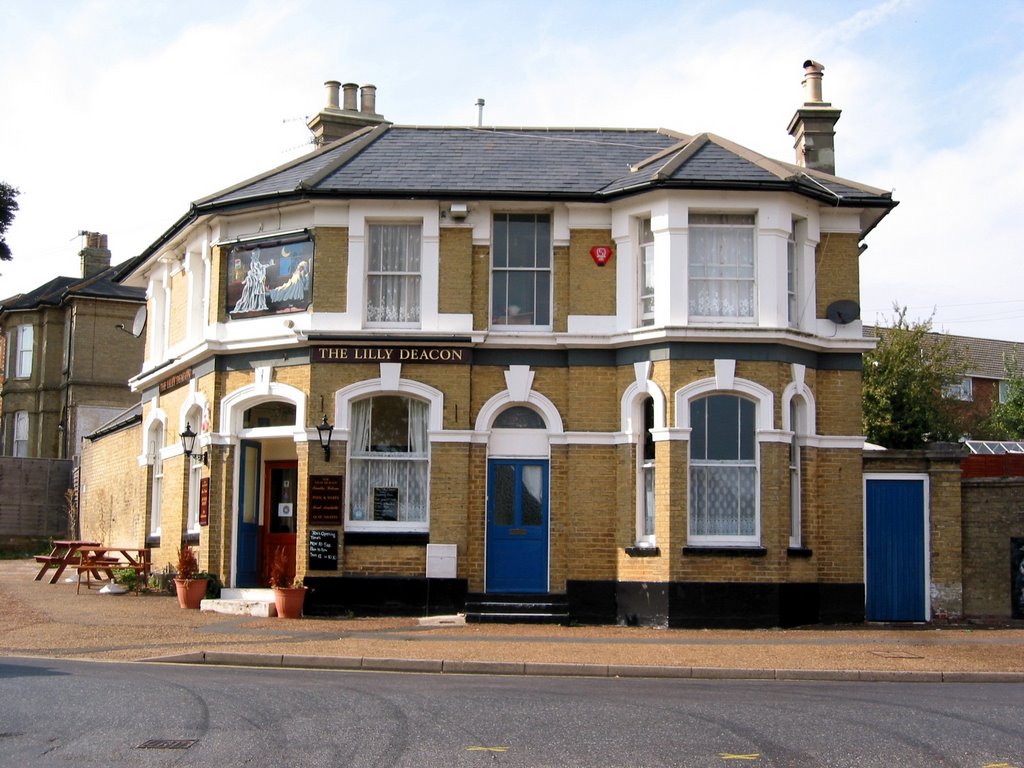
The flats are reputedly haunted by the ghost of Lily Deacon, a Victorian barmaid said to have been killed by her husband or lover in the cellar of the former hotel.
Before demolition, the Partlands Hotel was renamed The Lily Deacon in her honour.
The Terminus:
The coming of the railway to Ryde St Johns led to the building of the Terminus Hotel in 1873. It became The Royal Terminus Hotel in 1878, but the name lost its accuracy when the railway was extended to Ryde Esplanade.

The hotel underwent a strange transformation when the adjacent road bridge was built over the line, its ground floor becoming a cellar, disappearing under the road level.
The Terminus closed in 1984, but you can still see the doors and windows of mismatched heights, due to the raising of the road level. It’s now a private residence.
Bow Bars:
This pub was originally known as The Havannah, then The Bodega Wine Stores and later The Bow Bars. Now, it is known as Bar 74.
In 1960, the licence passed to Mike and Bett Robbins. Bett was a cousin of Paul McCartney, who hitchhiked his way to Ryde in August of that year. The lyrics to the Beatles song Ticket to Ride were written in February 1965.

Paul McCartney has recounted a memory of a conversation he had with John Lennon about Ryde and the boat trip from Portsmouth. It is believed Lennon took the word ‘Ryde’ literally and that the pair wrote the song from this misunderstanding.
In the next edition of Isle of Wight Pubs, we shall look at a few the many and varied drinking establishments in the County Town of Newport.






Been banned from most of them back in the day!
Ha, ha. I remember, at the end of the ’70s and early ’80s, seeing fights both inside & outside of the Bow Bars on Union Street. Often a handshake at the end got it sorted.
Brilliant!
Easy to forget how many pubs have now gone.
Was there a pub called the Wellington Tap on Castle street, bottom of Union road? There is a sign on the wall of the house saying Wellington Tap, so I assumed it was once a pub.
The Wellington was on the Esplanade a few doors along from the King Lud. The Landlord was a fellow called Frank Gillespie.
Does not surprise me, the Island is full of p*ss heads.
Well there you go.Bar 74 should advertise that as not many places in UK or even the world can boast a Beatle song written after it… a dam good one at that.Might be good for tourism.. lol.. I await those “no more tourist comments.”
Wouldn’t read too much into this story. The Beatles were renowned for taking the piss when explaining song lyrics. Lennon said “Ticket to Ride” described cards indicating a clean bill of health carried by Hamburg prostitutes in the 1960s.