





































































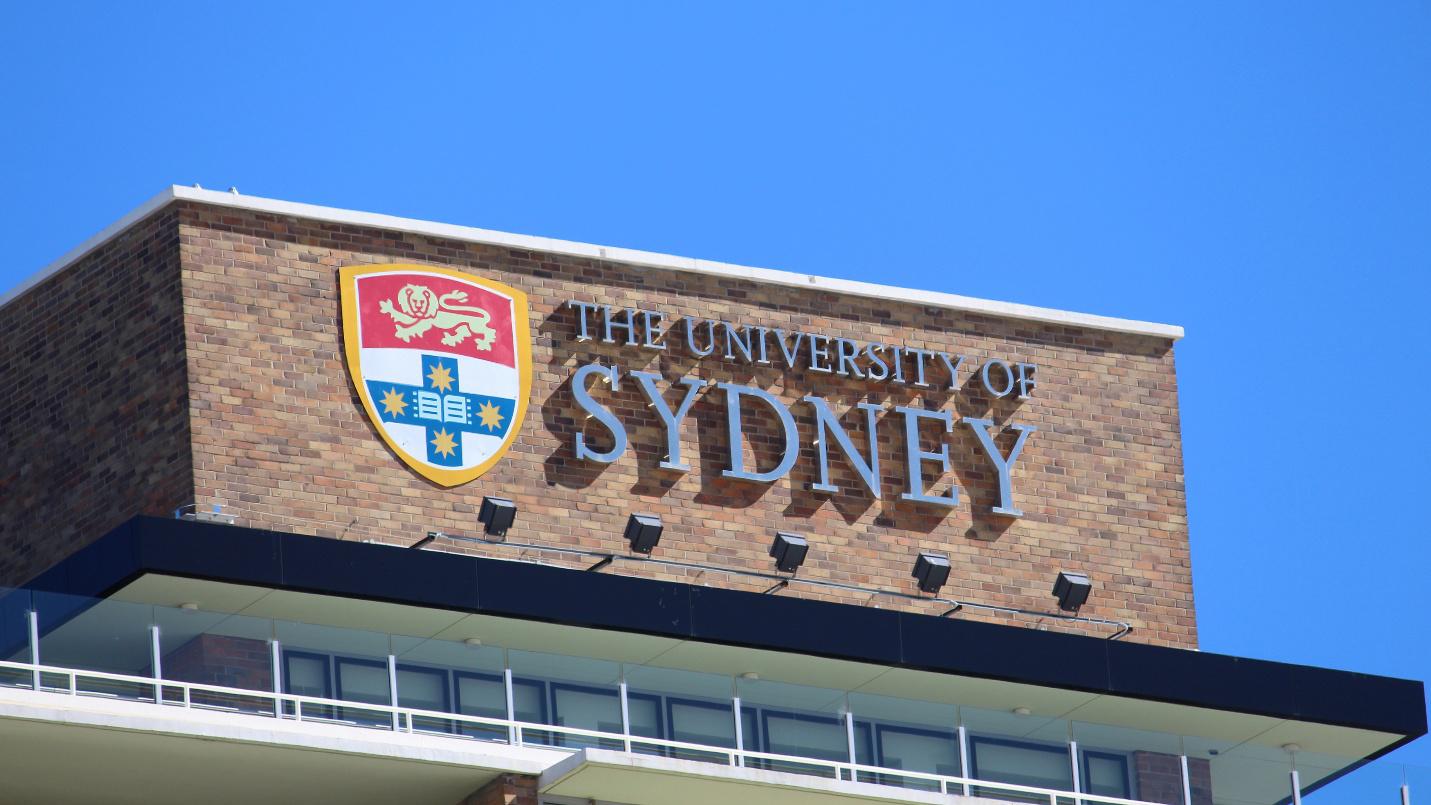

The University of Sydney is in a bit of hot water over a seeming morality clause in its entanglements with the wider gambling industry. New information that came to light in December 2024 puts the university under a critical microscope in its dealings with some of the giants of the gambling business – and it’s ruffled a few feathers among the public.
Reports indicate that the university maintains investments in prominent gambling companies such as Aristocrat and Entain, raising concerns about its commitment to ethical research practices and societal well-being. Critics argue that such ties could compromise the institution’s credibility, particularly in fields like addiction studies, where neutrality is paramount.
Moreover, these connections shed light on broader societal challenges associated with gambling. This includes the increase in compulsive gambling, where the prevalence of online casino operators promoting deals like win real money with no deposit bonus codes, contributes to this since it attracts individuals to gamble under the guise of low-risk opportunities.


This controversy has sparked debates over the role of academic institutions in perpetuating harmful industries. While some defend the university’s financial strategies as necessary for funding academic initiatives, others call for greater transparency and ethical alignment.
More than Passive Investments, a Casino Hand in The University
With documents gained under Australia’s Freedom of Information laws, journalists came to realise the university had stakes in multiple gaming companies, including on-shore operations such as the Star Entertainment Group and Crown Resorts, Australia’s largest casino operator.
While it might be easy to write off simple investments in revenue-generating businesses as no more than a savvy business move for often cash-strapped universities, there is more to the story here.
Indeed, the University of Sydney has received funding for its Centre of Excellence in Gambling Research from a group titled the International Centre for Responsible Gambling. While this sounds good on paper, the International Centre for Responsible Gambling is backed by some of the world’s largest gambling companies, including Sportsbet, Entain, DraftKings and FanDuel.
As those interested in lobbyist groups or the tactics of the tobacco industry will know, sometimes angelic-sounding groups have ulterior motives at heart, especially when funded by proponents of the industry. It is counterintuitive to imagine that casino and gambling companies will help to maintain responsible gambling at all times. Their duties are primarily to themselves and their shareholders to increase revenues while ensuring they stay within the bounds of the law.

Causing Waves in Academic Circles
Of course, to think that university centres of excellence are immune from the whim and sway of companies, politicians, and the like, is to ignore some obvious home truths. While academic research is typically independent and well-governed, the funders of research will point researchers in certain directions or at times flat-out deny requests.
As research is dependent on funding, there is a bit of a crossroads in these situations. Walking the delicate tightrope is a balancing act for sure, and one that the University of Sydney seems to have miscalculated on, at least in the public eye.
A Symptom of The Current Struggles of Universities?
With the university system in Australia changing considerably over the years, the pressure is on to keep operations afloat. Many universities rely on overseas students to ensure they keep running, with these students often paying far higher course costs than domestic students. When the pandemic put a stop to incoming students, universities took a direct financial hit.
A new re-jigging of the enrolment system for overseas students by the recent government has also seen belts tightening for universities across the country. As these institutions try and twist and turn to keep up with the times and continue to run, it is no wonder that the University of Sydney holds shares in relatively lucrative companies.
Is holding shares enough to cause a moral panic for the general public? When most Australians’ super portfolios contain a collection of mining and gas products, even though they’re detrimental to the environment, nobody seems to be complaining. Instead, it seems like savvy investing from whoever is in charge of the shares portfolio over at the University of Sydney.
While the Centre of Excellence may be legitimately side-eyed, thanks to the financial ties and what may be going on under the surface there, are investments alongside a conflict of interest? Or are they simply a factor of ongoing research that’s occurring at the university?
Whether or not you see gambling as a scourge on the population or a bit of fun and a thrill in our mundane lives is down to a matter of opinion. The fact is that gambling occurs, is legal, and is regulated within Australia, so why wouldn’t there be ongoing research coming out of the universities that cover some of these topics?