






































































Struggling with unhealthy plants? Soil pH can be the problem. Proper pH in plant health is crucial for nutrient absorption. This article explains how to test and adjust soil pH levels.
Understanding Soil pH
Soil pH measures how acidic or alkalinee the soil is. It can greatly impact plant health and growth by affecting nutrient availability.
Definition of Soil pH
Soil pH measures how acidic or alkaline the soil is. The scale ranges from 0 to 14. A pH of 7 is neutral. Below 7 means the soil is acidic, like acid soils. Above 7 means the soil is alkaline, like alkaline soils.


Gardeners can use this information to know if their plants get enough nutrients. Some plants need acid soil while others prefer neutral or even slightly alkaline soil conditions.
How Soil pH Affects Plant Growth
Soil pH changes how plants grow. If the pH is too low, stunted growth and dark green leaves with tints can appear. Leaf necrosis may also occur. In acidic soils (low pH), nutrients like magnesium and manganese become more soluble, but essential elements like calcium are less available.
High soil pH causes problems too. Symptoms include chlorosis between leaf veins, tip death, and blossom end rot. Nutrient availability peaks at a neutral soil pH of 6 to 7. At this range, most plant nutrients are accessible to roots for uptake.
Optimal pH Range for Different Plants
Different plants thrive in varying pH levels. Knowing the right pH for each plant can boost growth and health.
Acid-loving Plants
Some plants thrive in acidic soil, with pH levels between 5.1 and 6.0. These are called acid-loving plants or lime-hating plants. Rhododendrons, azaleas, and blueberries grow well in this range.
Acid-loving plants need nutrients like iron that are more available in low pH soils. Adding organic matter can help keep the soil acidic for these plants. Avoid using calcium carbonate as it raises the pH level.
Alkaline-preferring Plants
Plants that prefer alkaline soil thrive in pH levels above 7. Alfalfa grows best in soil with a pH range of 6.2 to 7.8. This means you might need to add lime to your earth if it’s too acidic.
Gardeners often use dolomitic limestone for this purpose. Lime works well because it reduces soil acidity, making the ground more suitable for these plants. Other alkaline-loving plants include lavender and asparagus.
Make sure to test your soil often and adjust as needed using organic methods or store-bought products.
pH Neutral Plants
pH neutral plants thrive in soil with a pH between 6.1 and 7.0. This range is moderately acidic to neutral, perfect for most garden plants. Soybeans grow well at a pH of 6.0 – 7.0, ensuring healthy growth and good yields.
To maintain this balance, test the soil regularly using simple kits or professional services. Adjust with lime if too acidic or sulphur if too alkaline. Keep an eye on nutrient uptake since nutrients like iron can become less available outside this pH range, causing deficiencies in some crops like legumes.
Optimal pH Range in a Greenhouse
Maintaining the right soil pH in a greenhouse is crucial for plant health. Plants need specific pH levels to absorb nutrients effectively.
What to consider about pH in a Greenhouse environment
Soil pH in a greenhouse should be between 6.5 and 7. Plants absorb nutrients best within this range. Hydroponics systems do well with pH levels from 5.8 to 6.5.
Check soil water often since pH can change due to watering and plant growth. Use soil testing kits at least twice a year to maintain the right balance of acidity or alkalinity for your plants’ health.
Testing Soil pH
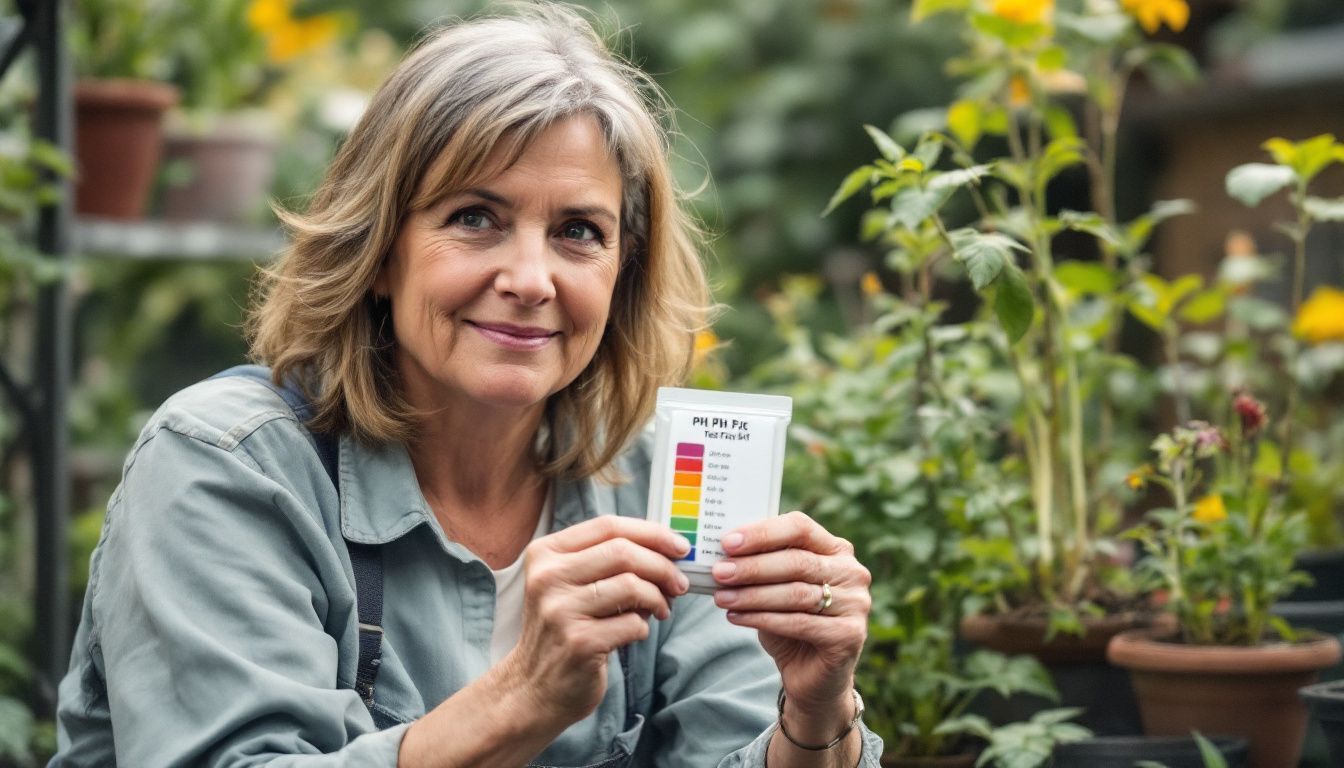
Testing soil pH is vital for plant health. Use simple tools like pH meters or test strips to check the soil’s acidity or alkalinity.
When to Test Soil pH
Test soil pH before designing new gardens or planting fruit. This ensures the right conditions for plant growth. Test soil any time during the gardening season if plants look unhealthy.
Check soil pH when creating vegetable plots too. Unsatisfactory plant growth can mean a pH problem, so test to find out. Regular testing helps maintain optimal soil health for better crops in your greenhouse or garden.
Methods for Testing Soil pH
Testing soil pH is key for healthy plants. Here are the methods you can use:
1. DIY Testing Kits
o Buy DIY kits from garden centres.
o Follow simple instructions.
o Compare the colour of your sample to a chart.
2. Digital Soil pH Meters
o Insert probe into moist soil.
o Read pH value on display.
o Get instant results.
3. Professional Testing Services
o Send samples to a lab like RHS soil analysis service.
o Receive a detailed report on soil health.
o Accurate and thorough results.
4. Vinegar Test for Free Calcium Carbonate
o Place soil in a container.
o Add vinegar to the soil.
o Fizzing indicates presence of calcium carbonate.
5. pH Test Strips
o Mix soil with distilled water in a container.
o Dip strip into the solution.
o Match colour change to pH scale.
Testing your soil ensures you can adjust pH levels properly for different plants.
Adjusting Soil pH
To adjust soil pH, you can use materials like agricultural lime or elemental sulphur. Organic methods include adding compost or manure to balance the pH levels.
How to Raise Soil pH
Raising soil pH can help plants grow better. Follow these steps to make your soil less acidic.
- Use Lime
Apply lime to increase soil pH. Types of lime include calcic limestone, dolomitic limestone, and wood ash. - Test Soil pH First
Before adding lime, test your soil to know the current pH level. - Choose the Right Lime Type
Calcic limestone adds calcium only. Dolomitic limestone adds both calcium and magnesium. - Calculate the Amount Needed
Use a soil test result to know how much lime is required for your specific soil type. - Spread Evenly
Spread the lime evenly over the soil surface. - Water Thoroughly
Water the area well after applying lime. This helps it soak into the soil. - Wait for Results
Raising pH takes time—usually several months—so be patient and re-test later. - Avoid Over-Liming
Adding too much lime can harm plants by making the soil too alkaline.
These steps will help you adjust your soil pH effectively and promote healthy plant growth in your garden or greenhouse.
How to Lower Soil pH
Lowering soil pH is important for acid-loving plants. This makes nutrients more available to them.
- Use Elemental Sulphur: Apply 0.5 to 1 kg per 10 square metres. Soil microorganisms will convert it to sulphuric acid, lowering the pH.
- Add Peat Moss: Spread a layer of peat moss over the soil. It naturally lowers pH because it is acidic.
- Incorporate Acidifying Fertilisers: Use ammonium sulphate or urea fertilisers which release acid upon decomposition.
- Apply Organic Mulch: Pine needles or oak leaves work well as they break down and add acidity to the soil.
- Mix in Coffee Grounds: Coffee grounds are mildly acidic and can help lower soil pH over time.
- Water with Acidic Solutions: Dilute vinegar (one tablespoon per litre of water) for watering once a month.
- Add Iron Sulphate: Use about 140 grams per square metre for quick results without harming plants.
These steps will effectively lower your soil’s pH and help your plants thrive in a more acidic environment.
Organic Methods for Adjusting Soil pH
Use compost to adjust soil pH. Compost adds organic matter and nutrients. It supports beneficial microbes that help balance pH levels.
Add pine needles or oak leaves for acid-loving plants. These materials increase soil acidity over time. For alkaline-preferring plants, use wood ash sparingly to raise the pH safely.
The Role of Soil pH in Nutrient Availability
Soil pH controls how plants take up nutrients. Different pH levels affect the availability of elements in the soil, like nitrogen and iron.
Nutrient Uptake at Different pH Levels
Nutrient uptake depends on soil pH. Nutrients are most available between pH 6.0 and 7.0. Outside this range, plants may struggle to absorb them.
At low pH (acidic), elements like iron and manganese become more soluble but can reach toxic levels. At high pH (alkaline), phosphorus, calcium, and magnesium become less available.
Always monitor your soil’s pH to optimise plant health.
Common Nutrient Deficiencies Related to pH Imbalances
Soil pH affects nutrient uptake in plants. Low soil pH often leads to iron deficiency, showing as dark green leaves with red tints and leaf necrosis. High soil pH causes issues like interveinal chlorosis and tip death due to calcium or magnesium deficiencies.
pH imbalances also reduce the availability of phosphorus and potassium (P, K). Acidic soils can hold back nutrients, making them less available to plant roots. Properly testing and adjusting your soil’s pH ensures that plants get necessary nutrients for healthy growth.
The Impact of Incorrect Soil pH
Incorrect soil pH can stress plants, making them weak and unhealthy. Over time, this reduces plant growth and lowers crop yields.
Symptoms of pH Stress in Plants
Low pH levels cause plants to have stunted growth. Leaves turn dark green with tints and may develop necrosis. This makes the edges of leaves look burnt.
High pH causes interveinal chlorosis, where veins stay green but the rest turns yellow. Tips of leaves die, and blossom end rot occurs in fruits like tomatoes. Watch for these signs to keep soil healthy.
Long-term Effects on Plant Health
Incorrect soil pH can cause long-term issues. It leads to nutrient imbalances, making some nutrients toxic and causing deficiencies in others. Low pH levels may lead to chronic stunted growth and leaf necrosis over time.
Dark green leaves with red tints signal low pH problems.
High pH levels cause persistent deficiencies in calcium, phosphorus, iron, and copper. These plants might show interveinal leaf chlorosis and wilted leaves for a long time. Proper soil pH ensures nutrients remain soluble and available, crucial for healthy plant growth over years.
Soil pH and Its Environmental Implications
Soil pH affects the health of ecosystems. Improper pH can lead to pollution and poor plant growth.
Soil pH and Ecosystem Health
Soil pH determines how acidic or alkaline the soil is. It affects ecosystem health heavily. Different plants need specific pH levels to grow well, impacting balance in the ecosystem.
A low soil pH can cause nutrient imbalances, harming plant and microbial life. High soil pH hinders nutrient uptake, reducing overall ecosystem health. Adjusting soil pH helps keep ecosystems stable and plants healthy.
Use organic methods to manage this for long-term sustainability.
Managing Soil pH Sustainably
Adjust soil pH by using natural methods. Add organic matter like compost or manure to acidic soils. Use limestone to raise the pH of acidic soils. Apply elemental sulphur to lower the pH in alkaline soils.
Avoid synthetic chemicals to keep your garden eco-friendly. Rotate crops and plant cover crops for healthy soil. Test within three months after adding lime, fertiliser, or organic matter for accurate results.