















































 For 64 years, from 1889 to 1953, Ningwood railway station was 1 of the transport hubs for the sparse rural population of West Wight. But now it is a private house and it’s up for sale…
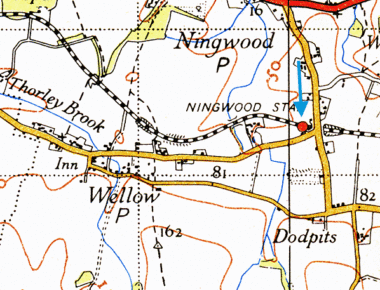
The Freshwater, Yarmouth, and Newport railway (FYN), on which Ningwood station was situated, was never profitable. 1 reason for this was that the railway line avoided the main centres of population. Watchingwell station served Sir Simeon of Swainston, his family, friends and those doing business with him and Calbourne and Shalfleet station was a mile from either village. But Ningwood station was in open countryside between the settlements of Newbridge and Wellow.
In the 1890s, the villagers of Thorley petitioned the railway company for a halt near their houses, but nothing came of the proposal. A siding was, however, added at Wellow in 1892 for the use of the Lee brickworks.


The FYN line was completed in 1888 and the 1st goods train carrying coal ran through Ningwood station on 1st September that year.
The line was inspected in March of the following year when it was found to be unsafe for the conveyance of passengers. A contractor had used burnt clay instead of gravel or stone for the concrete of the bridges. A further inspection in June saw the line judged sufficiently safe for passengers, subject to a speed limit of 25mph.
The 1st scheduled passenger train ran through Ningwood on Saturday 20th July 1889. The journey from Ningwood to Newport took 21 minutes; it took 8 minutes to get to Yarmouth by train. This would be the 1st time many West Wight residents had travelled by train as, before the construction of the line, many had not even seen a locomotive.

Unfortunately, the FYN line had been completed in haste and with a shortage of funds. This left the stations along the route – including Ningwood – without furniture and the station accommodation unhabitable for the station master.

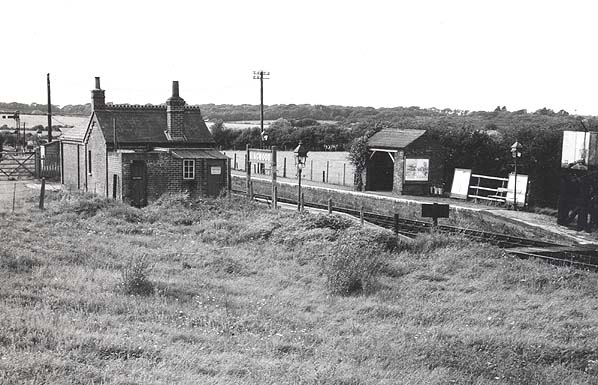
The station – when it was finally finished – was on the western side of a 2-arch overbridge on Station Road: 1 arch for the trains and 1 for a local farmer. It had a 192 ft crossing loop and 2 platforms – 172 ft in length.
The single-story brick station building and wooden signal box were located on the down platform (to Freshwater); the up platform (to Newport) had a small waiting shelter and the station master’s house. A store was also built at the station for the personal use of Sir Charles Seely.
In 1893, the FYN line went bankrupt, and the receivers were called in. Some investors lost considerable sums of money. For example, an officer’s widow from Scotland had invested £2,800 – half her capital – close to half a million pounds in today’s values.
In 1923, the Isle of Wight Railways were amalgamated under Southern Railways. Ningwood station featured regularly in reports of misdemeanours on the Newport to Freshwater line, with trains 3 times running to Newport without the correct staff – in 1930, 1931 and again in 1933.
Southern Railways attempted to strengthen the railway between Ningwood and Newport, however, even in 1929, this section was unable to take the weight of the heaviest locomotives. The viaduct at Calbourne was strengthened but trains were limited to just 15mph on this section.
The railways were nationalised in 1949. In 1951, an analysis of income and expenditure on the Newport to Freshwater line showed an income of just £7,860 compared with an expenditure of £34,469. The line was recommended for closure with the loss of the 35 staff employed on it.
More convenient bus services had done for the railway. Why walk to the station-in-the-middle-of-nowhere from Wellow or Newbridge, when there was a bus stop right outside your front door?
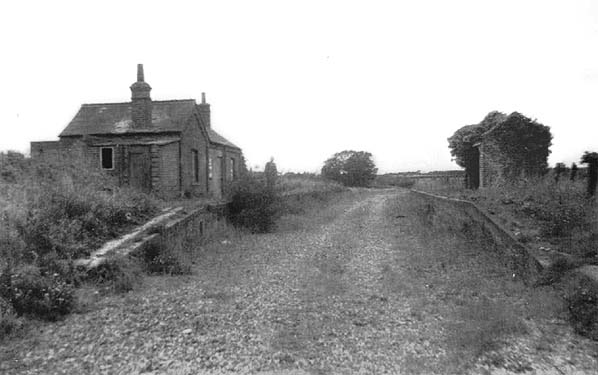
The final passenger train stopped at Ningwood on 20th September 1953. The station buildings were sold by British Railways and the overbridge on Station Road demolished.
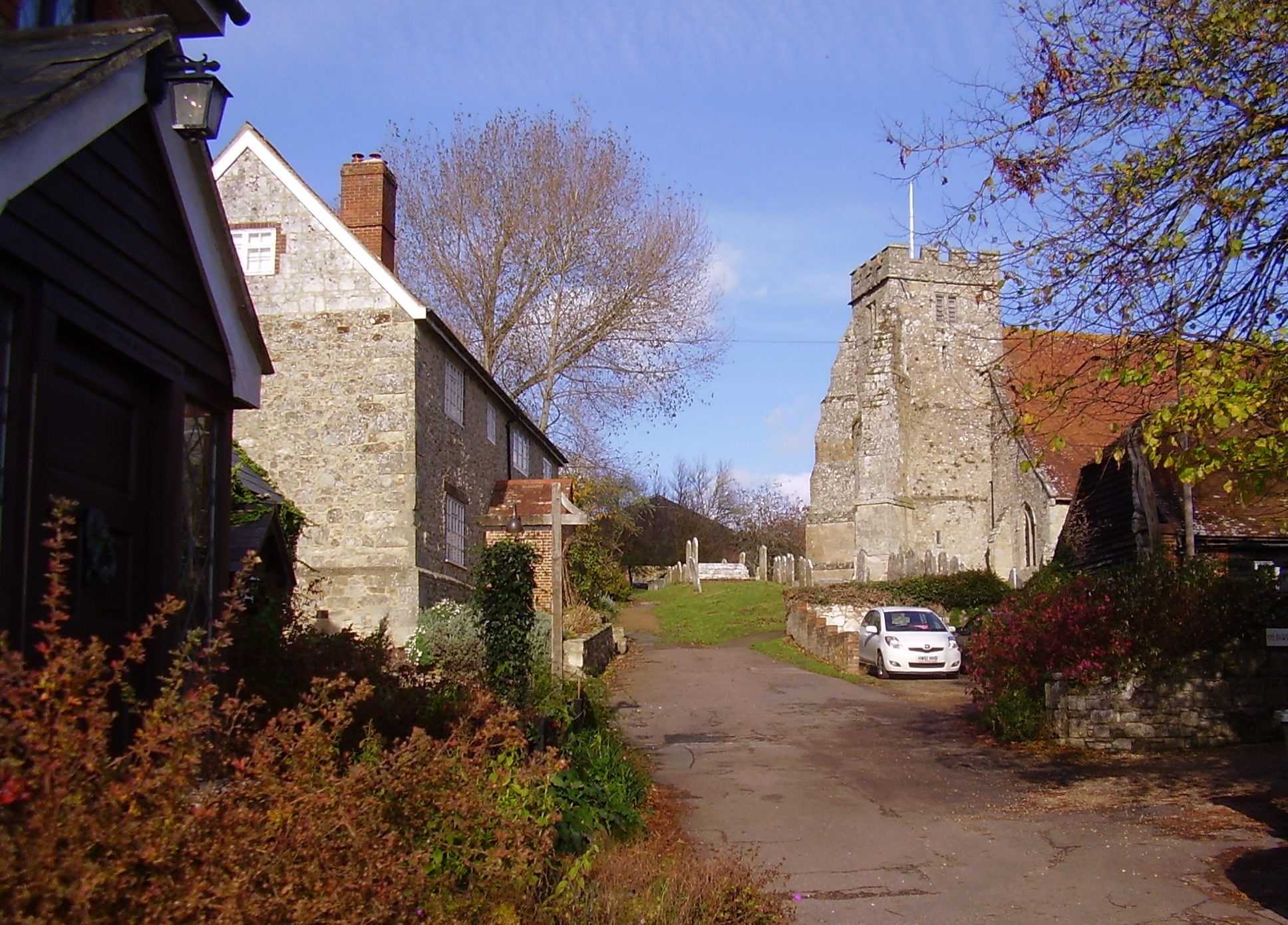
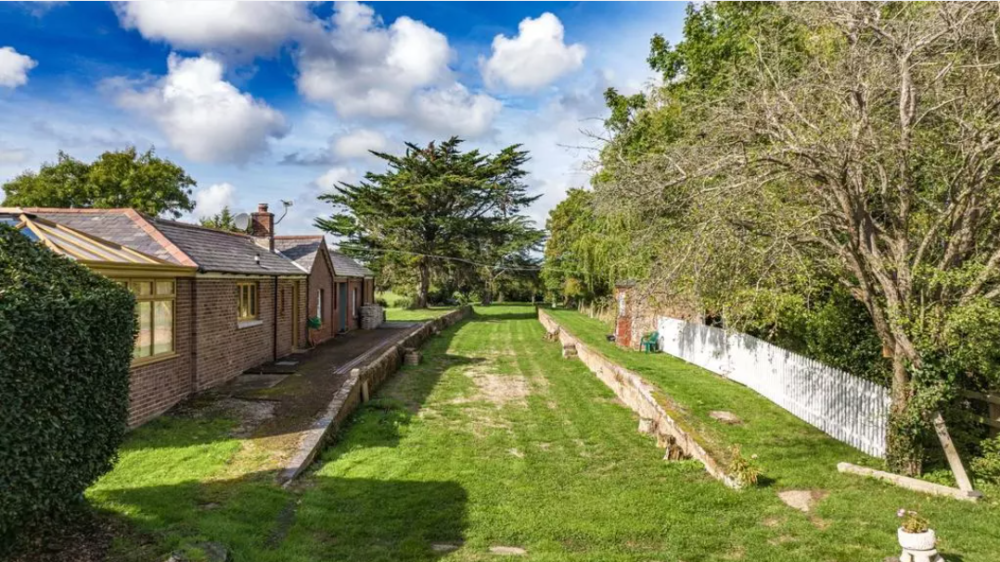
Now, in 2023, the station building has been extended and converted into a spacious private house; a platform shelter has been made into a garden shed. Much of the former station remains.
It is now on the market with Susan Payne for £850,000 – https://www.rightmove.co.uk/properties/127557980#/?channel=RES_BUY.








Has the old track become a footpath/bridleway, or did it just melt back into countryside?
Most of it is lost: built over in Newport or ploughed in elsewhere, however, you can walk it from Thorley Road, Yarmouth to just short of the station site in Freshwater.
Shouldn’t this article be denoted as “advertorial”. Property sales pitch masquerading as a local history article.
It wasn’t an “advertorial”. Just part of a series on local railway stations. It just happened to be up for sale at the time of writing.