









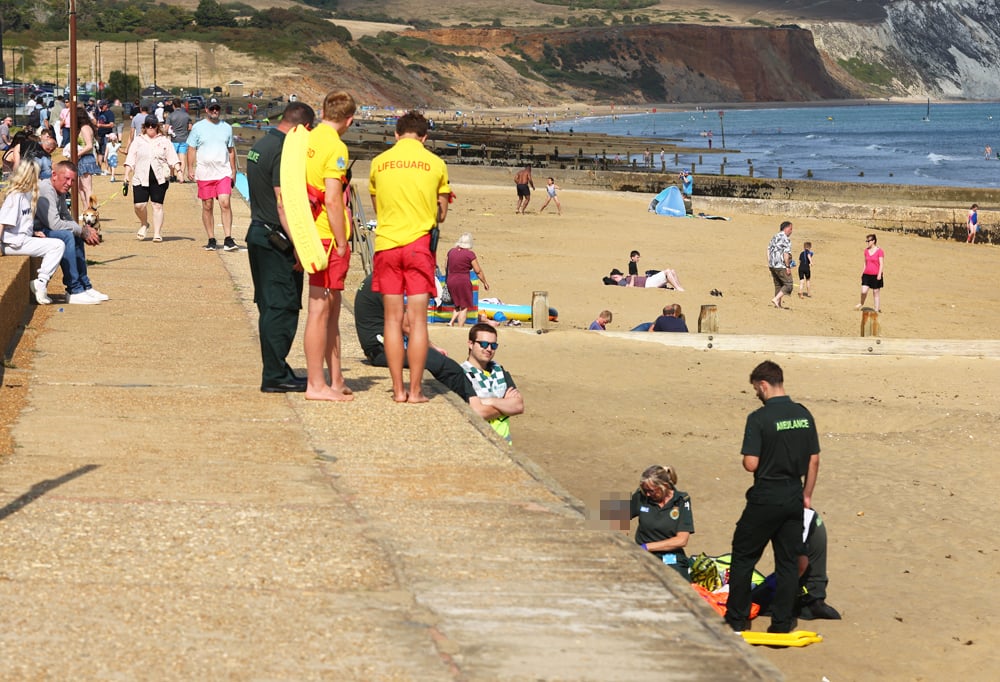


























 “We were not protected, we were placed at risk” – they are the words of Nikki Flux-Edmonds following the publication of a NHS independent investigation into the death of her 6-year-old daughter Keziah, who was drowned by her mentally ill father in East Cowes back in June 2016.
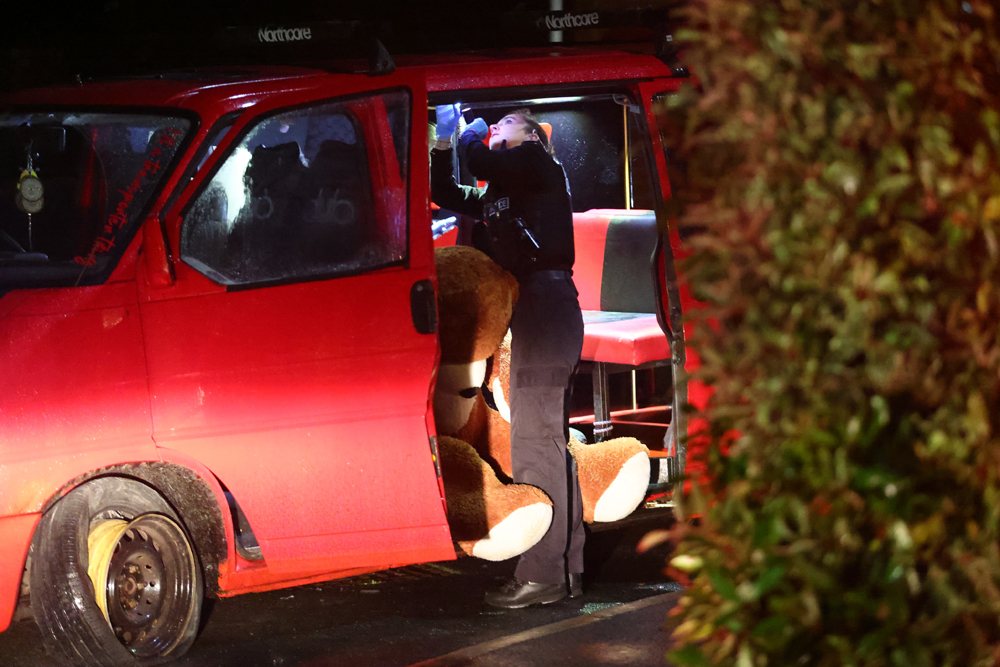
It was on 1st June 2016 that Darren Flux-Edmonds decided to take his own daughter’s life, the life of 2 family dogs and then his own life at an address in Cromwell Avenue, East Cowes. He hanged himself from the loft hatch.
The report, which has been released today (Thursday), concludes that the tragedy of Keziah’s death was not predictable; however, there was enough evidence to suggest that at the time that it was predictable that Darren was at a significant risk of ending his own life by suicide.


The investigation team have also concluded that the incident that led to the tragic death of Keziah and the suicide of Darren was not preventable.
Darren was receiving cognitive behavioural therapy (CBT) from the Isle of Wight Trust’s Primary Care Psychological Therapies service (IAPT) at the time he killed his daughter. According to the report, things that Darren self-reported should have triggered some concerns amongst practitioners, who should have sought advice of the adult safeguarding team.
Keziah’s mum, Nikki, has issued a statement in response to the report’s findings. It reads:
Communications
“I have a number of serious concerns about the standards of care that Darren received.
Article continues below this advertisement “The authorities failed to communicate with Darren effectively. They knew full well he was dyslexic, and had great difficulties in reading and writing, yet they gave him information leaflets to read, and had him fill in his own written assessment forms. He was also asked to write down his feelings, which he was just unable to do – so the information they were working on was incomplete, inaccurate or sometimes just wrong. How does giving printed forms to a man with dyslexia help him?
“It seems to me his needs were just ignored. He told them he had real difficulties in talking to people, yet when he did speak to them it didn’t seem to make any difference at all.
“He told them we’d split up as a couple. He told them he had no friends, and no contact with his brother or father, and that he rarely went out. But despite this they reported he had no problems with relationships, occupation and activities. This just does not add up. It is a serious failing.


Think Family
“This was a scheme specifically created to help health workers consider the effects of poor mental health on the family and how the family can assist the person to recover. Although originally introduced in 2010 – it doesn’t seem to have been working on the Isle of Wight in 2016. If it had, I believe Keziah might still be with us today.
“The health authorities didn’t effectively consider the effect of Darren’s deteriorating mental health on us, particularly when they knew he was often in sole charge of his 6 year-old daughter.
“I was unaware of how unwell he was, and how dangerous the potential strain looking after his Daughter could be to him.
“The report says he once told his case-worker he thought his daughter hated him. It says he mentioned to his case-worker he dreamt of killing us both. Yet we were not told, and the lack of official action (or apparent concern) meant he continued having care of Keziah regularly.
“He told the authorities things would dramatically change if I didn’t agree to reconcile. But again despite this worrying information, nothing effective was done and we were not told. This put us at risk. I was separated from him and at any time I could have easily said the wrong thing and risked both of our lives”.
Risk
“I was noted as being his only protective factor keeping him safe. But I was separated from him so really wasn’t in any position to ‘protect’ him or our family at all.
“His medical records stated he was only a risk to himself, which was surely enough to warrant urgent preventative action by the authorities Not only did he die, but he killed my daughter and our dogs. We were not protected, we were placed at risk.
“This appalling tragedy has left me a completely different person, now needing help myself. It shouldn’t have happened”.
The Isle of Wight NHS Trust has met with Keziah’s mother on several occasions about how it has changed it services, training and approach to avoid the possibility of a similar tragedy in the future. It has also sought her views and involvement in developing those changes.
Maggie Oldham, Chief Executive of the Isle of Wight NHS Trust, has said:
“This tragedy was shocking and the impact devastating for Nikki’s family, friends and community and the effects are enduring for everyone touched by what happened. On behalf of the trust I am very sorry that we did not do more for Keziah and Darren.
“I have met with Nikki and so have colleagues, to share what we are doing and involve her in changes. I would like to pay tribute to her strength and dignity during this terrible time and the way she has ensured that Keziah’s memory and life are honoured and remembered. Even before I joined the Trust, I was very aware of the tragedy of Keziah’s death, which touched people across the country.
“We have made changes and continue to do so in how our staff are trained and assessed, the processes we follow and the standards we hold ourselves to. I don’t know if we could have prevented what happened, but I do know we didn’t do everything we should and could have tried. I also know that everyone involved in health services was devasted by Keziah’s death by her father and his suicide. They believed they were doing the right thing and are totally committed to ensuring we have better practice and systems in place to minimise the possibility of this sort of tragedy happening again.”
Nikki has been supported by the charity Hundred Families which helps families after killings by people with serious mental illness. There are around 120 such cases across the UK each year.