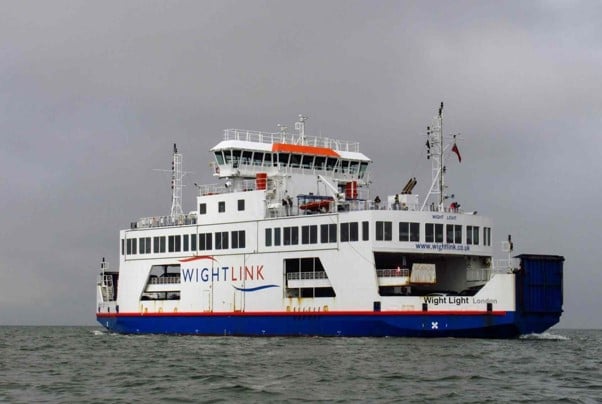

















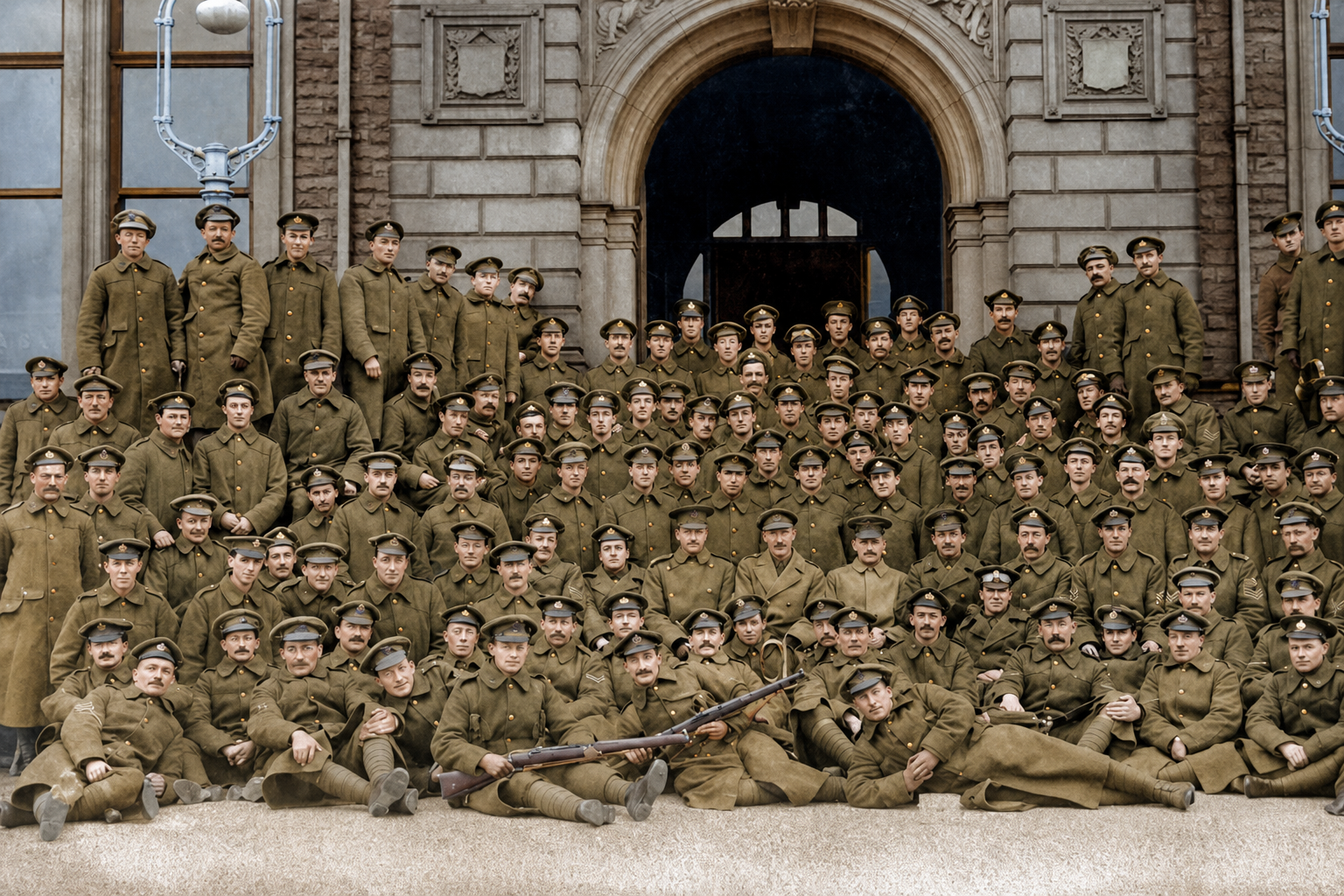




















































The Isle of Wight, renowned for its maritime heritage, is not just about traditional shipbuilding; it’s also a hub for modern electrical and automation technologies, including the crucial use of relays. This article delves into how relays are playing a pivotal role in advancing the island’s shipbuilding industry, marrying tradition with technological innovation. For those who may not be fully acquainted with the detailed history of our island, it’s worth noting that the Isle of Wight’s maritime legacy is as deep as the waters that surround it. Our island has been a strategic nautical point since ancient times, playing a pivotal role in naval history. From the era of wooden shipbuilding, where craftsmanship was as much an art as a necessity, to the significant role played during the World Wars, the Isle of Wight has always been at the forefront of maritime development. In more recent times, our shipyards have evolved, embracing modern technologies while retaining the essence of traditional shipbuilding. This rich tapestry of history not only shapes our identity but also lays a solid foundation for our future endeavors in the maritime sector.
The Role of Relays in Modern Shipbuilding
Relays, though small, are essential components in the electrical systems of ships. They serve as the building blocks for automation, control, and safety in marine vessels. On the Isle of Wight, where shipbuilding is an art as much as it is a science, relays have become integral to bringing vessels into the 21st century. Relays are fundamentally switches, but with a unique twist. They allow a low-power electrical signal to control a much larger power circuit. This is achieved through an electromagnet that, when energized, creates a magnetic field which either opens or closes contacts in the relay. These contacts then either start or stop the flow of electricity in a separate circuit. In the context of maritime applications, this means controlling various functions on a ship without the need for manual intervention. The impact of relays extends beyond basic switching to encompass vital aspects of ship operation and safety: – Safety and Reliability: Relays provide critical safety functions in ships, including circuit protection and emergency shutdown systems. – Automation and Control: With the integration of relays, ships have become more automated, enhancing operational efficiency and precision. – Energy Efficiency: Advanced relay systems contribute to energy management on ships, aligning with global efforts towards sustainability.
Isle of Wight’s Industrial Landscape and Relays
The Isle of Wight’s industrial sector, particularly its shipyards, have adopted relay technology extensively. Companies on the island are not only using relays in their shipbuilding practices but are also exploring the production and innovation of relay systems, contributing to the local economy and employment. The widespread adoption of relay technology in the Isle of Wight’s shipyards has catalyzed a broader economic impact beyond the shipbuilding sector. This technological embrace has spurred growth in related industries, including electronic component manufacturing, engineering services, and research and development. Local businesses are increasingly engaged in the production and supply of specialized relays and related components, creating a burgeoning ecosystem that supports innovation and job creation. Furthermore, the demand for skilled professionals in the field of relay technology has led to enhanced educational and training programs, strengthening the island’s workforce and attracting talent. This synergy between industry, education, and community is not only bolstering the island’s economy but is also positioning it as a center of excellence in maritime technology on a global scale. A Hub of Technological Advancement: Nurturing Local and Global Maritime Industries – Local Production and Innovation: The island hosts facilities that specialize in the development and production of advanced relay systems, catering to both local and global maritime industries. – Training and Education: Educational institutions on the Isle of Wight incorporate relay technology in their curricula, preparing a new generation of engineers and technicians.


Community Engagement and Future Prospects
The integration of relay technology in shipbuilding has sparked community interest, bridging the gap between traditional maritime practices and modern technology. Future prospects include: – Community Workshops and Exhibitions: Regular events that educate the public on the importance of relays in maritime technology. – Collaboration with Tech Companies: Partnerships with technology firms to further advance relay applications in shipbuilding. This growing interest in relay technology has also inspired a culture of innovation and collaboration on the Isle of Wight. Local tech start-ups and established businesses are increasingly joining forces, creating a vibrant community focused on advancing maritime technology. These collaborations are not just limited to the realm of shipbuilding but extend to environmental sustainability and energy efficiency, areas where relay technology can play a significant role. By harnessing the collective expertise of local engineers, entrepreneurs, and educators, the Isle of Wight is not only reinforcing its maritime heritage but also pioneering new paths in technological advancement and ecological responsibility.