





















































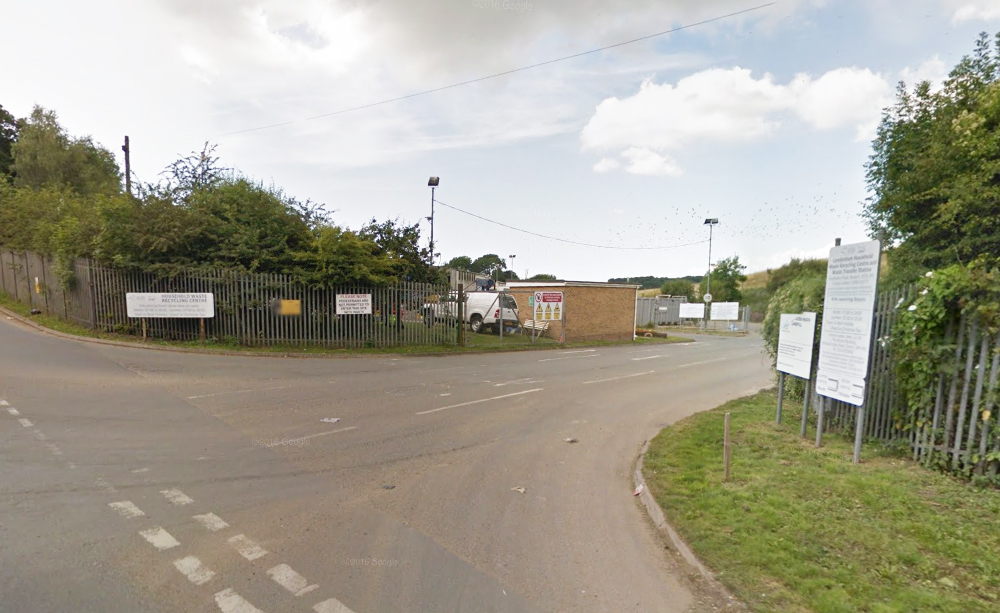

 The Isle of Wight Council and Amey have agreed to reduce the summer opening hours of Lynnbottom household waste and recycling centre by some 5 hours a day, meaning the gates will now close at 18:00 throughout the year.
Islanders have in the past had the benefit of longer openings hours at the tip during the summer months, but now the winter opening times of 10:00-18:00 will continue right the way through the year.
Up until 2017 the tip was open between 07:00-18:00 in the Winter (Oct-Mar) and 07:00-20:00 in the Summer (Mar-Oct). In October last year the winter opening times were cut by 3 hours day and now the summer opening times are being cut by 5 hours a day.


Lynnbottom will remain open 7 days a week but Afton Marsh will only open on Saturdays, Sundays and Mondays (including bank holidays) between 10:00-18:00.
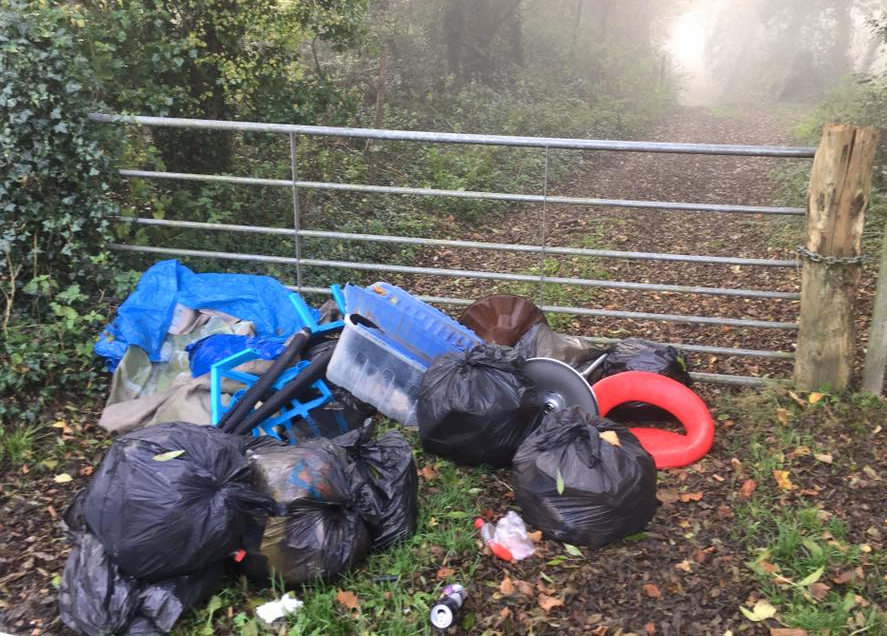
Islanders have taken to social media to complain about an apparent rise in fly tipping in recent months, especially in areas surrounding Lynnbottom such as Havenstreet and Brading Downs.
Today (Thursday), farmers and landowners who are fed up with dealing with the aftermath of fly tipping in the countryside are calling for more prosecutions to act as a stronger deterrent.
The Country Lane and Business Association (CLA) which represents landowners, farmers and rural businesses has responded to a government consultation on ways to tackle crime and duty of care in the waste sector. The organisation says its members reported an 200% increase in fly-tipping on private land in just 3 years and is supporting the government proposal to introduce fixed penalty notices for householders who do not dispose of their waste through proper legal channels.
CLA Regional Surveyor, Tim Bamford said:
“Fly-tipping is not a victimless crime. Almost two thirds of private rural landowners suffer from repeated fly-tipping incidents and are fed up with clearing away other people’s rubbish and paying for the privilege.
“Introducing a fixed penalty notice for householders who pass their waste on to unauthorised waste carriers would be a useful deterrent. However, to really tackle the crime, raising awareness of the risks of being caught and bringing forward more prosecutions are the right methods that will bring about a real change in behaviour.
“Without better understanding from the public and the right legal deterrents in place, fly-tipping will continue to increase exponentially and further blight the countryside.”
The CLA also proposes that victims of fly-tipping on private land should be allowed to dispose of the illegal waste free of charge at local tips.
Mr Bamford said:
“It is a complete injustice that private landowners who experience fly-tipping are then subject to becoming a criminal themselves if they do not clear up and pay for the mess to be disposed of. If they must clear it up themselves they should not be charged for disposing of it legally.”