



























































For decades, the Isle of Wight faced the unique challenges inherent to island life, where physical separation from the mainland often mirrored a digital disconnect. While major cities across the UK raced ahead with gigabit speeds, many rural and coastal communities were left navigating the slow lane of the information superhighway. However, things have changed dramatically over the last few years. The hum of excavators and the temporary traffic lights that have become a familiar sight on local roads signal a transformative period for the Island’s infrastructure.
The push for full-fibre connectivity is no longer just a future ambition; it is an operational reality reshaping how Islanders interact with the world. This transition from aging copper wires to state-of-the-art fibre optics is not merely a technical upgrade but a fundamental shift in the region’s economic and social fabric. As 2026 unfolds, the completion of major network builds is bringing urban-grade connectivity to villages and towns that previously struggled with basic broadband stability.
This digital revolution goes beyond faster download speeds. It represents a critical investment in the Island’s resilience, ensuring that the local population can participate fully in the modern digital economy. From healthcare systems to education, the invisible network of glass cables beneath our feet is becoming as vital as the water and electricity supplies, bridging the gap across the Solent more effectively than any ferry service could.


Evolution of Home Entertainment and Digital Consumption
The ways in which Islanders consume entertainment has changed. The modern household is a high-bandwidth environment, often with multiple 4K streams, smart home devices, and cloud-based applications running simultaneously. The old infrastructure simply crumbled under this weight, leading to the dreaded “buffering” wheel during peak evening hours. The new fibre networks provide the necessary headroom for families to operate without digital friction, supporting the explosion of on-demand content services that have replaced traditional broadcast television.
This reliability is particularly crucial for the interactive entertainment sector. Modern gaming requires not just raw speed, but low latency—the time it takes for data to travel back and forth. For competitive gamers and enthusiasts, a stable connection is the difference between winning and losing. With gigabit speeds, latency becomes a thing of the past, ensuring that whether a user is streaming a high-definition film or looking for the best online casino in the UK, which requires a strong connection to play live dealer games, the connection remains rock solid and responsive.
The ripple effects extend to how social interactions occur within the home. Video calling, once a pixelated and frustrating experience, has become high-definition and instantaneous, allowing families to stay connected with relatives on the mainland or abroad with intimacy and clarity. This shift in digital consumption is not merely about leisure; it is about reducing isolation and maintaining the social bonds that are particularly vital for an island community.
Overview of Recent Fibre Installation Projects
The sheer scale of the engineering work undertaken across the Isle of Wight in recent years has been unprecedented. Residents in towns from Ryde to Freshwater have witnessed the extensive civil engineering required to overhaul a century-old communications network. The move to Fibre-to-the-Premises (FTTP) technology means that instead of relying on slow copper cables for the final leg of the journey into a home, data travels entirely via light, eliminating the bottlenecks that historically plagued rural internet performance.
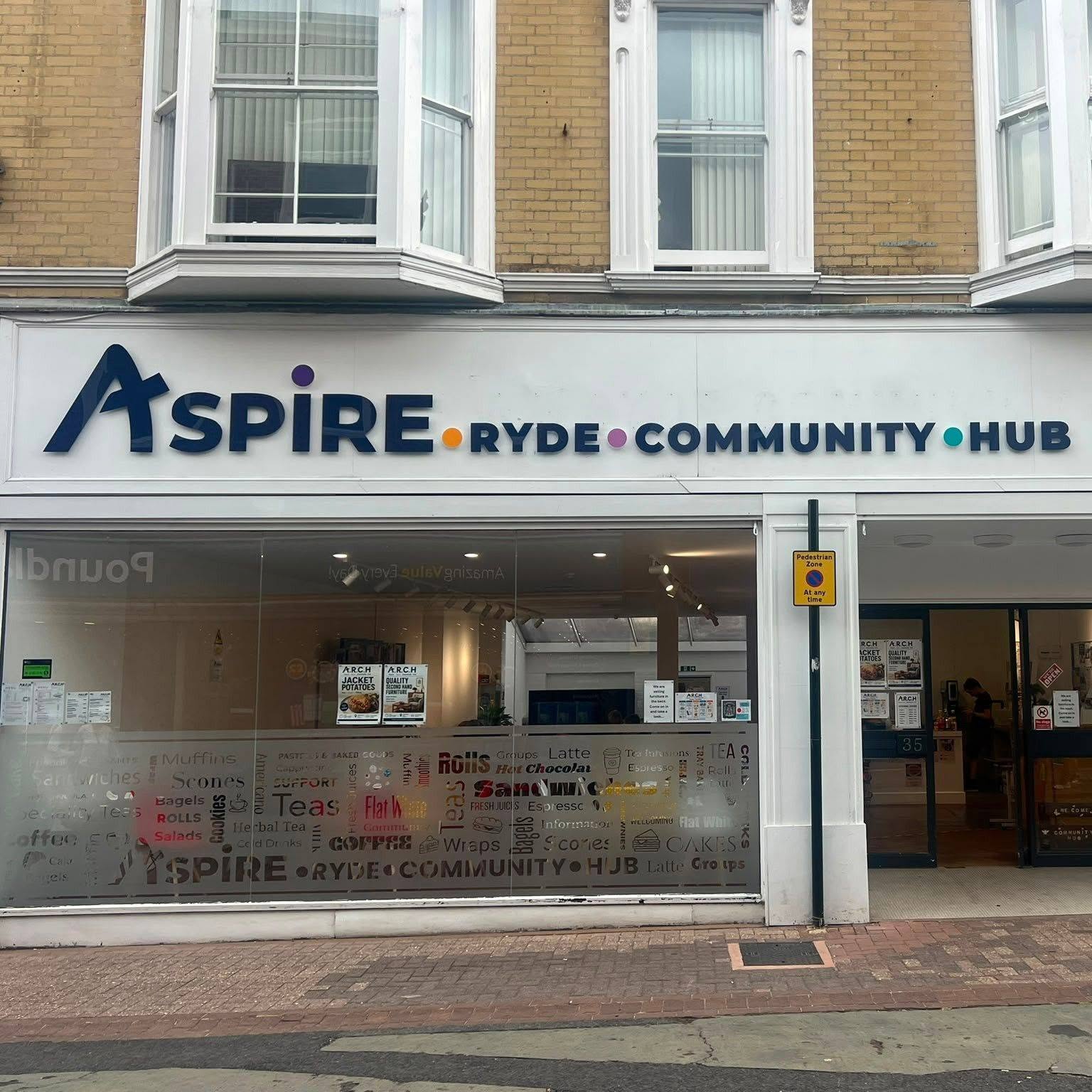
Local providers and national giants have been locked in a race to lay the groundwork for this new era. WightFibre, a key player in the local market, has been instrumental in this rollout, digging up hundreds of miles of road to ensure that the “Gigabit Island” vision becomes a reality and already providing broadband access to 21,000 homes. Their commitment extends beyond just commercial premises; there has been a concerted effort to ensure that community centres and village halls—often the beating heart of rural life—are not bypassed by this wave of modernisation.
The logistical challenges of such a rollout cannot be overstated. Navigating the Island’s unique geography, including its narrow lanes, heritage sites, and protected landscapes, has required careful planning and significant investment. Yet, the disruption caused by roadworks is beginning to pay dividends. As the heavy machinery moves on, it leaves behind a future-proof network capable of handling data demands that were unimaginable only a decade ago, effectively removing the geographical penalty of living offshore.
Economic Advantages for Local Remote Workers
The arrival of reliable, high-speed internet has fundamentally altered the employment landscape for Isle of Wight residents. Historically, ambitious professionals often felt compelled to relocate to London or the South East to progress their careers, leading to a “brain drain” of local talent. Today, the stability of full-fibre connections means that working for a FTSE 100 company from a home office in Shanklin or Ventnor is not just possible, but increasingly common. This shift has allowed Islanders to retain high-value jobs while enjoying the coastal lifestyle, keeping spending power within the local economy.
For the self-employed and small business owners, the upgrades have been a lifeline. The ability to upload large files, conduct seamless video conferences with international clients, and manage cloud-based operations without fear of disconnection has levelled the playing field. It transforms the Island from a seasonal tourist economy into a viable year-round hub for digital nomads and creative industries. The concept of the “Digital Island” is rapidly evolving from a council strategy document into a lived experience for thousands of workers who no longer need to commute across the Solent daily.
Furthermore, this connectivity boosts the local property market. Fast broadband is now frequently cited as a top priority for homebuyers, often ranking alongside school catchment areas and transport links. By ensuring that rural farmhouses have the same connectivity potential as city apartments, the infrastructure upgrades are helping to distribute economic prosperity more evenly across the Island, rather than concentrating it solely in the main towns of Newport and Ryde.
Upcoming Phases of the Network Expansion
Looking ahead, the focus is shifting from the primary rollout to ensuring no community is left behind. National infrastructure builder Openreach has set ambitious targets to reach 25 million premises across the UK by the end of this year. On the Isle of Wight, this translates to filling the final “not-spots” in the most remote rural locations. The goal is ubiquitous coverage that supports not just residential needs, but also the public sector’s growing reliance on digital tools.
The impact of these upgrades on public services is already visible. For instance, infrastructure improvements are bolstering critical healthcare capabilities, evidenced by the project where Secure I.T. Environments upgraded the NHS data centre on the Isle of Wight to meet rigorous energy efficiency targets. This project, completed at St Mary’s Hospital, increased capacity to 80kW, ensuring that patient data and digital health services are supported by robust, eco-friendly infrastructure.
Finally, the conversation is moving toward accessibility and affordability. Physical access to fibre is only the first step; ensuring all residents can afford to connect is the next hurdle. Government initiatives are playing a key role here. These physical upgrades align with national strategies, such as the government’s Digital Inclusion Action Plan, which aims to ensure rural and coastal communities are not left behind in the connectivity revolution. As 2026 progresses, the Isle of Wight stands as a testament to how targeted infrastructure investment can revitalise a region, turning geographical isolation into a digital advantage.