




























































Butterfly lovers across the Isle of Wight are being urged to take action following the release of shocking new data confirming 2024 as one of the worst years on record for UK butterflies – with the much-loved Small Tortoiseshell having its worst year ever.
Figures from the UK Butterfly Monitoring Scheme (UKBMS) show that more than half of butterfly species across the UK are now in long-term decline – the first time this has ever been recorded. A staggering 51 out of 59 species saw numbers drop last year compared to 2023.
The news has sparked concern among conservationists and nature groups locally and nationally. On the Island, where butterflies like the Small Tortoiseshell and Gatekeeper are familiar sights in gardens, parks and countryside, the picture reflects the national trend of rapid decline.


One of the most worrying declines is that of the Small Tortoiseshell – a common garden butterfly whose numbers have plummeted by 86% since the late 1970s. Other species such as the Chalk Hill Blue, which can be found on chalk grasslands like those at Compton and Arreton Down, also had their worst year on record.

Experts say a wet spring and a relatively cool summer in 2024 contributed to the poor showing – but long-term issues like habitat loss, pesticide use and climate change are leaving butterfly populations increasingly vulnerable.
Dr Richard Fox from Butterfly Conservation said:
“I am devastated by the decline of our beloved British butterflies… we have destroyed wildlife habitats, polluted the environment and used pesticides on an industrial scale. These already-depleted butterfly populations are highly vulnerable and can’t bounce back like they once did.”
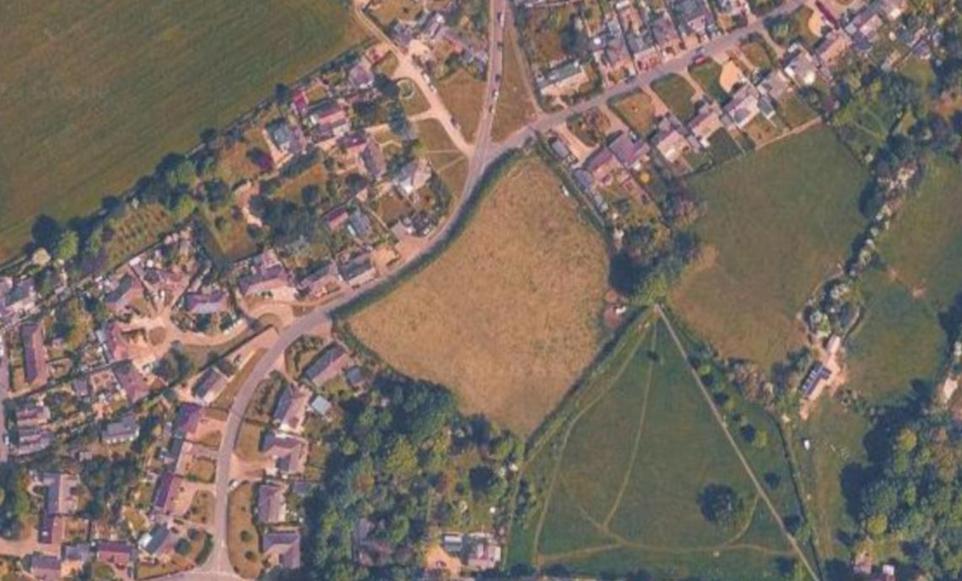
Now, Islanders are being encouraged to play their part in reversing the trend – starting with their own gardens. Butterfly Conservation is calling on local residents and the Isle of Wight Council to let grass grow wild between April and September as a simple yet powerful way to support butterfly habitats.

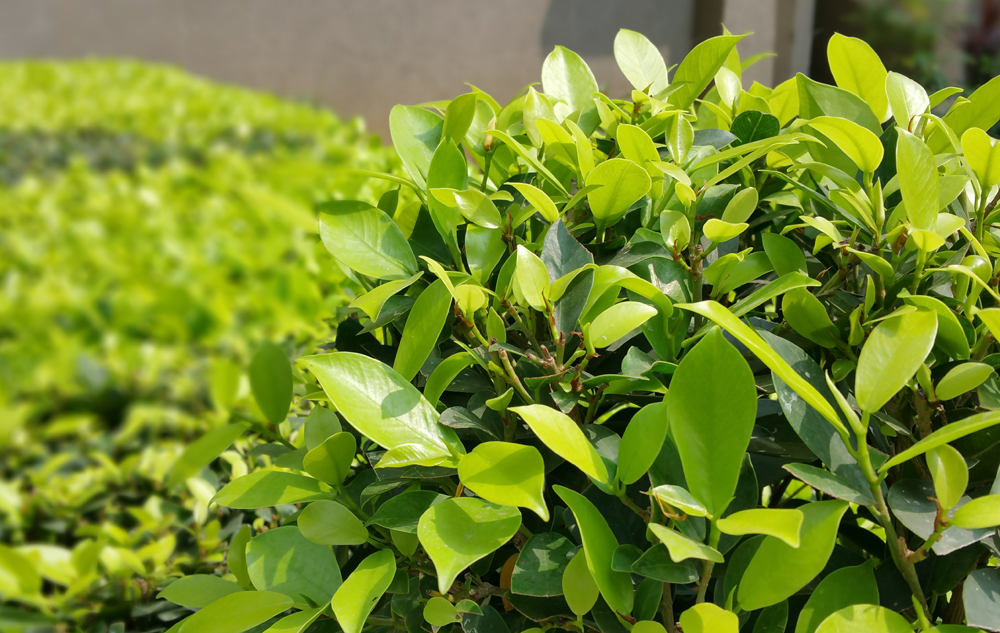
Letting grass grow allows wildflowers and native plants to flourish, providing vital nectar for adult butterflies and food for caterpillars. Research has shown this can significantly increase both the number and variety of butterflies spotted in green spaces.

Steve Wilkinson of the Joint Nature Conservation Committee added:
“These monitoring results aren’t just about butterflies – they reflect the health of our wider environment. By understanding what’s happening to these species, we can take meaningful action before it’s too late.”
The data was gathered by thousands of volunteers across more than 3,000 sites, including contributions from the Isle of Wight. The UKBMS continues to rely on citizen scientists to track butterfly trends, providing essential evidence for conservation action.
To learn more about how you can support local wildlife, including tips on creating butterfly-friendly spaces, visit www.butterfly-conservation.org.









Butterflies are beautiful.