









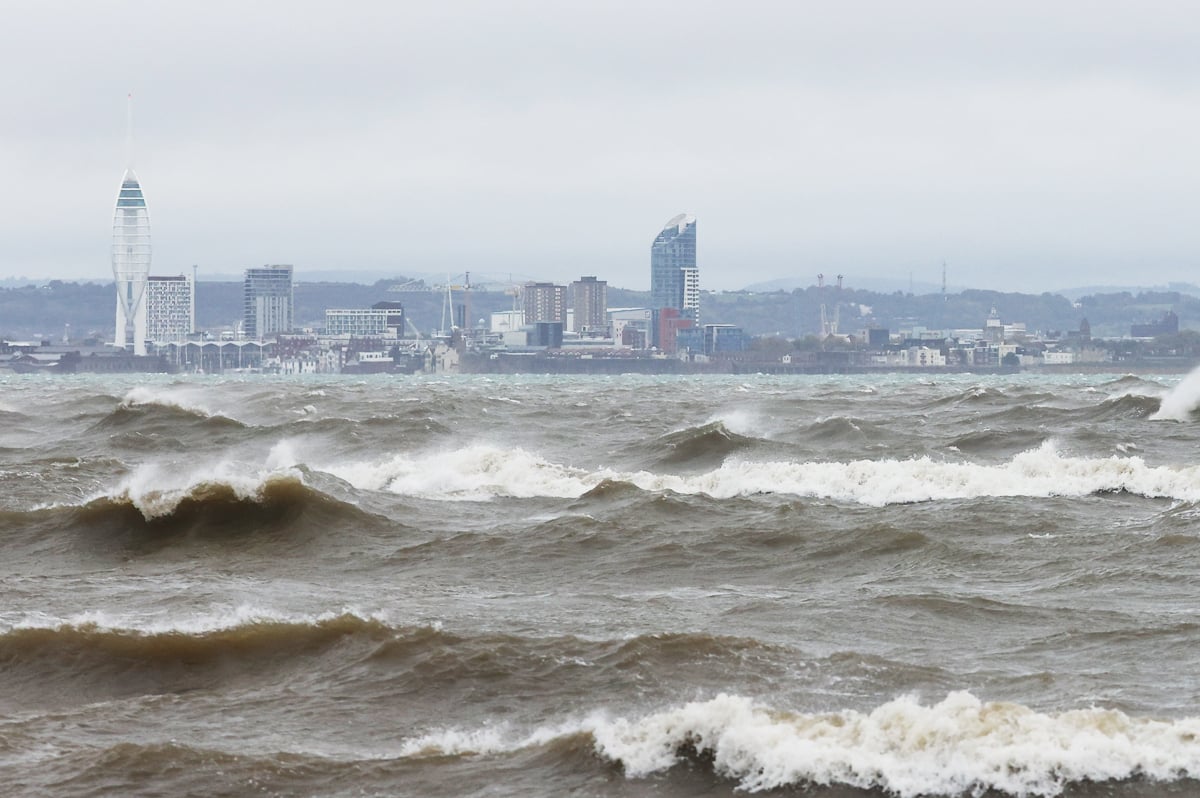






















































Islanders are being invited to join this year’s Great Coastal Birdwatch from 18th October to 2nd November, celebrating the arrival of thousands of migratory birds along the Solent.
Now in its seventh year, the Bird Aware Solent initiative encourages anyone visiting the coast to spend up to an hour spotting and recording different bird species – from dark-bellied Brent geese and oystercatchers to red-listed waders such as dunlins and black-tailed godwits – and to share their sightings online.
Last year’s event recorded around 100 different species, including ospreys, lapwings and several red-listed birds. To mark this year’s Birdwatch, a series of free guided walks and coastal pop-ups are being held across the region – including in Lymington, Fareham and on the Isle of Wight.


Eloise Mott, Bird Aware ranger, says:
“Watching thousands of birds arrive on our shores each autumn is truly breathtaking. These migrations are not only a wonder of nature – they’re a reminder of how important this area is for wildlife.”
“By sharing migratory birds’ stories, we hope people will feel inspired to look out for them and give them space to rest and feed undisturbed.”
Among the birds most likely to be spotted are:
• Dark-bellied Brent geese – travelling 3,000 miles from Siberia, around 10% of the global population spends winter on the Solent.
• Wigeon ducks – one of the most numerous ducks in the region, recognised by their chestnut heads and creamy head stripe.
• Oystercatchers – bold, black-and-white birds with bright orange beaks, seen feeding noisily on shellfish.
• Black-tailed godwits – elegant Icelandic waders known for their long legs and straight bills.
• Dunlins – small, fast-moving waders arriving from Scandinavia and Russia.
• Little egrets – distinctive white birds with black legs and yellow feet, seen by almost three-quarters of participants last year.
• Cormorants – dark, unmistakable birds often spotted drying their wings on rocks and posts.

Bird Aware Solent is a partnership of 19 local authorities and wildlife organisations working to protect the Solent’s internationally important birdlife – covering coastlines from the New Forest to Southampton Water, Portsmouth, Chichester and Langstone Harbours, and the northern coast of the Isle of Wight.