





































 Farms in South East England, including the Isle of Wight, are leading the rush to diversify into new income streams such as renewable energy and tourism, research from NFU Mutual has revealed.
The leading rural insurer’s annual diversification report, shows that 55% of South East farms surveyed are now using their land for non-agricultural purposes, compared with 37%* of farms across the whole of the UK.
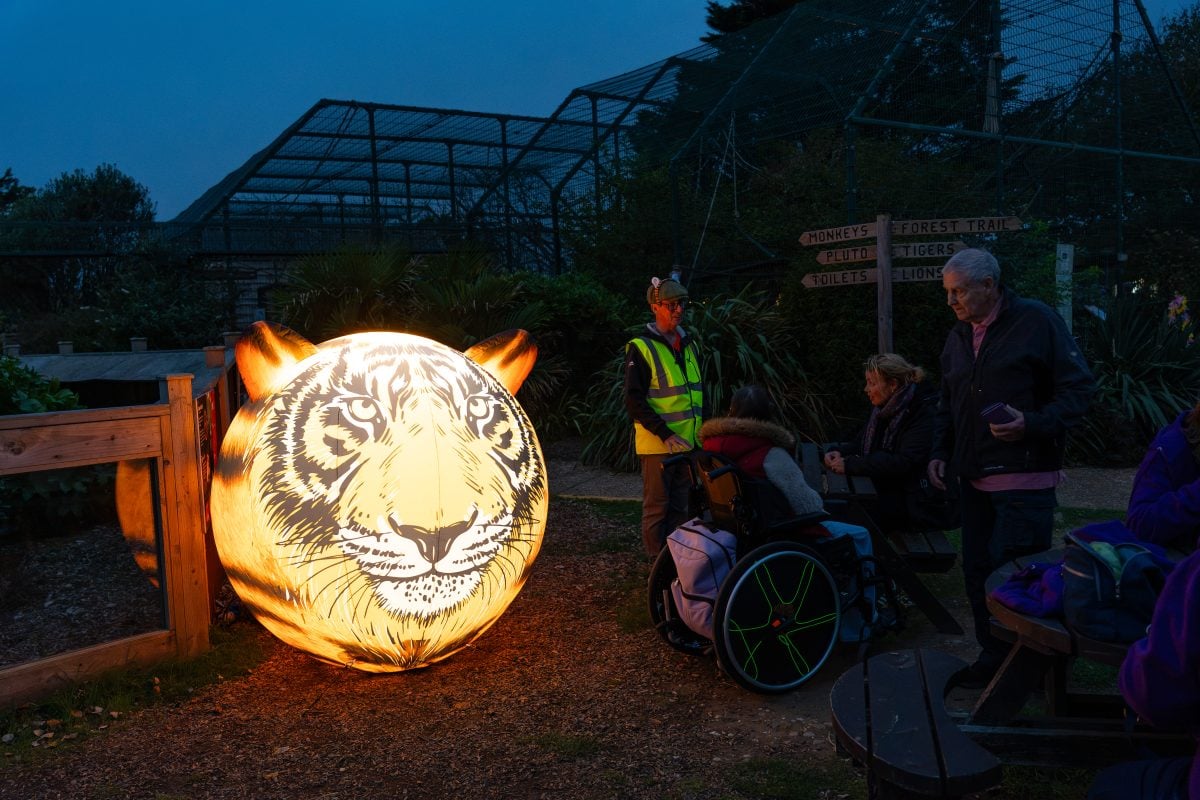
Tapnell Farm on the Isle of Wight features in the report as a shining example of a farm that has transformed itself into a tourism and leisure attraction. Tom Honeyman Brown, partner in the farm, realised its location would make it a beautiful place for guests to stay. He said:


“As well as tourism on the Island, we benefit from our setting: we’re on top of a hill, with 360o views of the sea all round, and great local beaches.”
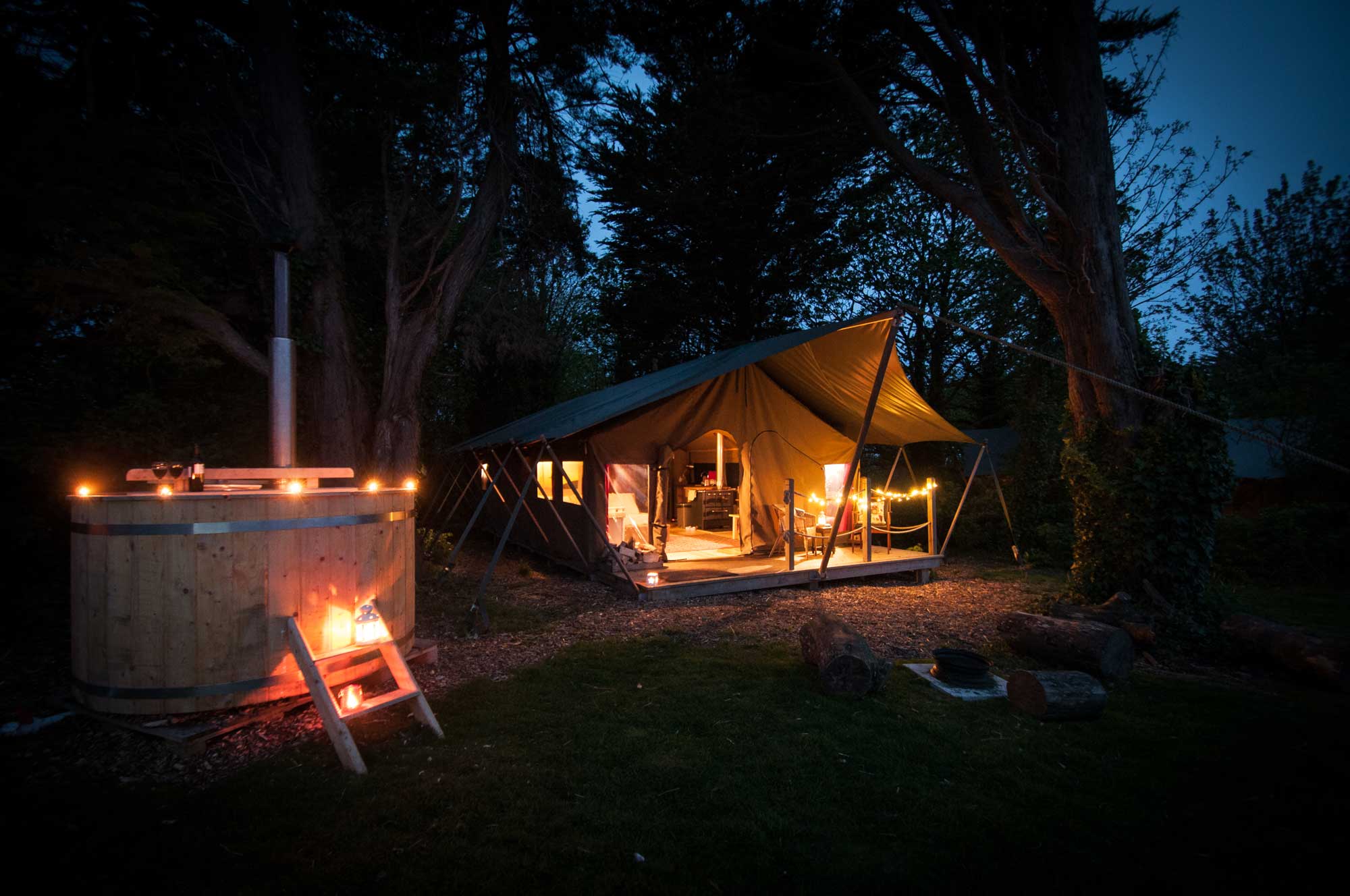
Starting in 2012, a large manor house on the farm was rented out for guests to stay in. Spotting an opportunity with the rise in popularity of glamping, the farm began offering luxury safari tents for guests to stay in on-site.
Tapnell Farm’s diversification has been the result of extensive planning. The family has always wanted to appeal to both islanders and tourists, Tom explains:
“If you rely entirely on tourists, then you become a tourist business model and shut throughout winter. We want to offer year-round jobs on the island.
“Plan like mad and the end result will be better. Do your research, and talk to people who’ve done it before, as well as experts like NFU Mutual, who can provide invaluable advice.”
Article continues below this advertisement

In addition, diversification has always involved playing to the farm’s strengths. For Tom, this includes involving his 3 children in making decisions.
“We have the perfect focus group at home, which we’ve used to design something we know they enjoy. It’s great fun”.
John Heather, NFU Mutual Agent for the Isle of Wight, said:
“As the country faces the biggest shake-up in agriculture for 50 years, more farmers are seeing diversification as the best way to ensure the present generation on the farm is not the last.”
“Renewable energy, property-letting and tourism are currently the most popular options. With the UK committed to reducing carbon emissions over coming years, a lot of farmers see harvesting power from the sun and wind as long-term investment winners.
“For others, particularly in coastal areas or near beauty spots, the rush for staycations during the COVID-19 pandemic and the popularity of glamping is making tourism a very attractive proposition.
“Farmers always have to be ready to adapt to changing markets, but the huge changes we are now seeing to farm support mean farmers are now having to take a very hard look at their businesses and take tough decisions on the future.
“While there are many ways to diversify a farm, how you go about it depends on the interests and skills available within the family or workforce. Other factors include location and access to customers.
“Critically, it also depends on the opportunities available, such as current demand for rural accommodation from a growing band of staycationers.”
The report reveals that across the UK the percentage of farms running non-farming activities rose from 31% in 2020 to 37% in 2021. The percentage of farmers operating non-farming activities is significantly higher than previous years – when NFU Mutual’s annual survey revealed 30% of UK farmers were running diversified enterprises on their land in 2019 and 28% in 2018.
Across the UK, England has the highest percentage of farms operating diversified activities on their land (43%) followed by Scotland (39%) and Wales (34%). Only 16% of Northern Ireland farms surveyed operated non-farming enterprises.
There was a significant increase in the proportion of business turnover from non-farming activity – which shot up from 11% in 2020 to 16% in 2021 with diversified farms in the South East topping the chart with 21%.
As the EU Basic Payment Scheme is phased out and replaced by incentives to enhance the environment, 11% of the UK’s farmers yet to diversify say they now plan to do so in the next 5 years.
Over a third of farmers (34%) already operating diversification activities say they expect their enterprises’ contribution to their incomes to increase in the next 5 years.
Renewable energy was the most popular non-farming enterprise, followed by non-holiday property letting. Holiday accommodation was in third place, followed by livery/equestrian, farm shops and caravan/camping sites.
The report stresses the importance of careful planning to identify successful diversification opportunities and make insurance of new diversification schemes straightforward. It also highlights the importance of looking at the financial implications of setting up non-farming activities to avoid higher Inheritance Tax bills.
NFU Mutual’s report, together with resources produced to help farmers considering diversification, is now available at nfumutual.co.uk/diversification.
 NEW FEATURE! Top Holiday Homes to Buy on the Isle of Wight
People buy holiday homes for many reasons – somewhere to escape to themselves, as a source of income, a lifestyle investment or just somewhere handy for visiting guests to stay. Whatever your reasons, the Isle of Wight has a variety of great holiday homes for sale.
Check out the fantastic caravans, cottages, beach houses and lodges available today at https://www.islandecho.co.uk/top-holiday-homes-to-buy-on-the-isle-of-wight/.












Totally understand that farms have to sadly diversify away from farming and it is okay if the changes are kept “in keeping” with surrounding areas. The IW Council refused planning permission for plastic domes at Tapnell which were surrounded by matured trees in the application but there they are, five plastic domes with attached sheds, on a ridge, in the middle of field, with not one tree in sight, in fact nothing surrounding them except the AONB. So how did that happen? How does something that gets refused get built as a blot on the landscape in an Area of Outstanding Natural Beauty?