








































A staff member who was seriously injured on the Cowes Floating Bridge in September last year was ‘exposed to or came in contact with a harmful substance’, it has been confirmed.
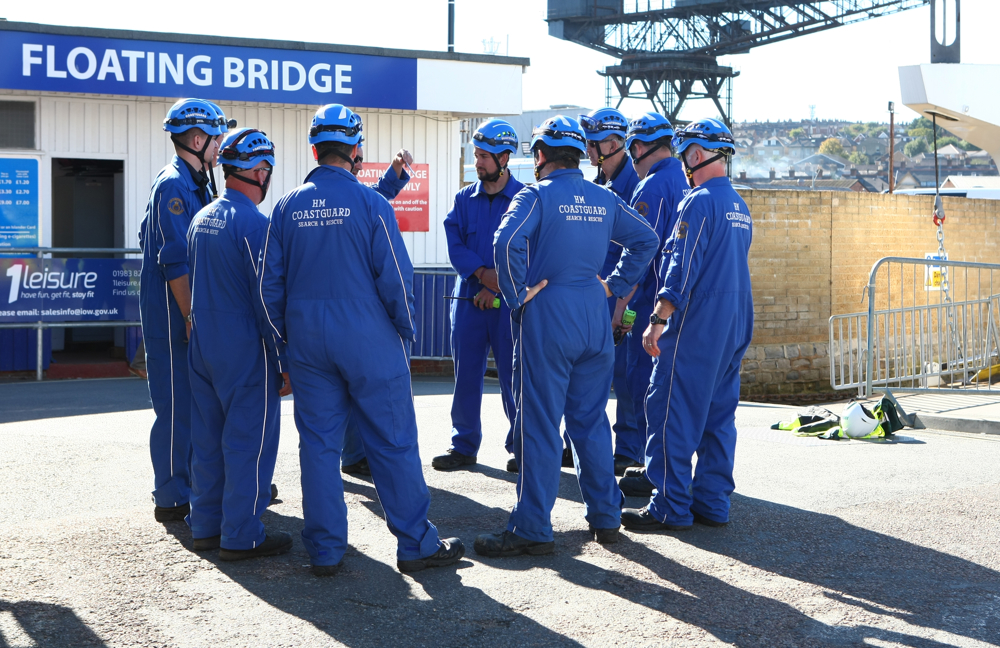
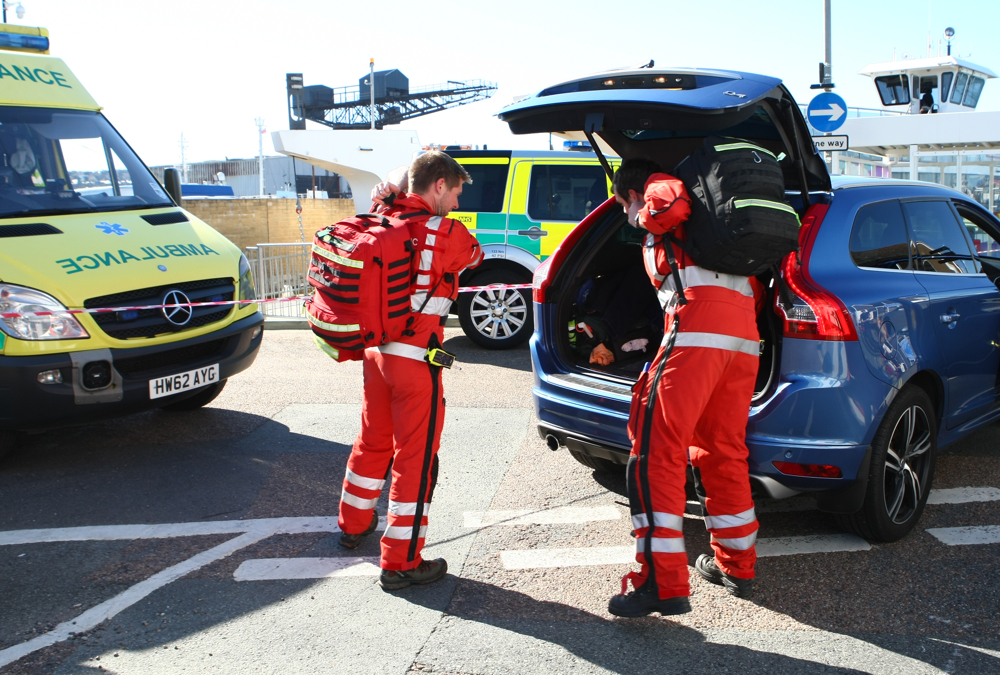
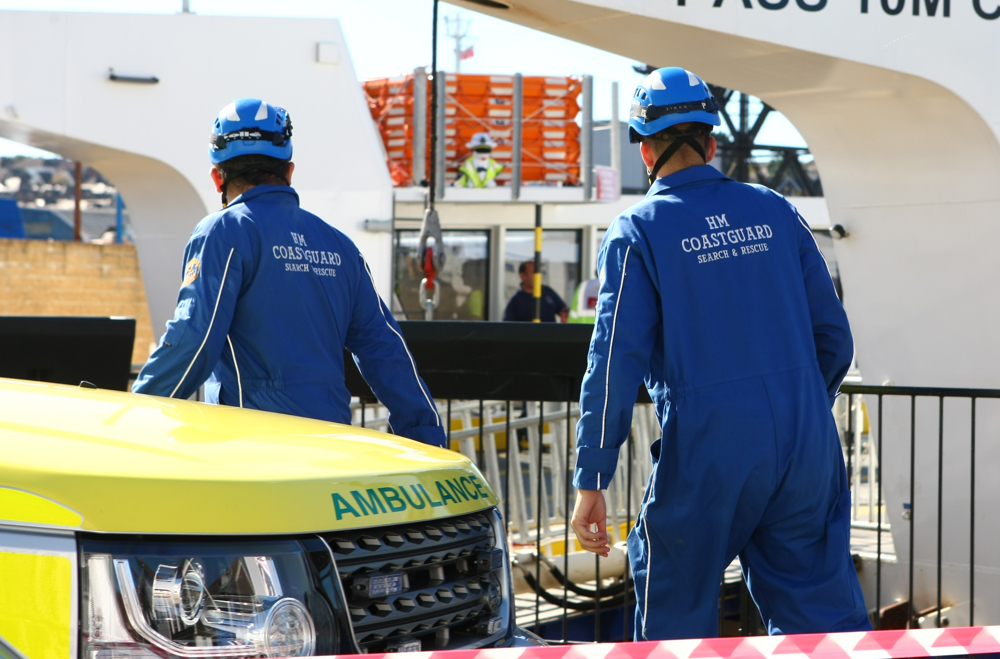
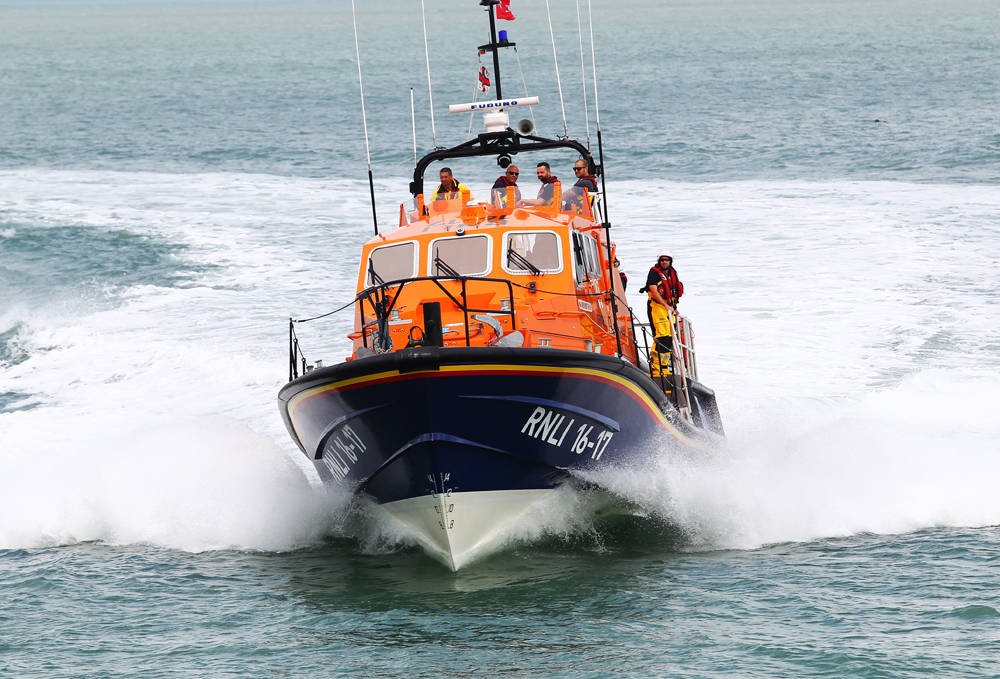
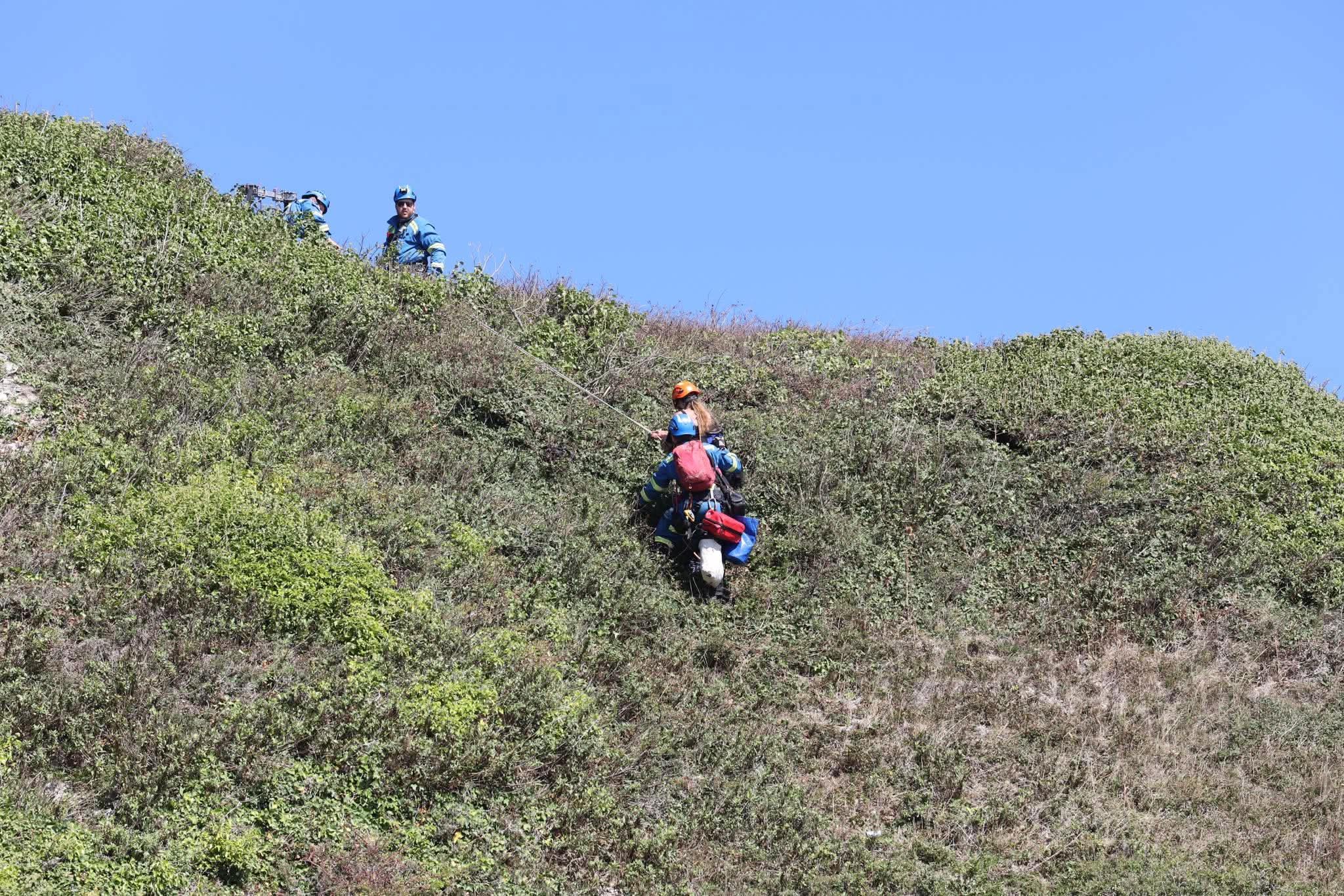
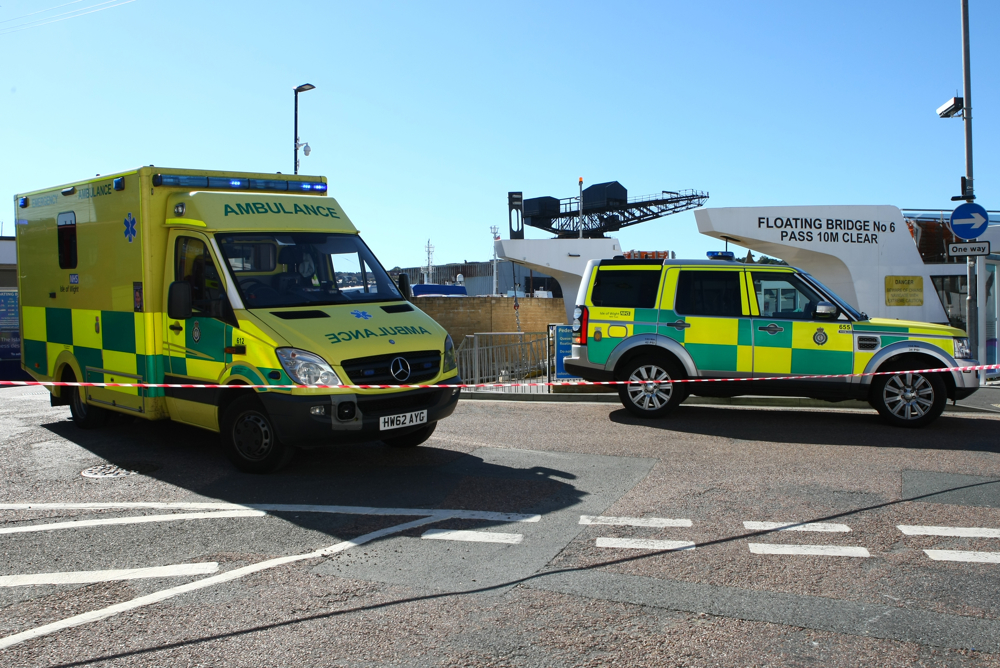
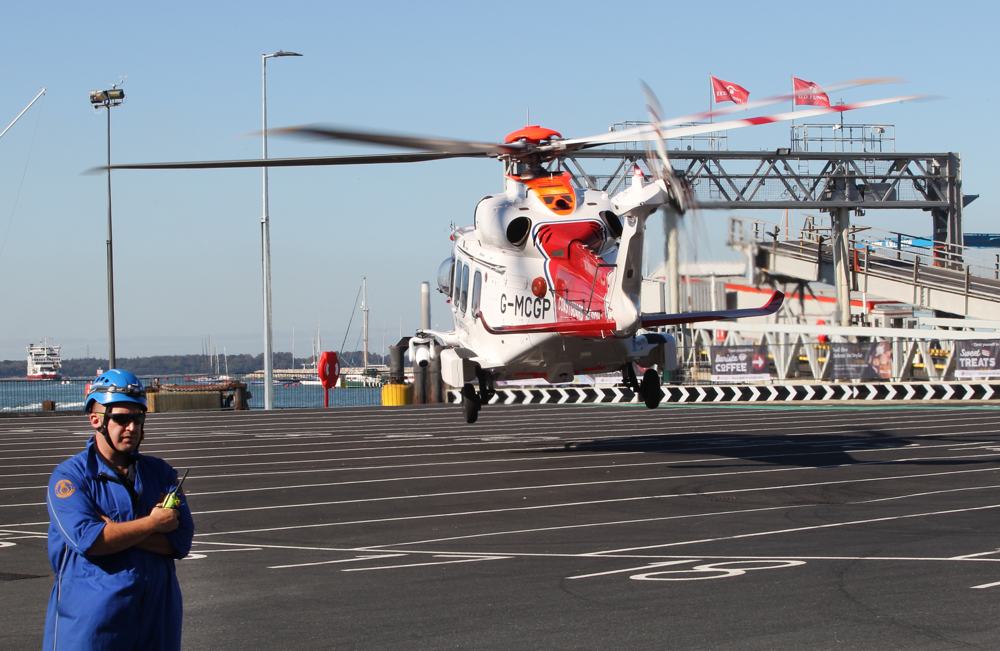
Little has been said about the incident in East Cowes on 26th September 2018, which resulted in a major response by Coastguard Rescue 175 helicopter, the Hampshire and Isle of Wight Air Ambulance, Police, fire, ambulance and HM Coastguard teams.
Information supplied by the Isle of Wight Council in a Freedom of Information request (FOI) has confirmed that a member of staff was found injured and unconscious in the engine room of the troubled Floating Bridge No.6. It is known that the man collapsed at the foot of an access ladder before losing consciousness.


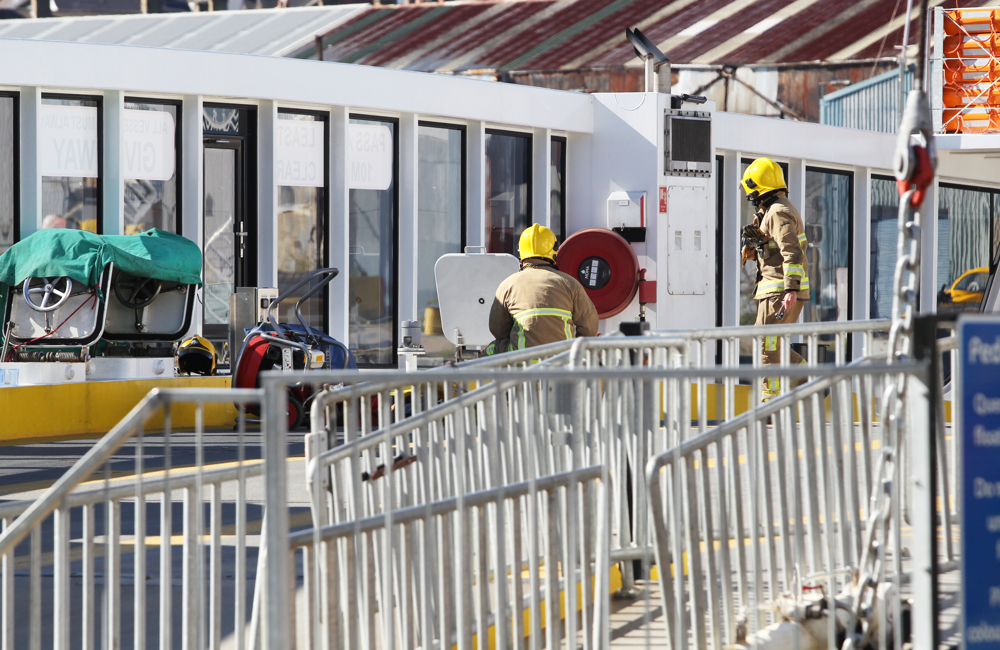
As a result of the fall, the man sustained a neck injury as well as injuries to his knee and several cracked ribs. He was flown to Southampton General Hospital by the air ambulance after being extricated from the belly of the floating bridge by firefighters.
According to sources, the unnamed man came into contact with hydraulic fluid after ‘sustaining a cut’. Hydraulic fluid can poison the body. It’s thought the staff member was trying to evacuate from the engine room when he became overcome and collapsed, resulting in the trauma injuries.
The Council’s report into the incident confirms that the staff member was exposed to or came in to contact with a harmful substance.
Although the Council have heavily redacted the official report supplied in response to FoI requests, it has been confirmed that a hydraulic leak was present on the day in question. Efforts to change an oil filter resulted in a leak which couldn’t be stopped as a cross-threaded bolt prevented the complete re-sealing of the housing.
Instead of halting the service for 3+ hours to allow for an engineer to arrive on site and rectify the issue, the decision was taken to continue the service which only made the problem worse. The report states that there are ‘discrepancies’ between the accounts of floating bridge staff and Council managers about the decision to keep the floating bridge running, despite the leak.

The Isle of Wight Council’s own Health and Safety team have noted that risk assessments associated with engineering activities on the bridge were neither suitable, nor sufficient. Furthermore, there was an over-reliance on the expertise of floating bridge staff by managers when making operational decisions.
As a result of the internal investigation, marked ‘official – sensitive’, it has been recommended that a review of all risk assessments and methods statements associated with engineering activities on the floating bridge is carried out, ensuring they are suitable and sufficient. Staff are also set to receive regular 1-2-1 sessions as per council policy and a wellbeing survey is to be carried out. Better arrangements for lone working below decks needs to be provided, according to the recommendations.