






















































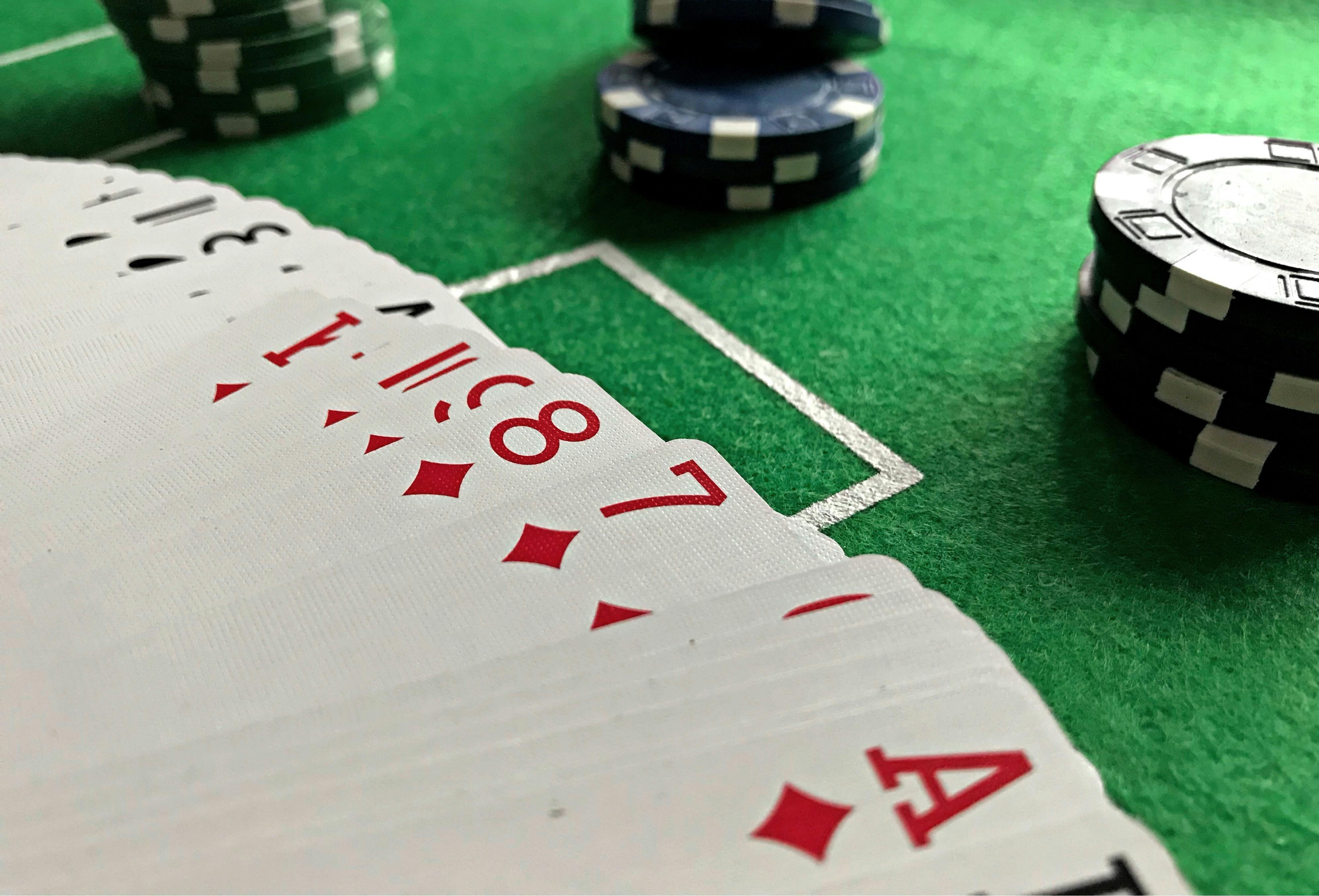

The Isle of Wight isn’t Las Vegas, but its players know that a smart gambler doesn’t need neon lights to find a good table. Whether it’s a low-key poker night or a blackjack session across the Solent, the island’s gamblers share a goal: staying one step ahead of the odds. Table games are part mathematics, part nerve, and part patience. The skill isn’t in winning every hand but in playing well enough that when fortune turns, you’re ready.
For those who want to sharpen their play, Casino.org has become a trusted resource. Its guides go beyond tips and focus on how the numbers work. If you’ve ever wondered why you should hit on 12 against a dealer’s 2 or why a certain roulette bet seems “due,” the site explains it clearly, using tested probability. The site’s blackjack simulations and roulette analyses break down what works, what doesn’t, and why. For Isle of Wight players who don’t have access to mainland casinos every weekend, this kind of informed practice is an edge that matters.
Know the Real Odds
Every casino game has a built-in advantage for the house. That doesn’t mean you can’t make the most of what’s left. The best players know how to lower that edge through strategy and discipline. For instance, using basic blackjack strategy reduces the house edge to around 0.5 percent under the right conditions. That means that on average, for every £100 wagered, only 50 pence is theoretically lost. The logic comes from mathematics, not superstition.


In roulette, sticking to even-money bets like red or black keeps your odds competitive. European roulette, with a single zero, gives a house edge of roughly 2.7 percent, while American roulette’s double zero pushes that to about 5.26 percent. That’s not a small difference. Picking the right version of a game can change the entire night. These aren’t opinions; they’re verified numbers from casino mathematics that experienced players rely on.
Choosing the Right Tables
The most overlooked skill in gambling is table selection. Casual players sit wherever there’s an open seat, but smarter gamblers take a minute to look around. Some blackjack tables use six decks, others use eight. Some let you double down after splitting; others don’t. Small changes like these can shift the house edge by fractions of a percent, and those fractions matter.
It’s like choosing between two pubs for a night out: one with better beer, the other with cheaper prices. You wouldn’t pick randomly. The same thinking applies to gambling. Find the table with rules that work in your favor. On the Isle of Wight, where venues are fewer, knowing which tables use fairer rules can be the difference between a decent night and a bad one.
Betting Smart
Smart players don’t chase wins or losses. They play steady, measured hands. The key is bankroll management. Decide your session budget before sitting down and stick to it. A good rule is to keep bets at about two to three percent of your total budget per hand. That way, even if a bad streak hits, you’ll stay in the game long enough for the math to even out.
Studies have shown that taking mandatory breaks can help players stay in control of their gambling. That’s not a theory. That’s tested behavior. Slowing down means you’re thinking more, reacting less, and avoiding impulsive bets that sink most players.

Learning from Advantage Play
Advantage play is a broad term for techniques that push the odds slightly in your favor. Card counting in blackjack is the most famous, and despite the Hollywood myth, it’s not illegal. It’s simply a method of keeping track of high and low cards to adjust your bets based on what remains in the deck. Done right, it can shift the odds by up to one percent in the player’s favor. It won’t make you rich overnight, but it can make you last longer than luck alone.
Still, casinos watch closely for this behavior, and even if it’s legal, they can ask you to leave. So discretion helps. A less risky option is tracking betting patterns, especially in games like poker. Watch how other players react after losses or small wins. People reveal more than they realize through habits. The best gamblers use observation as their real advantage.
Reading the Room
Every table tells a story if you pay attention. A nervous player making large, erratic bets is often in trouble. A dealer rushing through hands may make payout errors. Staying calm and focused lets you spot opportunities others miss. It’s a quiet skill that turns a casual player into a confident one.
The same mindset is what separates great athletes from good ones. Think of how Lionel Messi plays when the match slows down. He doesn’t rush. He waits, reads, then acts at the perfect moment. The same principle applies at the tables. Patience beats panic. Timing beats emotion.
Building Consistency
Winning one night isn’t impressive. Staying consistent is. That’s why professional gamblers track results, review hands, and identify patterns. It’s boring work, but it’s what separates discipline from impulse. Isle of Wight players can apply the same logic by keeping notes of what strategies worked and which tables felt fairer. Over time, these habits build awareness that no quick-win system can offer.
It’s also important to recognize when to walk away. Most people lose not because they played badly, but because they stayed too long. Set a target—win or lose—and stick to it. Casinos rely on fatigue. They count on players pushing through after they should have stopped. Self-control is the one edge the house can’t remove.
Making the Most of Local Options
The Isle of Wight’s quieter pace can actually be an advantage. Fewer distractions mean more focus. Smaller gaming rooms tend to have slower play, giving you more time to think. When the tables aren’t crowded, dealers are less rushed and less likely to make mistakes. Players who notice those small differences tend to leave with better results.
If you can’t get to a live table, online tools help fill the gap. Free simulators and guides let you practice blackjack strategy or learn roulette patterns without losing money. The key is consistency. You’re training your habits, not testing your luck. Practice often enough and real play becomes calmer, smoother, and sharper.