








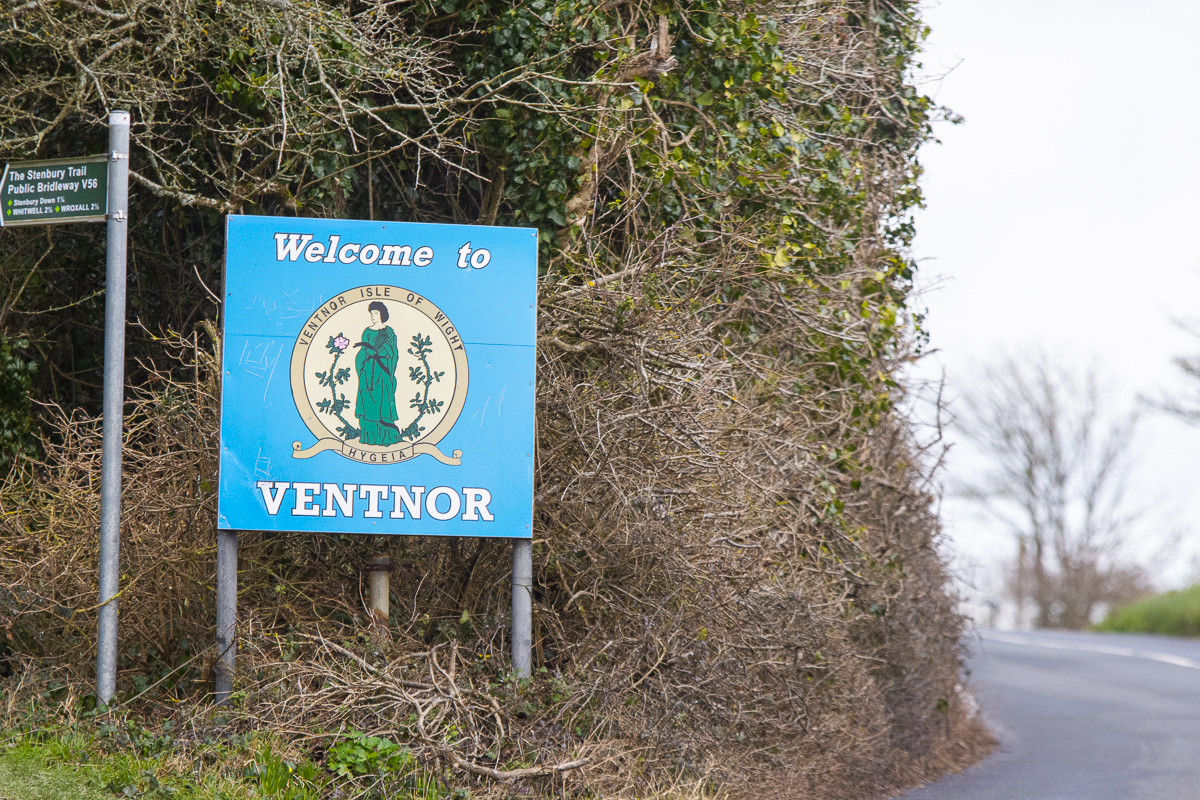

















































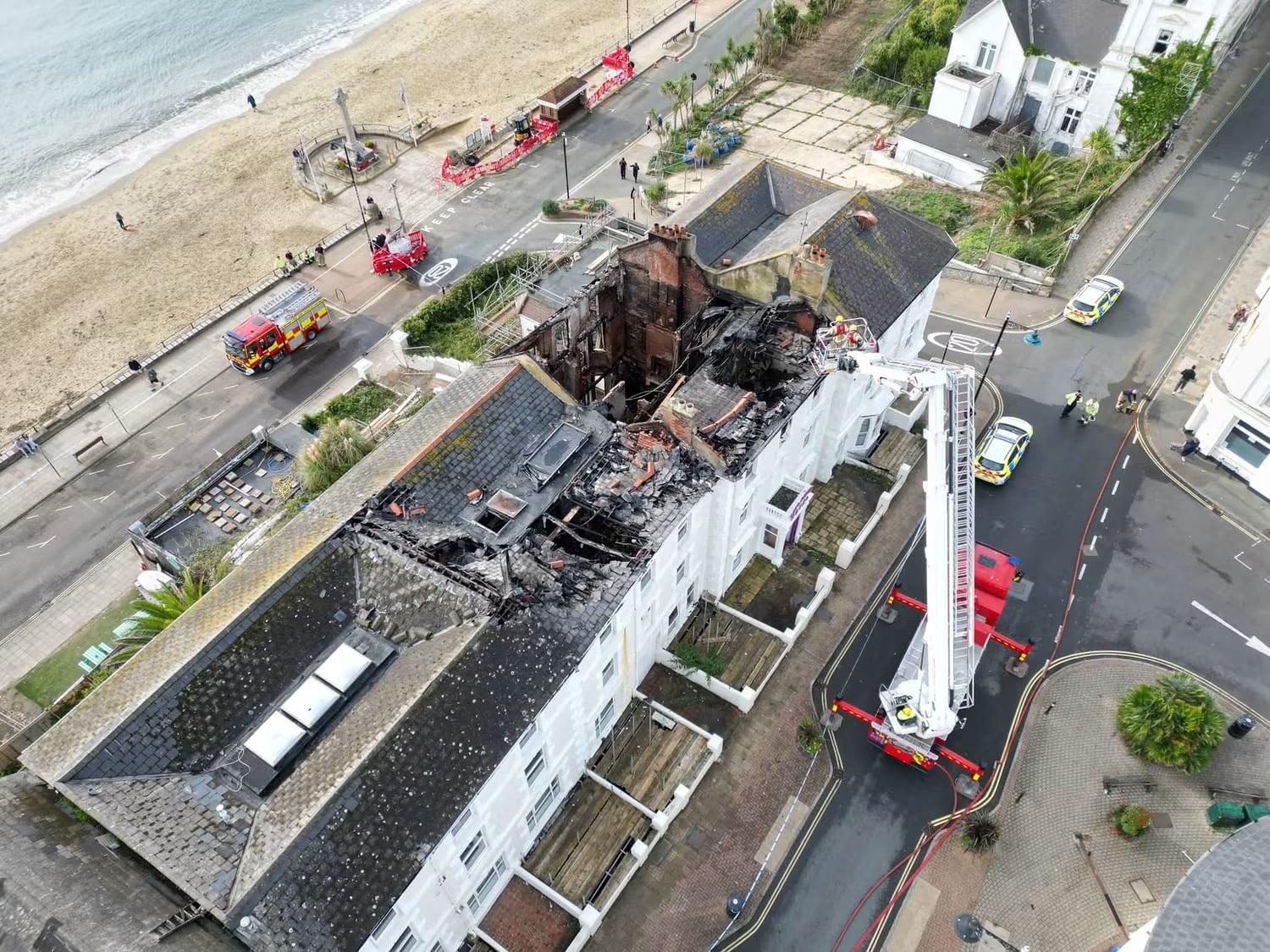
The seawall between Ventnor and Bonchurch, which was severely damaged by stormy weather last November, will not re-open in any capacity until later this year and it could be 5 years before work on a long-term solution begins.
A public meeting was held at St Catherine’s Church in Ventnor last night (Tuesday) where Natasha Dix from the Isle of Wight Council presented an update regarding the ongoing works to stabilise the collapsed section of seawall.
As previously reported by the Island Echo, a potential environmental disaster was identified in November 2022 as damage caused by mother nature had left a sewer pipe serving more than 3,000 properties in the local area in danger of releasing its contents into the sea.


Southern Water, who have responsibility for the pipe, were not present at last night’s meeting but 2 representatives from the Environment Agency had travelled from the mainland to explain their involvement in the long-term plans for renewing the local sea defences.
In the short term, residents were dismayed to learn that there was no prospect of the closed section of walkway re-opening in any capacity until late 2023. This follows the completion of the 1st stage of emergency works to stabilise the wall where rock bags have been deployed to fill the large voids underneath the sea wall, extending 35 metres in each direction.

Monitoring suggests that this has been successful in slowing the movement of the walkway enough to prevent “an instant landslide reactivation” and the situation has been deemed to have gone from critical to stable. Attention now turns to the short and long-term plans for the community’s ageing sea defences.
The damaged section of walkway is said to be unlikely to survive another winter without urgent intervention and surveys are therefore underway with a view to work starting by the end of next month. Timescales will become clearer as the project develops but this stage of the process is expected to take between 8 and 12 months, due partly to the challenging marine environment where the ability to work is dependent on storms, tides and daylight.

The most encouraging news comes with the announcement that long-term funding has been secured from DEFRA with an estimated total expenditure likely of around £50million over the course of the next several years. However, residents were left in no doubt that this would be an extended project with the construction of a long-term solution not expected to begin until 2028.
This would come after an extended trial scheme of between 2 to 3 years to gather data in collaboration with various expert partners and agencies. The local community was also told that their input into a long-term solution would be welcome and that frequent progress updates will be forthcoming.
However, it was sadly confirmed that there would be no financial support or compensation scheme for local businesses affected by the closure throughout the coming high season and, with diminished footfall and the area due to become a building site, fears will remain for their survival.










Gabion cages of large proportions made from stainless steel and filled with local rocks would reduce the power of the waves on this particular stretch and allow land drainage through to stop the pressure forming on the solid, immovable concrete walling as it now is.
Cheaper, easy to do, and moveable if damaged and easily replaced carbon dioxide friendly and blends into the environment when seaweed etc adorn the lower side.
So, of course it won’t be used by this council
‘ageing sea defences’. Just how old is that section of sea wall ? I thought that whole stretch between Ventnor and Bonchurch was re-done relatively recently
Done in the seventies
Ideal time to build a usable deep water harbor. Locals that have boats can use it when they like instead of being limited by tides, and the sea wall and that bit of coastline don’t get the full brunt of any winter storms, win win.