




























































Fire chiefs are pressing the Government to recognise the additional cost of protecting the Isle of Wight, saying everything from construction work to maintaining emergency resilience can cost more because of the Island’s separation from the mainland.
Hampshire & Isle of Wight Fire and Rescue Authority has raised its concerns with both the Treasury and the Ministry of Housing, Communities and Local Government, arguing that the national fire funding system does not adequately reflect the cost of operating across the Solent.
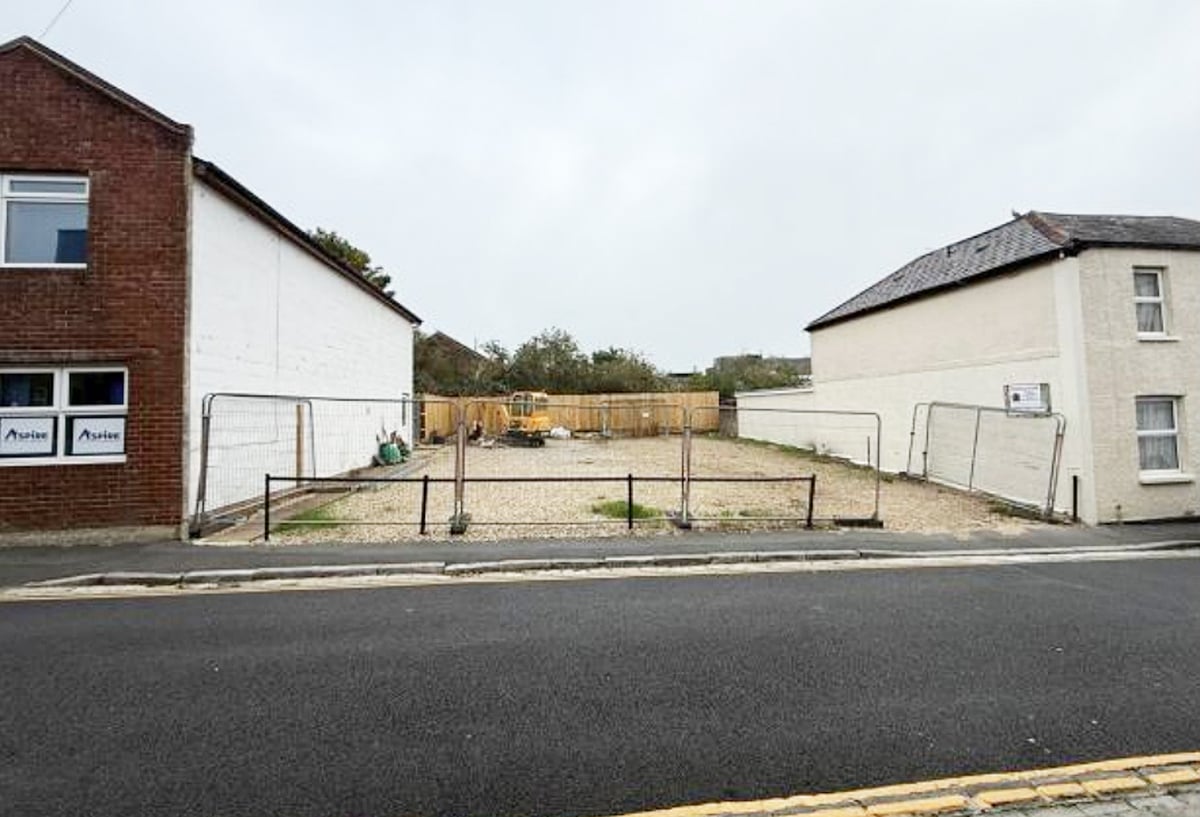
The issue has been brought into sharp focus by plans to postpone the rebuild of Newport Fire Station, as previously reported by Island Echo.


The Authority says the latest estimates show the Newport project is likely to cost more than originally anticipated, partly because it is “consistently experiencing higher costs for construction on the Isle of Wight than for comparable work on the mainland”. It describes the additional expense as an ‘Island premium’.
However, the concern extends beyond building costs.
In its budget approved in February, the Authority said like-for-like goods and services can cost more on the Isle of Wight and that additional emergency equipment has to be kept on the Island because of the time it would take to bring extra resources across from the mainland.
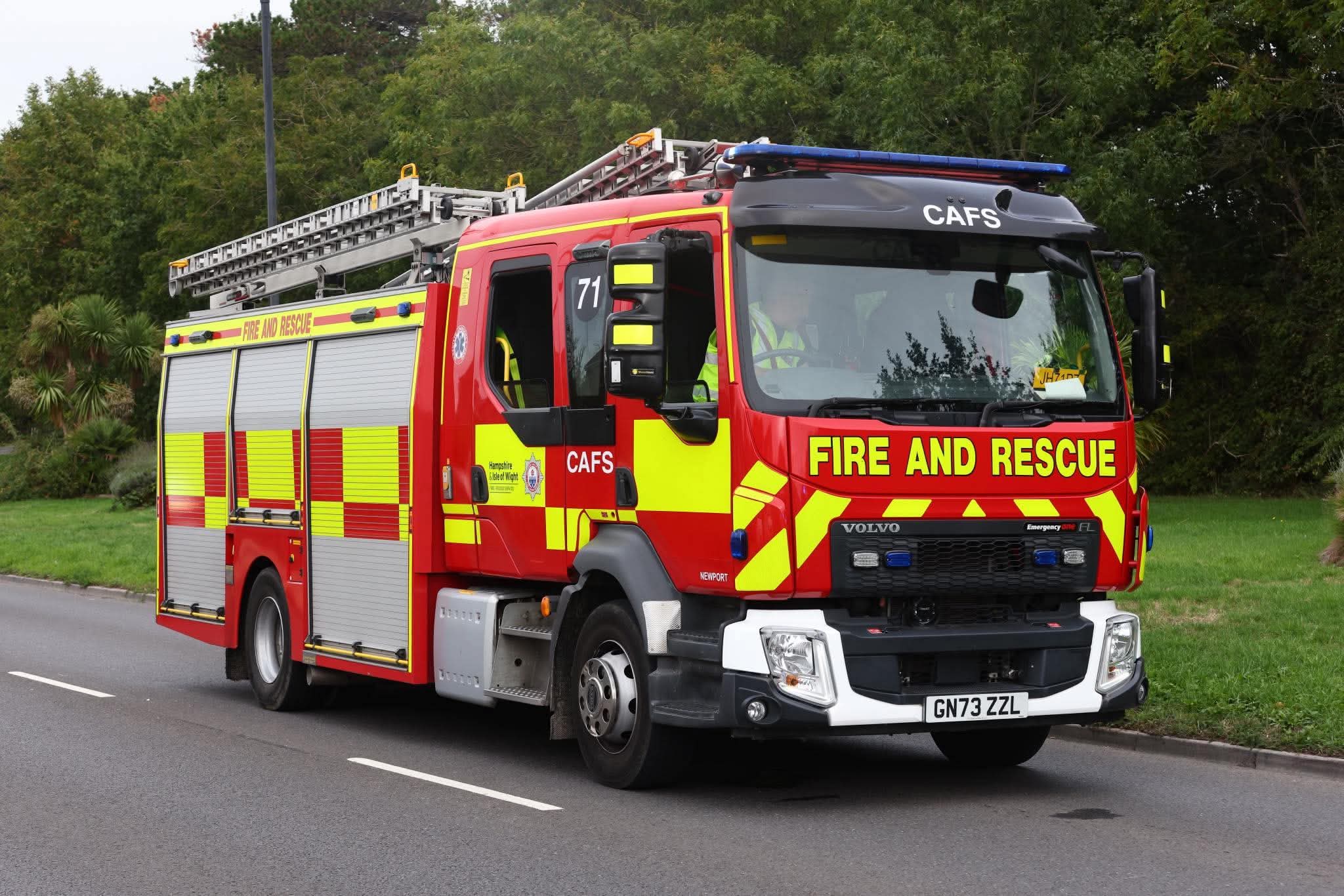
A separate £189,000 budget pressure was included for 2026/27 for additional resource costs associated with what the Authority described as “running a service spanning an expanse of water”.

The Authority had already told Government that it did not believe the cost of providing a fire and rescue service on the Isle of Wight was fully reflected in the funding formula.
Its latest financial report shows that the argument has now been taken to HM Treasury, with a specific request for the additional costs caused by Isle of Wight geography to be recognised.
It has also called for fire authorities to receive capital funding from Government and for existing grants to be protected in real terms while the fire funding formula is reviewed.
The Authority currently receives no direct Government capital grant, meaning major investment in fire stations, vehicles and other assets has to be funded from local revenue, reserves and borrowing.
The Government’s fire funding formula already takes some geographical factors into account, including coastline and sparsity, but the Authority argues that the particular costs of operating across the Solent are still not adequately reflected.
Its Government funding allocation is expected to fall by £2.9million over the 3-year settlement period.
The argument is not new. An inspection of the former Isle of Wight Fire and Rescue Service in 2018/19 found that geographical isolation limited opportunities for economies of scale and recorded that the service and Isle of Wight Council were already making a case for an “island premium”.
At the time, firefighter spending per head on the Isle of Wight was £31.75 compared with £22.38 nationally, although those figures relate to the former standalone service and are not representative of current spending.