













































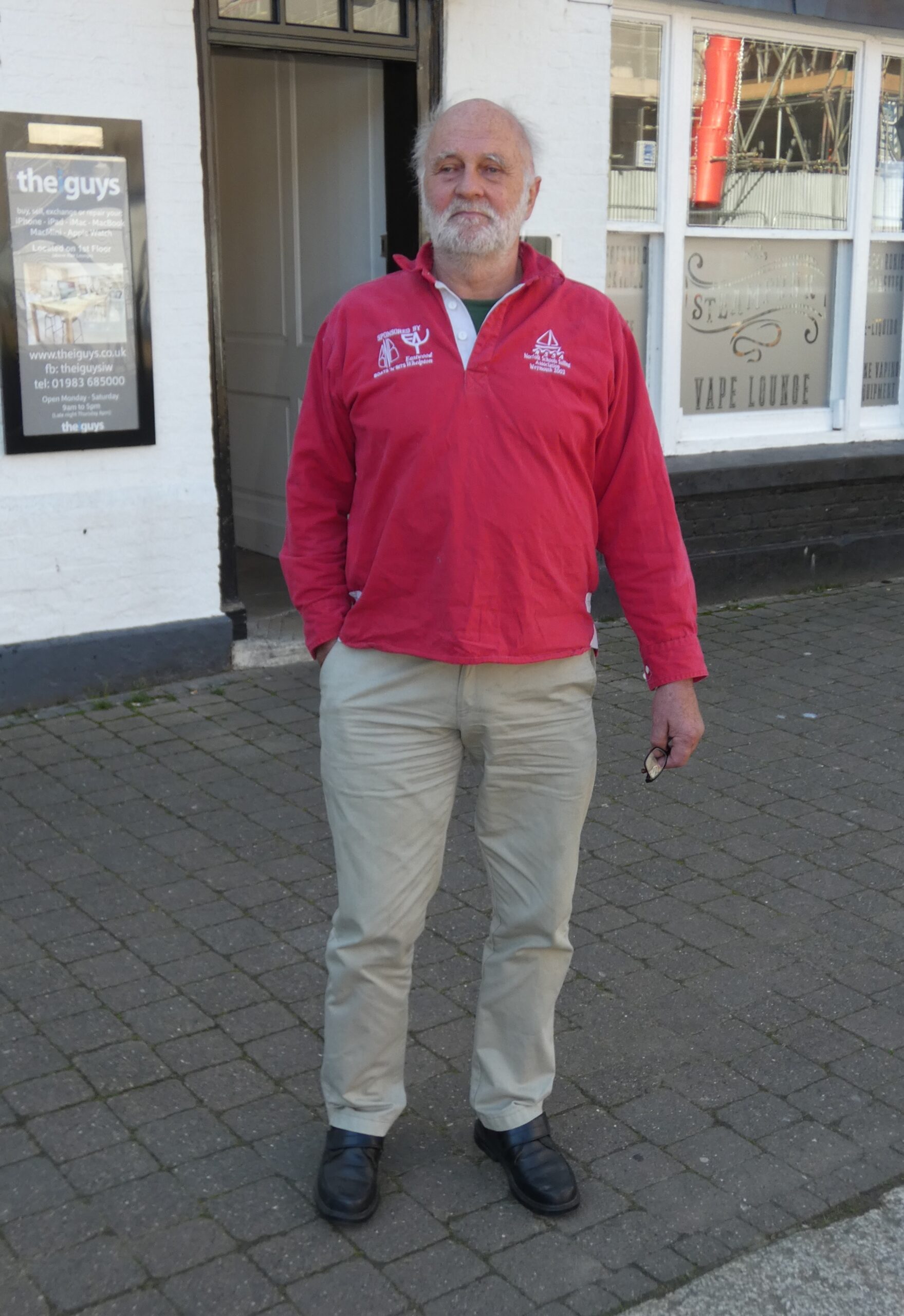
An Isle of Wight farmer has highlighted the disadvantages of introducing new species to the Isle of Wight.
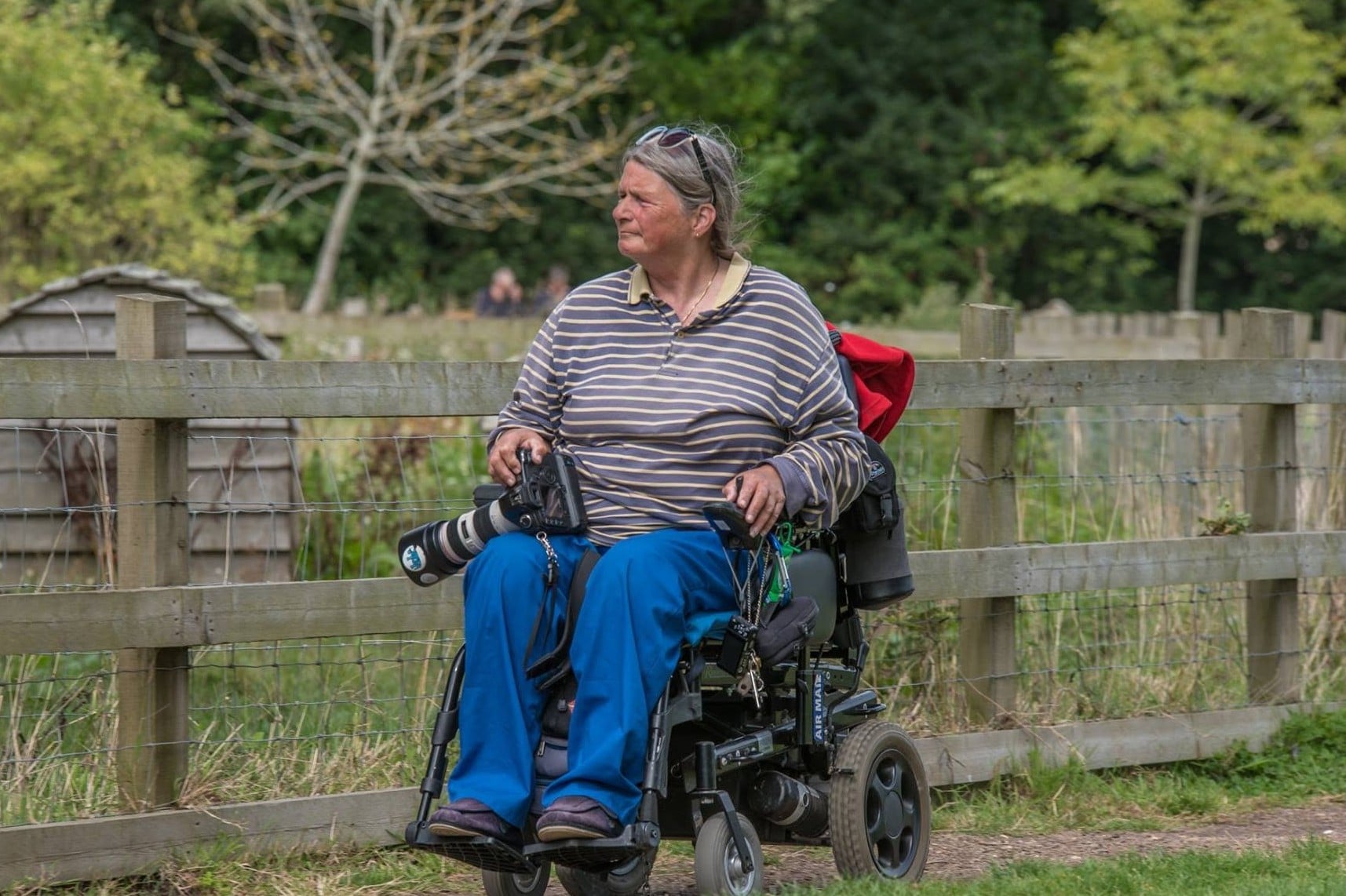
Mark Coventry, who has a degree in zoology and has previously worked for Nature England, farms Lower Luton Farm near Northwood.
The Gurnard Luck – which runs through his land and is prone to flooding – would make ideal habitat for beavers, which causes him great concern.


Mark strongly opposes the idea of releasing beavers on the Island. He says:
“Why? We don’t need them. They bring no benefit at all. If I had beavers in my part of Gurnard Luck, they would devastate the ancient woodland. Beavers are high quality engineers. If you flood a piece of land that has never been flooded before, all the trees will die”
Mr Coventry does not believe beavers can co-exist with humans and their pets. He claims:
“Beavers are territorial. They would not tolerate other animals. They would kill otter. Any dog that dived into a beaver pond would be attacked.
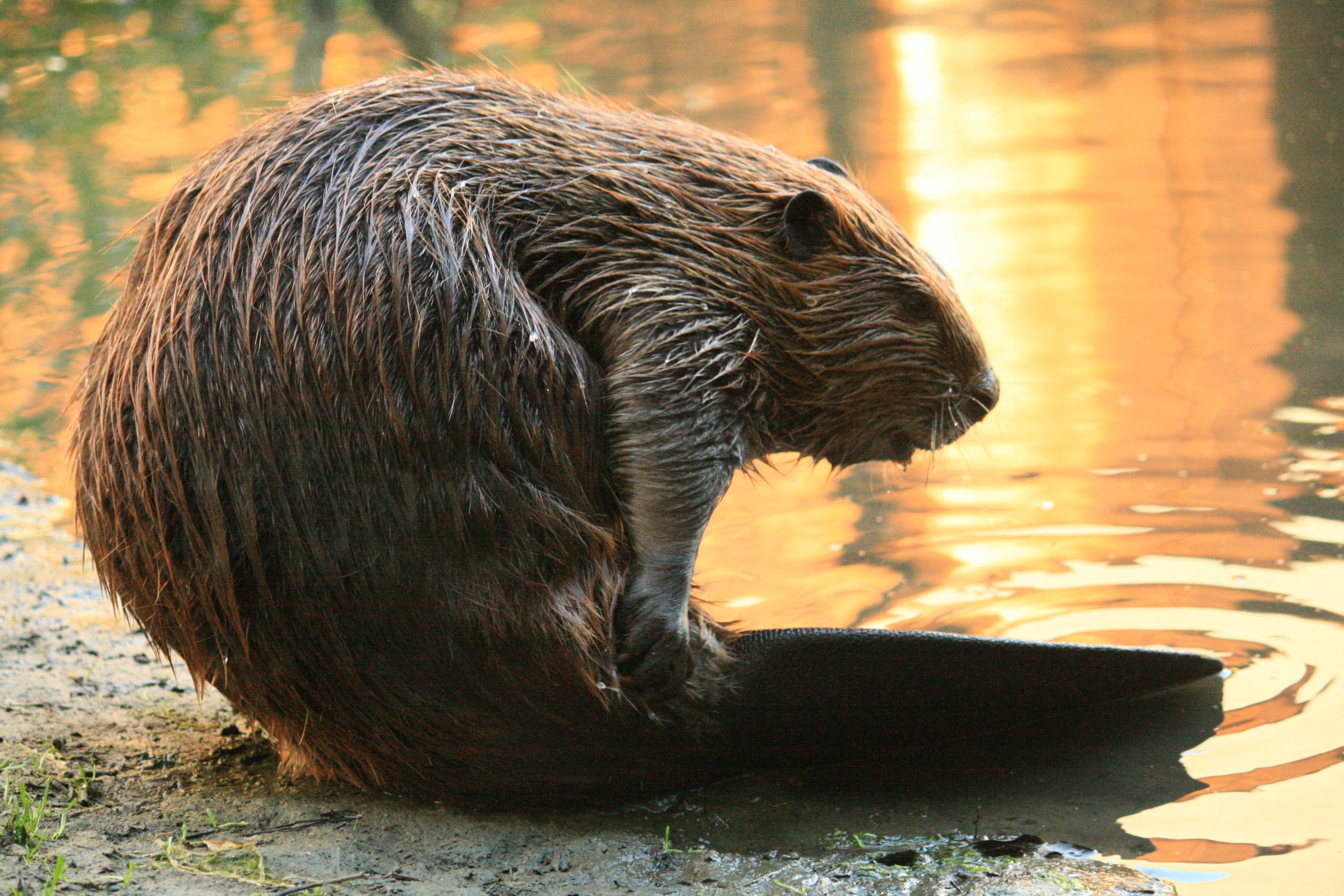
“Beavers are large animals weighing up to 30kg. That’s 60 times the weight of a rat with teeth capable of felling trees. People wouldn’t be able to see beavers because of the dangers of possible attacks and falling trees.”
Article continues below this advertisement

Mr Coventry denies that beavers reduce flooding. He says:
“Beaver dams will pre-flood the flood plain, preventing it from acting as a buffer. Beaver dams will not withstand heavy flood incidents.
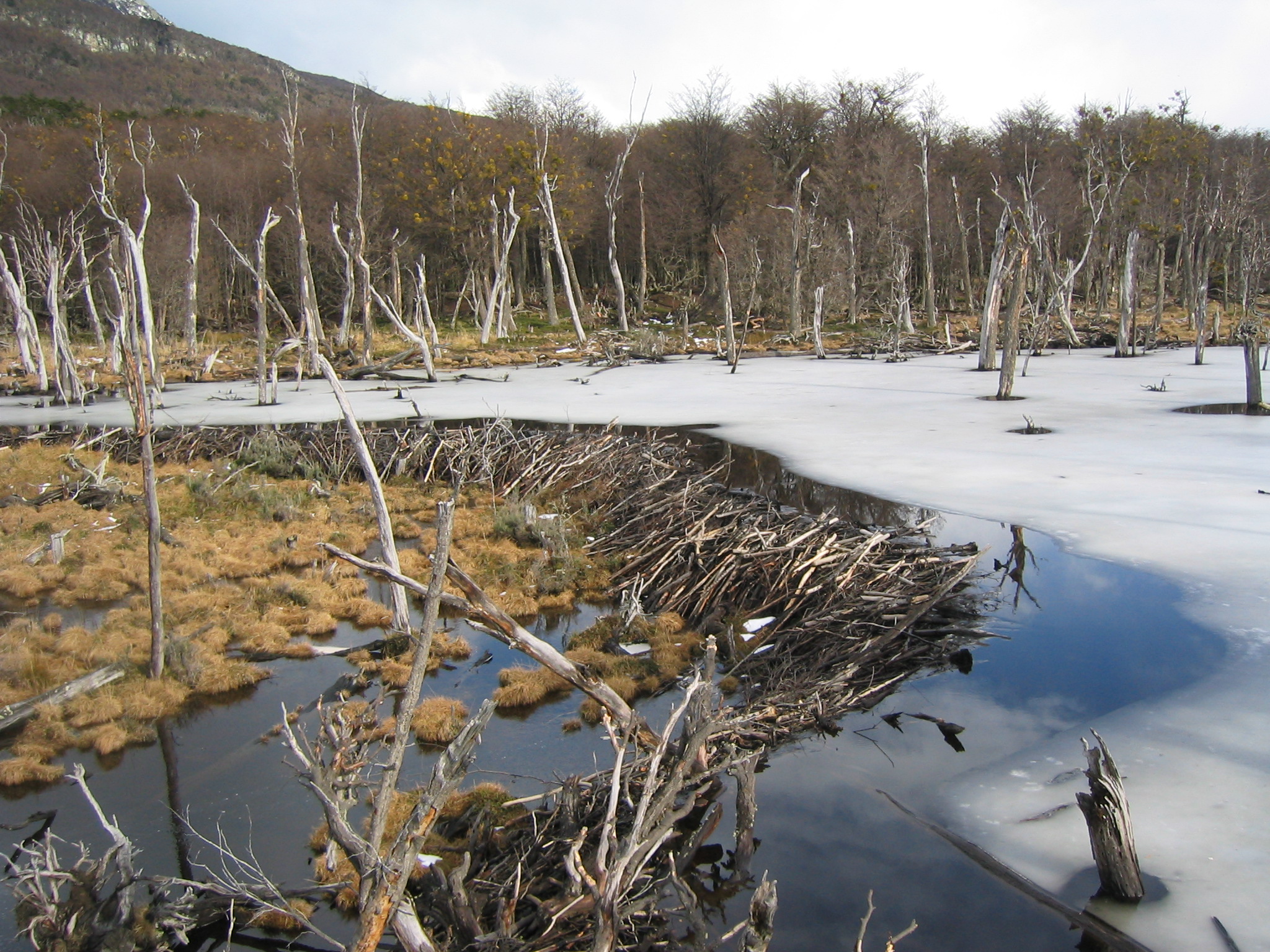
Most devastatingly, Mr Coventry has drawn attention to the situation in the Argentinian island of Terra del Fuego, where 50 beavers were released in 1946. There are now estimated to be over 200,000 on the island. The beavers have devastated forests on Terra del Fuego. They gnawed through cables denying internet access to the main city on the Island and they ate the wooden border fence separating Argentina from Chile and spread to the neighbouring country.
Attempts are now being made to eradicate beavers from the island.
Mr Coventry has said:
“Evidence from Terra Del Fuego has totally been ignored by the pro-nature people. Once an animal has been given protection, you’ll never get rid of it.”
Mr Coventry was previously opposed to the release of White-Tailed Sea Eagles on the Isle of Wight, which he described as an ‘imbecility’. He said:
“At most, only two pairs of sea eagles could live on the Isle of Wight. Any more would be devastating to waders, seabirds, and new-born lambs. More than a couple would devastate the birdlife in Newtown Estuary.
“Sea Eagles can’t fish in the Solent because they can only hunt in still water. Their diet is birds (72% according to Countryfile). Fortunately, most of our sea eagles flew back to Holland where they had been bred.
“Once they have been released, it becomes impossible to get rid of them. When a sea eagle teaches its young to take lambs, they will never stop doing so. When a Scottish sheep farmer found his flock decimated by eagles it took 3 years to get an injunction to remove them.”