






































































A potentially serious pollution incident in one of the Isle of Wight’s rare chalk streams has been avoided thanks to artificial intelligence and a rapid response by Southern Water teams.
The blockage was developing close to a surface water line feeding into the Caul Bourne before it flows through Calbourne – one of the Isle of Wight’s most photographed locations due to the chalk stream running through the village.
Blocked sewers remain the leading cause of pollution incidents, ranging from overflowing manholes contaminating waterways to sewage backing up into homes. The most severe cases can see wastewater entering sinks, showers and toilets.


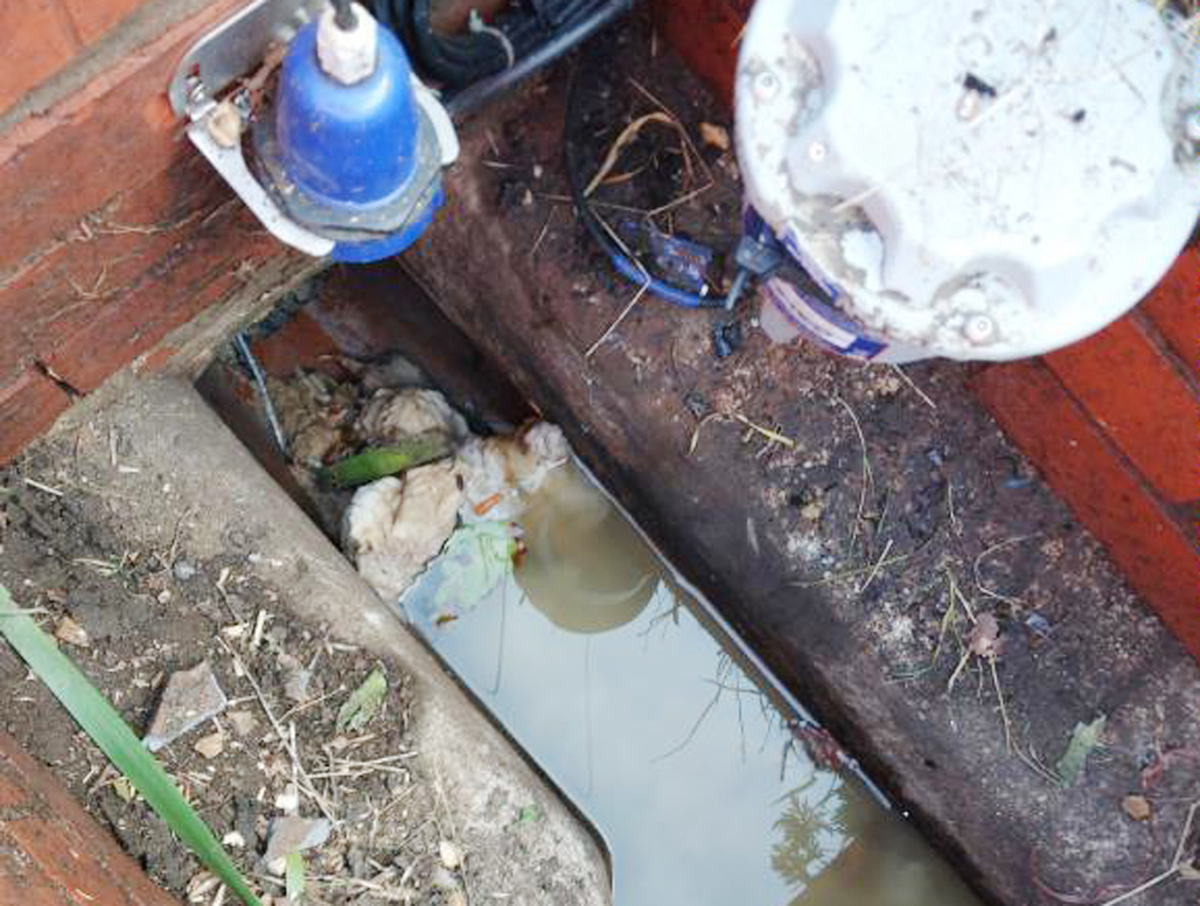
The issue at Warlands Lane, Shalfleet was identified using Southern Water’s network of around 34,000 sewer level monitors, which continuously track flows and detect unusual activity that may indicate a blockage or leak.
As the fatberg began to form, sensors alerted the control room, prompting a swift response. Crews attended and used high-pressure water jets to clear the sewer, discovering a build-up of wet wipes and other unflushable items.
Daniel McElhinney, Proactive Operations Control Manager, has said:
“The sensors measure the level of sewage flowing under manholes in blockage hotspots, but the real innovation is how machine learning or artificial intelligence learns the normal behaviour of sewers and can tell the difference between morning and evening rushes, rain in the system and a blockage forming.
“Instead of turning up after the event to clean up and commiserate with devastated customers we’re spotting hundreds of potential blockages before it’s too late so our teams can scramble round with high pressure water jets to clear the sewer.”
Article continues below this advertisement

Southern Water says many customers are unaware that the average suburban sewer is only as wide as an orange or tennis ball, meaning it takes very little fat and waste to cause a serious obstruction.
Materials such as cooking fat, sanitary products, wet wipes and cotton buds are among the most common causes of fatbergs.
Following incidents like this, teams visit nearby homes to warn residents of the risks and offer advice on what should and should not be flushed.
The system has led to more than 4,000 preventative interventions by specialist teams over the past year.











I am amazed at the comment about the average sewer being the size of an orange or a tennis ball? Where did that information come from?
Having seen the insides of some sewers, I can say that even a slightly abnormal passing object would easily block something that small? I don’t ever recall seeing a sewer pipe less than 6″ diameter?
It’s about time Southern water we’re doing the job they are paid for disgusting company !!!!!!
Artificial intelligence is great innovation, shame it cannot
be used to STOP vehicles speeding.