











































The location of the old priory house at Appuldurcombe near Wroxall has been a mystery for 300 years, until now…
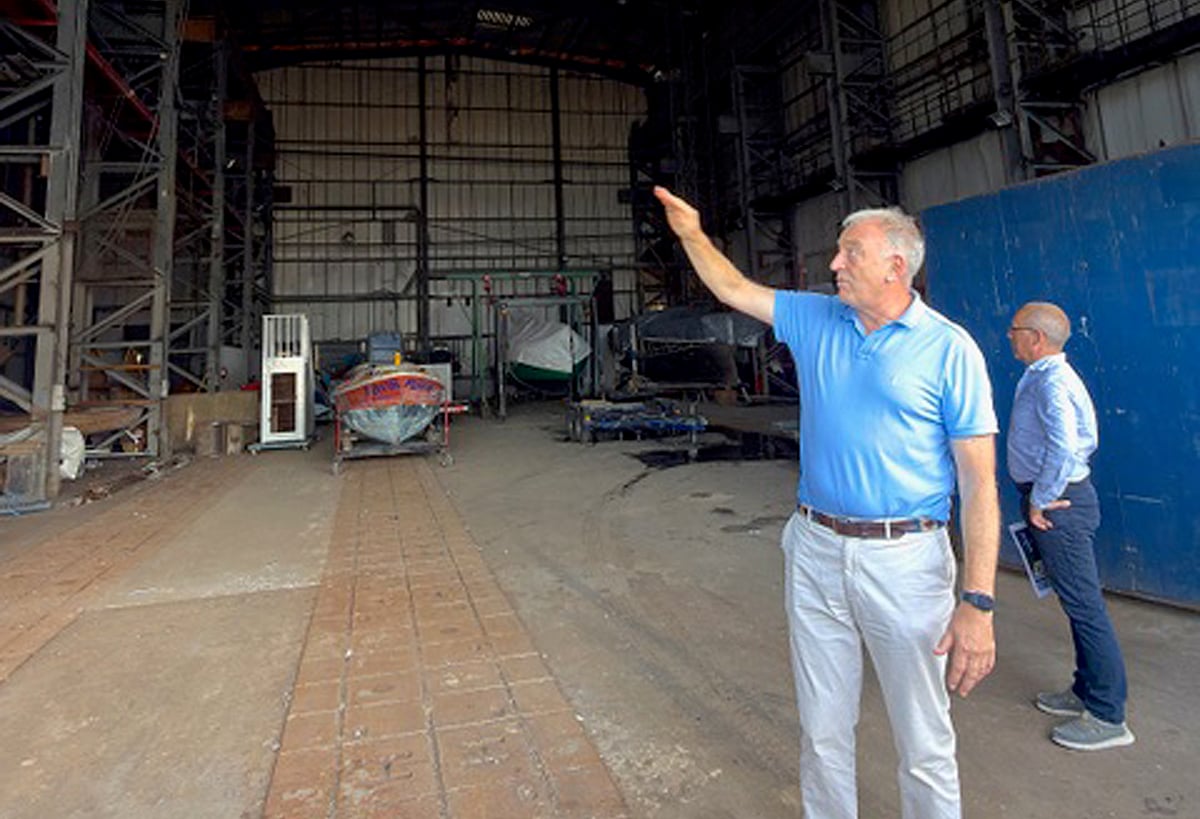
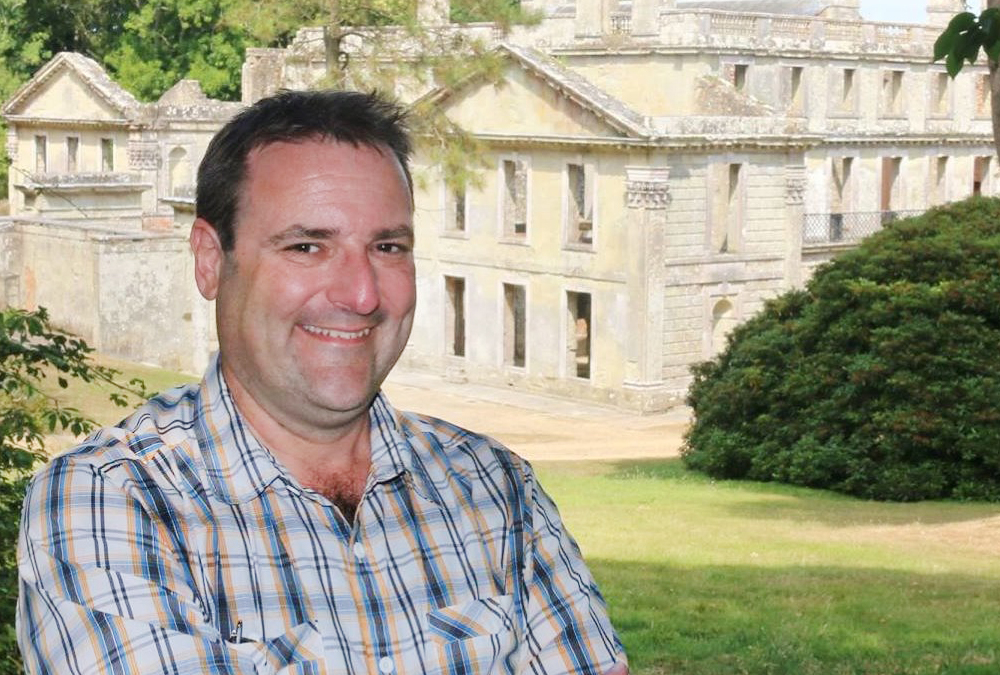
Chris Gardner, a communications manager come historian, has waded into a data lake – a centralised raw data storage repository – built up over 30 years to solve the centuries-old mystery.
Appuldurcombe Priory has eluded experts since its demolition between 1690 and 1720. Visitors have picked Gardner’s brains on the location since 1982 when, aged 9, he became a schoolboy guide there.


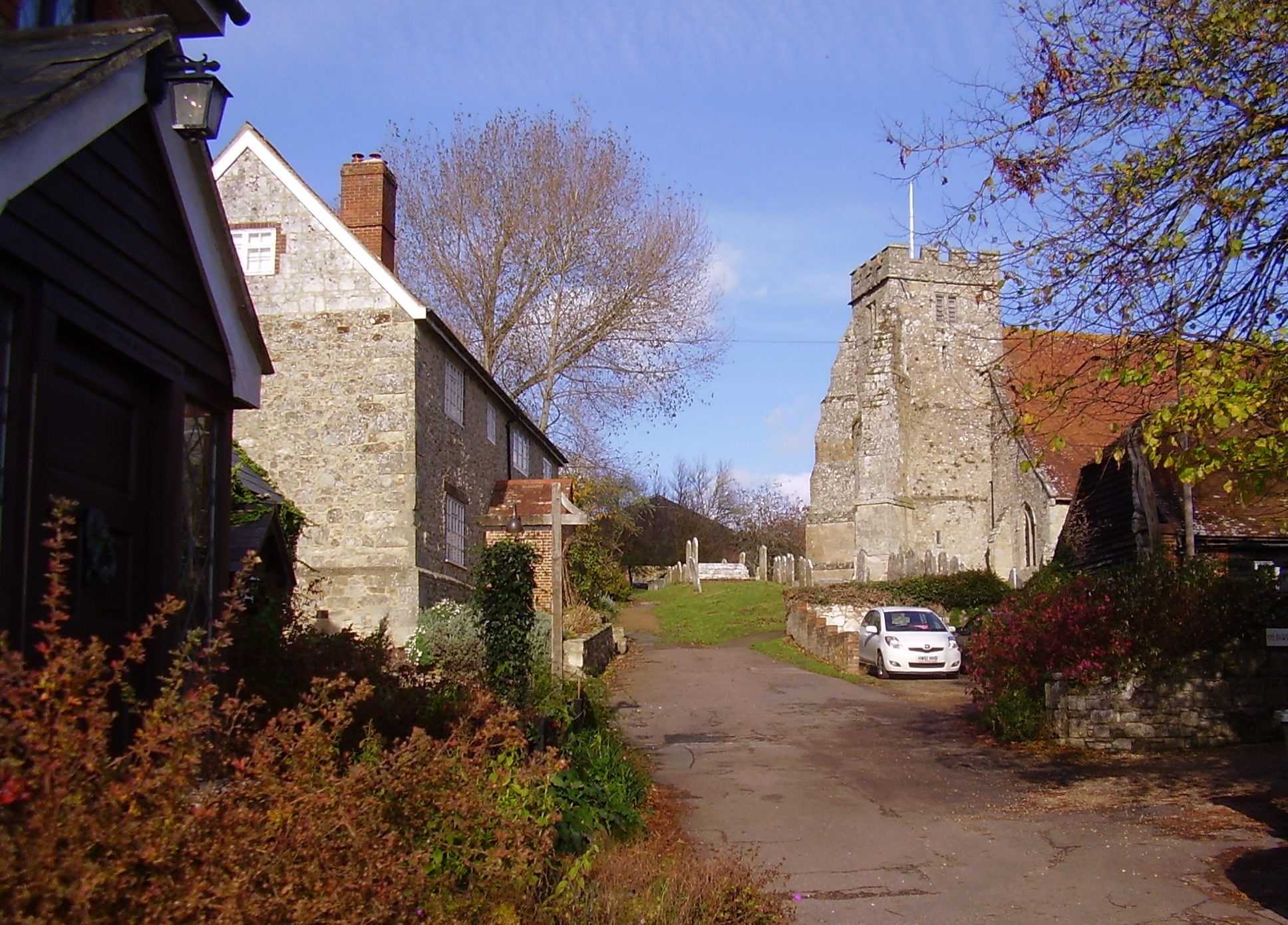
The Priory was founded in 1090. It became the seat of the Worsley family in 1529 when Henry VIII’s whipping boy Sir James Worsley inherited the lease from his wife Anne’s parents. However, Sir Robert, 4rth Baronet Worsley of Appuldurcombe, demolished the priory and built a masterpiece of Baroque architecture.
Gardner became more determined to find the site of the priory after conducting guided tours of Appuldurcombe in 2018 and 2019.
Speaking about the mystery, Chris has said:
“The first question any visitor asks is why the current house is in ruins. It suffered catastrophic damage during the Second World War and stripped for building materials before the Government halted demolition on the grounds of its architectural merits.”
Article continues below this advertisement “The second question any visitor to Appuldurcombe asks is where was the priory house. In 1720 Sir Robert wrote he had not ‘left one stone standing’. In 1781 Sir Richard Worsley claimed, ‘the old priory house was situated a small distance from the present mansion’.

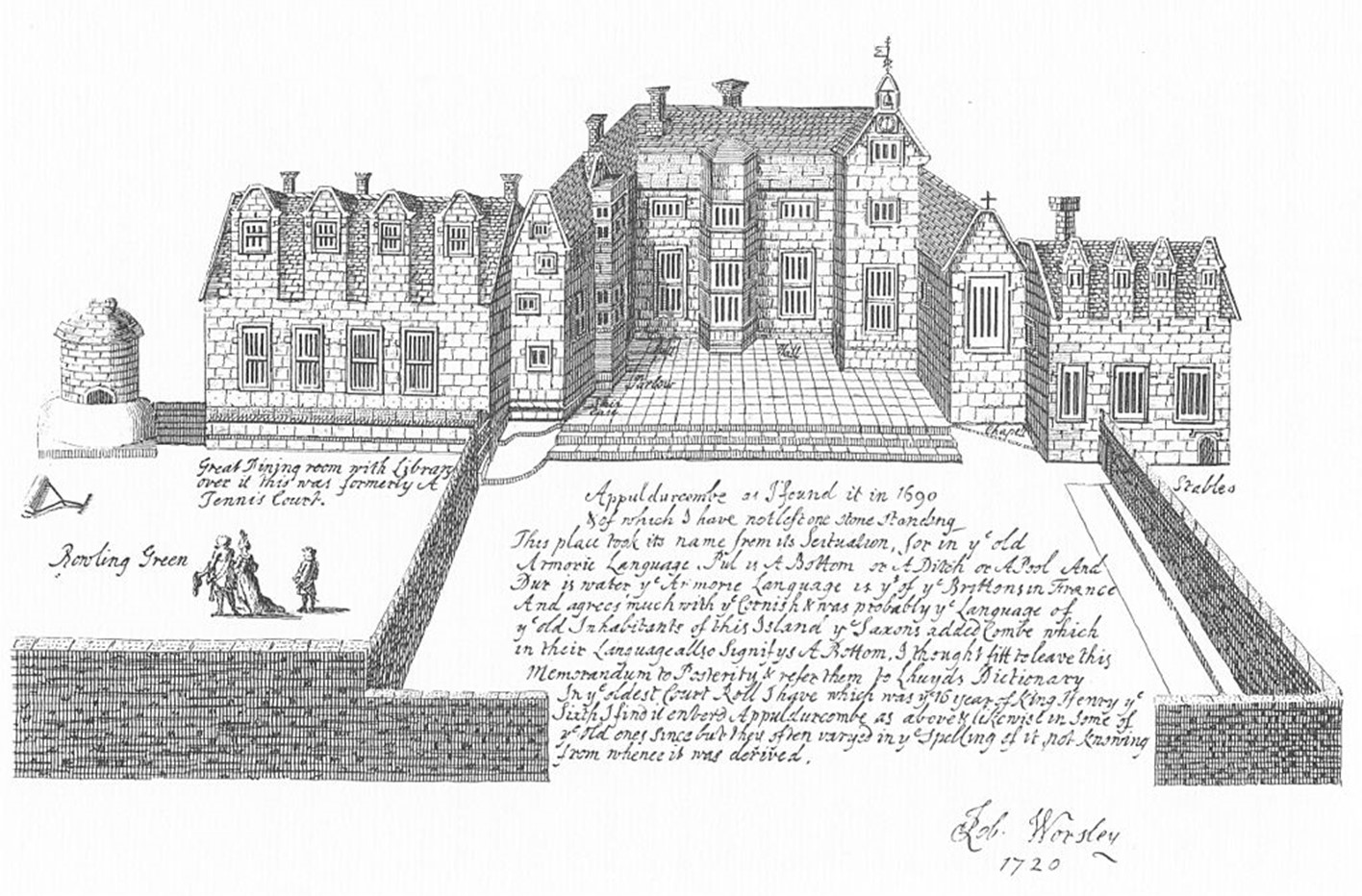
Gardner embarked on a combined textual criticism and data validation exercise during the last COVID-19 lockdown. 3 vital pieces of data helped solve the puzzle; Sir Robert’s annotated drawing of the old priory house, estate accounts kept by the Steward of Appuldurcombe Caleb Dowding, and Lady Anne Worsley’s letters to her father Lord Weymouth of Longleat House.
They suggest the old priory house was demolished and rebuilt Baroque-style one wing at a time. The accounts show construction was well underway by November 1701, when Sir Robert paid “Mr Fisher, Stonecutter” for putting up chimneypieces, one in the “best chamber over the chapel” and another in the dressing room.
Lady Worsley’s letters suggest Appuldurcombe’s new chapel, best chamber and dressing room were built over the priory’s northeast wing containing the stable and chapel. “The Chappell goes up apace,” Lady Worsley wrote in 1701. “I wish he would let them go on as fast with the rest of the building, that we might see an end of it, which I hard hope to do”.
The accounts show when the chapel block was completed Sir Robert moved onto the Great Hall at the centre of the building. First, he repaired the hall, following the Great Storm of 1703, and then rebuilt it. Archaeologists suggested, early this century, that the internal ground floor wall of the Great Hall may be from the old priory house.

Sir Robert left more than 1 stone standing.
He finished by demolishing the southern wing of the priory containing the Great Drawing Room and Library, building the south elevation of the new house containing the southeast pavilion (Drawing Room), Library and southwest pavilion for Dowding to occupy.
The function of rooms in Sir Robert’s new Baroque house mostly matches those of the priory proving, beyond reasonable doubt, that 1 is constructed on top of the other.
Archaeologists uncovered foundations of an earlier building beneath the southern elevation of the current house in 1986, as well as Tudor rubble.
Architectural historians describe Appuldurcombe as eccentric, unusual and strange on account of its large protruding pavilions dominating the central block. Pavilions are usually set back into the main building, or completely separate of it. One reason for such an unusual footprint is that it follows the footprint of the original priory house.
Gardner’s work shows poor quality data in insolation can tell a very misleading story, and an abundance of good quality data can set the record straight.









I have been in the cellars of the house and they looked far older than the remaining structure, so maybe they were part of the priory.
Interesting place and very beautiful still.
I spent many days and nights in the cellars, and investigated the tunnel. They would have to be part of the original priory house.
Well Done Chris, that was a labour of love but I bet you were pleased when the “mystery” was solved.
Absolutely. I am blessed with many tools in the digital age, that historians before me did not have. Those before me had to travel the world with a notebook and camera.
Well done Chris. Once again you’ve done a grand job. What about the other ruins/foundations in the field behind.
The late Ron Morris (no relation} of Binstead did a lot of research over many years into “Cooks Castle” and found records dating to the 1300’s of their having been a fortified farmhouse named “Cooks/es farm in Old manorial deeds and documents. The next farm along was shown as” Smarden/St Martins farm” and was recorded on old Tithe maps. This is now a bit of walling.
Guide books from the Victorian era say Cookes Castle was just a folly constructed for the Worsley family to have an object of interest in the distance to view from their grand home.
Have read that fruit flavour waters were sold from it in Vic, or Edwardian times.
I think Brannon suggested it was an early building but I think it was a mistake on his part.
But happy to learn more if Ron Morris has any such info.
Hard work, but very rewarding. I appreciate your morale support the whole way! This is another mystery I am keen to solve, Fred.