














































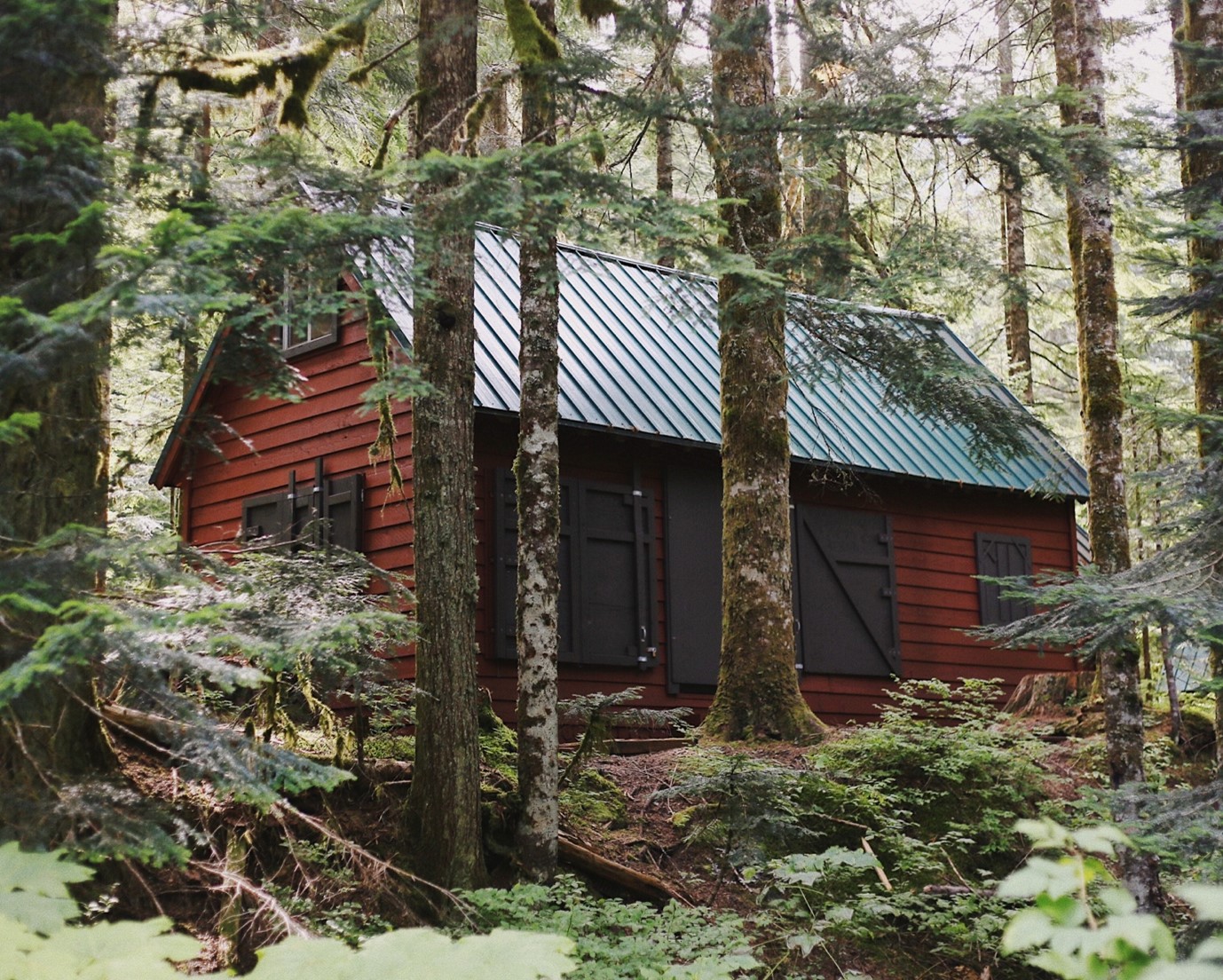

You know you crave peace, you know you want your own little slice of heaven, but where do you actually START in your mission to build a residential log cabin?
The first thing you need to establish is the location. The location of your log cabin will be dependent on many factors, the most important being the practicalities and legalities of situating your cabin on a certain piece of land.
Read our practical advice below to make the process of finding the perfect location for your residential log cabin exciting.


Determine your Area
The location of where you want a residential log cabin is a very personal choice. Consider the following things in order to narrow down where to search for a piece of land:
Purpose of your log cabin. Do you enjoy fishing, hiking, biking? Do you wish your cabin to be placed in a secluded, quiet environment or amongst others in a community? All these things should be taken into consideration before even beginning to look for the perfect piece of land. When you know the purpose of your log cabin, you will be able to narrow your search down to a particular area.
Natural beauty. What is your vision when you see your completed residential log cabin? Do you picture yourself in the middle of a forest, or perched on an elevated piece of land overlooking beautiful scenery?
Accessibility. Most of us who crave log cabin life do so because of the seclusion and stillness log cabin living offers. However, do bear in mind convenience and accessibility. How easy is it to access local amenities? Regardless of how beautiful your surroundings are, it will be difficult to appreciate them if it is difficult to reach and too far away from practical comforts. Also consider if it is accessible all year round and when the weather is bad.
Type of land. What will you be using the land for, do you simply want to build a log cabin, or do you want to grow your own organic food as well? If you want to do gardening, it would be wise to search for agricultural land.
Legalities and Practicalities
Almost every country will have some sort of building and zoning regulations. If we didn’t have these types of regulations, people would erect all types of weird structures in weird places. However, there are some exceptions and loopholes when it comes to certain types of buildings, and you can get around most of them if you build a small or highly creative log cabin. It is highly advised to consult with your local land developers to see what permits and regulations you need to adhere to. You will want to check for code restrictions, zoning, development restrictions, future development plans, and other legal considerations.
After all, you don’t want all that hard work to be destroyed because you neglected to see if your building was in compliance with the building and zoning codes for your residential log cabin’s target area.
Resources and Amenities
So, you have found a piece of land that can be built upon both legally and practically, you now need to consider the resources and amenities available on your piece of land.
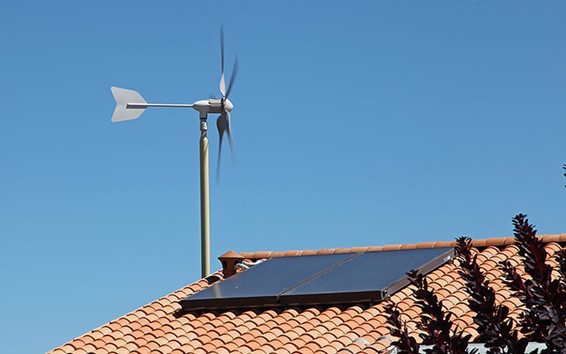
Consider whether you want to connect to local drainage systems, water sources and utility lines or will you choose to go off grid?
If you choose the first option, you will need to check whether the land is already connected to these services. If not, it can get pretty expensive to do so from scratch.
Orientation
When you know where you want to build your log cabin, you should think about the orientation of it.
To make the most of the sun’s energy, you should position your cabin facing south. If you live in a colder climate, it is recommend putting the majority of your windows on the south facing side too. By doing this, during winter months when the sun is low, its rays will provide you with natural healing. In the summer months, when the sun sits higher in the sky, your overhanging roof should provide you with shade. However if you live in a hot climate, we suggest putting the windows on the north side of your log cabin. By doing so you will save in heating and cooling costs.
Once you have considered all of the above, hopefully you will know where you want to purchase your piece of land, and exactly where you want to site your residential log cabin within your land.