





































































Every day, millions of people in the UK make seemingly innocuous, small digital choices. They decide how they will pay, which services seem trustworthy, and whether a platform feels secure enough to use.
These moments rarely feel economic in nature. But collectively, they influence where money flows, how digital services develop, and which businesses grow or fade.
As 2026 approaches, the focus is not on whether digital systems matter, but on how quietly and extensively consumers exercise influence through them.


Looking closely at how daily digital decisions relate to regulation, trust, and money movement reveals how the UK’s digital economy operates in real terms.
What “the digital economy” really means in the UK
The British digital economy is booming. When AI investment and planned government initiatives, such as the “UK’s Silicon Valley” in Oxford-Cambridge, are factored in, the industry is projected to reach £25bn+ by 2030.
But what is the “digital economy” and how does it work?
Put simply, the digital economy isn’t limited to technology companies or niche platforms. It includes any activity that depends on digital systems to function. In the UK, that touches far more of daily life than many people realise.
It includes some of the things everyone does daily, such as online payments, ID verification, and regulated services, along with the rules and protections behind them. Unlike some markets, the United Kingdom places great emphasis on oversight, licensing, and consumer protection. That frames how digital services are designed and how people trust and feel about using them.

That confidence matters.
When systems feel precise and reliable, people are more willing to use them for decisions that carry real value or risk.
When trust is missing, hesitation sets in.
Consumers as the driving force: How digital choice now dictates economic activity

A large share of today’s economic activity depends on the choices we make every day. Before spending, people weigh the terms, the trust factor, and whether a service follows clear rules.
This hesitation before committing defines much of the UK’s digital economy.
The pattern is even more apparent when larger sums are involved, and regulation steps in. People scrutinise financial products, marketplaces, and online entertainment platforms more carefully, as the risks feel tangible. In these cases, reassurance usually matters more than speed or convenience.
Licensing, payment processes, identity checks, and responsible-use safeguards influence whether people engage, especially when larger amounts are at stake. This is why users interested in the UK’s best high roller casinos for 2026 often approach the decision with care. Rather than focusing on surface-level features, they seek signs of proper oversight, secure payment options, and explicit protections tailored to higher-stakes use.
What we’re seeing is a broader change in how people approach the digital world. People treat them as serious line items in their monthly budgets. When the rules are clear, people feel comfortable participating. But muddy the waters, and most users will simply stay away.
Why trust and regulation hold the system together
The UK’s digital economy works at scale because it’s built on systems people know and trust. When people see clear consequences and a system for keeping companies in check, they feel much safer. That reliable protection is vital for high-value transactions and data privacy.
This structure supports growth at scale.
The UK now stands as one of Europe’s most advanced digital economies, built on strong adoption and long-term trust in digital services. This stability is what drives a company’s growth and maintains consumer confidence in online spaces.
Digital services as infrastructure, not “extras”
Most of the time, digital infrastructure is invisible. Payments clear, apps load, and we only really think about it when something crashes. But this reliability has changed everything; digital services are no longer just a background feature—they’re the main event. They are the new ‘bricks and mortar’ of our economy, and without them, the business world would grind to a halt.
For businesses, this means delivering speed, transparency, and security. For consumers, it means using systems that feel fair and reliable. The digital economy is perfunctory where those expectations align.
How the Digital Economy Shapes Regional and Local Growth

Digital economic activity is no longer tied to one region, either. With strong connectivity and better tools, local businesses can now reach customers far outside the “London hub”.
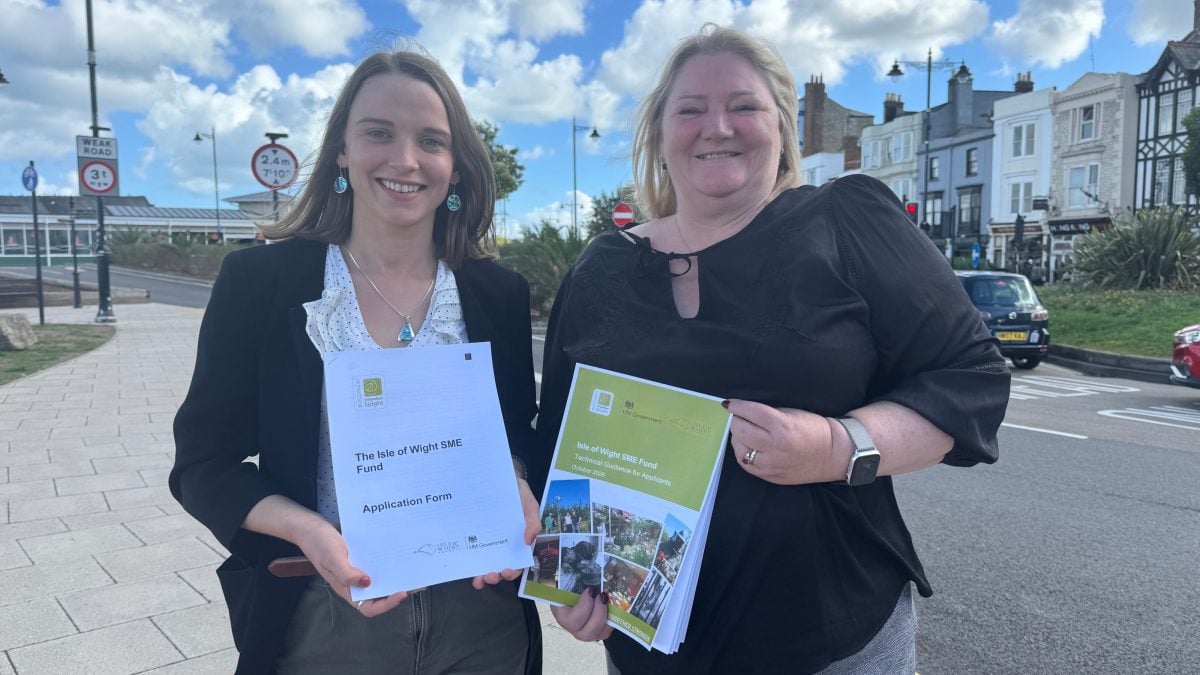
A report in the Isle of Wight, for instance, shows how digital initiatives are supporting business continuity, access to broader markets, and long-term economic resilience. These cases show that such projects can drive local growth while remaining integrated with the national mainland economy.
This local angle matters. It illustrates how the digital economy links daily decisions to broader outcomes such as employment and long-term business health.
What’s likely to change and what isn’t
The path forward is clear. Digital services are simply a part of life now, but they only work if they’re safe and open. What won’t change is the way people think and decide. They will still look for honesty and clear information. When a system is reliable, the economy naturally follows.
A digital economy built on trust, choice, and everyday use
By 2026, the UK’s tech-enabled landscape will not feel new. It’s already part of everyday life. It shows how daily choices, business standards, and regulations work in harmony in real life.
Taking time to understand how these systems work helps you make better decisions. Whether you run a business, invest carefully, or just want to know where your money goes, that awareness puts you in control.
A good next step is to take a closer look at the rules, protections, and information behind the services that you already use. These little pieces of information are often more helpful than any headline.