






























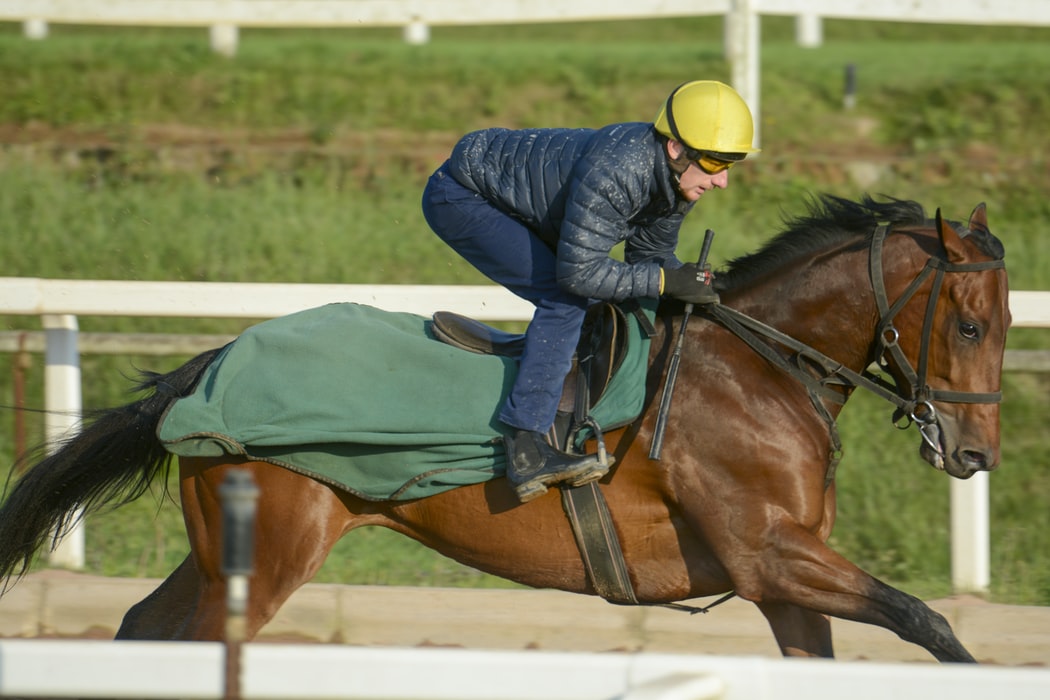
Horse racing in Britain has a long history, dating back beyond the first publishing of the General Stud Book in the 1700s. In fact, the oldest racecourse still in operation today is in Chester and it hosted its first races back in 1539.
It remains as popular today as it was back then, with much of the population enjoying some of the bigger events like the Grand National and the Cheltenham Festival.
Betting on horse racing is also just as popular now as it was back when English nobility used to make wagers among themselves on whose horse would win in each event. Today, it’s an activity enjoyed by the masses, with even casual fans getting in on the action. Many enjoy making bets as it’s part of the tradition, though those that take it more seriously will look to predictions offered by experts from reputable sites like OLBG to give themselves an edge when they make their wagers.


Following Horse Racing From the Isle of Wight
In the 21st century, most horse racing in the UK is located on mainland Great Britain, although there are a handful of racecourses that can also be found in Northern Ireland. This means those that live in places like Cowes, Niton, Yarmouth or Bembridge, don’t have a local race to call their own.
Of course, it’s possible to watch on TV and over the internet or listen to races on the radio. In fact, there is a plethora of quality coverage available to islanders. ITV broadcasts free-to-air races throughout the year, including major events like the Grand National and the Cheltenham Festival.
For those not on ITV, it’s possible to watch via pay channels like Sky Sports Racing and Racing TV. Alternatively, some bookmakers also let punters watch races that they’ve bet on via their website.
While coverage of the sport is great, nothing beats being there to watch it in person. Therefore, if you find yourself living on the Isle of Wight, you have to take the ferry or hovercraft to be able to catch any action in person.
Thankfully, we’re not far from Goodwood Racecourse, which hosts several great meetings throughout the year. Just down the road from there is Fontwell Park and Plumpton Racecourse isn’t too far either, being located just north of Brighton.

If you’re prepared to drive a little further, Ascot, Royal Windsor, Epsom Downs, Sandown Park, and Kempton Park racecourses are only an hour’s drive from Portsmouth.
Isle of Wight Racecourse
That wasn’t always the case though. In the not too distant past, the Isle of Wight boasted its own track that was used for horse racing. Unfortunately, the venue no longer exists, but it is quite easy to find where it was located.
In Ashey, heading south-southwest along Ashey Road from its junction with Deacons Lane and Green Lane, you’ll arrive at a sweeping right-hand bend with East Ashey Lane and Ashey Manor on your left. The racecourse was built in the fields that still line the edge of the road.
The races were run over one and two miles, suggesting that the distance of the circuit was likely a mile long.
Races were usually run under National Hunt rules which indicates that it contained fences of some sort.
The racecourse opened on Tuesday 9th May 1812, with regular meetings taking place for more than a century. In the second half of the 19th century, competing groups attempted to host races at their own tracks, but by the turn of the century, everyone had agreed that Ashey was the best place.
Unfortunately, it’s not clear why, but the final meeting was held on Monday 9th June 1930 and the track was eventually turned into farmland.
The Return of Horse Racing
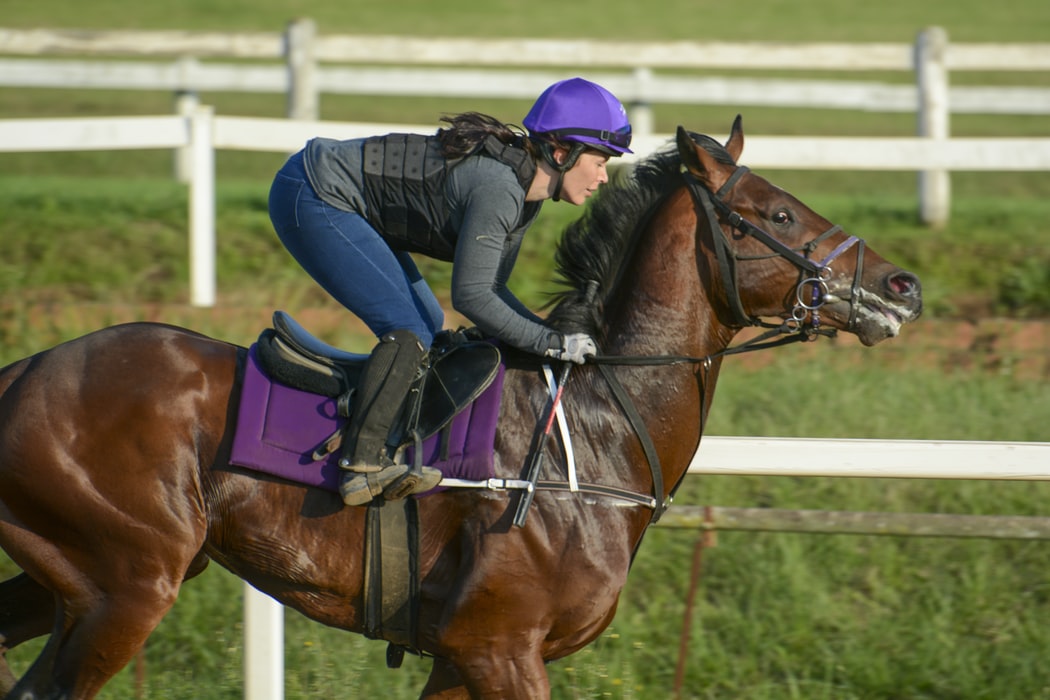
While nothing on the scale found on the mainland exists today, there are some amateur horse races that have been taking place on the Isle of Wight since at least 2005.
Lovers of horse racing have banded together to bring the sport back to Ashey. For 16 years, the race has been taking place at West Ashey farm, which owns the fields where the track once stood.
It attracts modest crowds, though nothing you could compare to what’s seen at the likes of Epsom or Goodwood. But it’s a fun day out for locals that love horses and horse racing and it’s a great way to reconnect with a lost part of the island’s history.
The Isle of Wight Grand National and Ashey Scurry take place once a year, usually in March, with three different circuits created on the field.